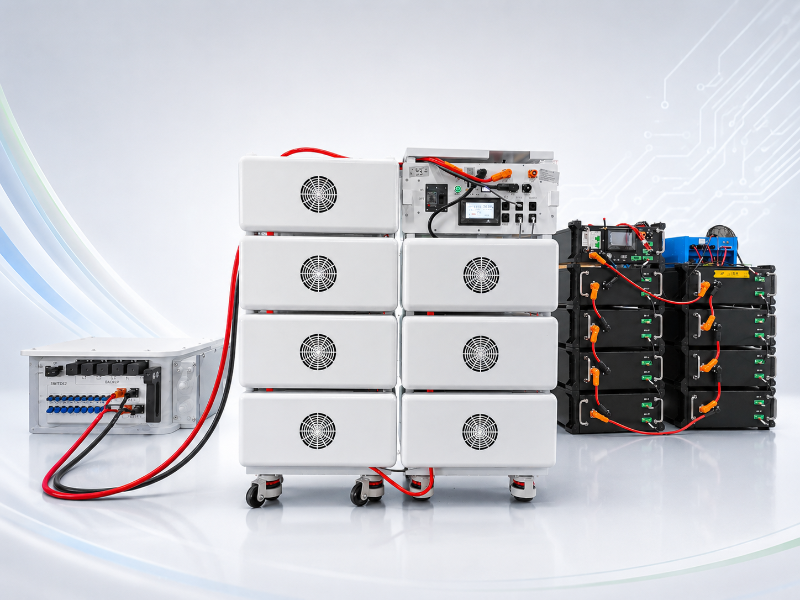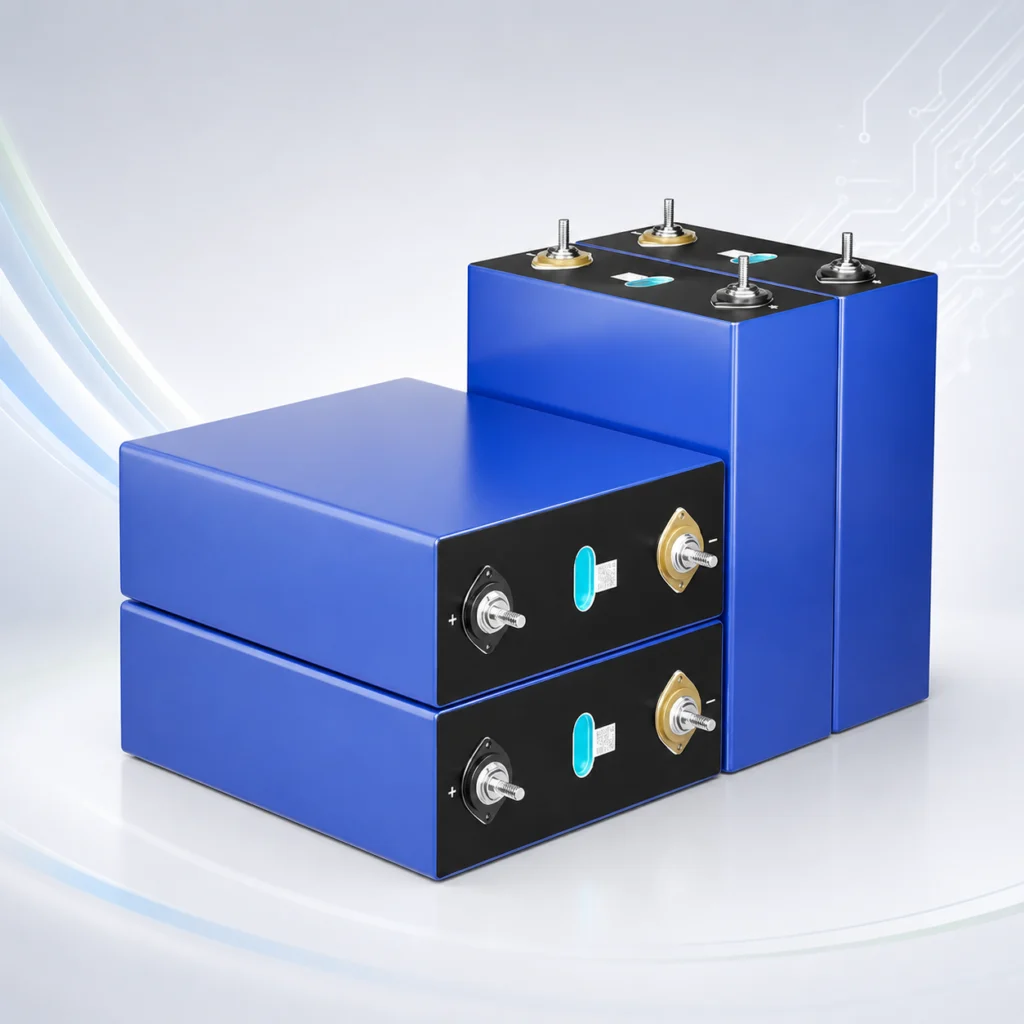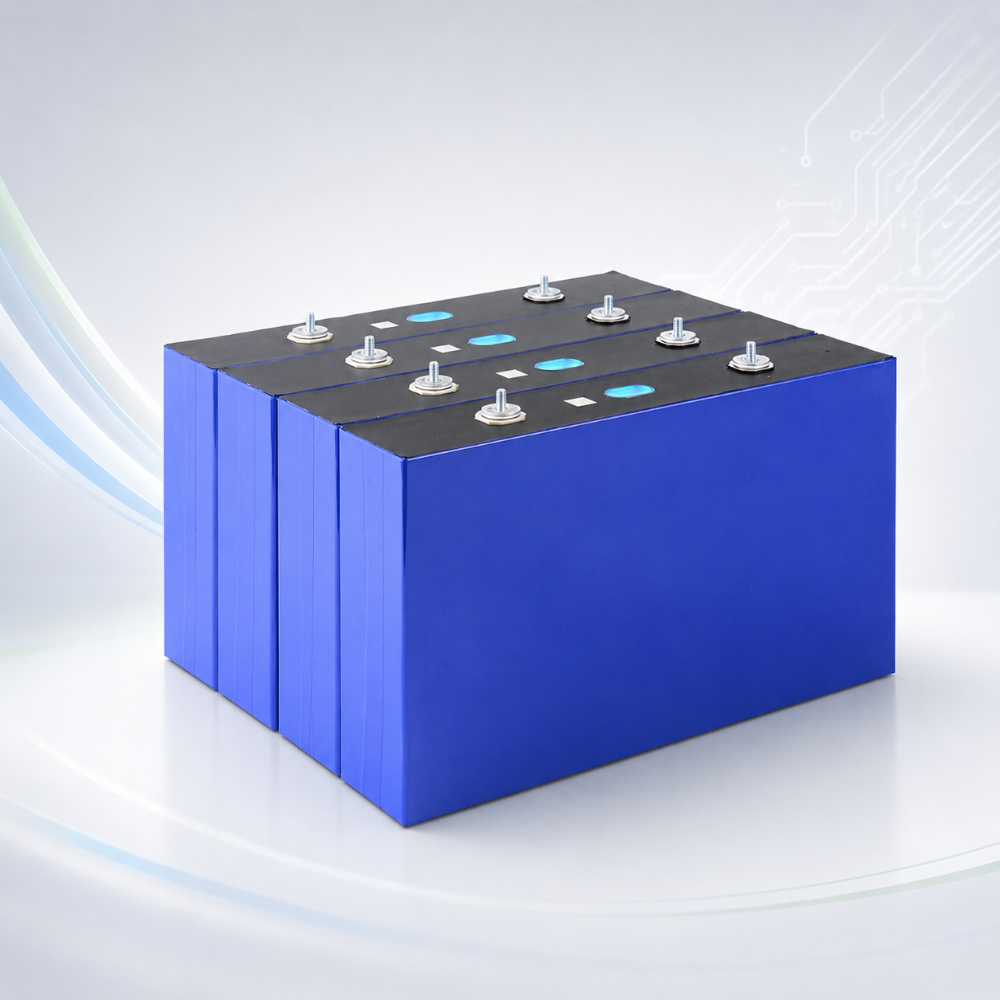
“How much power is left in the battery?” For many people, the first reaction is to measure the voltage with a multimeter. When they see 51.2V, they assume the battery still has plenty of power. When they see around 48V, they may wonder whether the battery is almost empty. However, LiFePO4 batteries used in energy storage systems are not that simple. During discharge, the voltage may remain relatively stable for a long time and only drop noticeably when the battery capacity is already low. In addition, when the battery is powering an air conditioner, water pump, inverter, or other equipment, the voltage can change as the load changes. As a result, the same battery may show noticeably different voltage readings in the morning and evening, even though the actual remaining capacity may not have changed by the same amount. Understanding the relationship between battery voltage and SOC can save you a lot of trouble in both daily use and battery purchasing.
Can LiFePO4 Battery Voltage Show How Much Capacity Is Left?
It can provide a rough indication, but you should not treat voltage like the battery percentage icon on a smartphone. LiFePO4 batteries have a very noticeable characteristic: their voltage remains relatively stable during the middle stage of discharge. Even after the battery has used a considerable amount of energy, the voltage may still appear normal. A typical 51.2V LiFePO4 battery works this way. The 51.2V rating refers to its nominal voltage; it does not mean the battery will display 51.2V continuously from beginning to end.
- When the voltage is relatively high, the battery is generally in a fairly well-charged state.
- During the middle stage of discharge, the voltage may change very little, which is when misjudgments are most likely to occur.
- When the battery is nearly depleted, the voltage will drop more noticeably, and the equipment may begin to trigger low-voltage protection.
Therefore, seeing 51.2V does not automatically mean that the battery has 80% capacity remaining. Likewise, a slightly lower voltage does not necessarily mean the battery is about to run out. Whether the battery is charging, discharging, or resting will all affect the measured voltage.
Why Does the Voltage of the Same LiFePO4 Battery Keep Rising and Falling?
This is actually very common. For example, when solar panels are charging the battery during the day, the voltage may be relatively high. At night, when the air conditioner is turned on and the inverter begins operating under a heavy load, the voltage may drop. After the air conditioner is turned off and the load becomes lighter, the battery voltage may gradually recover. You may notice that the voltage keeps changing, but the actual remaining capacity does not change nearly as quickly. This is especially common with 51.2V LiFePO4 batteries. A temporary voltage drop when the load suddenly increases is not unusual. For a more accurate reading, allow the battery to rest for a period after charging or discharging has stopped, then observe the voltage and check the SOC displayed by the BMS. This is more meaningful than taking a quick measurement while the equipment is operating.
Why Is the Battery Voltage Different During Charging and Discharging?
Many people assume that something is wrong with the battery when they see this, but that is not necessarily the case. A battery can naturally display different voltages under different operating conditions. Energy storage batteries are often connected to inverters, and frequent switching between charging and discharging makes voltage fluctuations normal.
- During charging: The charger is supplying energy to the battery, so the voltage is usually raised.
- During high-power discharge: When air conditioners, motors, water pumps, or other equipment start, the battery current increases and the terminal voltage may drop.
- After discharging stops: Once the load is removed, the battery voltage may recover.
- When the battery is close to a low state of charge: The voltage drop becomes more noticeable, and the BMS may activate protection.
Consider a practical example: a 51.2V LiFePO4 battery is powering a household inverter at night. Under normal conditions, the voltage appears relatively stable. However, after a high-power appliance is suddenly turned on, the voltage immediately drops. Looking only at this instantaneous reading may easily lead you to believe that the battery is almost empty. In this situation, it is more useful to check the SOC, load power, and whether the voltage recovers after the load is reduced.
When Buying a LiFePO4 Battery, Do Not Look Only at the Battery Voltage
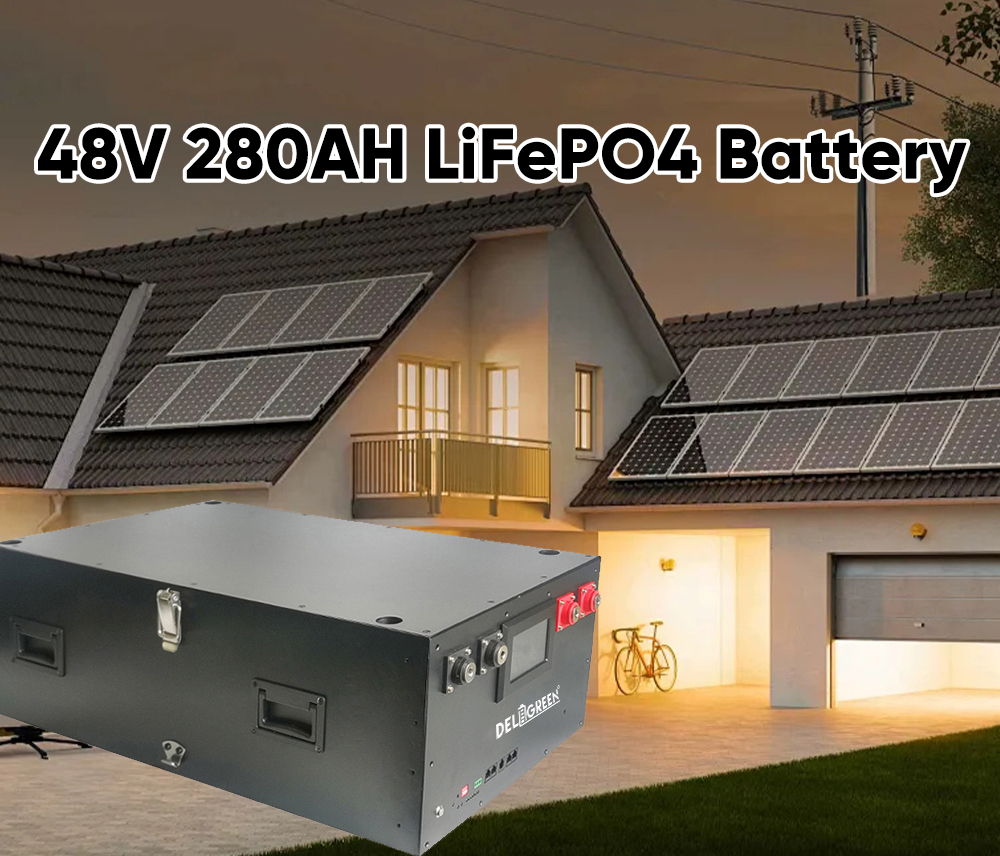
When purchasing an energy storage battery, saying “I need a 51.2V battery” only determines the voltage level. There are still several other important factors to consider. For example, even if two batteries are both rated at 51.2V, a 100Ah battery and a 200Ah battery have a twofold difference in energy storage capacity. If your household needs approximately 5kWh of electricity every night but you purchase a battery with insufficient capacity, having the correct voltage will not solve the problem. You also need to check whether the inverter supports the battery voltage and whether the battery’s continuous discharge current is sufficient to power the equipment.
- Calculate your daily energy requirements first, then determine the required battery capacity.
- Confirm the inverter’s battery input range instead of looking only at whether it is labeled 48V or 51.2V.
- Check the continuous discharge current, especially if you plan to power high-power equipment.
- If you may add more batteries later, confirm in advance whether the BMS and battery system support expansion.
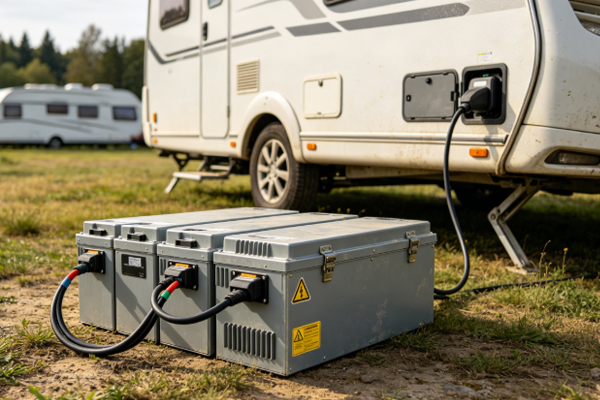
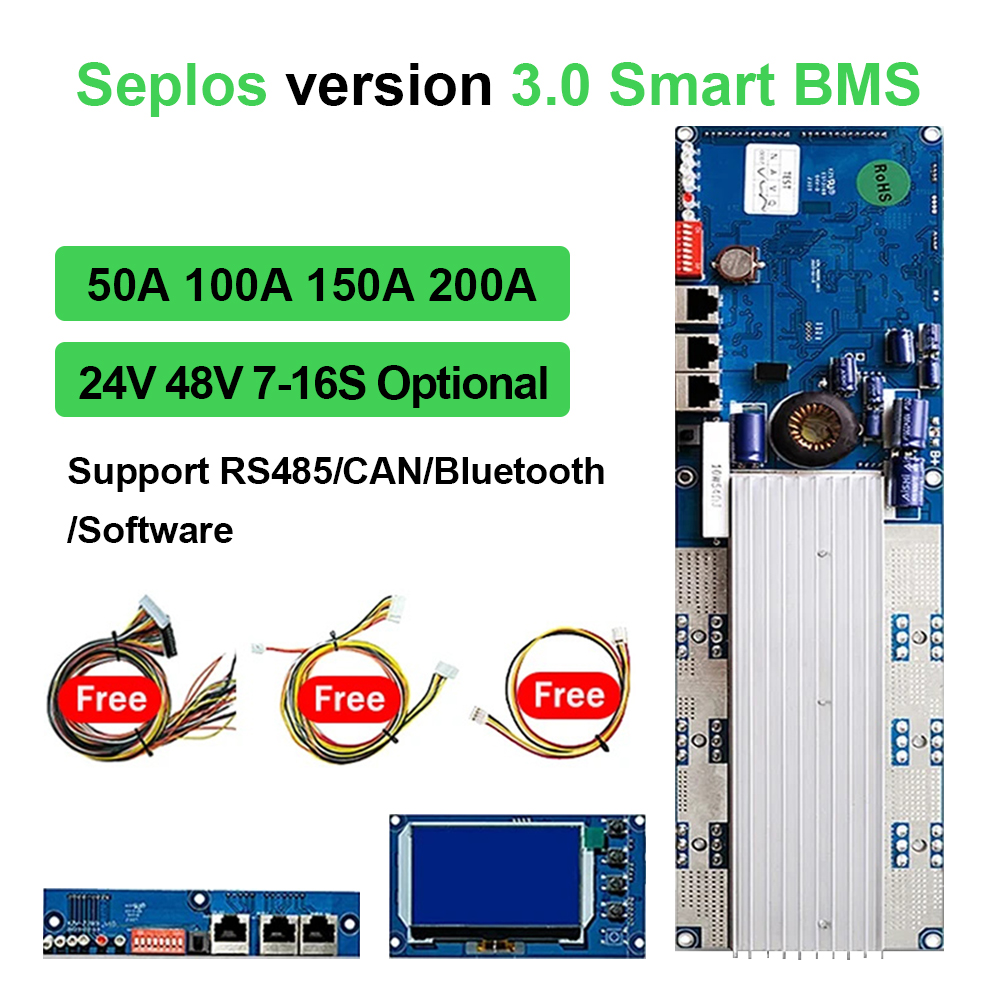
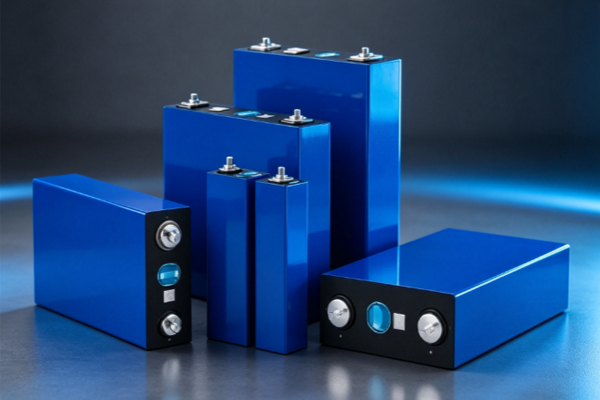
Whether the battery is intended for home energy storage, solar energy storage, RV power, or backup power, different applications have different requirements. Some buyers may also need customized dimensions, connectors, capacity, or communication protocols. In such cases, a customized LiFePO4 battery pack may be a better option. Users who plan to assemble their own battery system can start with battery cells, DIY battery boxes, and BMS accessories. However, these components must be compatible with one another, so you should not choose them based only on battery voltage.
In simple terms, LiFePO4 battery voltage can help you estimate the general condition of the battery, but a single voltage reading cannot be directly converted into an accurate remaining-capacity percentage. This is especially true for 51.2V LiFePO4 batteries, whose voltage changes very little during the middle stage of discharge and is also affected by the load when the battery is powering equipment. During daily use, it is much more reliable to consider the battery voltage, the SOC shown by the BMS, the load level, and the actual operating time together. The same applies when purchasing a battery: determine the voltage first, then carefully check the capacity, discharge current, BMS, and inverter specifications. This will help ensure that the battery you purchase is truly suitable for your system and capable of providing reliable long-term energy storage.