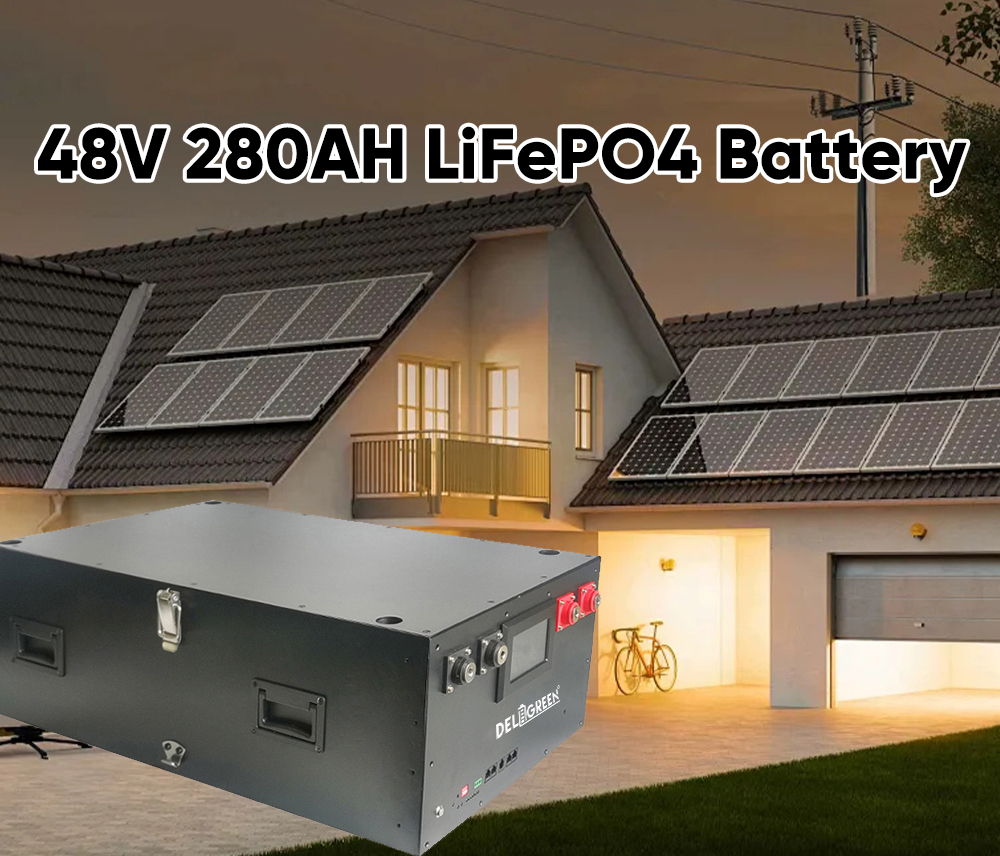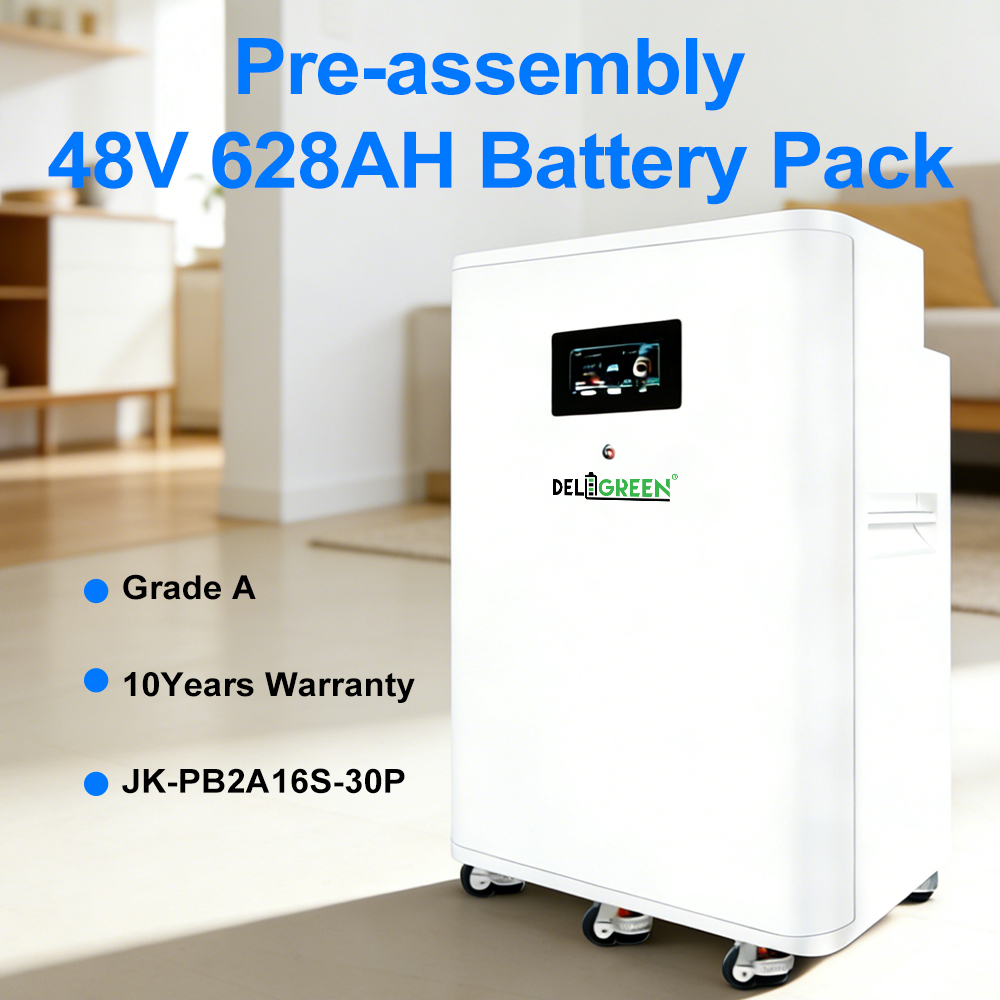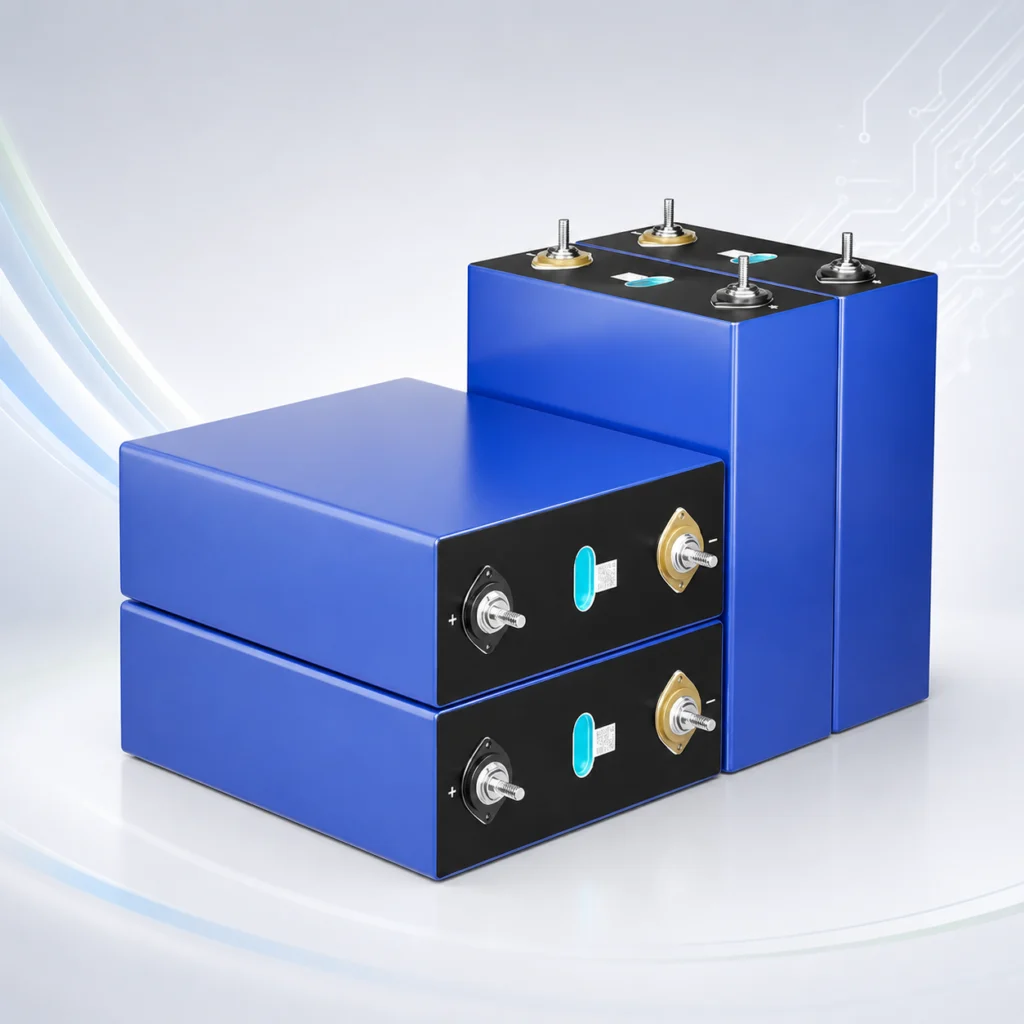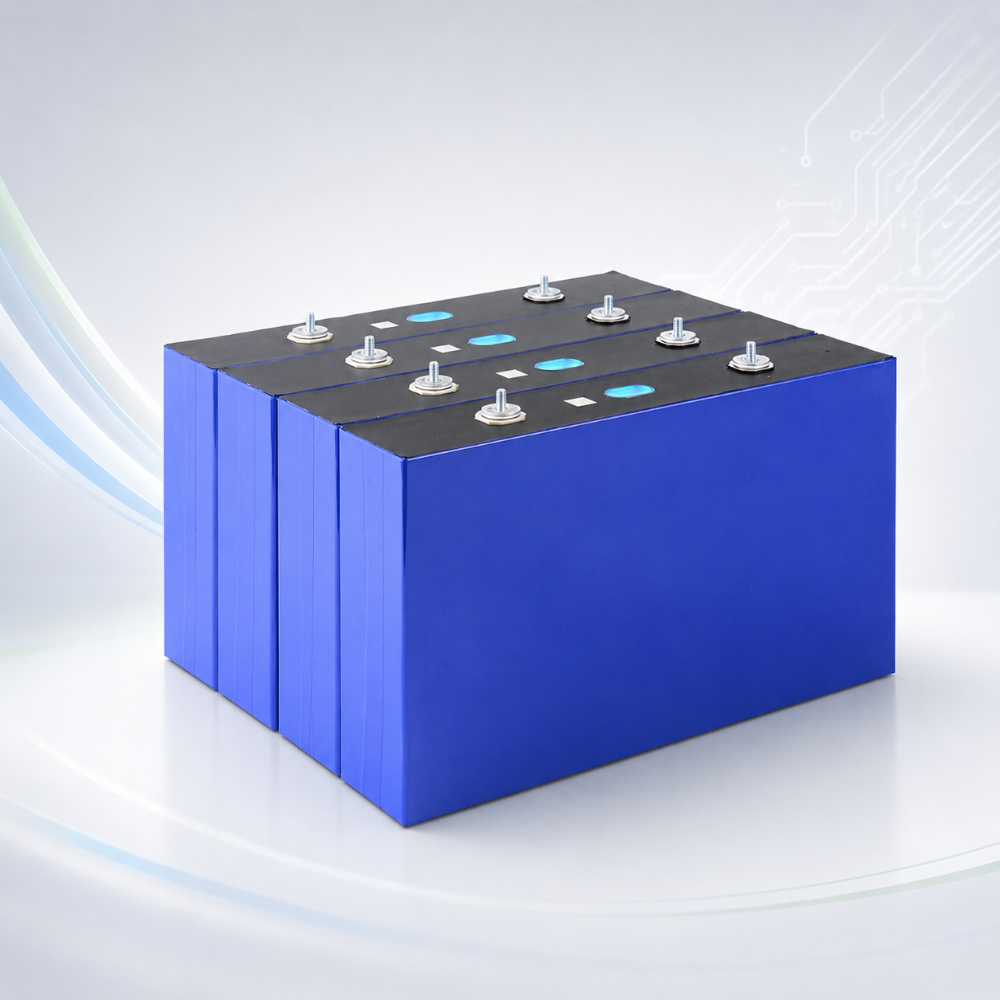
As residential solar power and energy storage technologies continue to develop, photovoltaic energy storage systems are evolving from simple electricity storage devices into intelligent systems capable of automatic control, real-time monitoring, and energy scheduling. Solar panels convert sunlight into electricity, LiFePO4 energy storage batteries store surplus power, energy storage inverters manage electrical conversion, and energy management systems coordinate the operation of the entire system by collecting data from solar generation, batteries, the grid, and household loads. Smart management can automatically adjust operating strategies according to solar output, real-time household electricity demand, battery SOC, electricity prices, and grid conditions. For example, when solar generation is sufficient during the day, the system can prioritize household loads and store surplus electricity in LiFePO4 batteries. At night, when photovoltaic generation stops, the battery can automatically discharge to supply household appliances. For commercial and industrial solar energy storage systems, smart controls can also incorporate time-of-use electricity prices, load changes, and demand management. Through digital monitoring and automated control, users can clearly understand system operating conditions while improving solar energy utilization and battery efficiency.
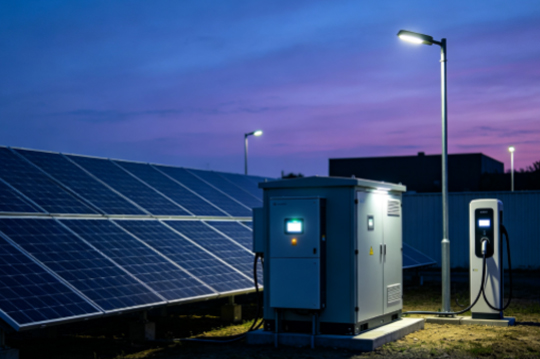
What Core Equipment Supports Smart Solar Energy Storage Management?
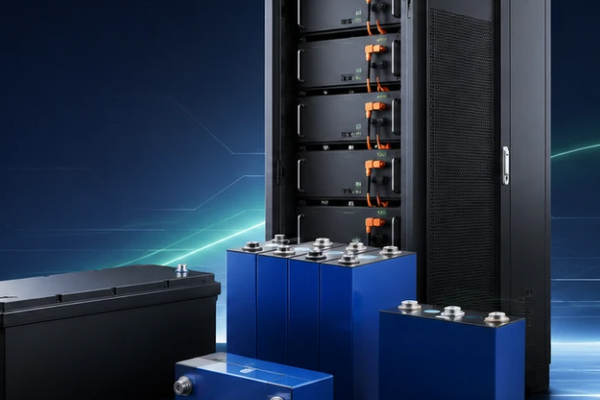
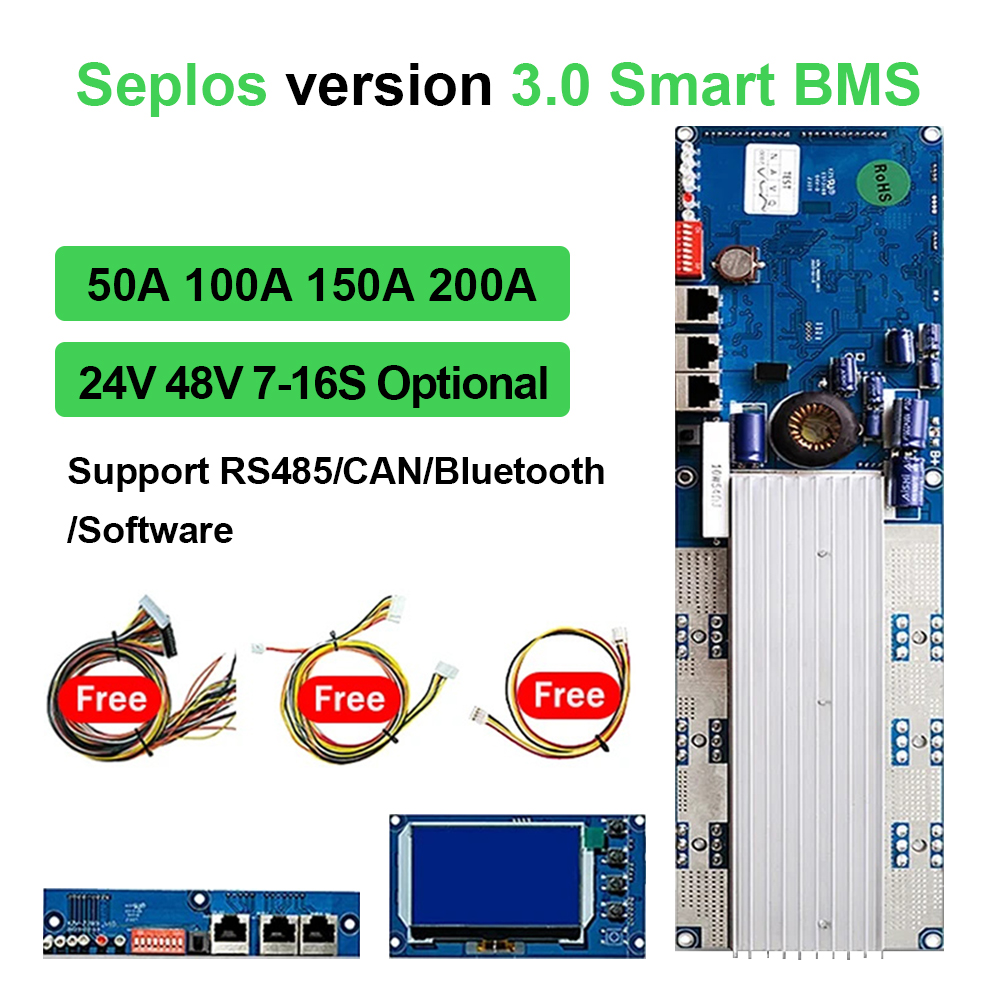
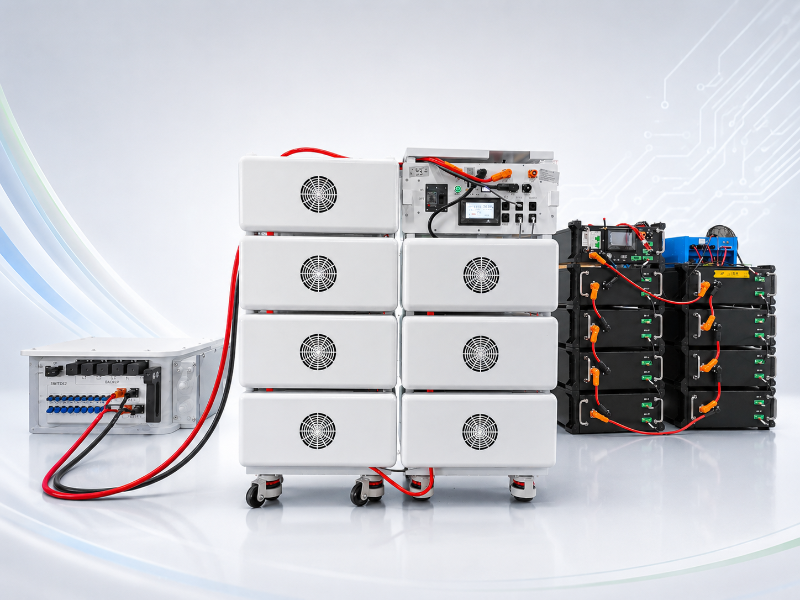
Smart management of a solar energy storage system is not performed by a single device. It relies on coordinated operation between photovoltaic panels, energy storage batteries, inverters, BMS, and energy management systems. Solar panels generate DC electricity, while the energy storage inverter converts electricity between DC and AC and coordinates power flow between the solar array, battery, grid, and loads. The BMS inside a LiFePO4 battery monitors cell voltage, temperature, current, and SOC in real time while providing charging and discharging protection based on operating conditions. The energy management system collects data from different devices and controls energy storage according to preset strategies. When solar output increases, the system can increase battery charging power. When household loads increase, it can adjust battery discharge power accordingly. Some smart energy storage systems also support remote monitoring, allowing users to view battery capacity, solar output, load power, and grid status through smartphones, computers, or local displays. Communication between these devices creates a complete monitoring and control chain, allowing a solar energy storage system to evolve from a passive electricity storage device into an active and intelligent energy management system.
How Does a Solar Energy Storage System Automatically Adjust Charging and Discharging?
Smart charging and discharging is an important function of solar energy storage management. The system evaluates solar output, load demand, battery SOC, and preset operating rules to determine whether the battery should charge or discharge. When photovoltaic generation exceeds household electricity demand, surplus power can be used to charge the energy storage battery. When solar output is insufficient to meet household demand, the battery can automatically discharge. For LiFePO4 energy storage systems, the BMS continuously monitors battery operating parameters and prevents continued charging or discharging under abnormal conditions. Smart controls can also establish a minimum SOC level so that part of the battery capacity remains available for emergency backup. In regions using time-of-use electricity pricing, the system can automatically adjust its charging and discharging schedule, charging during lower-cost periods and discharging during higher-cost periods. For homes with photovoltaic systems, this strategy can further increase the self-consumption rate of solar electricity. The system can also adjust power dynamically according to load changes. For example, when several high-power appliances are switched on at the same time, the control system can determine whether the battery and inverter have sufficient output capacity. Through automated adjustment, users do not need to frequently operate the system manually, allowing the energy storage system to distribute electricity according to real-time energy conditions.
What Practical Applications Can Smart Management Provide?
Smart management of solar energy storage systems can be applied in homes, commercial buildings, factories, farms, and other distributed energy environments. Electricity consumption patterns vary between applications, so the system can establish appropriate energy control strategies according to actual load requirements.
Residential Solar Energy Storage
- Solar power is prioritized for household loads during the day.
- Surplus photovoltaic electricity is automatically stored in the battery.
- Stored energy can be used at night to reduce grid electricity consumption.
- Important household loads can receive backup power during grid outages.
Homeowners can monitor solar generation, battery SOC, and real-time electricity consumption through intelligent monitoring, making household energy use more transparent.
Commercial and Industrial Energy Storage
- Battery charging and discharging can be scheduled according to time-of-use electricity prices.
- Power output can be adjusted according to changes in business or industrial loads.
- Grid electricity consumption during expensive peak periods can be reduced.
- Energy storage can work with photovoltaic generation to improve renewable energy utilization.
For commercial and industrial users, smart management can also help control peak demand and coordinate energy storage with daily production electricity consumption.
By establishing automated operating rules for different loads, solar energy storage systems can respond more efficiently to actual electricity requirements.
How Can Data Monitoring Improve Energy Storage Efficiency?
Smart management depends heavily on data collection and real-time monitoring. An energy storage system can continuously collect information such as solar generation power, battery voltage, current, temperature, SOC, SOH, inverter operating status, and household load power. This information can be integrated into an energy management platform. Users can determine whether the system is currently operating in solar supply, battery charging, battery discharging, or grid supply mode. Historical data can also be used to identify daily, weekly, or monthly electricity consumption patterns. For example, if the system identifies a consistently high household load during a particular period, it can adjust the battery operating schedule according to solar generation and electricity prices. If battery temperature rises abnormally, SOC changes unexpectedly, or the inverter generates an alarm, the management system can notify the user to inspect the equipment. Larger solar energy storage systems can use remote platforms to manage multiple storage units and display their operating data in one interface. Accumulated data can also help users understand actual battery performance and provide useful information for future capacity expansion and maintenance. Continuous monitoring and data feedback allow energy management strategies to be optimized over time, helping storage equipment operate under more appropriate conditions.
How Should a Smart Solar Energy Storage System Be Configured?
Reliable smart management requires coordinated configuration of the battery, inverter, BMS, communication system, and energy management platform. LiFePO4 batteries should provide stable cycle performance, reliable BMS protection, and accurate data for key parameters such as voltage, temperature, and SOC. The energy storage inverter should support communication with the BMS and EMS while providing effective power control. Residential users can select battery capacity according to daily electricity consumption, photovoltaic capacity, and nighttime loads, while setting appropriate minimum SOC and maximum charging and discharging power. Homes requiring backup power can reserve part of the battery capacity and establish dedicated backup circuits for critical appliances. Commercial and industrial users may also need to consider time-of-use electricity prices, production loads, maximum demand, and transformer capacity. The communication system must remain stable, and interfaces such as CAN or RS485 should be compatible with the communication protocols of connected devices. After installation, the solar generation, battery charging and discharging, grid supply, and load operating conditions should be tested to verify that automatic control strategies work correctly. During daily operation, users should monitor battery temperature, SOC, charging and discharging power, and system alarms and respond to abnormal conditions promptly. Properly integrating LiFePO4 energy storage batteries with an intelligent energy management system can help households and businesses make better use of solar electricity while reducing manual operation, improving energy utilization, and supporting stable long-term energy storage performance.