As electric scooters are increasingly used for urban commuting, short-distance transportation, shared mobility, and delivery services, charging efficiency has become an important part of the overall user experience. For electric scooters that are used frequently every day, long charging times can reduce vehicle availability and increase waiting periods during operation.
A fast-charging battery solution is not simply about increasing charging power. It requires an integrated approach that considers cell performance, battery capacity, BMS, thermal management, and charging equipment. Only by shortening charging time while maintaining battery safety and cycle life can a fast-charging solution meet the needs of high-frequency electric scooter applications.
Why Do Electric Scooters Need Fast Charging?
Reduce Charging Waiting Time
For daily commuters, electric scooters are often charged before or after work. If charging takes too long, it may affect the next day’s transportation schedule. Fast charging can reduce parking and charging time while improving battery availability.
Improve Commercial Operating Efficiency
Shared electric scooters, rental vehicles, and delivery scooters may need to complete multiple tasks every day. Fast charging can reduce the time vehicles spend in charging areas, allowing limited vehicle resources to be used more efficiently.
- Shorten charging time
- Improve vehicle turnover
- Reduce operational waiting periods
- Support frequent-use applications
Key Components of a Fast-Charging Battery Solution
Fast charging involves the entire battery system rather than the charger alone. Cells, BMS, battery structure, and thermal management need to work together.
Select Cells Suitable for Fast Charging
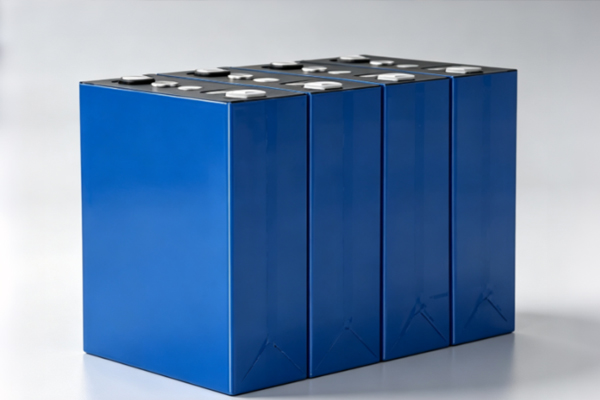
Battery cells are one of the key factors affecting charging speed. Different cell types and specifications have different charging rates, capacities, and cycle lives. When designing a fast-charging battery, suitable cells should be selected according to the scooter’s power requirements and frequency of use.
Choose an Appropriate Battery Capacity
A larger battery capacity does not necessarily mean better fast-charging performance. If the charger, cells, and BMS are not properly matched, simply increasing charging power may lead to higher heat generation and faster battery aging.
| Key Factor | Fast-Charging Requirement | Main Function |
| Battery Cells | Support the required charging rate | Determines charging capability |
| Battery Capacity | Determined according to range requirements | Balances range and charging time |
| BMS | Supports charging monitoring and protection | Improves charging safety |
| Thermal Management | Controls temperature rise during charging | Improves system stability |
| Charger | Matched with battery parameters | Provides appropriate charging power |
| Battery Structure | Proper arrangement of cells and components | Supports heat dissipation and installation |
The Role of BMS in Fast Charging
During fast charging, the battery may be exposed to higher charging currents, making the Battery Management System (BMS) particularly important. A properly designed BMS can continuously monitor battery conditions and provide appropriate protection and management.
Monitor Charging Conditions
The BMS can monitor parameters such as battery voltage, current, and temperature. When abnormal conditions are detected, the system can activate the corresponding protection functions according to its settings.
- Overcharge protection
- Overcurrent protection
- Overtemperature protection
- Short-circuit protection
- Cell voltage monitoring
Improve Cell Consistency
Fast charging places relatively high requirements on cell consistency. Significant differences between individual cells may affect battery performance over time. Through cell monitoring and balancing management, the BMS can help maintain stable operation of the battery pack.
Why Is Thermal Management Important During Fast Charging?
As charging current increases, the amount of heat generated during battery operation may also increase. Thermal management is therefore an essential part of a fast-charging battery solution.
Control Battery Temperature
Long-term exposure to high temperatures can accelerate battery aging. When designing a fast-charging battery, cell spacing, internal structure, and heat dissipation paths should be properly considered so that heat can be transferred more efficiently.
Optimize the Design for Different Operating Conditions
Electric scooters may operate in different seasons and environments. Hot weather, extended riding, and frequent charging can increase the thermal load on the battery. The temperature management system should therefore be designed according to the actual application conditions.
Fast-Charging Requirements for Different Applications
Urban Commuting Electric Scooters
For electric scooters used for daily commuting, fast charging can reduce charging time during the night or work breaks. Properly selecting battery capacity and charging rate can help balance riding range and charging efficiency.
Shared and Rental Electric Scooters
Shared mobility requires high vehicle turnover. Fast-charging batteries can reduce the time vehicles remain in charging areas, making them suitable for high-frequency commercial operations.
Delivery and Commercial Applications
Delivery scooters may operate for long periods and require multiple charging sessions throughout the day. Fast charging allows vehicles to return to service more quickly and reduces downtime caused by charging.
How to Design an Efficient Fast-Charging Battery Solution
Match the Battery with the Charger
Fast charging should not be achieved simply by upgrading the charger. The charger’s output parameters need to match the battery voltage, capacity, cells, and BMS. Otherwise, battery stability may be affected.
Balance Charging Speed and Battery Life
Higher charging power can reduce charging time, but the long-term cycle performance of the cells must also be considered. A well-designed solution should balance charging speed, temperature rise, cycle life, and overall cost.
Customize the Battery According to the Scooter Model
Battery compartment dimensions, voltage platforms, and control systems vary between electric scooter models. OEM and ODM battery solutions can customize battery capacity, structure, BMS, and connection methods according to specific vehicle requirements, improving compatibility between the battery and the complete scooter.
Future Trends in Fast-Charging Electric Scooter Batteries
As electric scooters continue to expand into different applications, demand for faster and more efficient charging will continue to grow. Future fast-charging batteries are likely to focus on improved charging efficiency, longer cycle life, smarter BMS technology, and more advanced thermal management.
For electric scooter manufacturers, an effective fast-charging battery solution needs to be developed from the perspective of the complete vehicle system rather than simply increasing charging power. By properly matching the cells, BMS, charger, and thermal management system, manufacturers can shorten charging time while maintaining safety, stability, and battery life, providing more efficient energy support for urban commuting, shared mobility, and commercial applications.