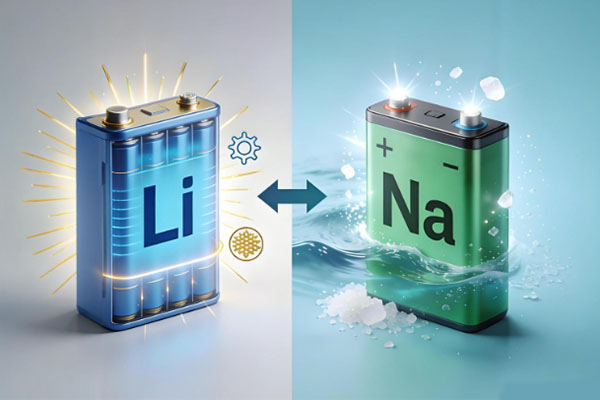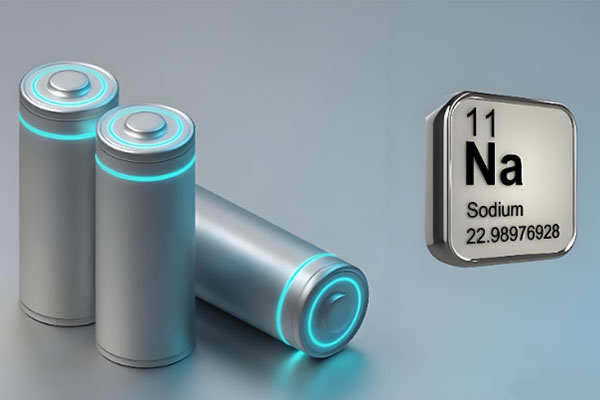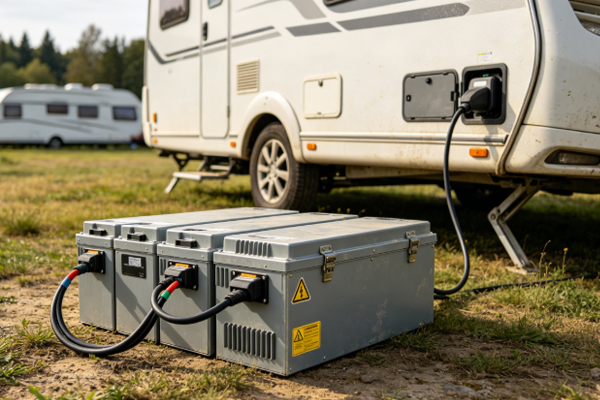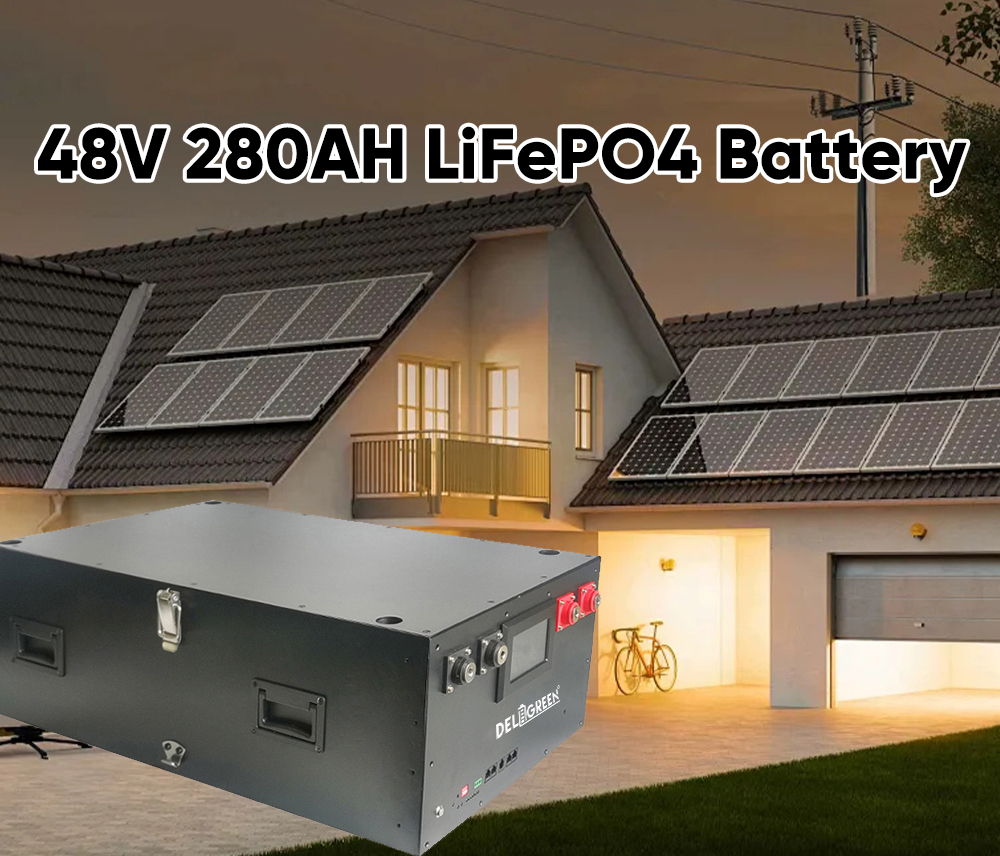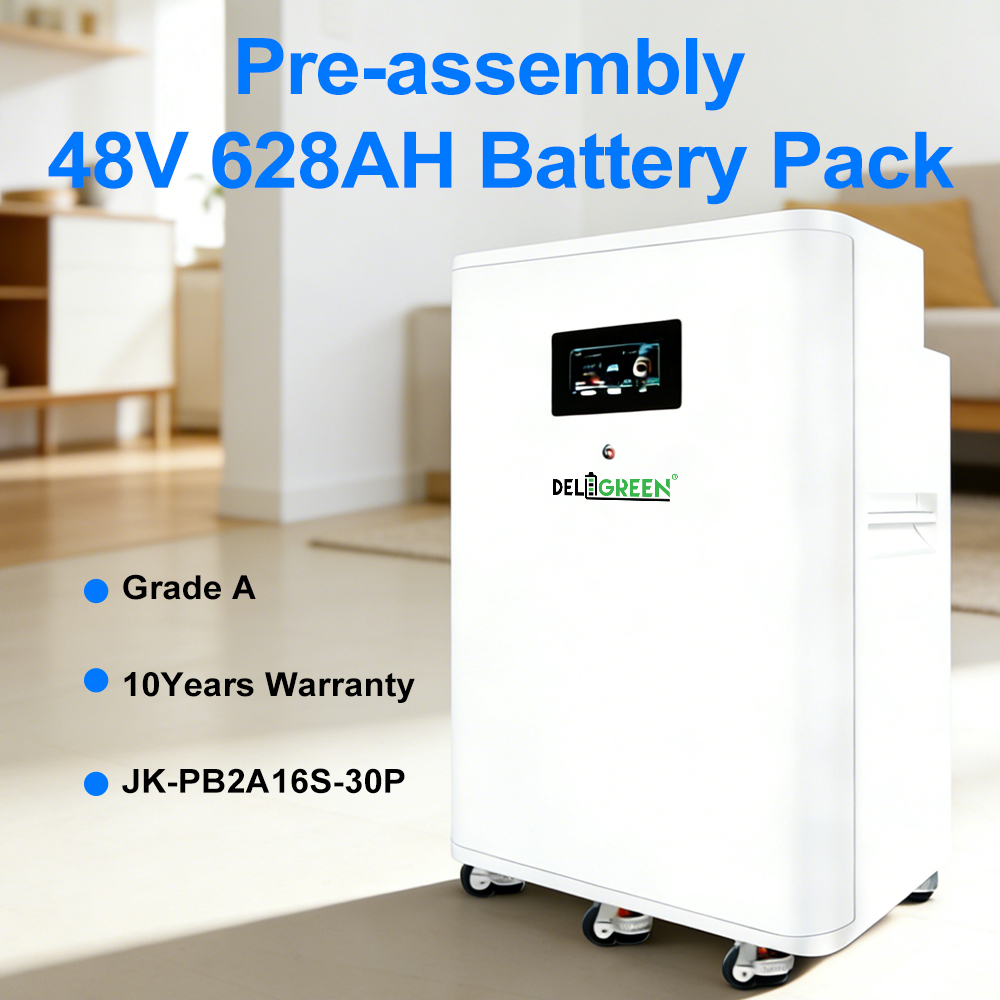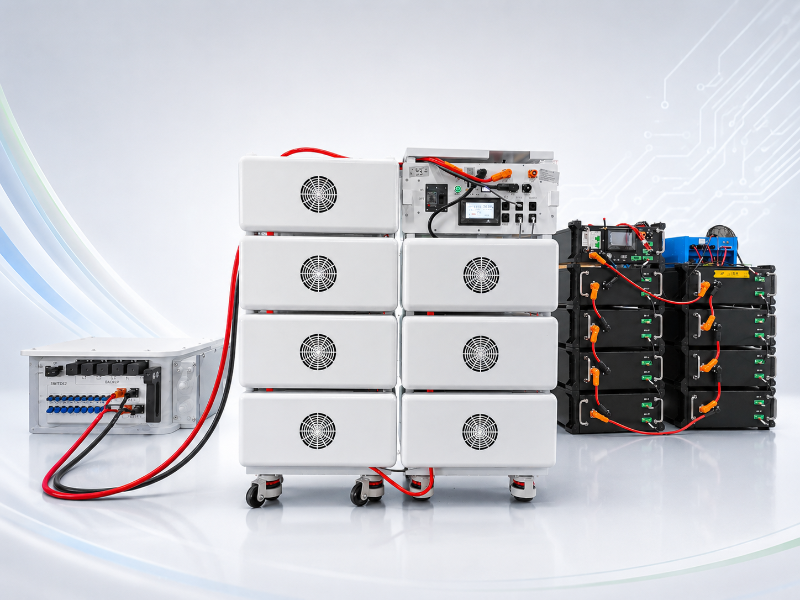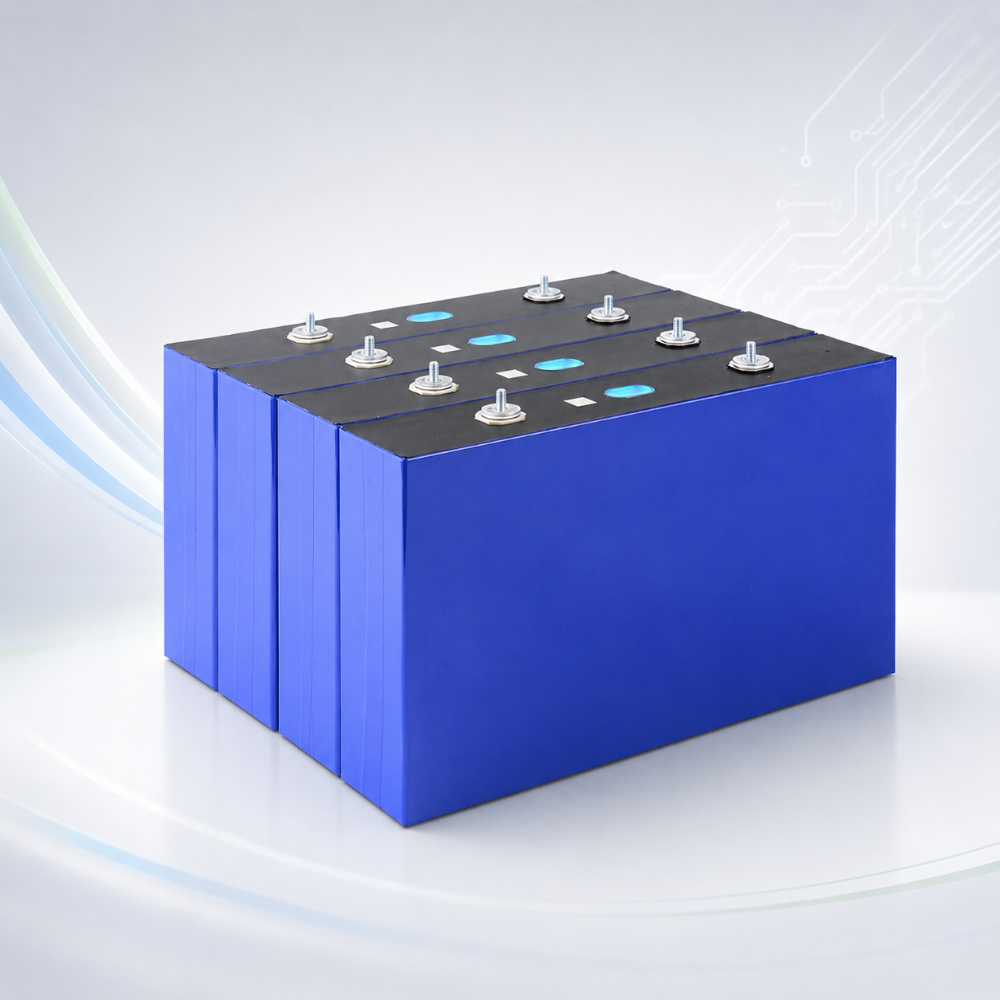
In many battery application scenarios, single cells and battery packs are often mentioned together, but their roles in practical use are not the same. A single cell is mainly used to provide basic energy storage capability, while a battery pack is formed by combining multiple cells according to the device’s requirements for voltage, capacity, and output performance, and is supplemented with connection structures and control modules to create an integrated system that can directly power equipment. Distinguishing between these two concepts helps achieve more accurate parameter matching during selection and improves the rationality of subsequent system design and application.
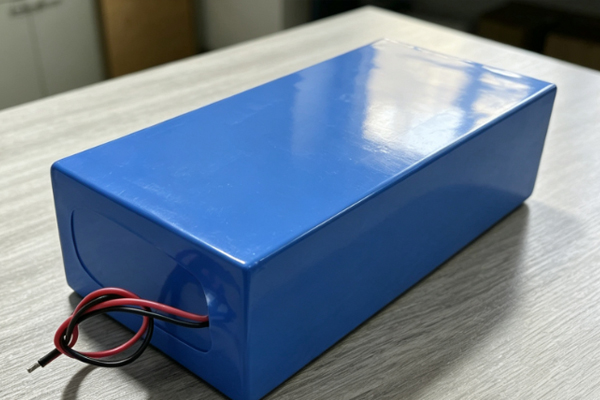
What Is the Structural Difference Between a Single Cell and a Battery Pack
The most intuitive difference lies in their internal composition, and structural differences also determine how they are used.
Single Cell Has an Independent Structure
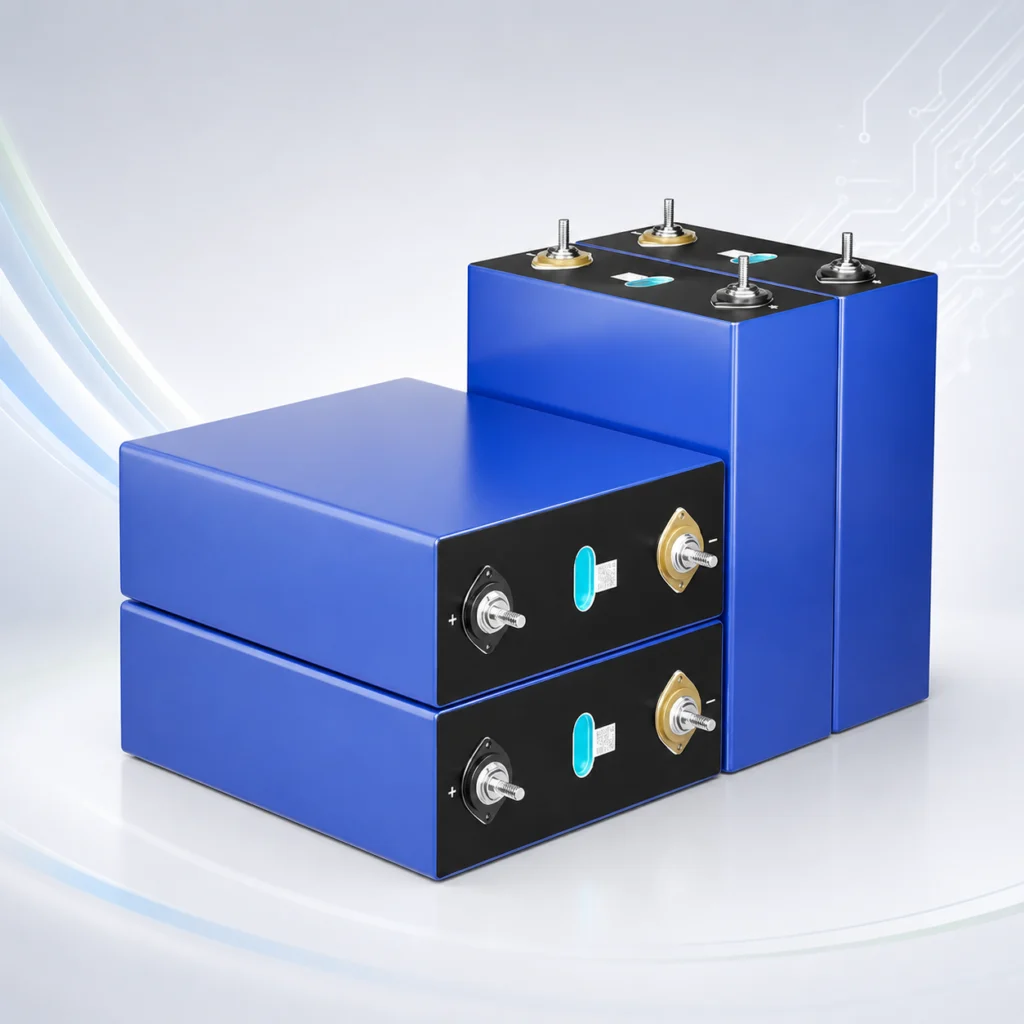
A single cell itself is a complete energy storage unit.
- It contains core materials such as the cathode, anode, separator, and electrolyte, which together determine energy density, cycle life, and safety performance.
- It can be charged and discharged independently without relying on other cells to complete energy conversion.
- Common forms include cylindrical, prismatic, and pouch cells, each with different characteristics in space utilization, heat dissipation, and application scenarios.
Single cells are mainly used for basic energy storage and release, with a stronger emphasis on performance stability and consistency.
Battery Pack Is Composed of Multiple Cells
A battery pack is a system-level combination based on single cells.
- Cells are connected in series to increase overall voltage and meet high-voltage device requirements.
- Cells are connected in parallel to increase capacity and output capability, improving runtime and discharge performance.
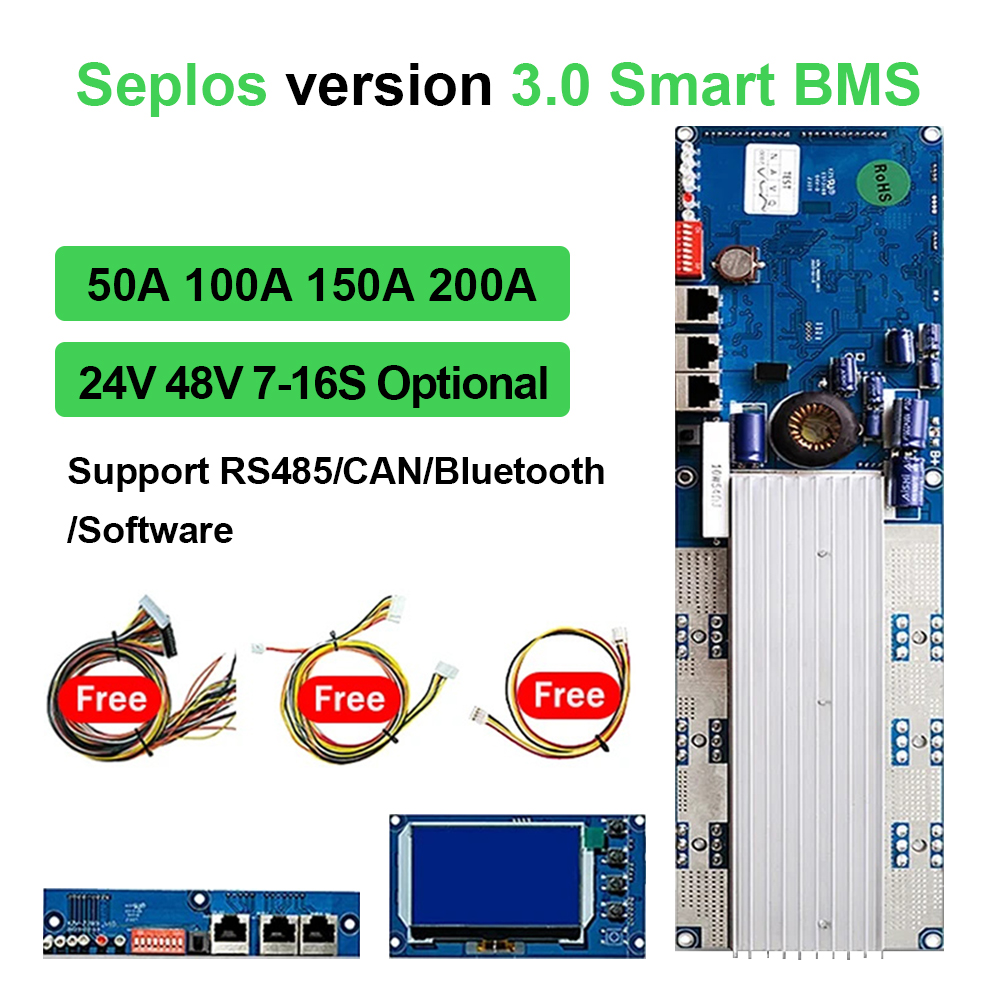
- Connection structures, protection devices, and a BMS are used to enable monitoring, protection, and balancing management.
A battery pack is a system-level energy solution that can be designed and matched according to device requirements.
What Are the Performance Differences Between a Battery Pack and a Single Cell
There are significant differences in voltage, capacity, and power output.
Different Output Voltage
A single cell has a fixed voltage, while devices often require higher operating voltages.
- Multiple cells are connected in series to increase overall voltage.
- The number of series-connected cells determines the rated voltage of the battery pack.
- Voltage mismatch may cause the device to fail to operate properly.
Battery packs achieve compatibility with different voltage platforms through combination design.
Different Capacity and Runtime
A single cell has limited capacity, while large devices usually require higher energy storage capability. Connecting cells in parallel increases total capacity, and the number of cells directly affects usable energy. Proper configuration can extend device operating time. Therefore, battery packs are more flexible in capacity expansion and are suitable for applications with high runtime requirements.
Different Power Output Capability
Power devices require high instantaneous current and continuous output capability.
- Single cells have limited output capability under high load.
- Multiple cells working together can share current and improve overall output performance.
- Battery packs must match the peak power demand of the device, otherwise protection or voltage drop may occur.
A well-designed battery pack can provide more stable power output.
What Are the Differences in Application and Management
Single cells are suitable for basic applications, while battery packs are used in complex systems.
Single Cell Applications Are More Flexible
They are commonly used in small devices such as portable electronics, small lighting equipment, and experimental setups. Their simple structure makes replacement and testing easier, offering advantages in maintenance cost and usability. In addition, these applications often require high energy density and compact size, favoring standardized cell formats. In some wearable or low-power scenarios, single cells also enable lighter overall designs.
Battery Packs Are Suitable for High-Power Devices
They are used in scenarios requiring higher voltage, capacity, and power.
- New energy vehicles rely on high-voltage battery packs for propulsion.
- Energy storage systems use cell combinations for energy storage and dispatch.
- Industrial equipment and power tools require stable high-power output.
- Drones and similar devices depend on high energy density designs.
Battery packs can be customized according to requirements, offering a wider range of applications.
Battery Packs Require Higher Management Standards
After multiple cells are combined, systematic management is required.
- A BMS is used to monitor voltage, current, and temperature.
- Balancing functions reduce differences between cell states.
- Protection mechanisms reduce risks such as overcharge, over-discharge, and abnormal current.
A well-designed management system helps improve long-term operational stability of the battery pack.
How to Choose Between a Single Cell and a Battery Pack Based on Actual Needs
Selection should consider voltage, capacity, power, and operating environment.
Small Low-Power Devices
For simple, low-power devices, single cells are more convenient.
- Easier to install and integrate when space is limited.
- Simple replacement and maintenance enable quick battery changes.
- Lower structural complexity helps reduce manufacturing costs.
These scenarios are more suitable for simple and easy-to-maintain single-cell power solutions.
High-Voltage and High-Capacity Devices
Large devices require stronger power supply capability.
- Series connection increases voltage to meet high-voltage operation requirements.
- Parallel connection increases capacity to improve runtime.
- Cell quantity and configuration can be adjusted for customized design based on power needs.
Battery packs offer stronger adaptability and can meet the power demands of complex devices.
Devices Requiring Long-Term Stable Operation
Such as electric vehicles and energy storage systems, which require higher safety and stability.
- Cell consistency must be ensured.
- A BMS is required for real-time monitoring and protection.
- Structural fixation, insulation, and thermal management must be strengthened.
Systematic design improves long-term operational safety and reliability.
A single cell is the basic energy storage unit of a battery system, while a battery pack is a complete power supply system composed of multiple single cells. They differ in structure, performance, application scope, and management methods, and should be selected according to device requirements. In applications such as new energy vehicles, energy storage systems, and industrial equipment, a well-designed battery pack can provide more stable and efficient energy support.