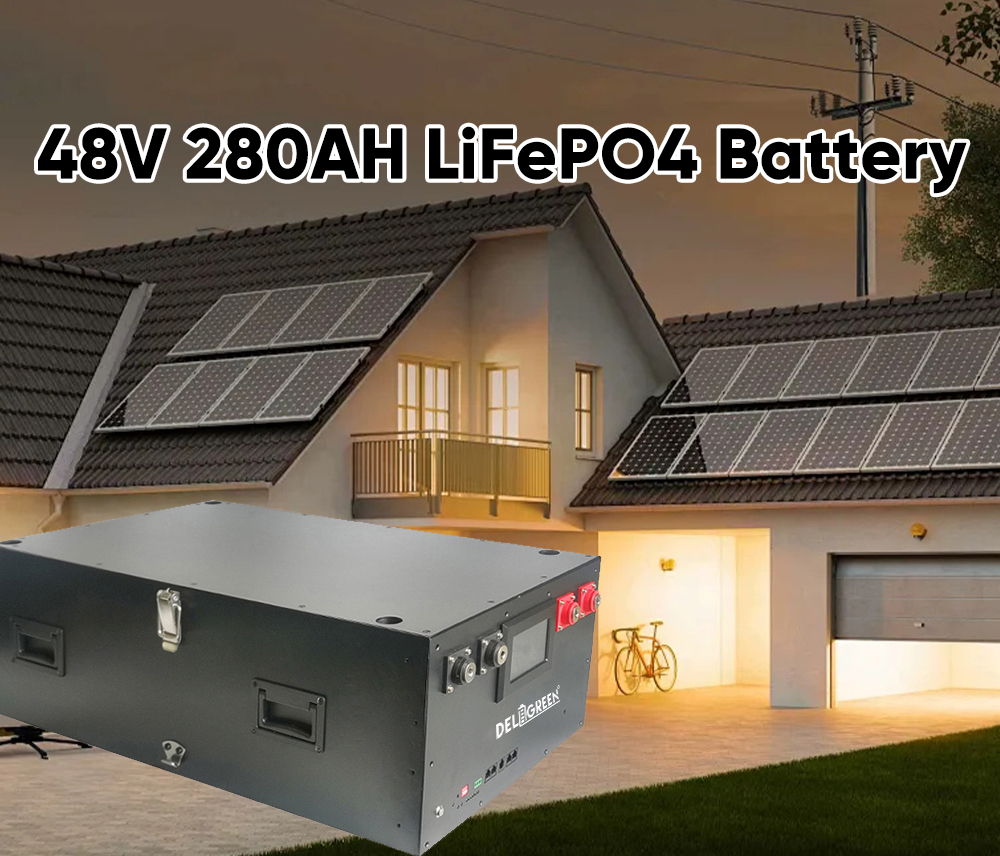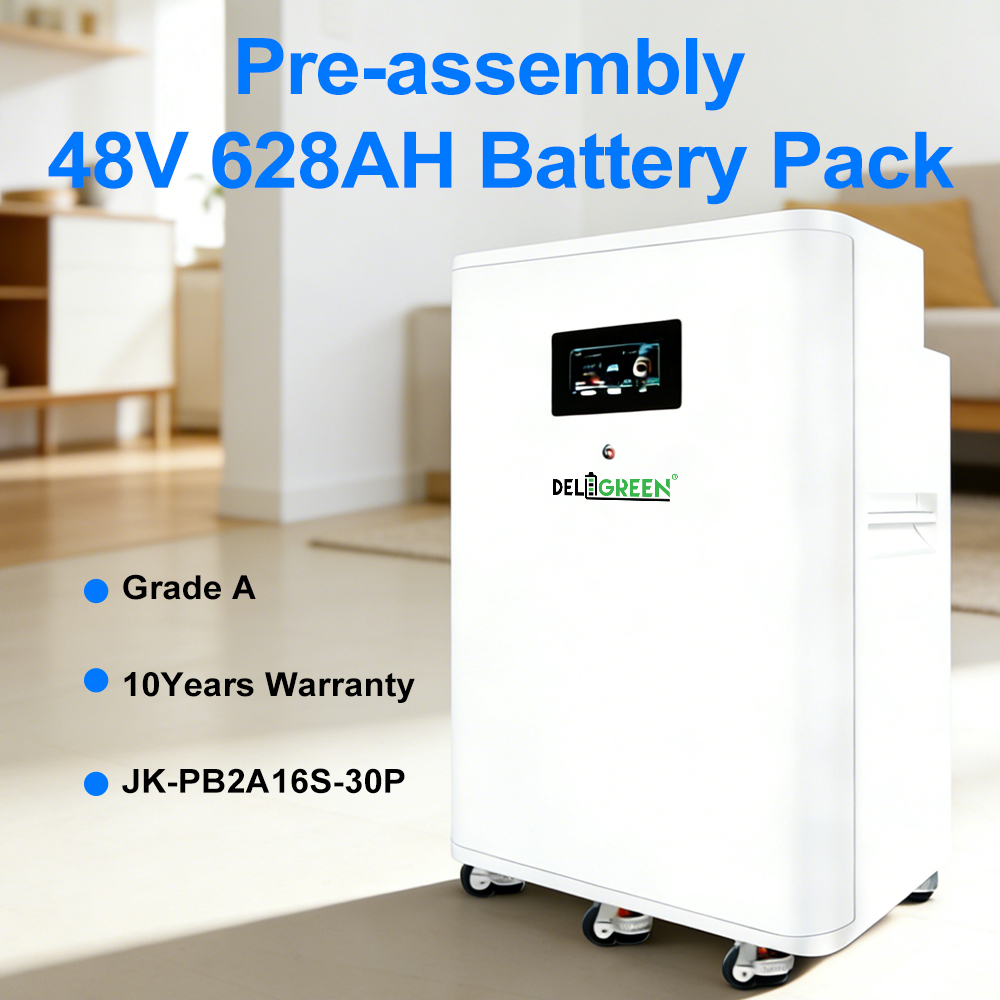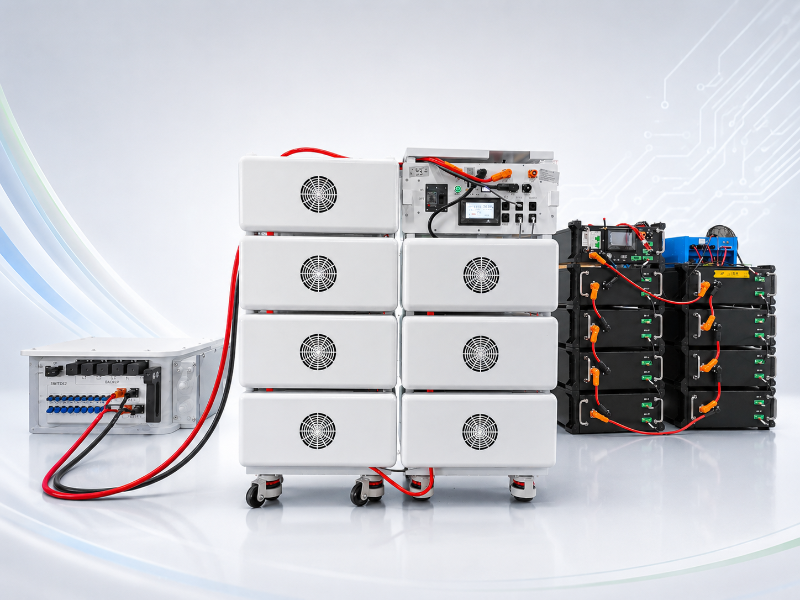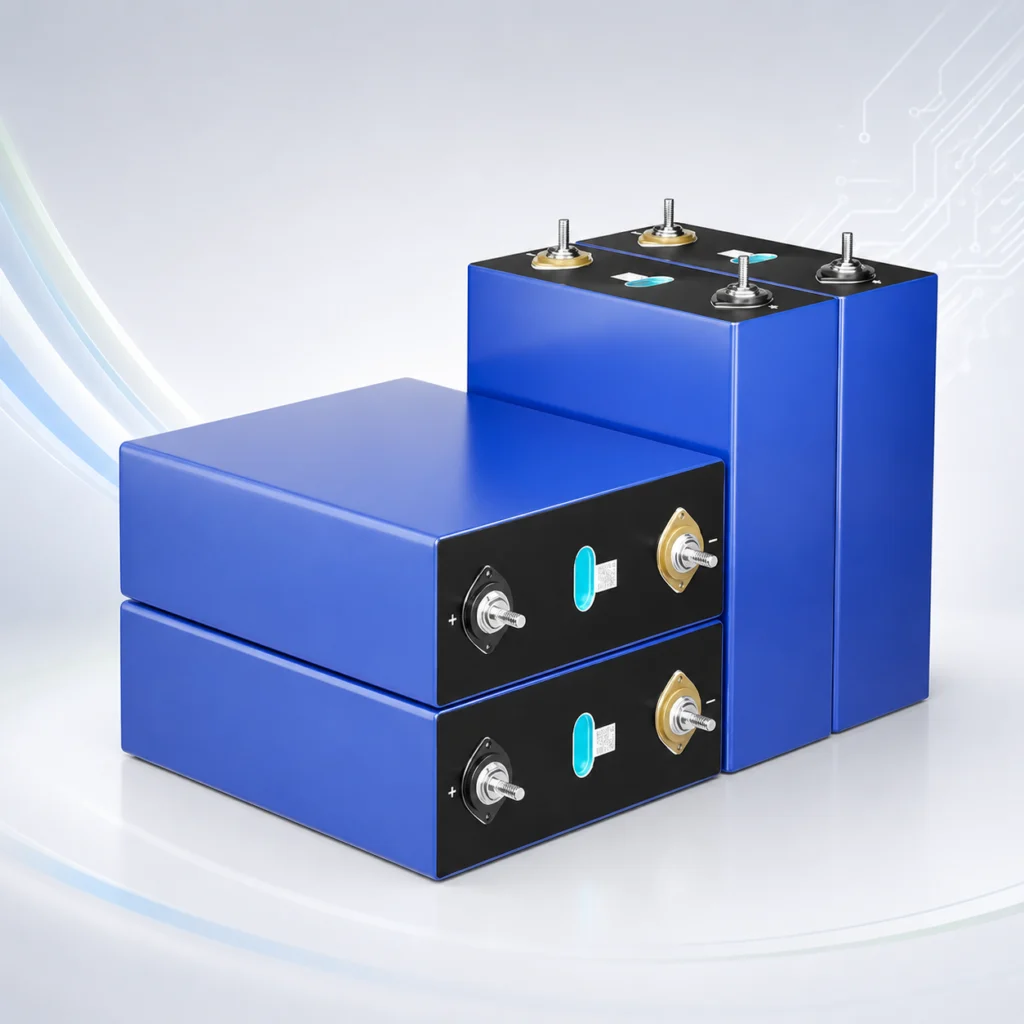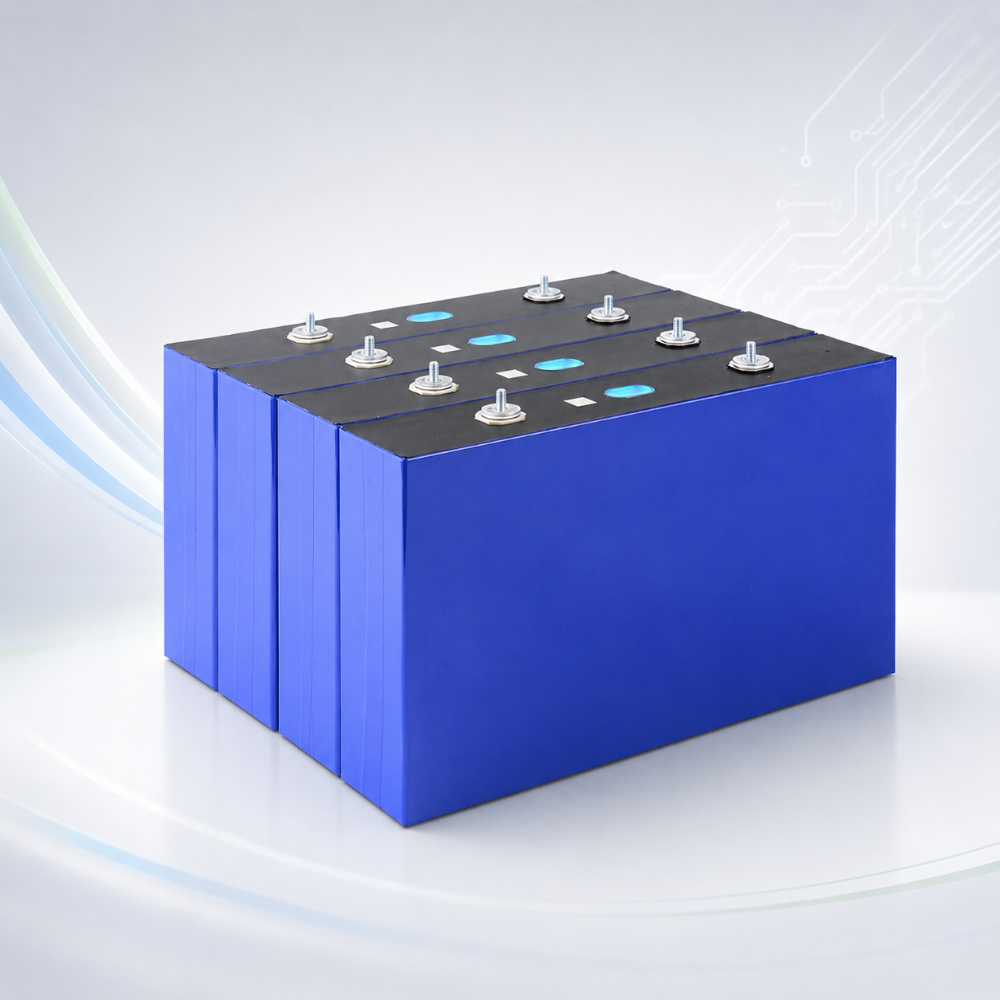
With the development of energy storage systems, RV power supplies, solar equipment, and industrial backup power systems, batteries have become an essential energy component in the operation of many devices. In the past, many users chose traditional lead-acid batteries mainly because of their lower initial purchase price. However, during long-term use, problems such as frequent replacement, maintenance requirements, and performance degradation increase the overall operating cost. Although deep cycle lithium batteries usually have a higher purchase price than traditional batteries, they offer a longer cycle life, higher charging and discharging efficiency, and lower maintenance requirements. During long-term operation, users can not only reduce the frequency of battery replacement but also lower equipment maintenance costs, energy losses, and labor management expenses.
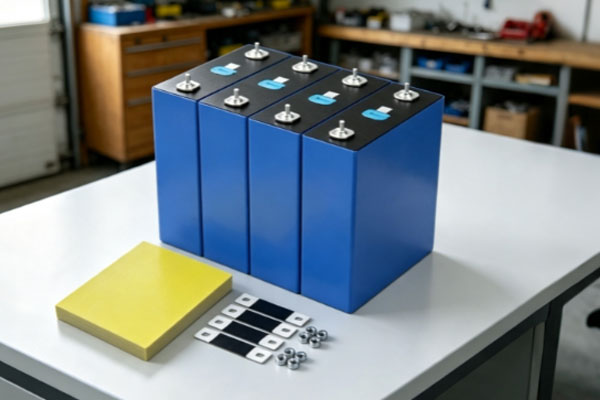
Where Are the Cost Differences Between Deep Cycle Lithium Batteries and Traditional Batteries?
Traditional batteries have relatively lower initial costs due to mature technology and lower production expenses. Deep cycle lithium batteries, on the other hand, use advanced cell technology and are equipped with intelligent management systems, so their purchase prices are usually higher. However, the actual cost of a battery does not only include the purchase price. It also includes replacement costs, maintenance expenses, and performance losses during long-term operation. Over time, these hidden costs gradually become more noticeable.
Differences in Initial Purchase Price
There is a significant price difference between deep cycle lithium batteries and traditional lead-acid batteries during the purchasing stage. Under the same capacity conditions, lithium batteries usually require a higher initial investment because they use high-performance battery cells and include a BMS protection system. Traditional batteries have lower prices, but their service life is relatively limited and they need to be replaced regularly according to equipment usage conditions.
- Lead-acid batteries have lower purchasing costs.
- Deep cycle lithium batteries require higher initial investment.
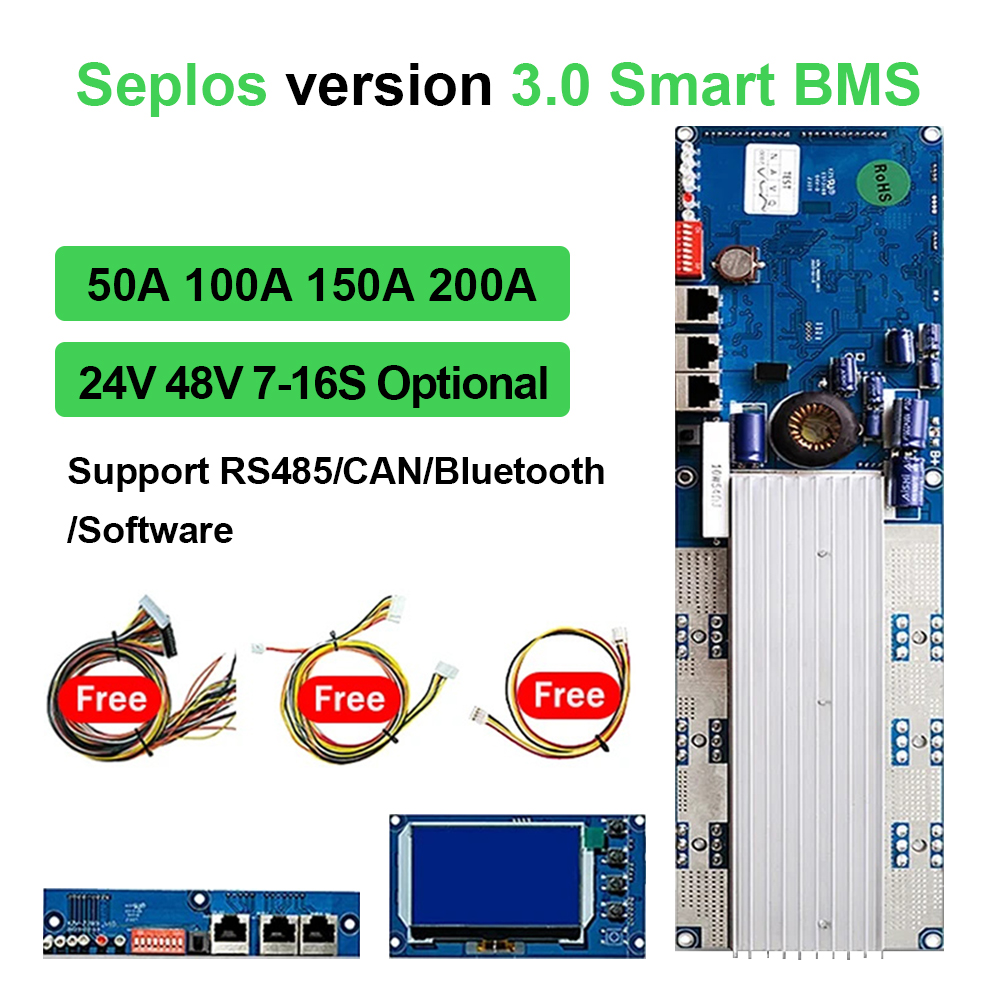
- Lithium batteries include intelligent management systems.
- Prices vary depending on battery capacity.
The Number of Replacements Affects Long-Term Costs
Battery service life is an important factor affecting total cost. During long-term cycling use, traditional batteries experience faster capacity degradation and may require frequent replacement. Although deep cycle lithium batteries have a higher purchase price, they can withstand more charge and discharge cycles, meaning fewer replacements are usually required during the same period of use.
- Reduce repeated purchasing expenses.
- Lower installation and replacement labor costs.
- Reduce equipment downtime.
- Improve long-term operating stability.
For example, solar energy storage equipment needs to charge and discharge every day. If batteries with shorter service lives are used, frequent replacement will be required. Deep cycle lithium batteries can support more cycles, gradually reducing long-term operating costs.
Maintenance Costs Affect Overall Investment
During operation, traditional batteries may require more maintenance work, such as checking electrolyte levels and maintaining connection conditions. Deep cycle lithium batteries usually adopt sealed structures and use BMS systems to automatically manage operating conditions. Although lithium batteries do not require completely maintenance-free operation, their daily management requirements are relatively simple.
- Reduce the frequency of manual inspections.
- Lower maintenance difficulty.
- Reduce additional maintenance expenses.
- Improve equipment operating efficiency.
What Costs Can Deep Cycle Lithium Batteries Save During Long-Term Use?
The cost advantages of deep cycle lithium batteries are mainly reflected during long-term operation. Although the initial investment is higher, their advantages in service life, efficiency, and maintenance gradually become more obvious as usage time increases. Users should calculate costs based on the actual application period rather than only comparing the initial purchase price.
Reduce Battery Replacement Costs
Battery replacement is one of the most noticeable expenses during long-term use. Traditional batteries have limited cycle life and require faster replacement in high-frequency usage environments. Deep cycle lithium batteries can withstand more charge and discharge cycles, thereby reducing replacement frequency.
- Lower long-term purchasing costs.
- Reduce replacement labor expenses.
- Reduce equipment downtime.
- Improve return on investment.
For example, if RV users replace traditional batteries every few years, they need to purchase new batteries and reinstall them repeatedly. Using deep cycle lithium batteries with longer service life can reduce these repeated expenses.
Improve Energy Utilization Efficiency
In addition to the battery price itself, charging and discharging efficiency also affects operating costs. Deep cycle lithium batteries generally have higher energy conversion efficiency, which can reduce energy loss during charging. This is especially important for solar energy storage systems because every unit of stored electricity affects overall energy utilization efficiency.
- Reduce charging losses.
- Improve electricity utilization efficiency.
- Extend equipment operating time.
- Reduce energy waste.
For example, if a solar system generates a fixed amount of electricity every day, a battery with higher storage efficiency can preserve more usable energy and reduce the need for additional power supply.
Reduce Maintenance and Management Costs
For individual users, maintenance costs may not be very noticeable. However, for enterprises, factories, and large-scale energy storage projects, maintenance work can generate significant labor expenses. Deep cycle lithium batteries use intelligent management systems, which can reduce the need for frequent manual inspections.
- Automatically monitor battery status.
- Reduce manual maintenance requirements.
- Improve management efficiency.
- Lower long-term operating costs.
If an enterprise installs a large number of backup power systems, manually checking the condition of traditional batteries every day can increase management pressure. Intelligent lithium battery systems can reduce the amount of maintenance work required.
Which Applications Can Save More Costs by Using Deep Cycle Lithium Batteries?
Different devices have different battery usage patterns, so the cost advantages provided by deep cycle lithium batteries also vary. In equipment that requires frequent charging and discharging and long-term operation, lithium batteries usually demonstrate greater economic value. If a device is only used occasionally, traditional batteries may still have a price advantage.
Solar Energy Storage Systems
Solar energy storage systems experience charging and discharging cycles every day, which means they have high requirements for battery cycle performance. Traditional batteries may experience faster capacity degradation in long-term cycling environments, while deep cycle lithium batteries can better adapt to this type of usage.
- Suitable for long-term energy storage
- Reduce battery replacement frequency
- Improve solar energy utilization efficiency
- Lower operating costs
For example, after installing deep cycle lithium batteries in a household solar energy storage system, users can store electricity generated during the day and continue using it at night, improving overall energy utilization efficiency.
RVs and Outdoor Equipment
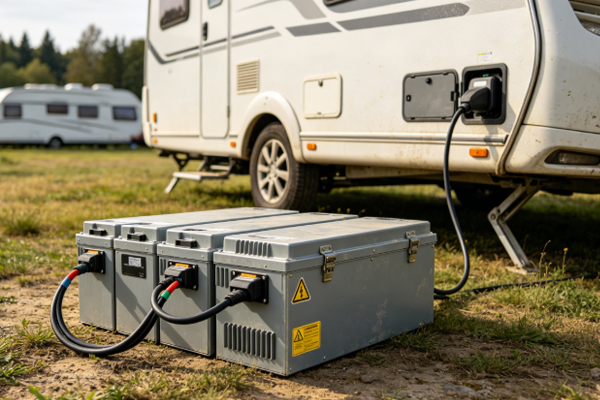
RVs, camping equipment, and portable power supplies usually require frequent charging and discharging, while also having requirements for battery weight and available space. Deep cycle lithium batteries are lighter and offer higher capacity utilization, which can reduce equipment burden.
- Reduce vehicle weight.
- Provide longer power supply time.
- Reduce replacement frequency.
- Improve user experience.
For example, during RV travel, traditional batteries may require users to carry more batteries to meet electricity needs. Deep cycle lithium batteries can provide more energy in a smaller installation space.
Industrial Backup Power Systems
Industrial equipment has high requirements for stable power supply. If batteries frequently fail, not only will replacement costs increase, but production operations may also be affected. Deep cycle lithium batteries offer better stability and can reduce long-term operating risks.
- Improve equipment stability.
- Reduce losses caused by downtime.
- Lower maintenance pressure.
- Extend system service life.
For example, communication base stations, automated equipment, and monitoring systems can use deep cycle lithium batteries to obtain more stable backup energy support.
Frequently Asked Questions
Is the purchase price of deep cycle lithium batteries higher than traditional batteries?
Answer: Usually yes, because lithium batteries use high-performance battery cells and intelligent management systems. However, during long-term use, fewer replacements can reduce overall costs.
How much cost can deep cycle lithium batteries save?
Answer: The specific savings depend on the application environment, battery capacity, and usage period. In high-frequency cycling applications, the long-term cost advantages are more significant.
Are deep cycle lithium batteries suitable for household energy storage?
Answer: Yes. Household energy storage systems require daily charging and discharging, and deep cycle lithium batteries can reduce maintenance requirements and replacement frequency.
Do traditional batteries have no advantages at all?
Answer: No. Traditional batteries have lower initial purchase prices and are suitable for applications with limited budgets or low usage frequency.
Compared with traditional batteries, the biggest advantage of deep cycle lithium batteries is not a lower purchase price, but the ability to reduce overall costs during long-term use. Although the initial investment is higher, their longer cycle life, higher energy utilization efficiency, and lower maintenance requirements can reduce later expenses. For applications such as solar energy storage, RVs, electric vehicles, and industrial backup power systems that require frequent charging and discharging, deep cycle lithium batteries can usually provide more obvious cost advantages.
When selecting batteries, users should not only focus on the initial purchase price but also consider the total cost throughout the entire service cycle, including replacement frequency, maintenance expenses, energy losses, and equipment stability. Choosing the right battery type according to actual requirements can help users reduce long-term investment and improve equipment operating efficiency. Through longer service life and more stable performance, deep cycle lithium batteries provide a more economical and reliable energy solution for many long-term power supply applications.