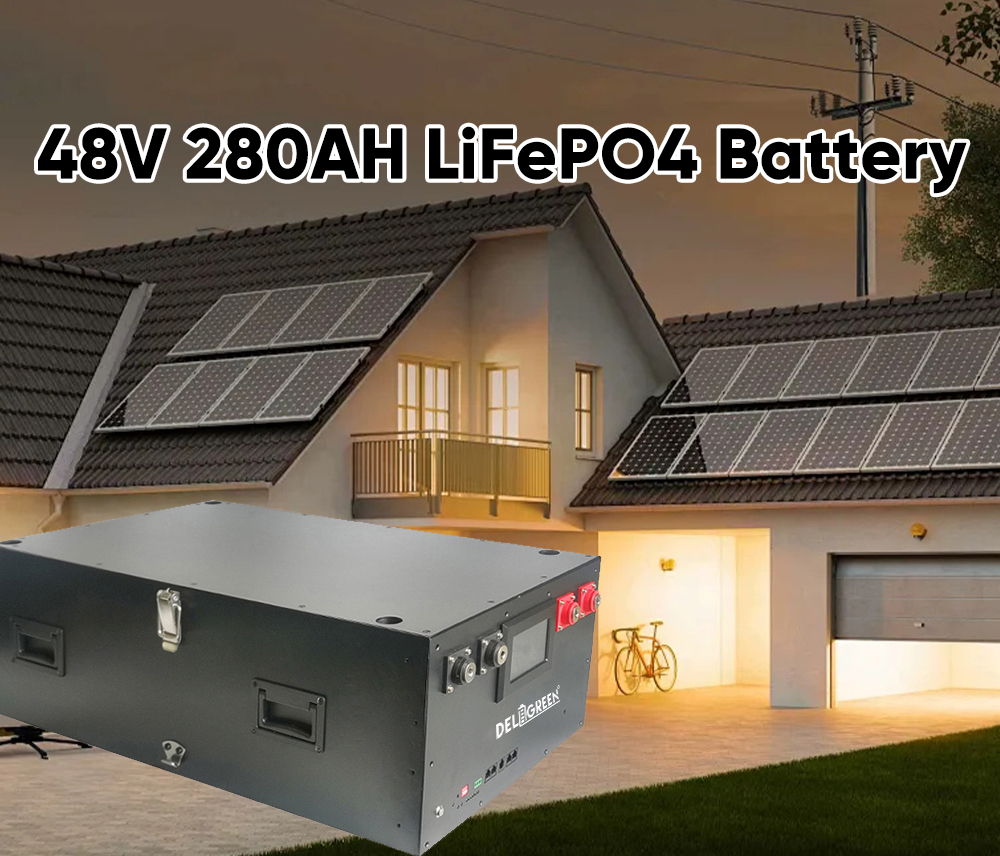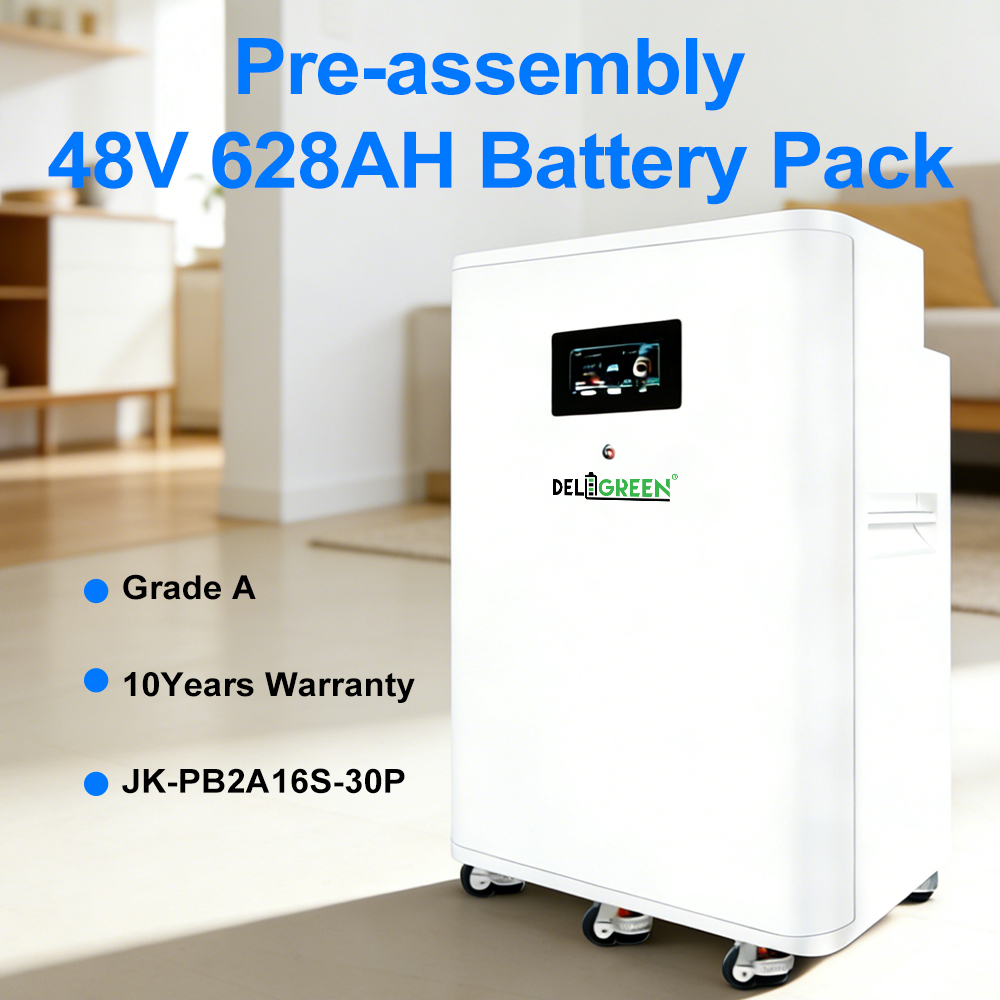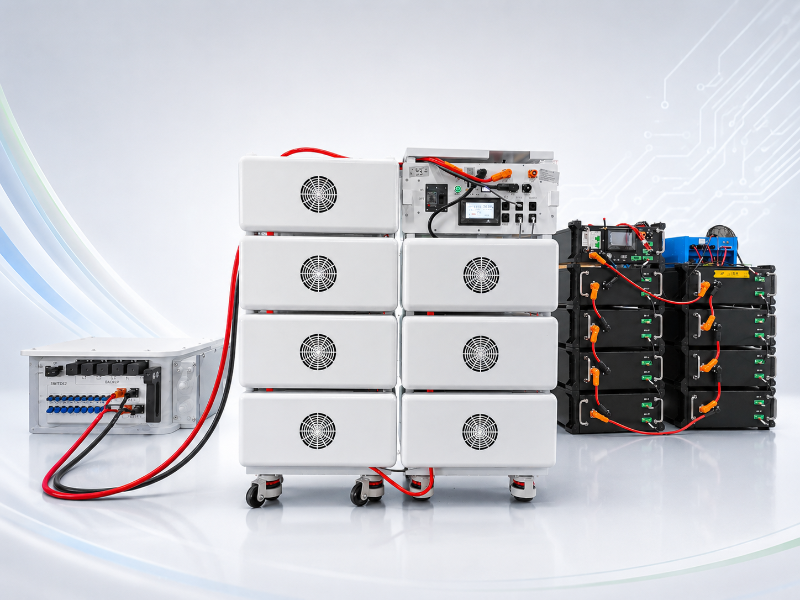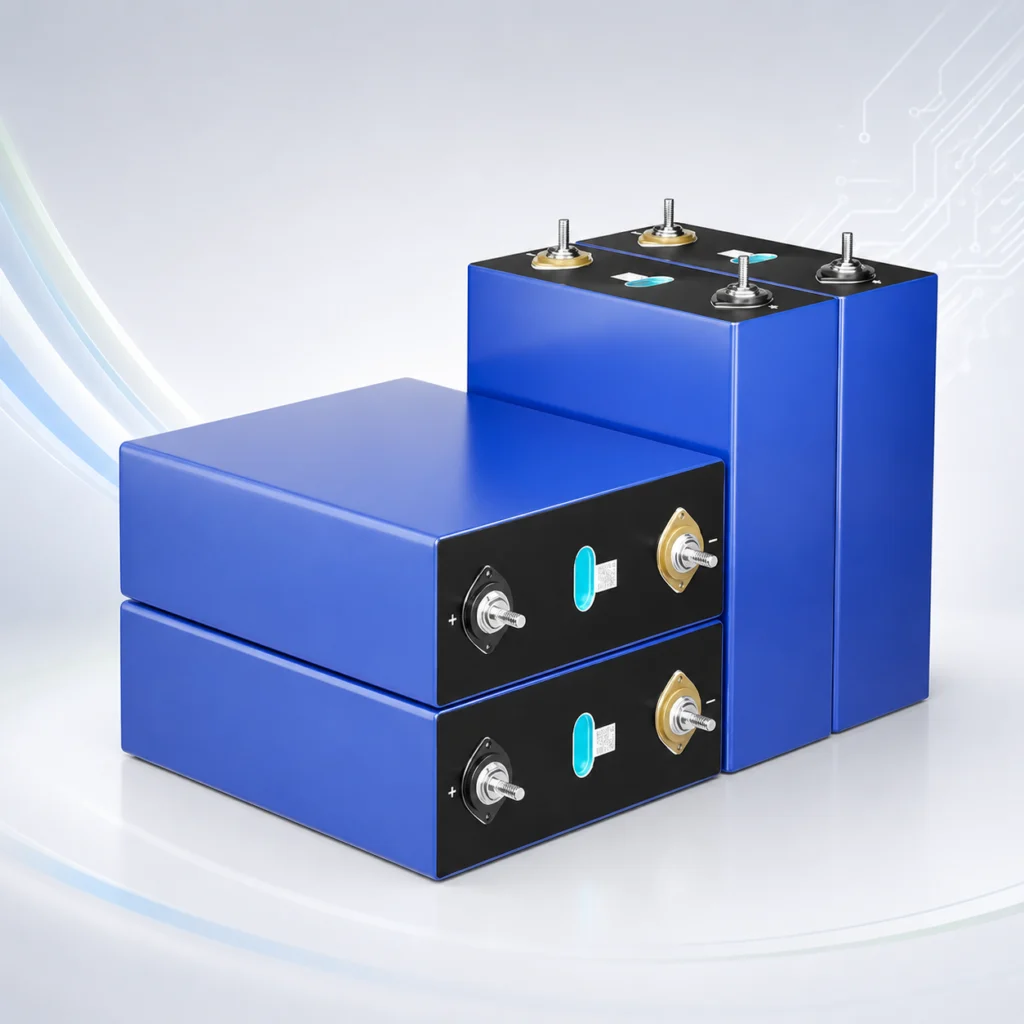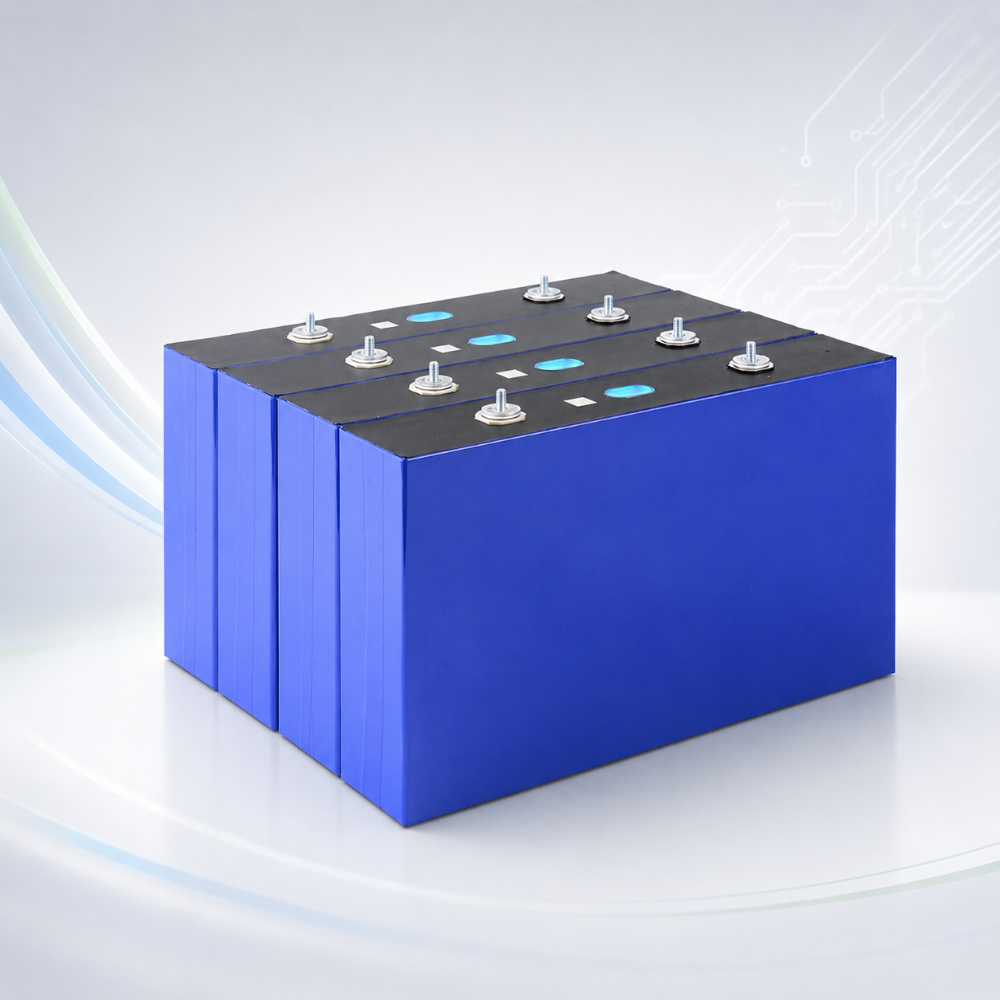
When choosing a battery, many users struggle with one question: Which one is better, a LiFePO4 battery or a lead-acid battery? Both types of batteries are widely used in energy storage systems, RVs, electric vehicles, backup power supplies, and other applications. Lead-acid batteries have been popular for many years because of their affordable price and mature technology, while LiFePO4 batteries are becoming increasingly popular due to their longer lifespan, stable performance, and better efficiency. Different applications have different requirements, and the right choice depends on factors such as equipment usage, battery voltage, and operating frequency.
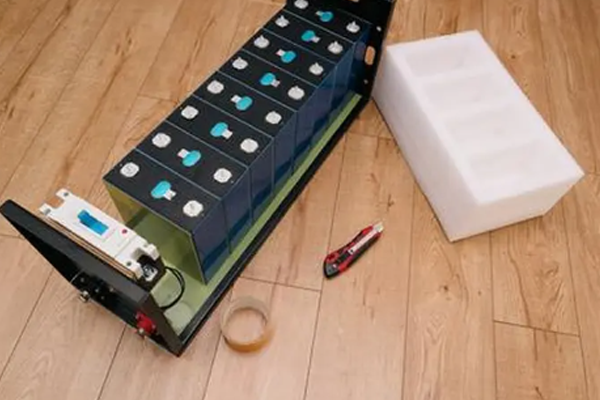
What Are the Differences Between LiFePO4 Batteries and Lead-Acid Batteries?
Although both LiFePO4 batteries and lead-acid batteries store electrical energy, they are quite different in terms of materials, structure, and performance. Lead-acid batteries have been used for a long time and offer cost advantages, while LiFePO4 batteries are a newer lithium battery technology with better performance in areas such as weight, lifespan, and charging efficiency.
- The battery materials are completely different.
- Weight and size are different.
- Charging and discharging efficiency varies.
- Service life can be significantly different.
Lead-acid batteries use lead plates and electrolyte to store energy, while LiFePO4 batteries use lithium iron phosphate materials, which provide a more stable structure. Under the same capacity requirement, LiFePO4 batteries are usually lighter and take up less space, making them more convenient for RVs, mobile equipment, and applications with limited installation space.
What Advantages Do LiFePO4 Batteries Have Compared with Lead-Acid Batteries?
Many users switch from lead-acid batteries to LiFePO4 batteries because they want better long-term performance. Although LiFePO4 batteries usually have a higher initial purchase cost, their advantages in lifespan and efficiency become more noticeable during frequent use.
- More charging cycles and longer service life.
- Faster charging speed.
- More stable voltage output.
- Lighter weight and easier installation.
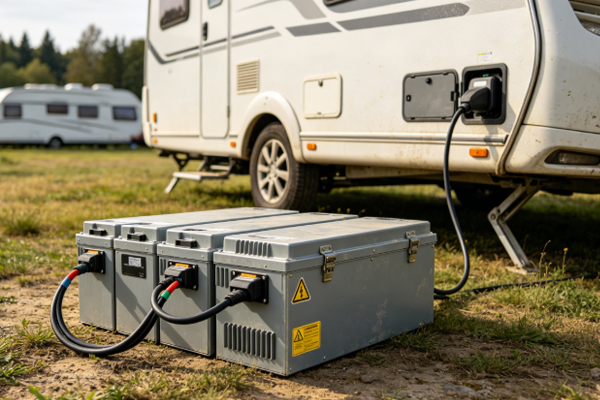
LiFePO4 batteries are especially suitable for equipment that requires frequent charging and discharging. Applications such as solar energy storage systems, RV power supplies, and outdoor power stations often use batteries every day, requiring stable output performance. Compared with lead-acid batteries, LiFePO4 batteries usually maintain better performance over long-term cycling.
Why Are Lead-Acid Batteries Still Widely Used?
Although LiFePO4 batteries are developing rapidly, lead-acid batteries still have their own advantages. For users who do not use batteries frequently or have a limited budget, lead-acid batteries remain a practical option. They have mature technology, wide availability, and convenient replacement options.
- Lower purchase cost.
- Mature technology and supply chain.
- Easy maintenance and replacement.
Some backup power systems, low-frequency applications, and traditional vehicles still use lead-acid batteries. Their biggest advantage is affordability and lower upfront investment. However, lead-acid batteries are usually heavier, and their performance may decline more noticeably after frequent charging and discharging over a long period.
How to Choose the Right Battery Based on Usage Requirements?
Choosing between a LiFePO4 battery and a lead-acid battery mainly depends on the actual needs of the equipment. Different devices require different battery voltage levels, including common 12V, 24V, and 48V systems. Besides voltage, factors such as capacity, operating time, and working environment also affect the final choice.
- High-frequency applications are more suitable for LiFePO4 batteries.
- Lead-acid batteries can be considered when cost is the main concern.
- Mobile equipment should consider battery weight.
- Long-term energy storage should focus on cycle life.
If the equipment needs to operate for long periods or requires frequent charging and discharging, LiFePO4 batteries usually provide a better user experience. If the battery is only used occasionally and cost is a major consideration, lead-acid batteries can still be a suitable choice. During selection, users should also check whether the battery voltage matches the equipment to ensure normal operation.
Both LiFePO4 batteries and lead-acid batteries have their own advantages and suitable applications. Lead-acid batteries offer lower prices and are suitable for basic power needs, while LiFePO4 batteries provide longer cycle life, more stable voltage performance, and better long-term reliability. As energy storage and renewable energy applications continue to grow, LiFePO4 batteries are becoming a popular choice for more users. Selecting a battery based on equipment requirements, battery voltage, and actual usage conditions can help achieve better performance.