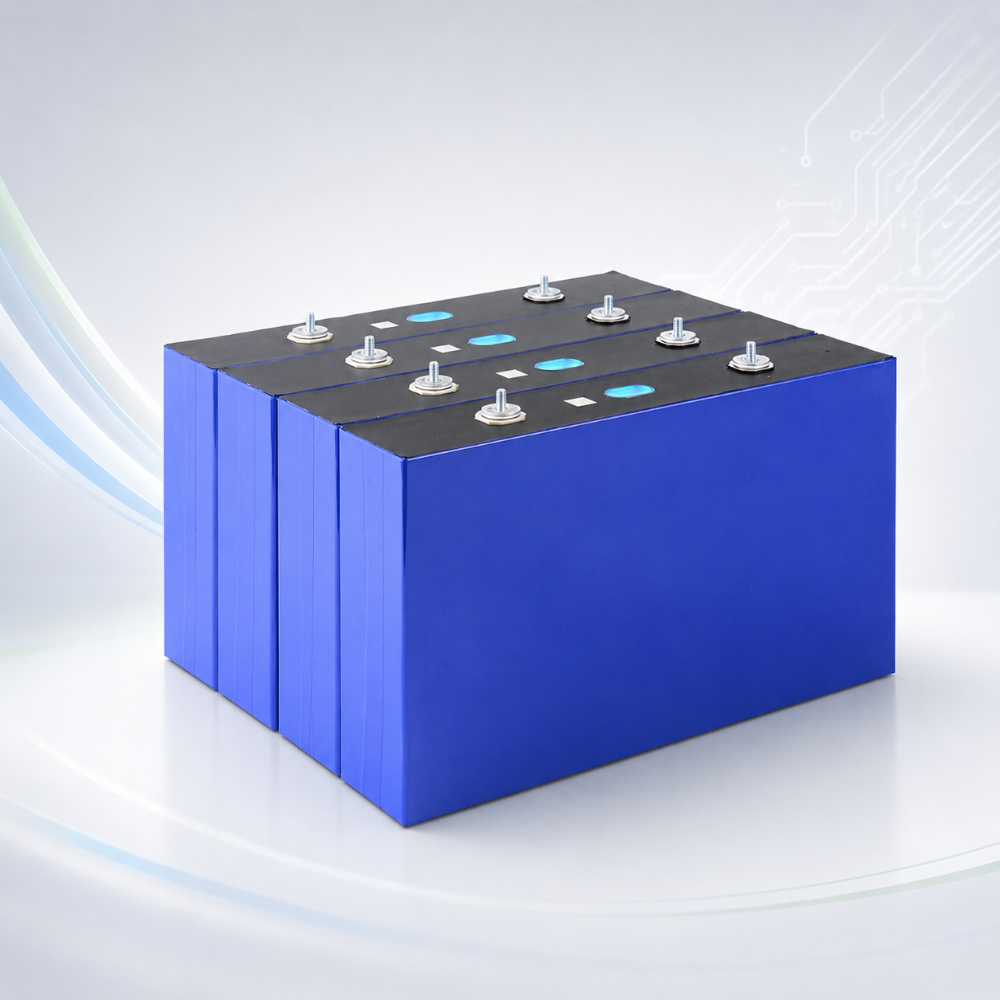
When purchasing a battery, safety is one of the biggest concerns for many users. As lithium batteries become more widely used in RVs, energy storage systems, electric vehicles, and other applications, people often worry about whether batteries are stable and reliable during long-term use. LiFePO4 batteries have gained increasing attention in recent years, not only because of their long service life but also because of their strong safety performance. Compared with some other lithium battery types, LiFePO4 batteries offer better stability in terms of material structure, charging and discharging performance, and long-term operation. Different battery voltage options are also available for various applications, meeting the needs of home energy storage, industrial equipment, and outdoor power systems.
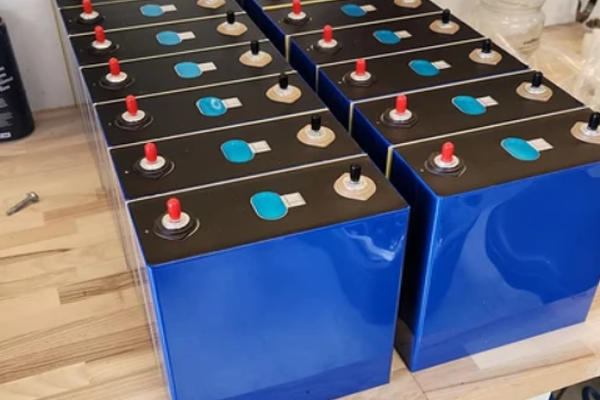
Why Are LiFePO4 Batteries Considered Safer?
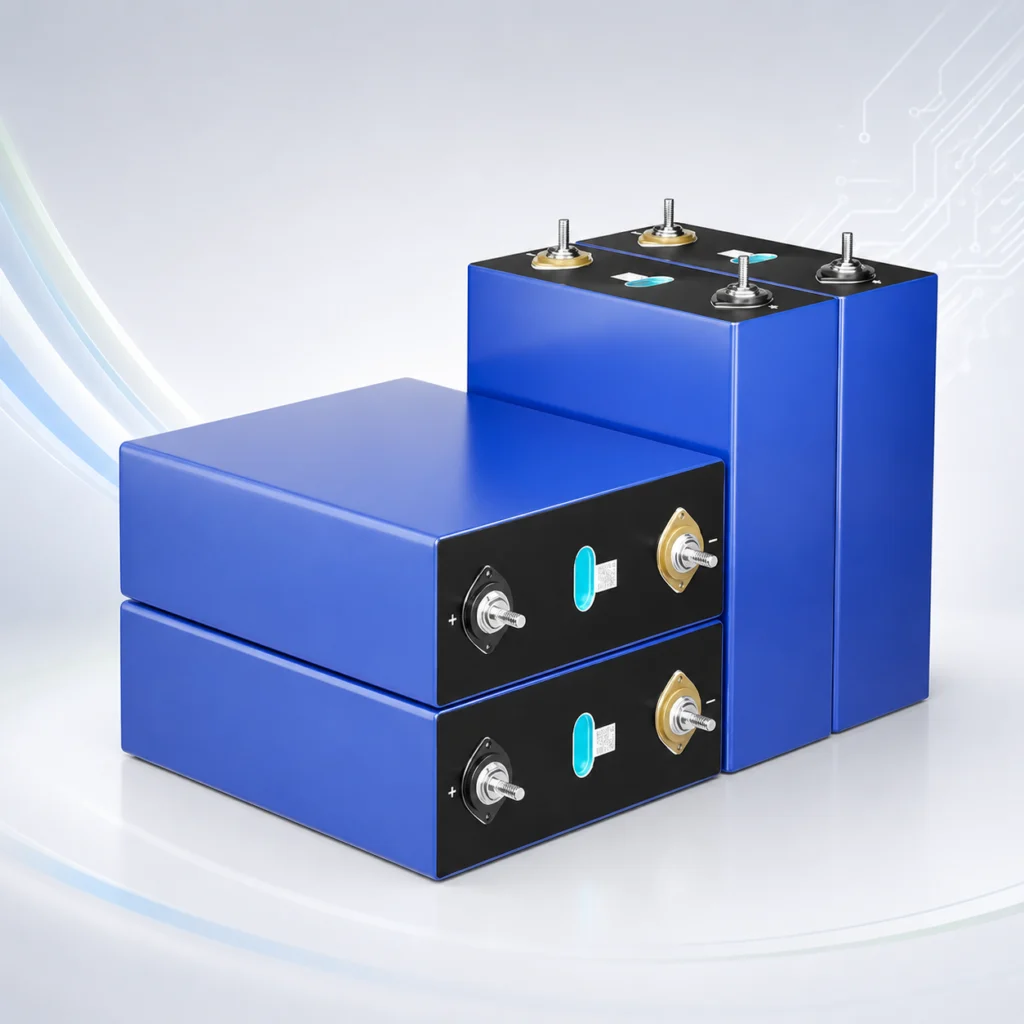
The safety advantage of LiFePO4 batteries is closely related to their battery material. During operation, batteries need to go through continuous charging and discharging cycles. If the material stability is insufficient, battery performance may decline over time. The structure of lithium iron phosphate material is relatively stable, allowing it to perform reliably under conditions such as high temperatures and frequent cycling.
- The battery material structure is more stable.
- It performs well in high-temperature environments.
- The charging and discharging process is more stable.
- Daily use risks are relatively lower.
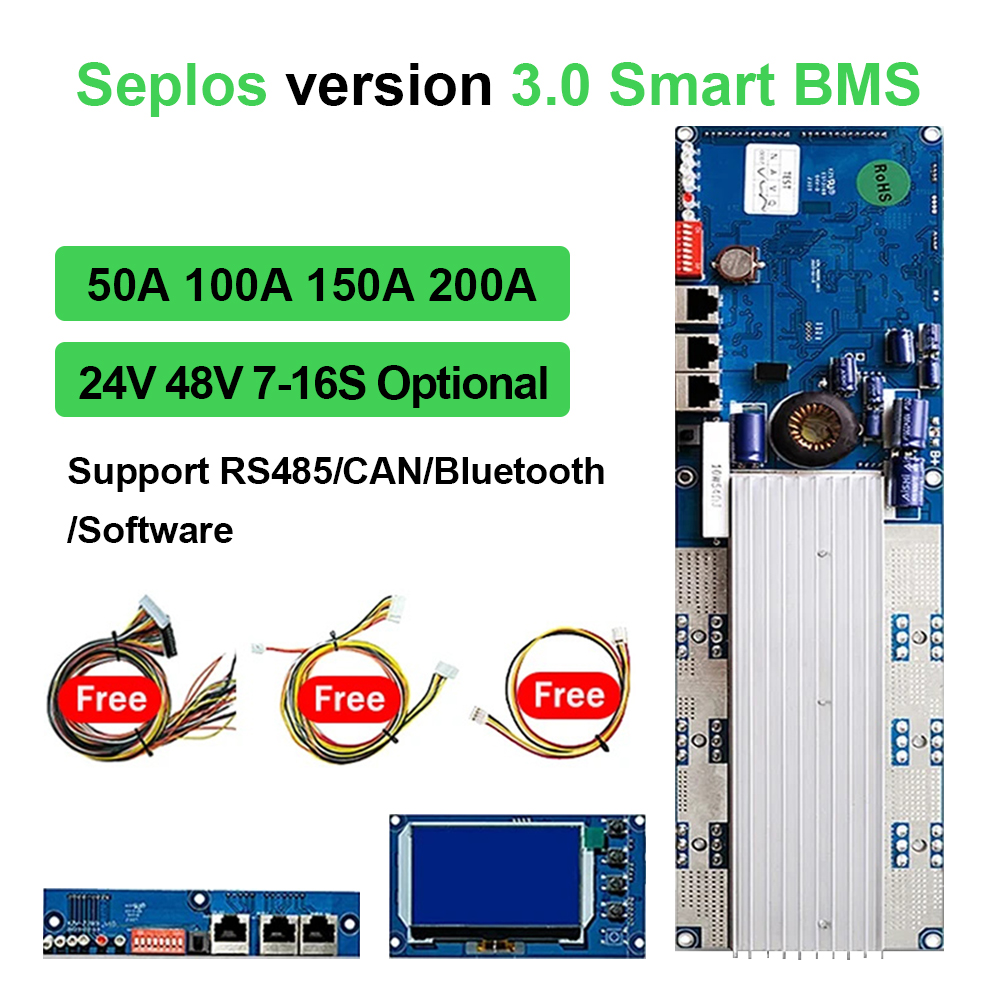
Many battery safety concerns are related to overcharging, short circuits, and excessive temperatures. LiFePO4 batteries already have a stable material foundation, and when combined with a Battery Management System (BMS), the overall safety performance can be further improved. A high-quality battery system can monitor voltage, current, and temperature to help maintain safer and more stable operation.
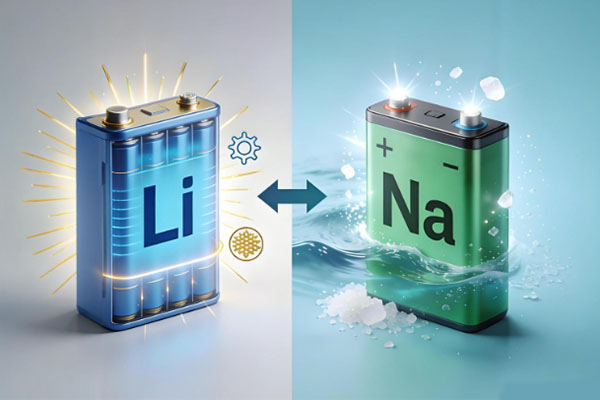
What Are the Differences Between LiFePO4 Batteries and Other Lithium Batteries?
Different lithium battery types have their own characteristics. LiFePO4 batteries do not focus only on higher energy density but instead provide a better balance between safety, lifespan, and stability. This makes them a popular choice for applications that require long-term and reliable operation.
- Longer cycle life.
- More stable performance during long-term use.
- Better suited for frequent charging and discharging.
For energy storage systems and RV power solutions, batteries often need to charge and discharge every day. If the battery has poor cycle performance, its capacity may decrease after a period of use. LiFePO4 batteries provide excellent cycle durability, reducing the need for frequent battery replacement and making them suitable for applications that require continuous power supply.
What Should You Pay Attention to When Using LiFePO4 Batteries?
Although LiFePO4 batteries have good safety performance, proper usage is still important. Maintaining good battery performance depends not only on the battery itself but also on installation methods, charging equipment, and operating conditions. Choosing the right battery specifications based on equipment requirements is essential.
- Choose the correct battery voltage.
- Use a compatible charger.
- Avoid long-term overcharging or over-discharging.
- Pay attention to installation temperature conditions.
Different devices require different battery voltage levels, including common 12V, 24V, and 48V LiFePO4 batteries. If a device requires a 12V system but uses an unsuitable higher-voltage battery, it may affect normal operation. In addition, long-term exposure to high temperatures or humid environments can also influence battery lifespan. Proper charging habits and suitable installation conditions help keep the battery in better working condition.
What Applications Are LiFePO4 Batteries Suitable For?
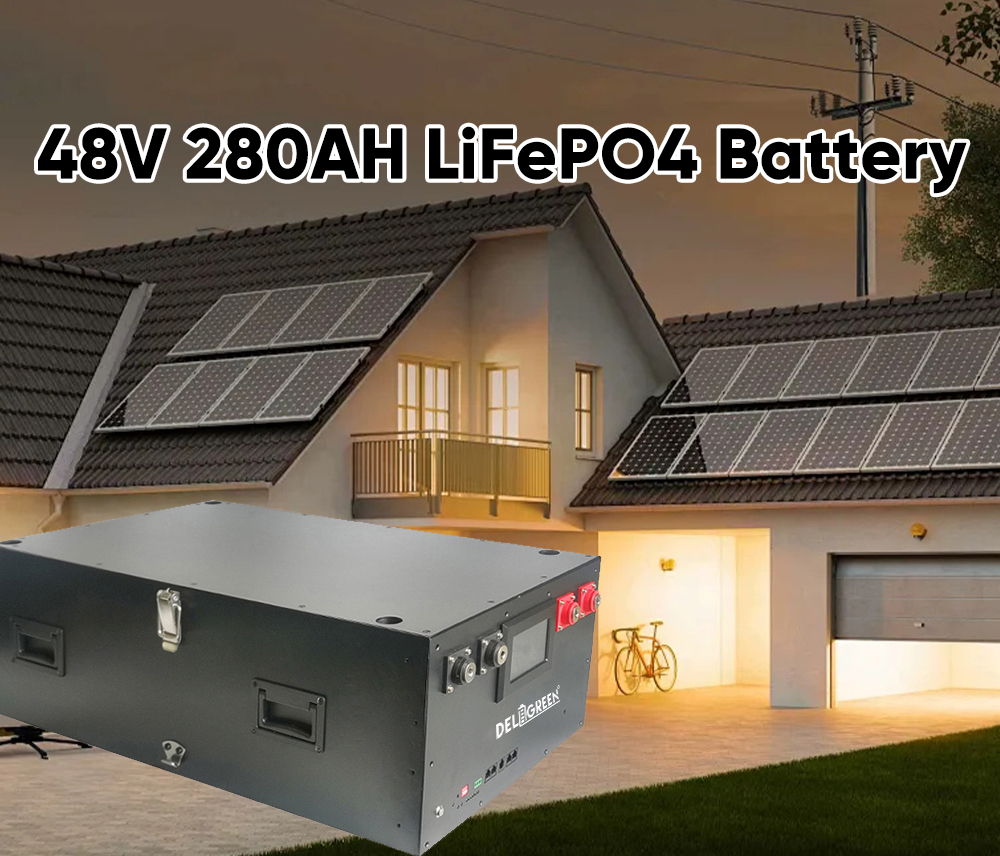
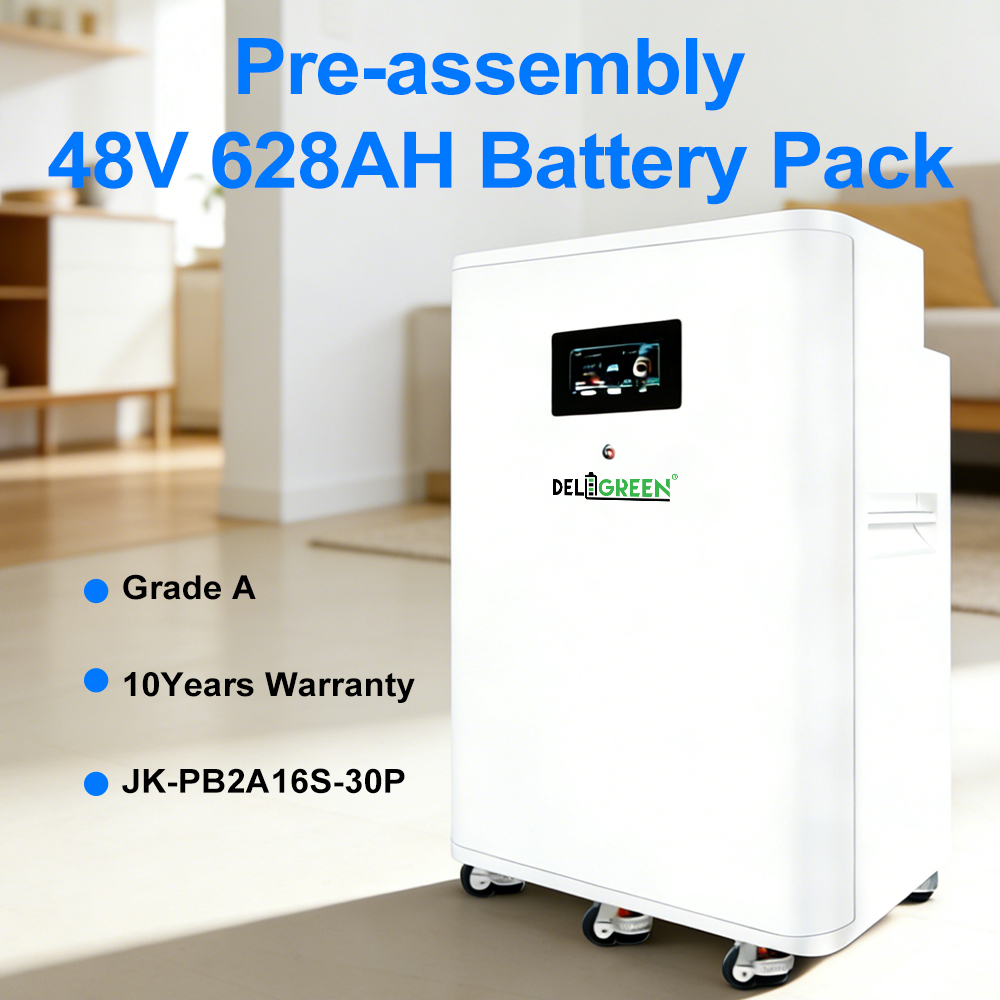
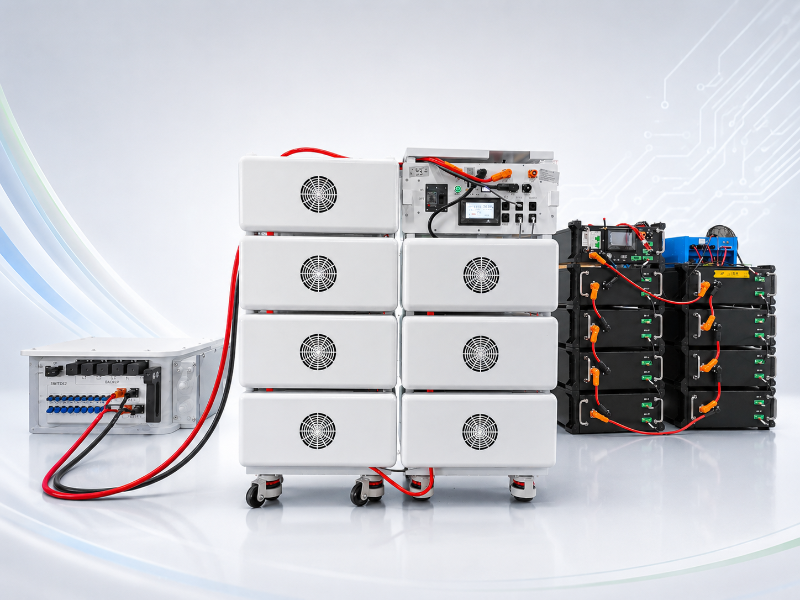
With advances in battery technology, LiFePO4 batteries are now used in more and more applications. From small energy storage devices to industrial power systems, different capacities and battery voltage options can be selected according to specific requirements. Their stable output performance allows many devices to maintain reliable power during long-term operation.
- Home solar energy storage systems.
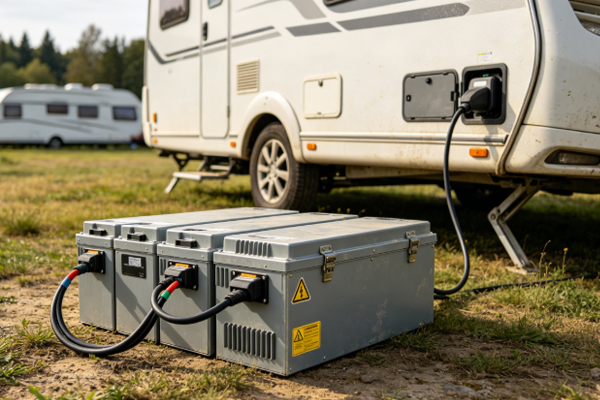
- RVs and outdoor power equipment.
- Low-speed electric vehicles.
- Industrial backup power systems.
Home energy storage systems usually require batteries to operate for long periods, while RVs and outdoor equipment often focus on safety and runtime. Industrial equipment places greater emphasis on stable power supply. With long lifespan and reliable output, LiFePO4 batteries can meet the needs of different application scenarios.
The safety of LiFePO4 batteries mainly comes from their stable material structure and advanced battery management technology. Compared with some traditional battery types, they offer advantages in cycle life, stability, and long-term performance. However, battery safety depends not only on the battery type but also on selecting the correct battery voltage, proper installation, and daily maintenance. Choosing the right LiFePO4 battery and using it correctly can provide a more stable and reliable power experience for different devices.