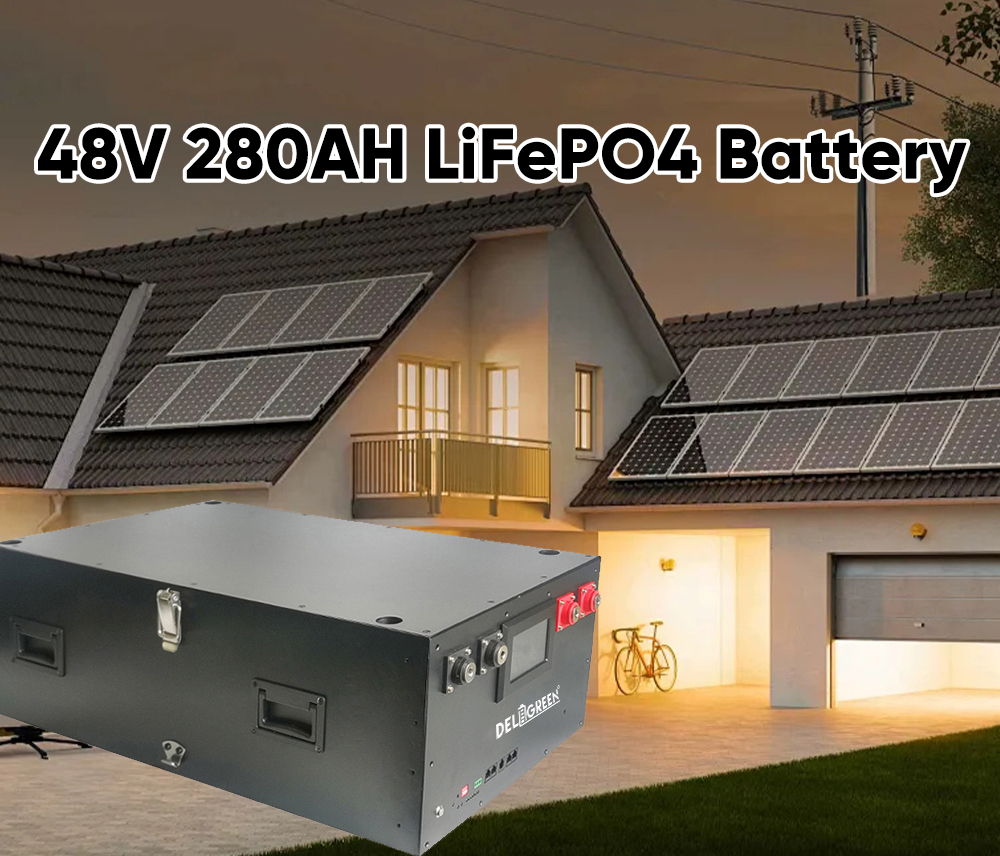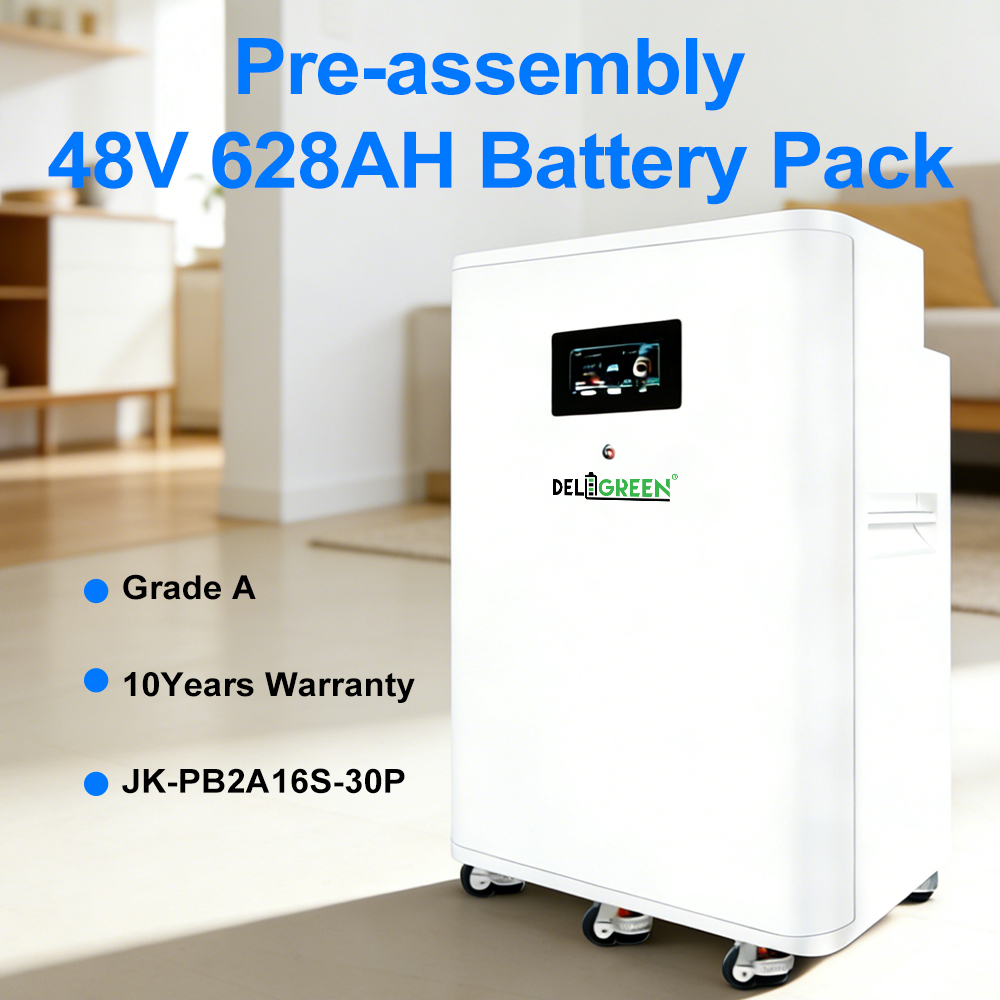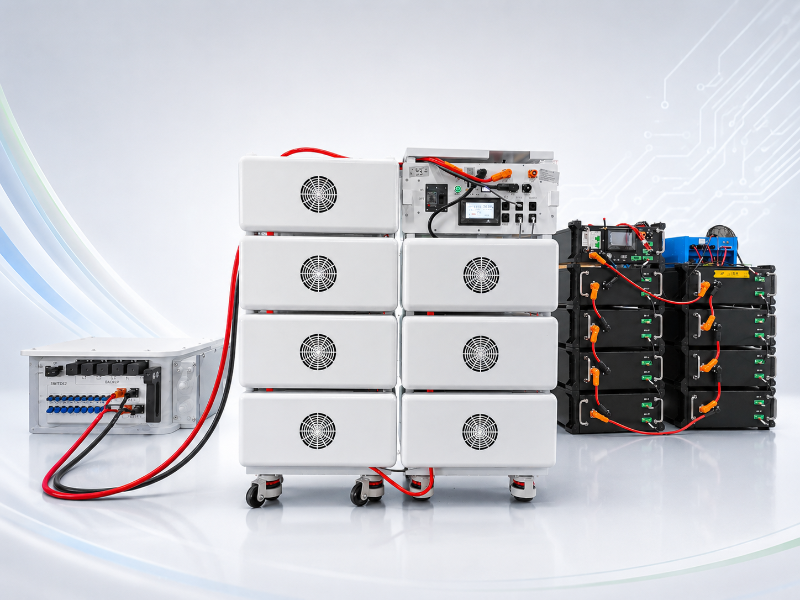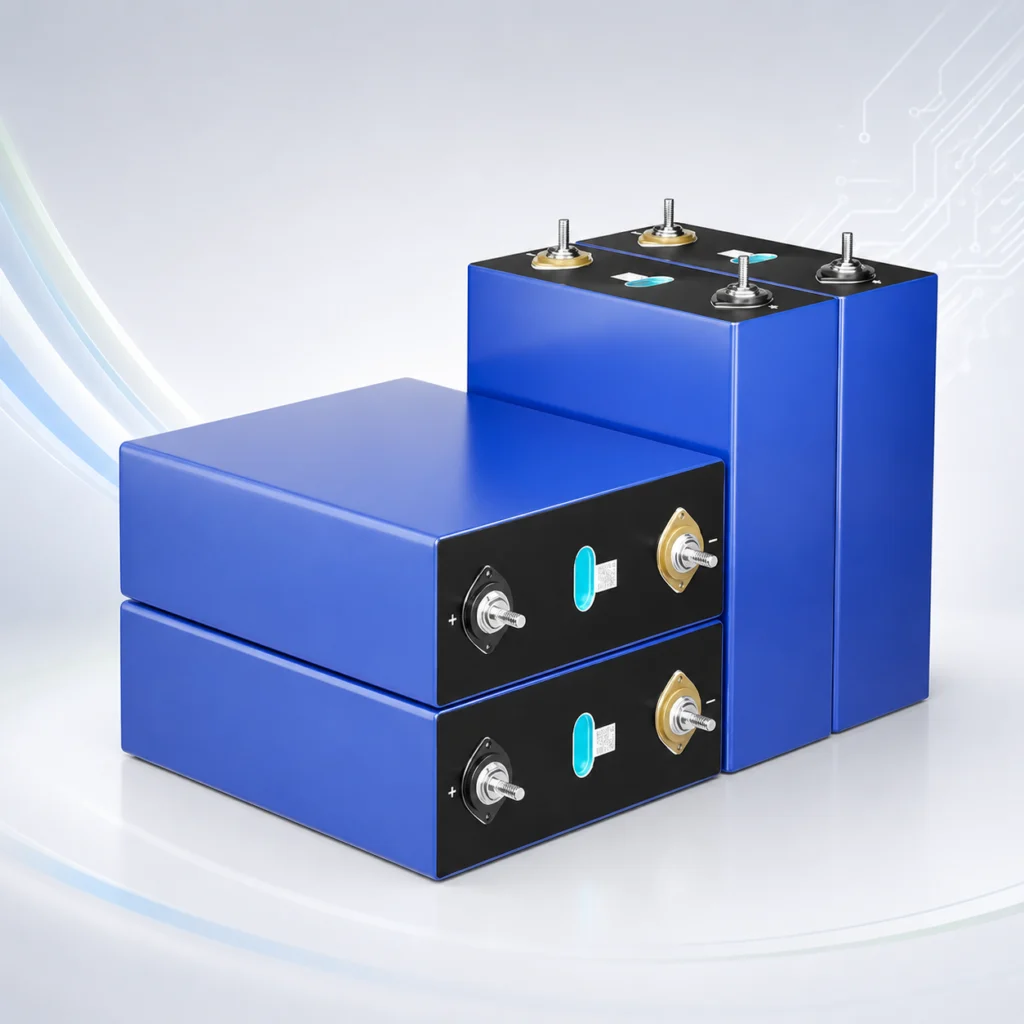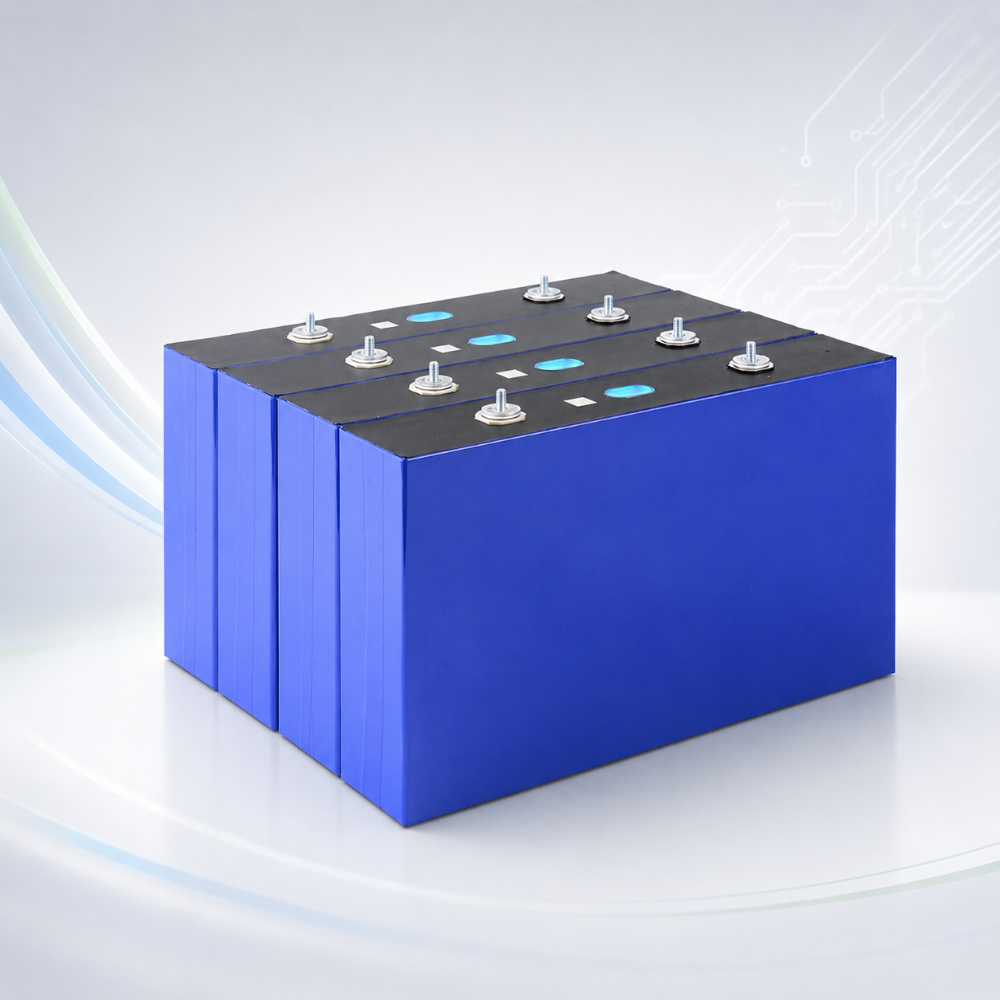
With the increasing popularity of solar energy storage, RV power systems, outdoor equipment, and backup power systems, lithium iron phosphate deep cycle batteries have become an important component in many long-term power supply applications. Compared with traditional lead-acid batteries, lithium iron phosphate batteries feature a longer cycle life, higher safety performance, and more stable discharge characteristics. Therefore, they are widely used in applications that require repeated charging and discharging.
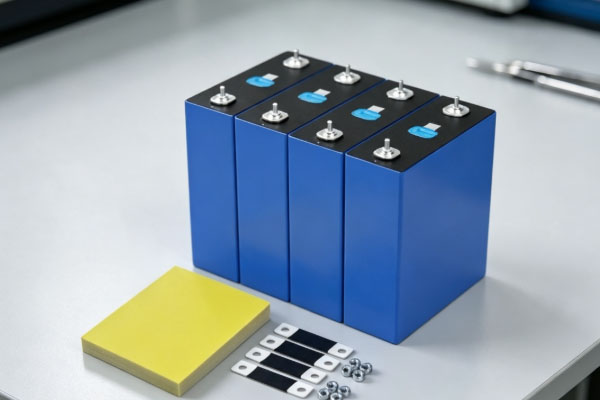
However, even though lithium iron phosphate deep cycle batteries have a long service life, improper storage methods during long periods of inactivity may still cause problems such as capacity reduction, abnormal voltage, or failure to charge normally. Many users believe that batteries only need to be left alone when they are not being used, but internal changes still occur slowly during long-term storage. When lithium iron phosphate deep cycle batteries are unused for an extended period, attention should be paid to remaining battery capacity, storage environment, regular inspections, and proper reactivation methods. Reasonable maintenance can reduce natural battery degradation, maintain good operating conditions, and extend the overall service life of the battery.
Preparation Before Storing Lithium Iron Phosphate Deep Cycle Batteries
Before lithium iron phosphate deep cycle batteries enter a long-term idle state, some basic preparation steps should be completed. Many batteries experience problems such as inability to charge, reduced capacity, or failure to start after being stored for a long time. In many cases, these problems are not caused by poor battery quality but by incorrect preparation before storage. Adjusting the battery condition in advance can make it more suitable for long-term storage and reduce the impact of inactivity. Especially for batteries that will not be used for several months or longer, proper preparation is even more important.
Maintain a Suitable Battery Charge Level
The battery charge level is very important when lithium iron phosphate deep cycle batteries are stored for a long time. Many users have the habit of fully charging the battery after finishing use and then leaving it unused for months. However, keeping the battery at 100% charge for a long period may increase internal battery stress. Similarly, storing the battery at a very low charge level or completely empty state may also affect future startup performance. Therefore, before long-term storage, the battery should be adjusted to a more suitable storage condition. Generally, maintaining a medium charge level during storage is more appropriate than storing the battery fully charged or completely discharged.
- Avoid keeping the battery at 100% charge for a long time.
- Do not store the battery after it is completely depleted.
- Check the current battery voltage before storage.
- Maintain a stable storage condition.
For example, when an RV is parked for a long period during winter, it is not recommended to simply fully charge the battery and leave it unused for several months. Instead, the battery condition should be adjusted in advance, and unnecessary vehicle equipment should be turned off to allow the battery to enter a more stable standby state.
Disconnect Equipment Connections and Loads
Many lithium iron phosphate deep cycle batteries are not stored separately but are installed in RVs, solar energy systems, or backup equipment. Even if the equipment appears to be turned off, some control modules, displays, or inverters may still consume standby power. If these devices remain connected for a long time, the battery may slowly lose power over several months and eventually enter a low-voltage state. Therefore, before long-term storage, all connected equipment should be checked and unnecessary power-consuming components should be turned off.
- Turn off equipment such as inverters.
- Disconnect unused long-term loads.
- Check the condition of connection cables.
- Avoid hidden current consumption.
For example, when a solar energy storage system is not used for a long period, an inverter that remains connected may continue consuming a small amount of electricity even when no electrical devices are operating. Therefore, related equipment should be turned off according to actual conditions.
Check Battery Appearance and Connection Conditions
Before long-term storage, performing a simple inspection of the lithium iron phosphate deep cycle battery can help identify potential problems in advance. Although lithium iron phosphate materials have good stability, the battery casing, terminals, and connection cables may still change due to the operating environment. If the battery has loose wiring or oxidized connectors, it may cause difficulties when the battery is used again after long storage.
- Check whether the battery casing is intact.
- Check whether terminals are securely connected.
- Clean dust from connection ports.
- Confirm that there are no obvious abnormalities.
Through inspection before storage, users can prevent batteries with existing problems from entering long-term idle conditions and improve reliability during future use.
How to Maintain Lithium Iron Phosphate Deep Cycle Batteries During Long-Term Storage?
Although lithium iron phosphate deep cycle batteries do not continuously output power like they do during normal operation when they are stored for a long time, natural energy loss still occurs inside the battery. Therefore, storage conditions and inspection methods will directly affect the battery’s future performance. A proper storage method can help the battery maintain better capacity levels and reduce the possibility of problems occurring when the battery is restarted.
Choose a Suitable Storage Environment
The storage environment is one of the important factors affecting the service life of lithium iron phosphate deep cycle batteries. Many users focus only on the battery itself but ignore the importance of the storage location. If the battery is stored in a high-temperature, humid, or directly exposed environment for a long time, it may accelerate the aging of internal materials and gradually reduce battery capacity. Therefore, when storing the battery for a long period, a location with stable temperature and dry air should be selected.
- Avoid direct sunlight exposure.
- Prevent moisture from affecting the battery.
- Keep away from high-temperature heat sources.
- Maintain good air circulation.
For example, when an RV is parked for a long time, it is not recommended to leave it exposed to strong summer sunlight. A shaded location should be selected, and the battery installation area should be checked to ensure there are no overheating problems.
Regularly Check Battery Charge Level
Although lithium iron phosphate deep cycle batteries have a relatively low self-discharge rate, the battery charge level may still decrease after several months of storage. Therefore, regularly checking the battery condition is an important step in maintaining performance. Many users only check the battery when they need to use the equipment again. However, if abnormal battery conditions are discovered at that time, normal operation may already be affected.
- Regularly check the remaining battery capacity.
- Check changes in battery voltage.
- Confirm that the BMS is operating properly.
- Recharge the battery when necessary.
For example, if a backup solar energy storage battery is unused for a long period, users can check its condition periodically. If the battery level decreases, it should be recharged in time to avoid long-term storage at a low charge level.
Avoid Long-Term Complete Power Loss
Some users choose to completely disconnect the battery or store it in an empty state for a long time in order to protect it. However, keeping lithium iron phosphate deep cycle batteries at extremely low power levels for extended periods is not the ideal storage method. If the battery voltage becomes too low, the BMS protection system may activate, which can make future charging difficult.
- Avoid storing the battery at zero power for a long time.
- Maintain a reasonable storage charge level.
- Regularly confirm the protection status.
- Prevent the battery from entering deep sleep mode.
A correct storage method allows the battery to recover normal operation more easily when it is used again.
What Should Be Considered When Reusing Long-Stored Lithium Iron Phosphate Deep Cycle Batteries?
After being stored for a long period, lithium iron phosphate deep cycle batteries should not immediately be used under high loads. Batteries that have been idle for a long time need to go through inspection and recovery procedures before being put back into operation. A proper startup process can reduce the impact caused by sudden loads on the battery.
Check Battery Condition Before Restarting
Before reuse, the battery should be fully inspected, including its appearance, voltage, connection cables, and protection system status. If any abnormal condition is found, the battery should be tested first instead of directly connecting high-power equipment.
- Check whether the battery is damaged.
- Check the remaining battery capacity.
- Confirm that cable connections are normal.
- Check BMS operating status.
For example, after an RV has been parked for several months, the battery condition should be checked before a trip. High-power equipment such as refrigerators and air conditioners should only be turned on after confirming that the battery is operating normally.
Restore Battery Condition Through Slow Charging
When a battery that has been unused for a long time is restarted, it is recommended to gradually restore its condition through normal charging methods. Do not use high-current charging immediately just to quickly restore power. Proper charging allows the internal battery condition to gradually stabilize.
- Use a compatible charger.
- Avoid abnormal fast charging.
- Monitor the charging process.
- Check temperature changes.
If abnormal conditions occur during charging, charging should be stopped immediately and the battery condition should be inspected.
Perform a Complete Charge and Discharge Cycle Test
After restarting the battery, a complete charge and discharge cycle can be performed to understand the current battery performance. This helps determine whether long-term storage has affected battery capacity.
- Test the actual operating time.
- Check output stability.
- Observe power level changes.
- Evaluate battery health status.
If a significant capacity reduction is detected, further inspection of the battery cells or BMS system may be required.
Frequently Asked Questions
Can lithium iron phosphate deep cycle batteries be left unused for a long time?
Answer: Yes, but they need to be stored correctly. When unused for a long period, the battery should be maintained at a suitable charge level and stored in a dry and stable environment.
Does the battery need to be fully charged before long-term storage?
Answer: Long-term storage at full charge is not recommended. Maintaining an appropriate storage charge level helps reduce long-term stress on the battery.
Does a battery that has been idle for more than six months need inspection?
Answer: Yes. It is recommended to regularly check the battery charge level, voltage, and BMS status to prevent low-voltage problems.
What should be done if the battery cannot be charged after being unused for a long time?
Answer: Check the charger, battery voltage condition, and protection system. If the battery cannot recover, professional inspection may be required.
Does the battery need to be removed when it is not used for a long time?
Answer: If the equipment has continuous power consumption, it is recommended to disconnect the battery to prevent the remaining power from being slowly consumed.
Although lithium iron phosphate deep cycle batteries have a long cycle life and good stability, they still require proper maintenance when they are not used for a long period. A correct storage method can reduce battery capacity loss and improve reliability when the battery is used again. Before the battery enters a long-term idle state, users should properly adjust the charge level, disconnect unnecessary equipment, and inspect the battery condition. During storage, attention should be paid to environmental temperature, humidity, and changes in battery voltage. When restarting the battery, the condition should be checked first, and normal operation should be restored gradually. By maintaining a suitable storage charge level, avoiding extreme environments, reducing hidden power consumption, and performing regular inspections, lithium iron phosphate deep cycle batteries can maintain better working conditions and continue providing stable and reliable energy support when needed.