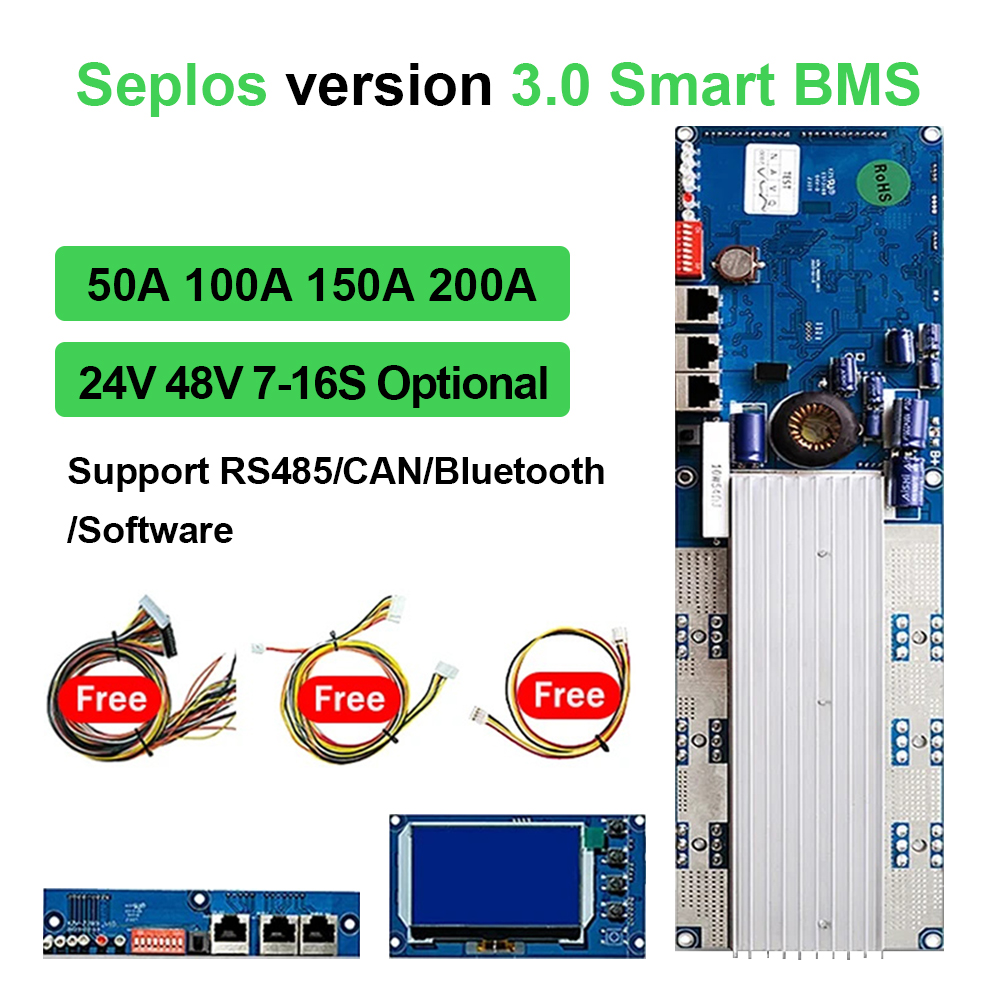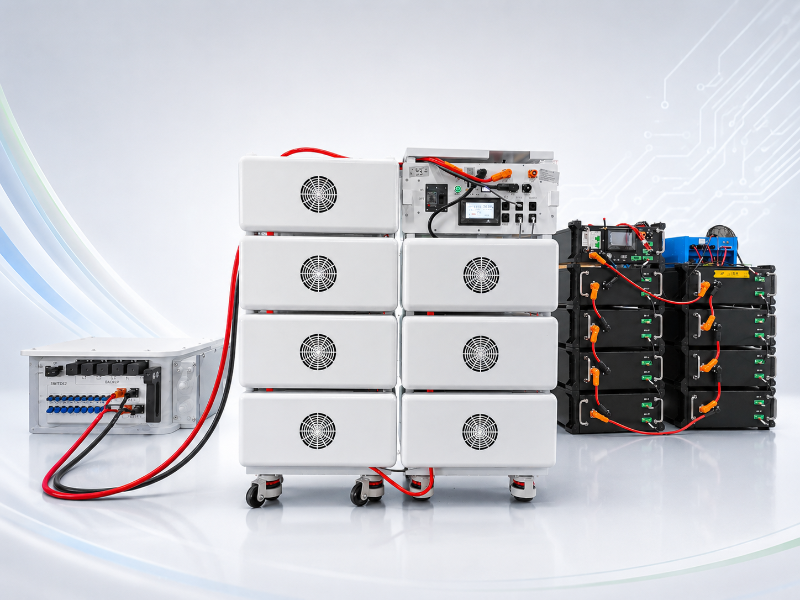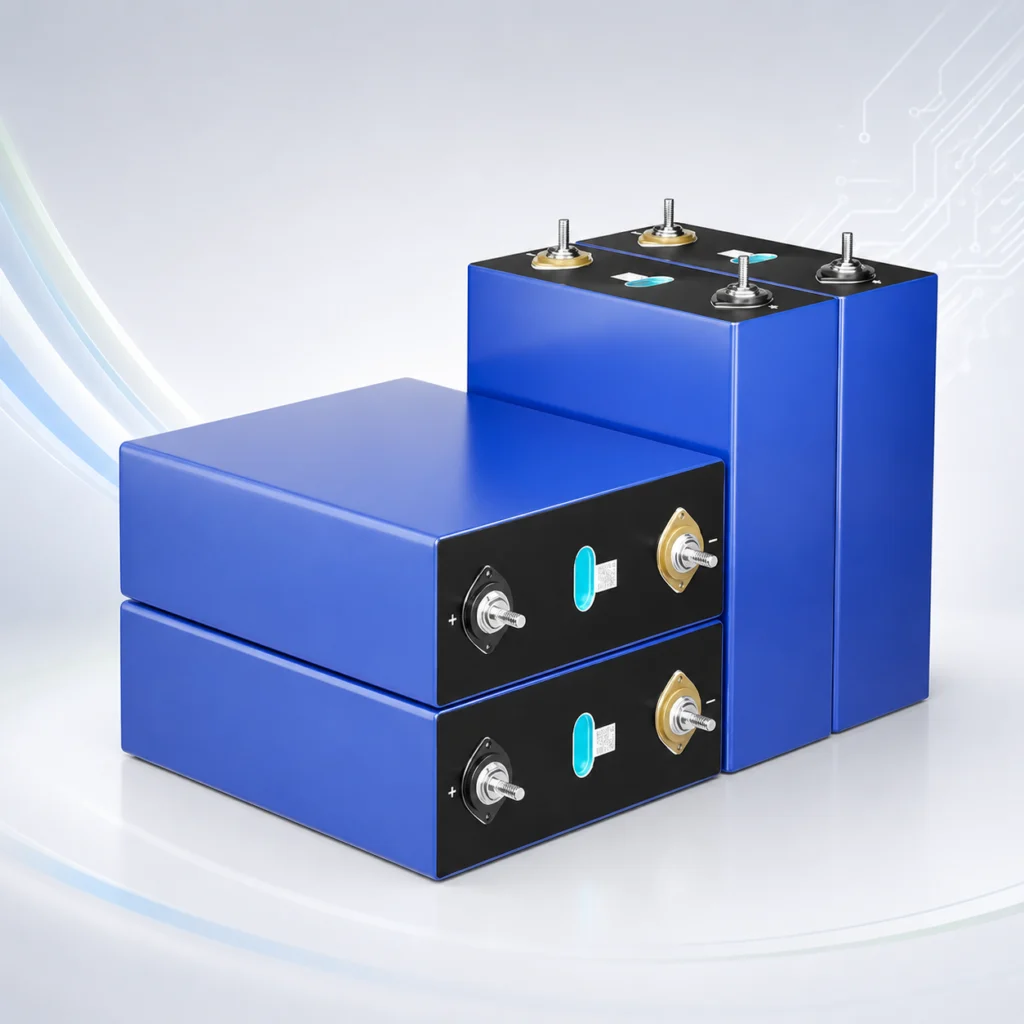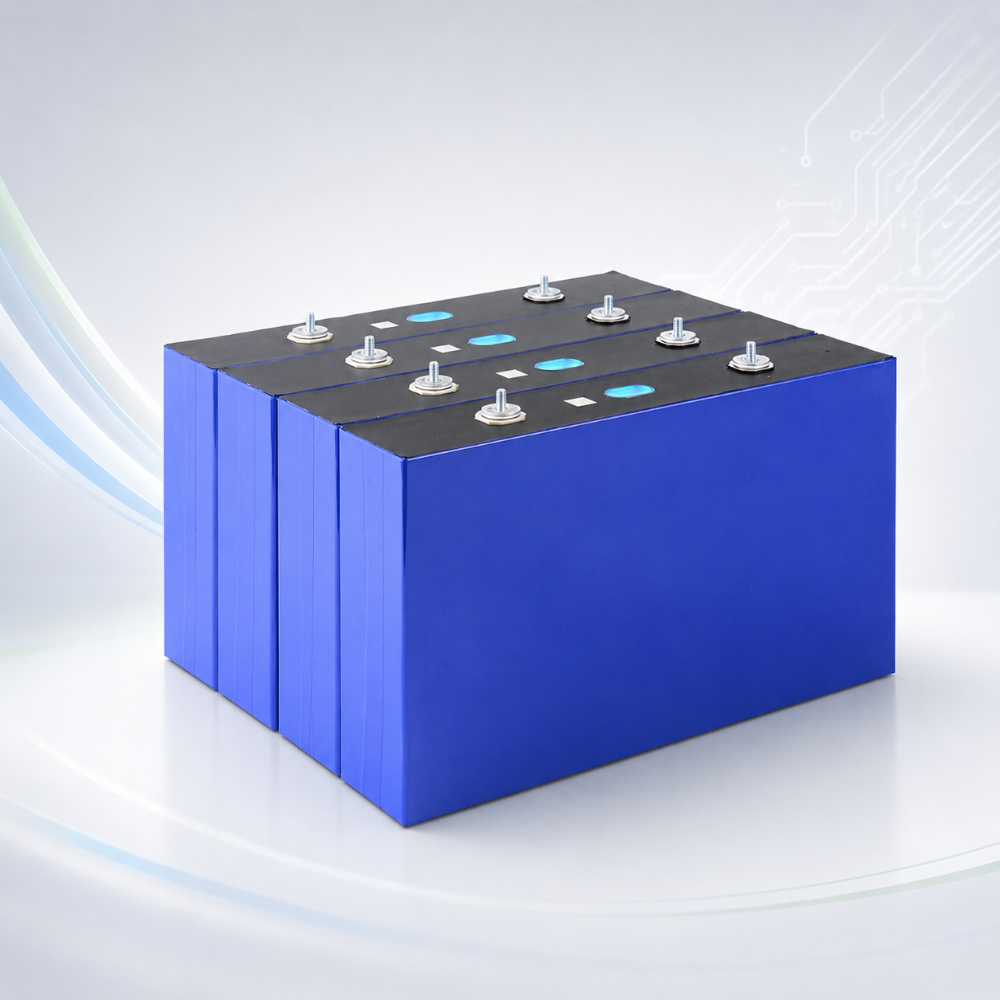
With the rapid development of new energy vehicles, energy storage systems, industrial equipment, and smart terminals, battery packs are facing higher requirements for safety, stability, and service life. Although combining multiple cells can provide larger capacity and higher output power, differences in voltage, temperature, and performance may still exist between cells. Without effective management, these inconsistencies can negatively affect overall system performance. A BMS (Battery Management System) ensures stable and safe operation of the battery pack through real-time monitoring, intelligent control, and protection mechanisms.
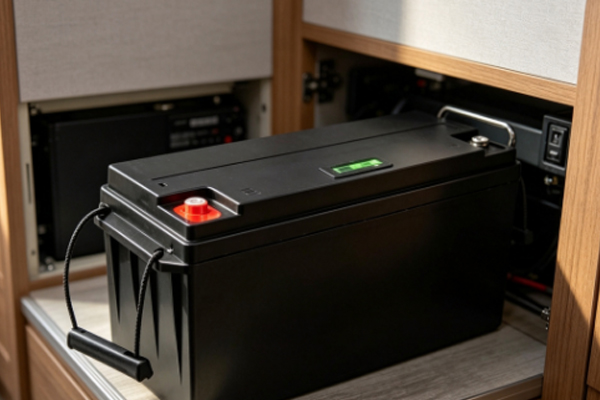
The BMS Monitors the Operating Status of the Battery Pack
A battery pack consists of multiple cells, and its internal conditions must be continuously monitored. The BMS provides real-time data tracking and management.
Monitoring Voltage Changes
Voltage directly affects battery pack performance, and consistency between cells is especially important.
- Real-time monitoring of individual cell voltage to ensure each cell operates within a safe range.
- Immediate alerts when abnormal voltage is detected to prevent faulty cells from affecting the system.
- Prevent overvoltage or undervoltage conditions in individual cells, reducing capacity imbalance and performance degradation risks.
- Continuously record voltage fluctuations to support maintenance and optimization.
Accurate voltage monitoring helps maintain stable output, improve overall efficiency, and reduce system failure risks.
Monitoring Current Conditions
Current changes are closely related to power safety and directly affect load capacity and battery lifespan.
- Record charging and discharging current to understand operating intensity and usage patterns.
- Evaluate load conditions to detect overload or abnormal power demand.
- Prevent abnormal current from damaging cell performance or causing localized overheating.
- Respond quickly to sudden current changes and trigger protection mechanisms when necessary.
Accurate current management ensures reliable operation under different working conditions and extends overall service life.
Managing Temperature Conditions
Temperature is one of the most critical factors affecting battery performance and safety. The BMS continuously monitors cell temperature, analyzes thermal distribution, and reduces overheating risks through data-driven control. It also supports thermal management systems by providing real-time data for cooling adjustments. In low-temperature environments, it optimizes charging and discharging strategies to improve usability. Proper temperature management enhances both safety and cycle life, enabling the battery pack to operate in more complex environments.
The BMS Enhances Battery Pack Safety Performance
Safety management is essential for long-term battery operation. The BMS reduces risks through multiple protection mechanisms.
Preventing Overcharge and Overdischarge
Charging and discharging must be precisely controlled to avoid damage.
- Prevent overcharging by reducing current as the battery approaches full capacity.
- Avoid deep discharge that can cause capacity degradation.
- Protect cell structure from instability under extreme conditions.
- Dynamically adjust charging strategies to maintain a healthy operating range.
Effective control of charging and discharging helps maintain long-term stable performance.
Reducing Short-Circuit Risks
Abnormal current or circuit issues can affect the entire battery system.
- Monitor circuit conditions to detect connection faults or sudden current changes.
- Identify short-circuit risks through abnormal current patterns.
- Trigger protection actions such as disconnecting the circuit or limiting output.
- Record fault data for further analysis.
Fast response mechanisms significantly improve overall system safety.
Preventing Abnormal Temperature Rise
High temperatures can reduce performance and even cause safety hazards.
- Automatically adjust power output or shut down when abnormal temperatures are detected.
- Use multi-level protection to reduce thermal runaway risks.
- Improve system stability for safe operation under high load.
- Coordinate with cooling systems for effective thermal control.
Temperature protection enhances overall battery reliability.
The BMS Extends Battery Pack Lifespan
The BMS improves usage strategies and operating conditions to extend battery life.
Cell Balancing Management
Cells tend to develop differences over time, affecting overall performance.
- Adjust cell charge levels to maintain voltage consistency.
- Reduce capacity imbalance and avoid weak-link effects.
- Improve overall capacity utilization.
- Perform balancing during charging processes.
Balancing management improves stability and slows degradation.
Optimizing Charging and Discharging Strategies
Proper usage significantly reduces battery wear and improves long-term reliability. The system adjusts charging behavior based on battery status, applies different current strategies at various stages, and controls discharge depth to avoid long-term deep discharge stress. It also reduces aging speed by maintaining a more stable chemical structure and dynamically optimizes strategies based on application scenarios to improve overall energy efficiency. Scientific management significantly increases the long-term value and cost-effectiveness of the battery pack.
Extending Cycle Life
System optimization reduces unnecessary losses and abnormal operation.
- Reduce abnormal operation and minimize extreme condition impacts.
- Maintain cell balance for more consistent load distribution.
- Increase cycle count and extend charge-discharge lifespan.
- Slow capacity degradation to maintain stable output over time.
The BMS enables longer lifespan and higher value through intelligent control.
The BMS Enables Intelligent Battery Pack Management
Modern battery systems are no longer just power supply devices; intelligent management is a key direction, and the BMS plays a central role.
Providing Data Analysis
Operational data helps fully understand battery status and health. The system records historical charge and discharge data to build a complete usage profile, analyzes capacity trends to evaluate degradation patterns, and assesses state of health (SOH) to support maintenance and replacement decisions. It can also generate performance reports to optimize usage strategies and system design, enabling users to manage battery packs more scientifically and improve overall operational efficiency.
Supporting Device Communication
Smart systems require data exchange and remote management.
- Connect with device control systems for unified operation.
- Transmit real-time data for full visibility.
- Support remote monitoring to improve maintenance efficiency.
- Integrate with cloud platforms for analytics and prediction.
Communication functions make battery management more efficient, convenient, and intelligent.
A battery pack requires a BMS for intelligent monitoring, safety protection, balancing management, and operational optimization. It solves inconsistencies caused by multiple cells and improves system stability and lifespan. As new energy applications continue to expand, the combination of battery packs and BMS has become a key solution for enhancing performance, safety, and reliability, providing smarter and more efficient energy support for electric vehicles, energy storage systems, and industrial equipment.