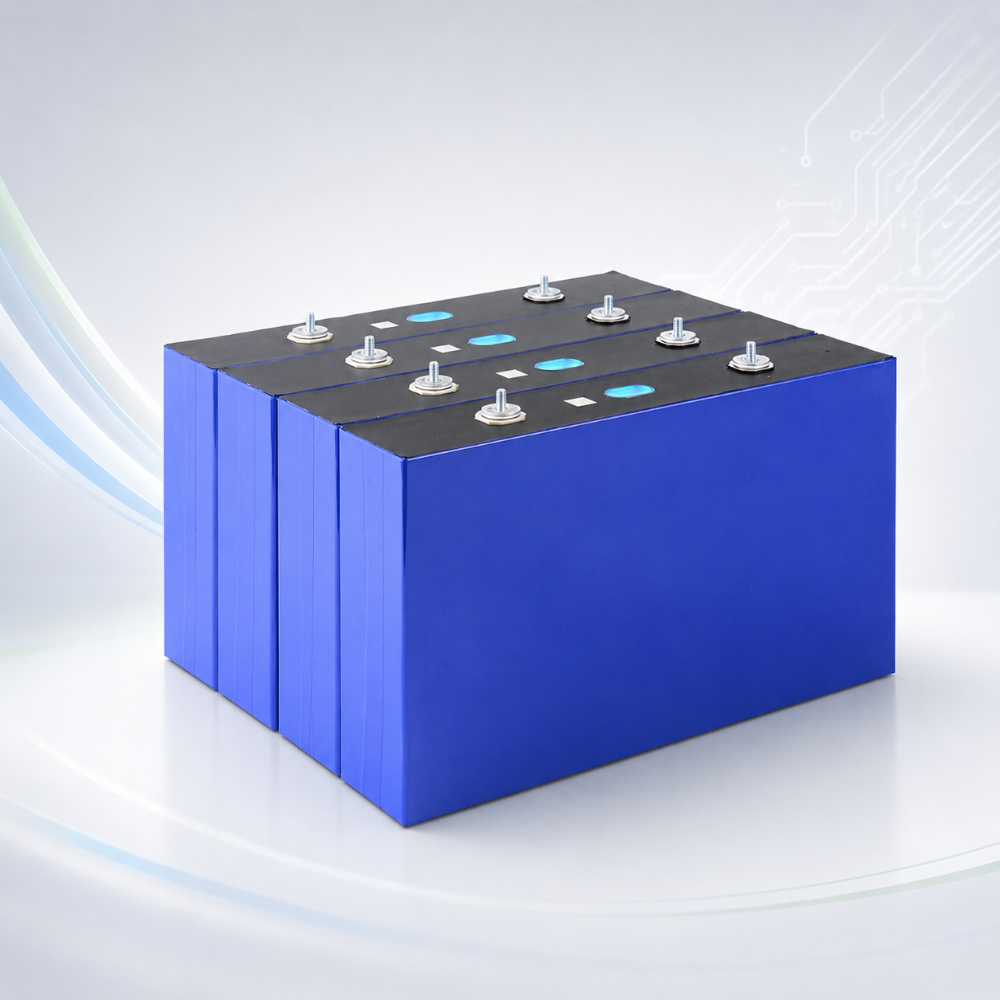
With the continuous development of lithium battery technology, more and more devices are adopting more stable and efficient battery solutions. Among them, 12V LiFePO4 batteries have become a popular choice for replacing traditional lead-acid batteries due to their lightweight design, long cycle life, and reliable performance. Many users have the same question when choosing a battery: What devices are suitable for 12V batteries? Can they be used for all low-voltage equipment? In fact, battery voltage needs to match the device system, and different applications have different requirements for capacity, safety, and discharge performance. Understanding the application range of 12V LiFePO4 batteries can help users select a more suitable power solution.
What Common Devices Are Suitable for 12V LiFePO4 Batteries?
12V LiFePO4 batteries are widely used in devices that require stable DC power supply. Compared with traditional batteries, they provide higher energy efficiency and longer service life, making them especially suitable for applications that require long operating times or frequent charging and discharging.
- RV and camping energy storage systems.
- Solar energy storage systems.
- Low-speed electric vehicles.
- Marine and outdoor equipment.
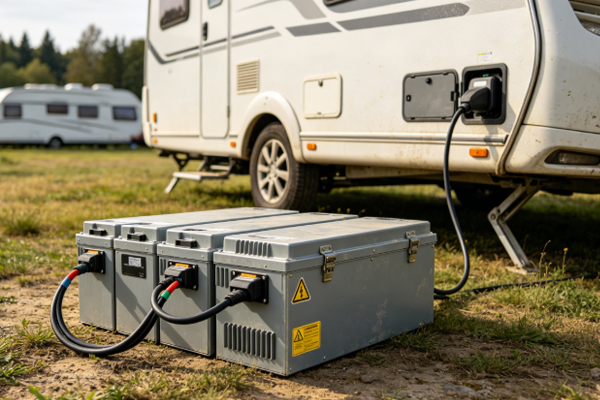
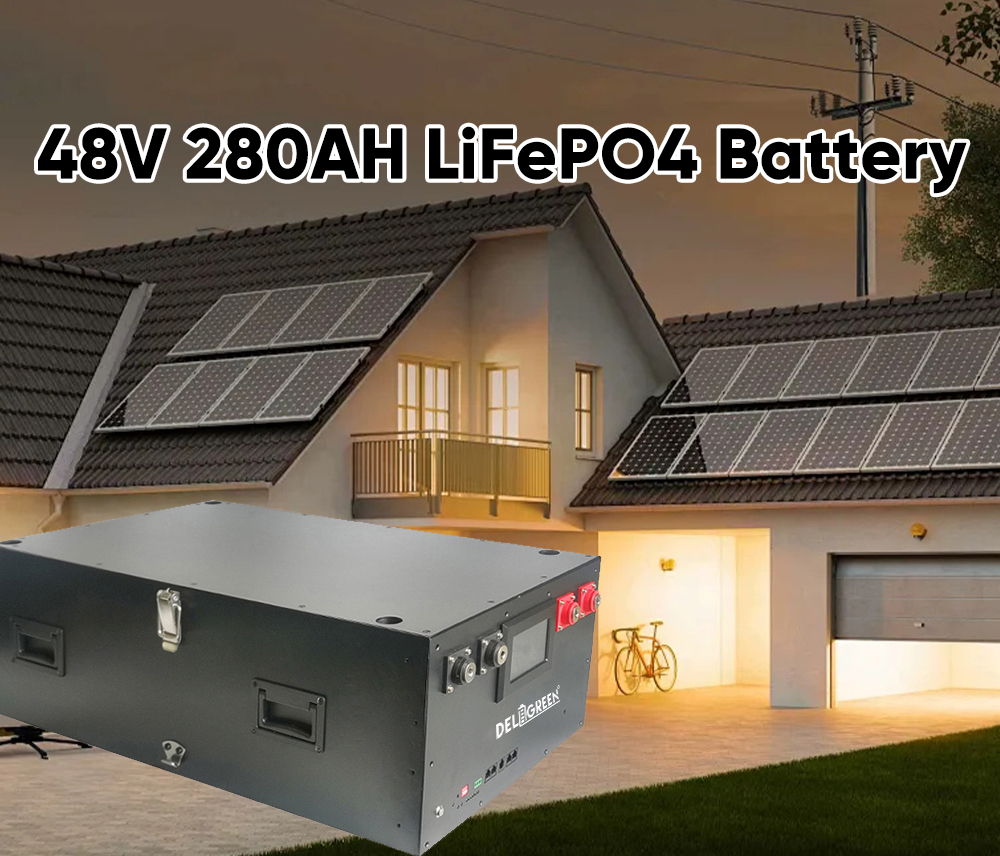
In mobile power applications such as RVs and camping equipment, 12V LiFePO4 batteries can provide stable electricity for lighting, refrigerators, small appliances, and other devices. For solar energy storage systems, they can store electricity generated during the day and supply power at night or when sunlight is unavailable. Due to their excellent cycle performance, LiFePO4 batteries can maintain stable operation even under frequent charge and discharge conditions.
Why Do Many Devices Choose 12V LiFePO4 Batteries?
Different devices have different battery requirements. Besides matching the correct battery voltage, factors such as weight, lifespan, safety, and maintenance costs also need to be considered. 12V LiFePO4 batteries have gained attention because they offer advantages in several important areas.
- Lighter weight and easier installation.
- More charging cycles and longer service life.
- Higher charging and discharging efficiency.
- Lower daily maintenance requirements.
Traditional lead-acid batteries may have a lower initial cost, but they are heavier and usually have shorter cycle life. 12V LiFePO4 batteries use lithium technology and generally provide higher energy density under the same capacity, helping reduce the overall weight of equipment. They also require less maintenance, making them more suitable for devices with limited installation space or applications that require long-term operation.
Which Traditional Batteries Can Be Replaced by 12V LiFePO4 Batteries?
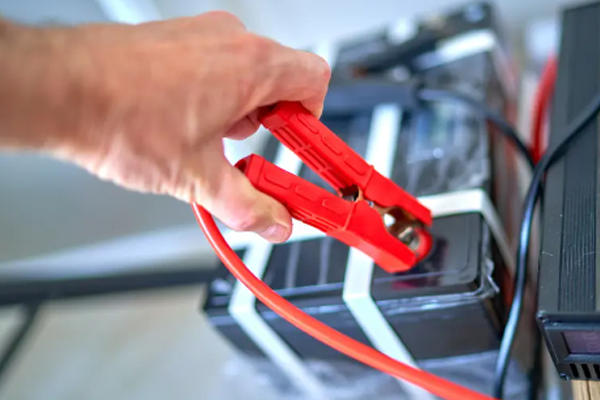
When upgrading a battery system, many users want to know whether a 12V LiFePO4 battery can directly replace their existing battery. In many cases, if the voltage specification and equipment requirements match, some traditional 12V battery applications can be upgraded. However, different devices have different requirements for capacity, charging methods, and discharge performance, so compatibility should be confirmed before replacement.
- Replace some 12V lead-acid batteries.
- Used in backup power systems.
- Applied in communication and monitoring equipment.
In backup power supplies, monitoring systems, and communication devices, batteries often need to provide stable power for long periods. Due to their low self-discharge rate and reliable performance, LiFePO4 batteries can meet the needs of long standby applications. However, when replacing batteries, users should confirm whether the charger, battery management system (BMS), and device connections are compatible to ensure normal operation.
What Should You Consider When Choosing a 12V LiFePO4 Battery?
Although 12V LiFePO4 batteries have a wide range of applications, choosing the right battery requires more than just checking the battery voltage. Different devices have different power requirements. If battery capacity is insufficient, the operating time may not meet expectations, while unsuitable discharge performance may affect equipment operation.
- Confirm that the device voltage matches.
- Choose capacity based on usage time requirements.
- Pay attention to battery safety protection functions.
- Select a battery model suitable for the environment.
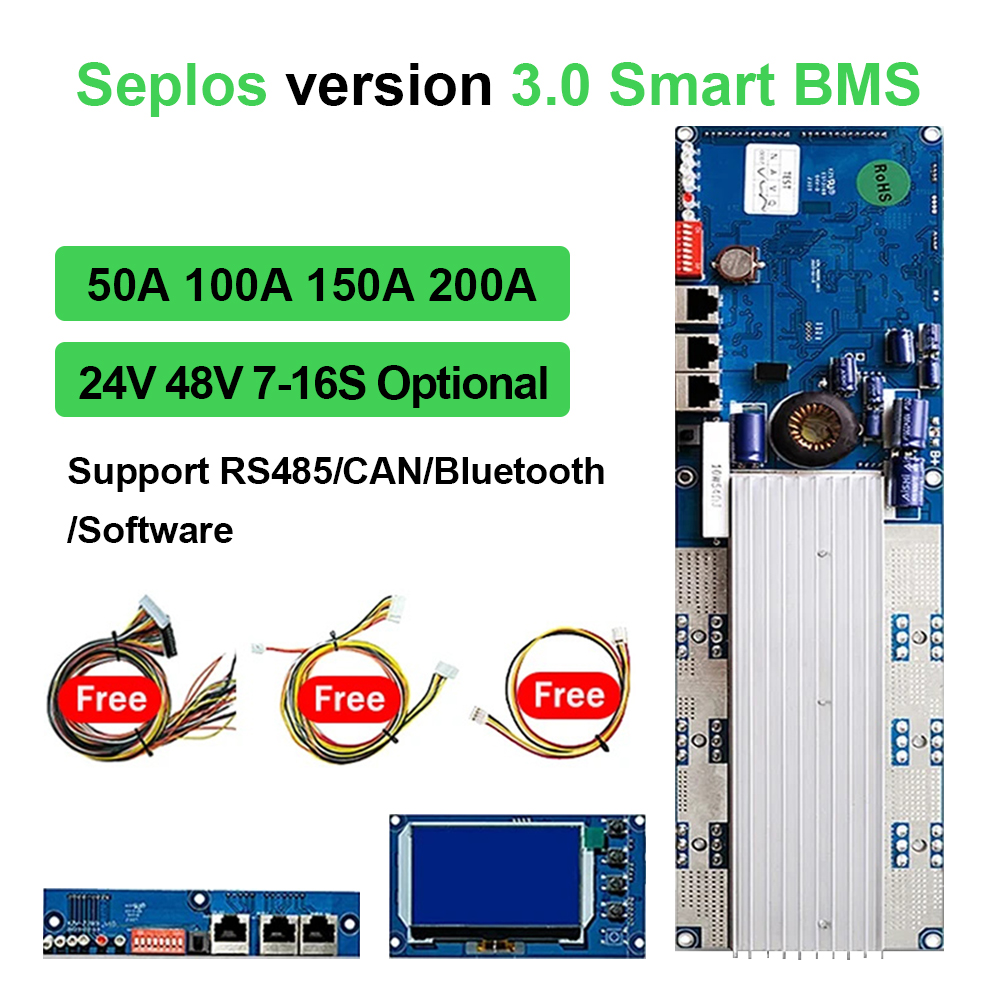
When purchasing a 12V LiFePO4 battery, users should consider the actual application conditions. Outdoor energy storage systems may focus more on capacity and portability, while industrial equipment may prioritize stability and cycle life. High-quality batteries are usually equipped with a Battery Management System (BMS), which provides protection against overcharging, over-discharging, and overcurrent, improving overall safety during use.
12V LiFePO4 batteries have become widely used in RVs, solar energy storage systems, low-speed vehicles, outdoor equipment, and backup power applications due to their stable voltage performance, long cycle life, and strong safety features. When selecting a battery, users should consider not only battery voltage but also equipment power requirements, operating environment, and capacity needs. For applications that require reliable long-term power supply, LiFePO4 batteries provide an efficient and stable energy solution, making them an increasingly popular choice for upgrading power systems.