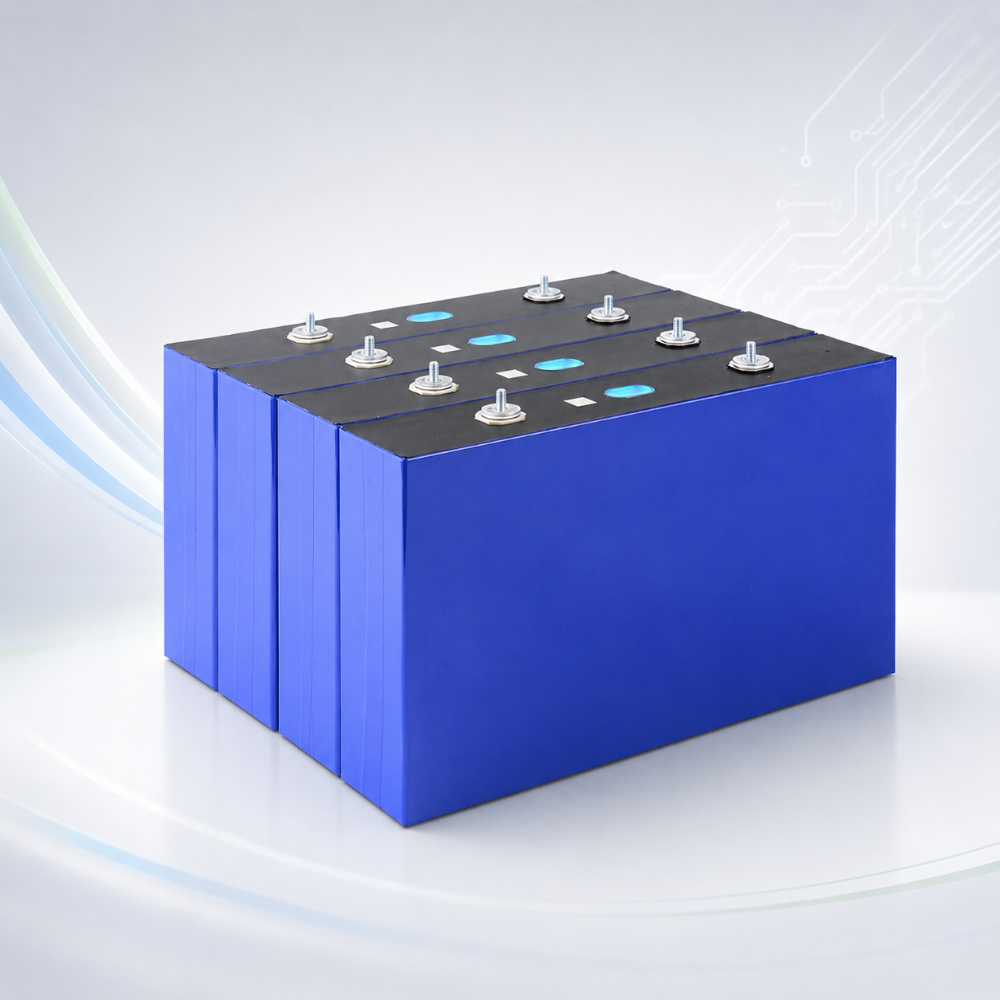
With the rapid development of new energy technologies, electric vehicles, energy storage systems, robots, and smart devices are placing increasingly higher demands on battery performance. Compared with a single cell, a battery pack can provide higher capacity, higher voltage, and more stable output, which depends on the coordinated operation of multiple core components. A complete battery pack typically includes cells, a battery management system, interconnection structures, thermal management components, and an enclosure. Understanding its composition helps users better select battery pack solutions that match their application needs.
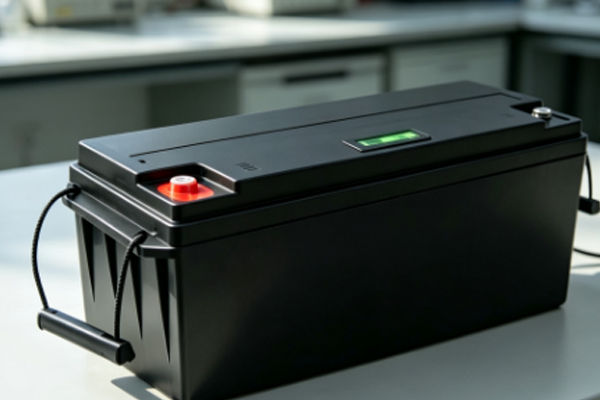
Cells and Battery Management System
Cells are the energy foundation of the battery pack, while the battery management system is responsible for operational control. Together, they form the core part of the system.
Cells Provide Energy Storage Capability
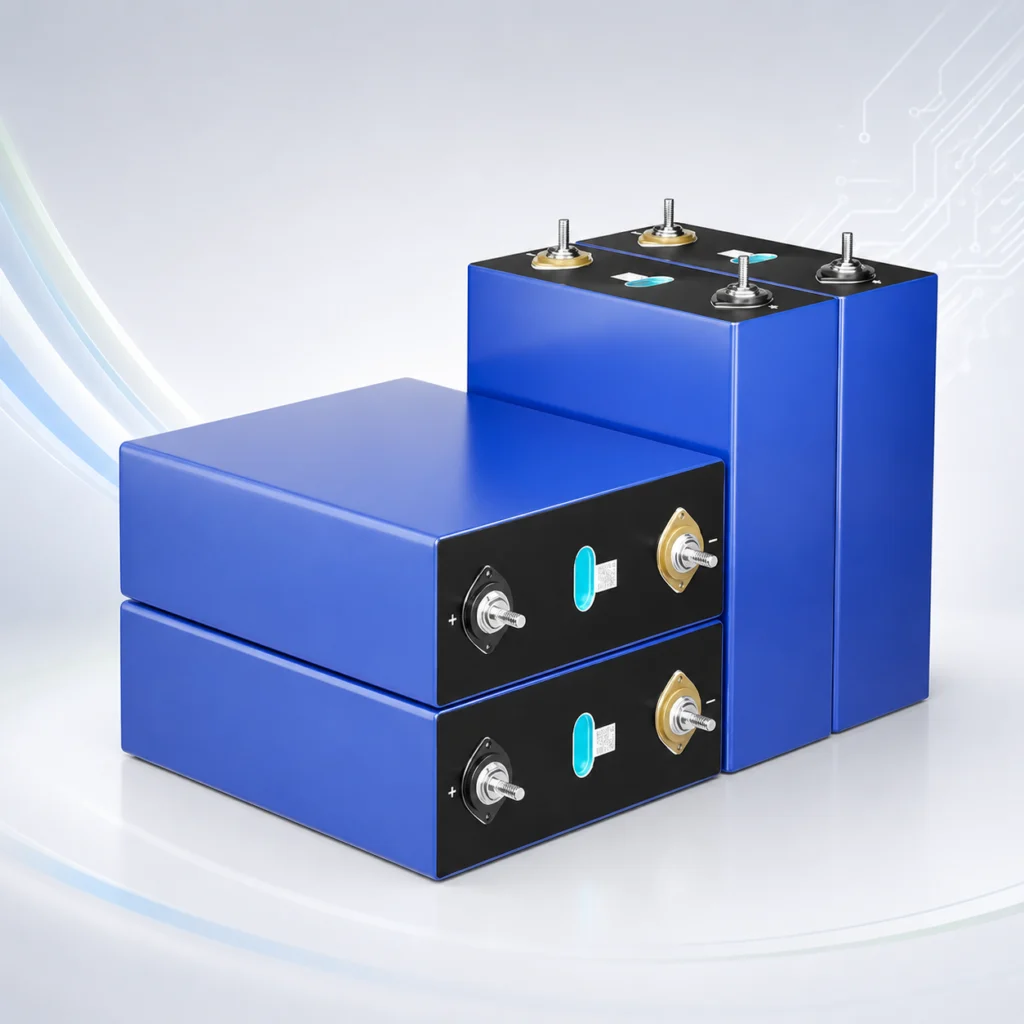
Cells are the most fundamental energy units in a battery pack.
- Complete the charging and discharging process, providing continuous power to devices.
- Determine the capacity, discharge capability, and endurance performance of the battery pack.
- Available in cylindrical, prismatic, and pouch formats, each suitable for different application scenarios.
High-quality cells can significantly improve the stability and service life of the battery pack.
Cell Combination Forms the Battery Pack
A single cell cannot meet the requirements of high-power equipment, so a combination design is required.
- Series connection increases output voltage.
- Parallel connection increases capacity and runtime.
- Flexible configuration based on application requirements.
A well-designed combination helps improve overall performance and extend service life.
Battery Management System Ensures Stable Operation
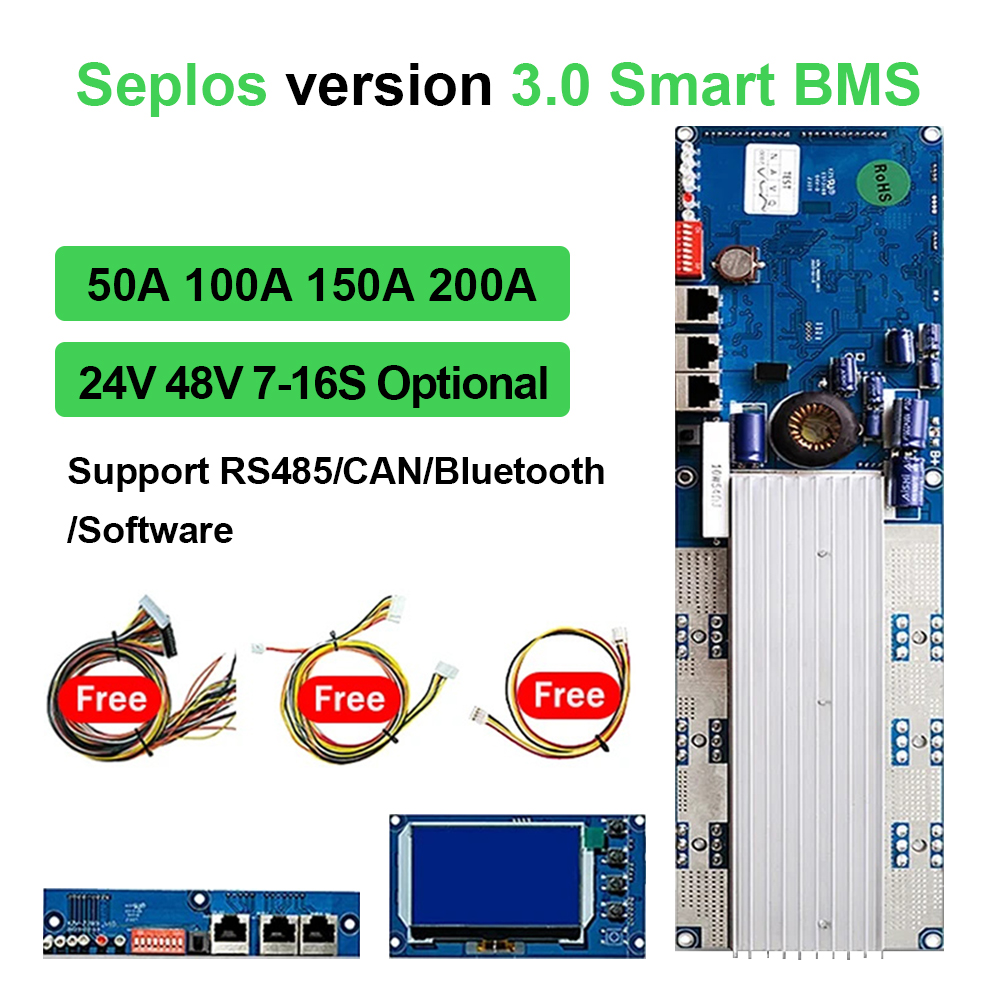
The Battery Management System (BMS) is responsible for real-time monitoring and protection of the battery pack.
- Monitors voltage changes to ensure safe cell operation.
- Controls current output to prevent overload.
- Collects temperature data and performs dynamic regulation.
Through intelligent control, the battery pack can maintain stability and safety in complex environments.
Interconnection Structure and Wiring System
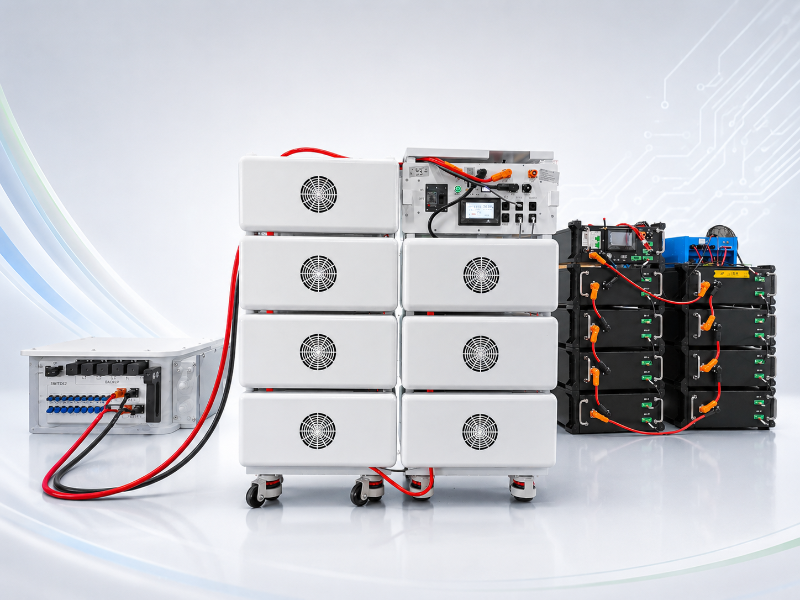
The interconnection structure is responsible for energy and signal transmission inside the battery pack and serves as a critical channel for system operation.
Conductive Connectors
Conductive connectors are mainly used for current transmission and cell interconnection. They are typically made of high-conductivity materials such as nickel strips or copper busbars to ensure stable current flow. Design considerations include conductivity efficiency and contact resistance, which help reduce energy loss and heat generation, thereby improving the efficiency and reliability of the battery pack.
Wiring Harness and Interfaces
The wiring system is responsible for inter-module connections and external output.
- Connects internal functional modules to ensure coordinated operation.
- Provides external power interfaces.
- Supports data transmission and status feedback.
A well-structured wiring design improves assembly and maintenance efficiency.
Structural Components and Thermal Management System
Structural components and the thermal management system jointly ensure the physical safety and thermal stability of the battery pack.
Enclosure Provides Mechanical Protection
The enclosure is the first layer of protection for the battery pack, safeguarding internal components from external impacts.
- Fixes cells in place to prevent displacement during transportation or use.
- Resists shock and vibration, improving stability.
- Enhances overall structural strength for different environments.
A high-strength enclosure improves adaptability in industrial and outdoor applications.
Thermal Management System Controls Operating Temperature
Battery packs generate heat under high-load operation, requiring thermal management for temperature control.
- Optimizes internal airflow to dissipate heat more evenly.
- Uses heat sinks or thermal conductive structures to improve efficiency and reduce local hotspots.
- Controls temperature during high-power operation to prevent overheating that may affect performance or safety.
Strong thermal management capability is essential for long-term stable operation.
Insulation Materials Ensure Safety
Insulation materials are mainly used for electrical isolation and safety protection in battery packs.
- Isolate conductive components to prevent short circuits.
- Reduce leakage risk and improve safety.
- Provide insulation protection in high-voltage environments to ensure stable operation.
A well-designed insulation system enhances overall battery pack safety.
Collaborative Working Mechanism of the Battery Pack
Efficient operation of a battery pack depends on the close coordination of all components, forming a complete closed-loop system from energy storage to output control.
Energy Storage and Power Supply Coordination
The core function of a battery pack is energy storage and stable power output, achieved through the collaboration of multiple components. Cells store and release energy to provide basic power; the interconnection system ensures smooth current transmission; external devices receive stable power through interfaces. Together, these parts enable continuous and stable power delivery.
Management and Protection Work Simultaneously
The intelligent management system runs throughout the entire operation process, ensuring both performance and safety.
- Real-time monitoring of battery status to keep parameters within safe limits.
- Automatic adjustment of charge and discharge strategies based on data to optimize performance.
- Rapid activation of protection mechanisms in case of abnormalities to prevent fault escalation.
This intelligent management approach maintains a balance between high performance and high safety.
Structural Design Enhances Overall Performance
A well-designed structure allows each component to perform optimally and improves overall system performance.
- Optimizes internal layout to improve assembly efficiency and reduce space waste.
- Enhances maintenance design for easier repair and replacement.
- Improves system stability, enabling adaptation to more application scenarios.
A sound structural design is the foundation for high performance and high reliability in battery packs.
The coordinated operation of all modules forms a complete battery pack system, enabling stable output under various working conditions. With continuous technological advancement, improvements in safety, energy density, and intelligent management are being achieved, and battery packs are increasingly applied in electric vehicles, energy storage stations, industrial equipment, and consumer electronics, providing strong support for improved energy efficiency.