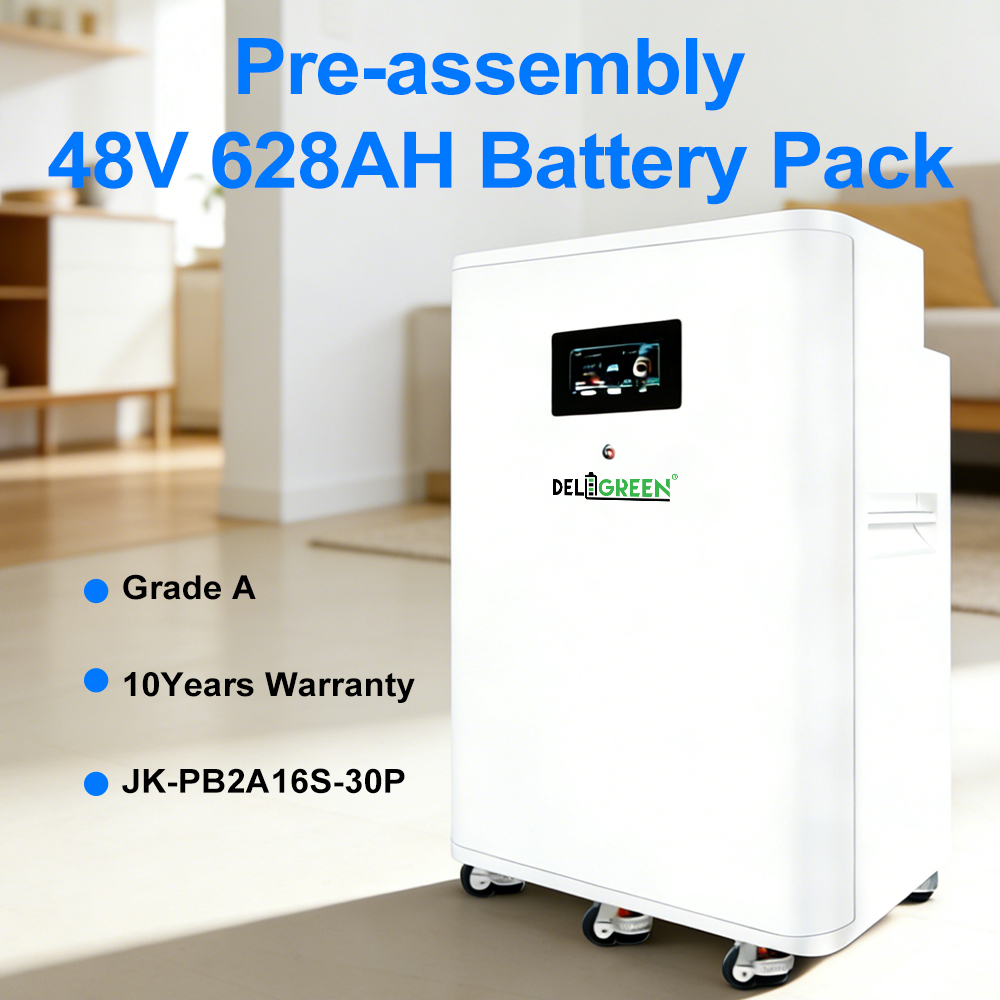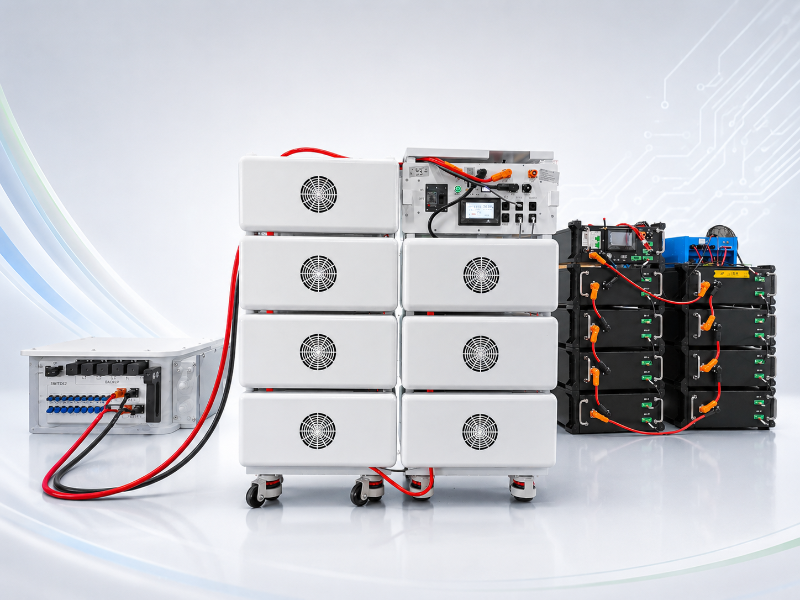
Modern electronic devices, new energy vehicles, energy storage systems, and industrial equipment all rely on stable and reliable energy supply, and the battery pack is a key component that enables continuous power delivery. Compared with a single battery cell, a battery pack achieves higher voltage, larger capacity, and stronger output capability through scientific combination, thereby meeting the power requirements of different devices. From consumer electronics to large-scale energy storage projects, battery packs have become a fundamental part of the new energy industry. Understanding the composition, working principles, and application characteristics of battery packs helps users select the right products and gain deeper insight into the development of battery technology.
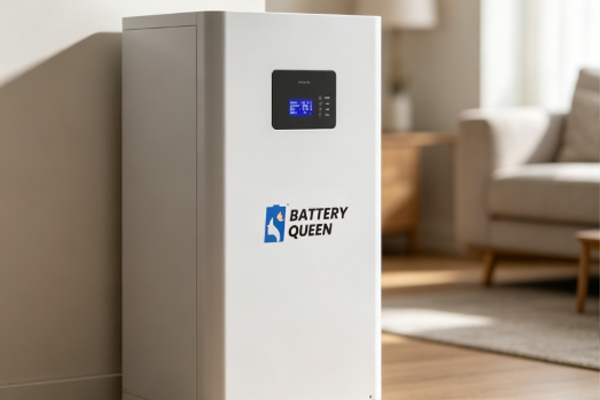
Basic Definition of a Battery Pack
A battery pack is not a single battery cell, but a complete power supply system composed of multiple components working together.
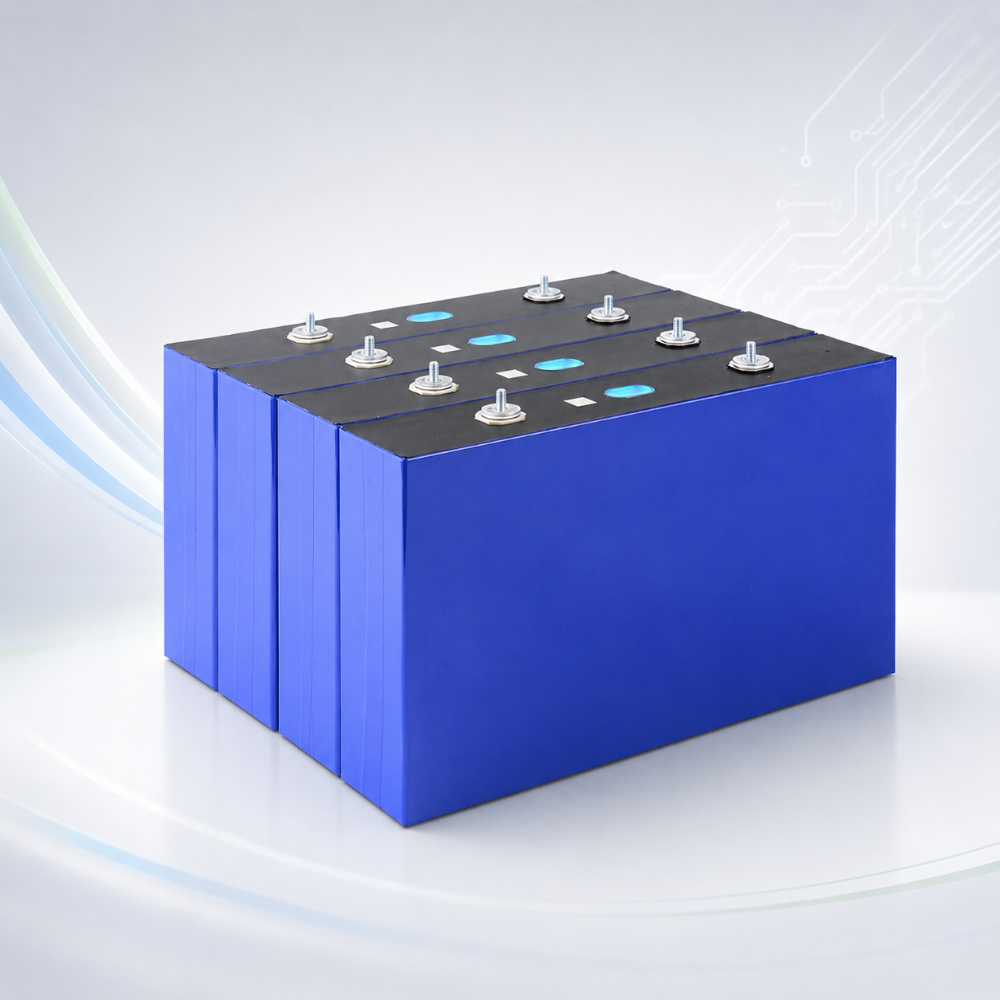
A Battery Pack Consists of Multiple Cells
A single battery cell is usually unable to meet the power demands of complex devices, so multiple cells are combined to improve performance.
- Multiple cells are connected in series or parallel according to design requirements to increase voltage or capacity and adapt to different devices.
- Series connection increases voltage, while parallel connection increases capacity and runtime.
- Different configurations can be designed for high voltage, large capacity, or high discharge rate applications.
Through this combination method, battery packs achieve a balance between performance and stability, providing reliable power support for devices.
A Battery Pack Includes More Than Cells
A complete battery pack is a comprehensive energy system composed of multiple coordinated subsystems.
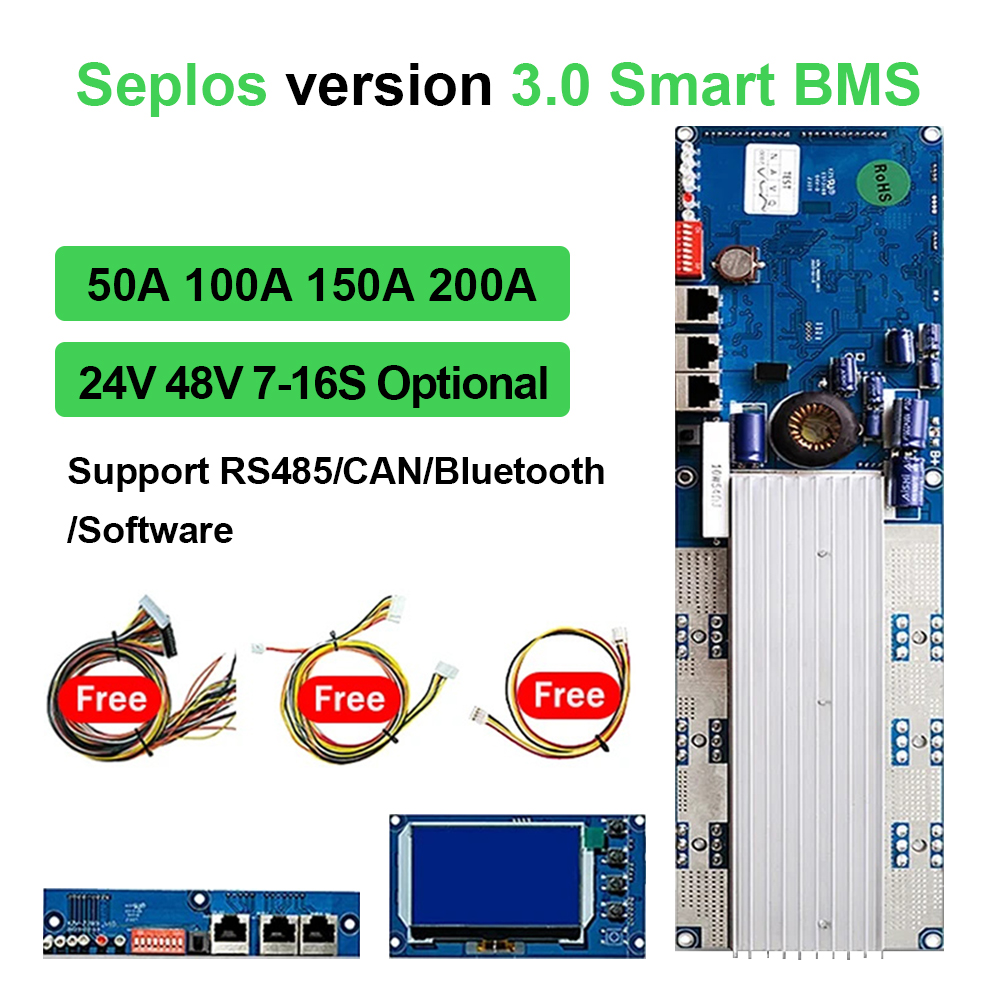
- The Battery Management System (BMS) is responsible for real-time monitoring and regulation, ensuring that cells operate within safe limits.
- The housing and structural components protect internal cells and enhance overall stability.
- Connectors, wiring, and protection devices handle power transmission and safety protection, preventing short circuits and overloads.
These components work together to ensure stable operation even in complex environments.
Structure of a Battery Pack
A stable battery pack consists of several core parts, each serving a different function.
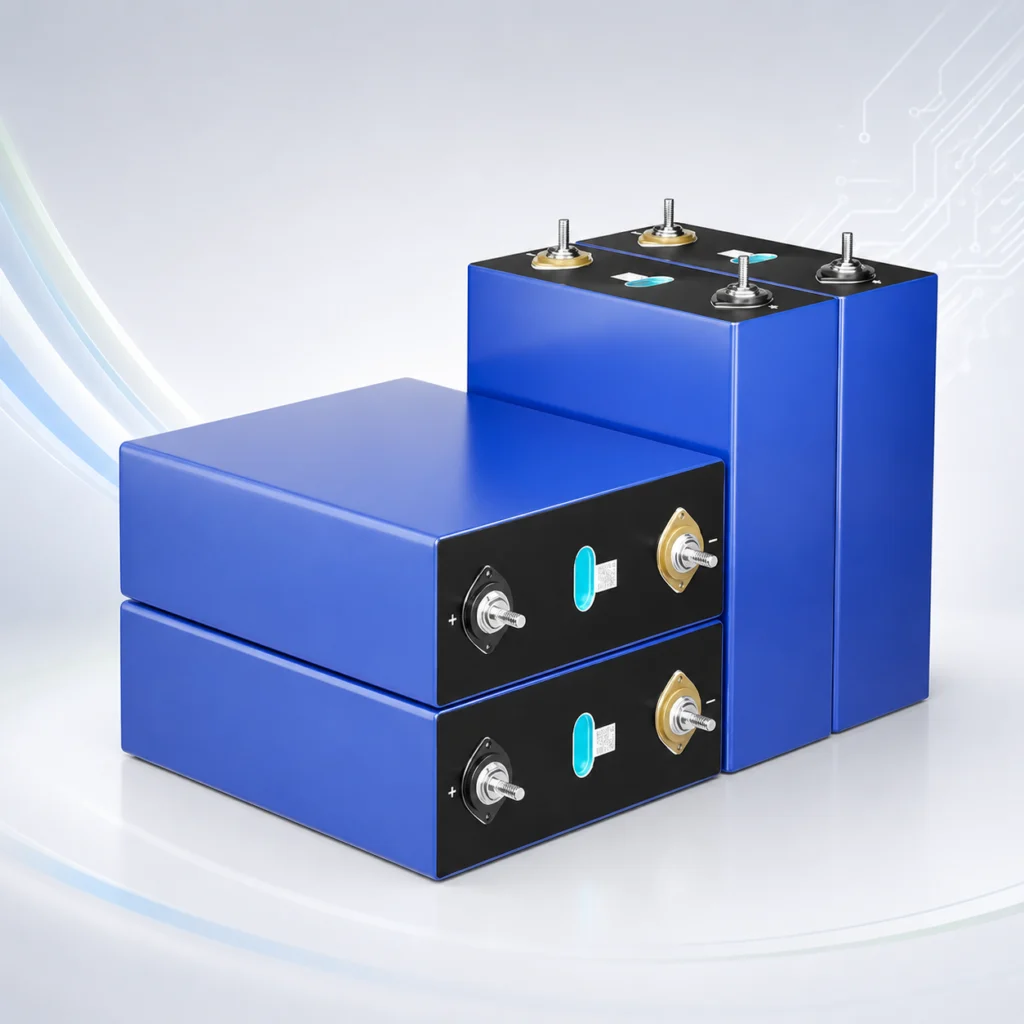
Battery Cells
Battery cells are the core energy source of a battery pack, responsible for storing and releasing electrical energy. They form the foundation of energy conversion, and their capacity and internal resistance directly affect the pack’s runtime and discharge efficiency. Common cell formats include cylindrical, prismatic, and pouch types, each suitable for different application scenarios. High-quality cells are essential for ensuring stable operation of the battery pack.
Battery Management System
The Battery Management System is the control core of the battery pack.
- It monitors voltage, current, and temperature to ensure consistent operation.
- It detects abnormalities and triggers protection mechanisms to avoid safety risks.
- It optimizes charging and discharging strategies to improve lifespan and efficiency.
The BMS enables reliable performance under complex operating conditions.
Housing and Structural Components
The housing and structural parts mainly provide protection and support.
- They secure the cells and prevent damage caused by vibration or impact.
- They offer mechanical protection to adapt to different environments.
- They ensure stable current transmission and reduce energy loss.
Well-designed structures directly affect long-term reliability.
Working Principle of a Battery Pack
A battery pack achieves stable power output through the coordinated operation of multiple cells.
Cells Work Together to Provide Energy
A battery pack stores and releases energy through the collaboration of multiple cells.
- During charging, electrical energy is converted into chemical energy and stored in the cells.
- During discharging, chemical energy is converted back into electrical energy to power devices.
- Through synchronized control, multiple cells discharge together to increase power and stability.
This mechanism allows battery packs to handle high loads and long operating durations.
Real-Time Control by the Battery Management System
Modern battery packs rely on intelligent management systems for precise control and safety assurance. The system continuously collects key data such as voltage, current, and temperature, and dynamically adjusts operating conditions based on changes. During charging and discharging, it precisely controls battery status to prevent overcharging, over-discharging, and overheating. When abnormalities are detected, it immediately activates protection mechanisms to reduce safety risks. Through real-time control, the battery pack remains within a safe and efficient operating range.
Applications and Advantages of Battery Packs
With the development of new energy technologies, battery packs are being used in more fields and their advantages are becoming increasingly evident.
Wide Range of Applications
Battery packs are widely used across multiple industries and play an important role in various scenarios.
- In new energy vehicles and electric transportation, they provide stable power and support long-distance travel.
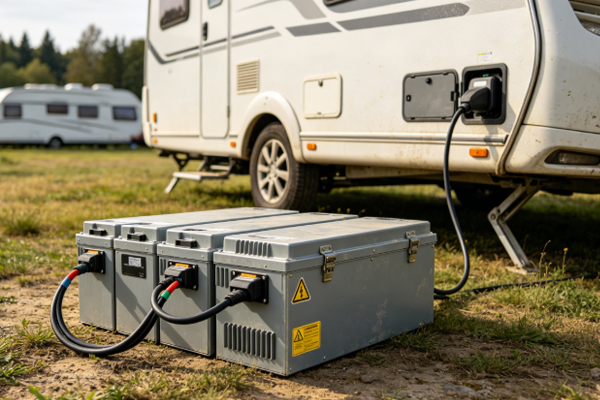
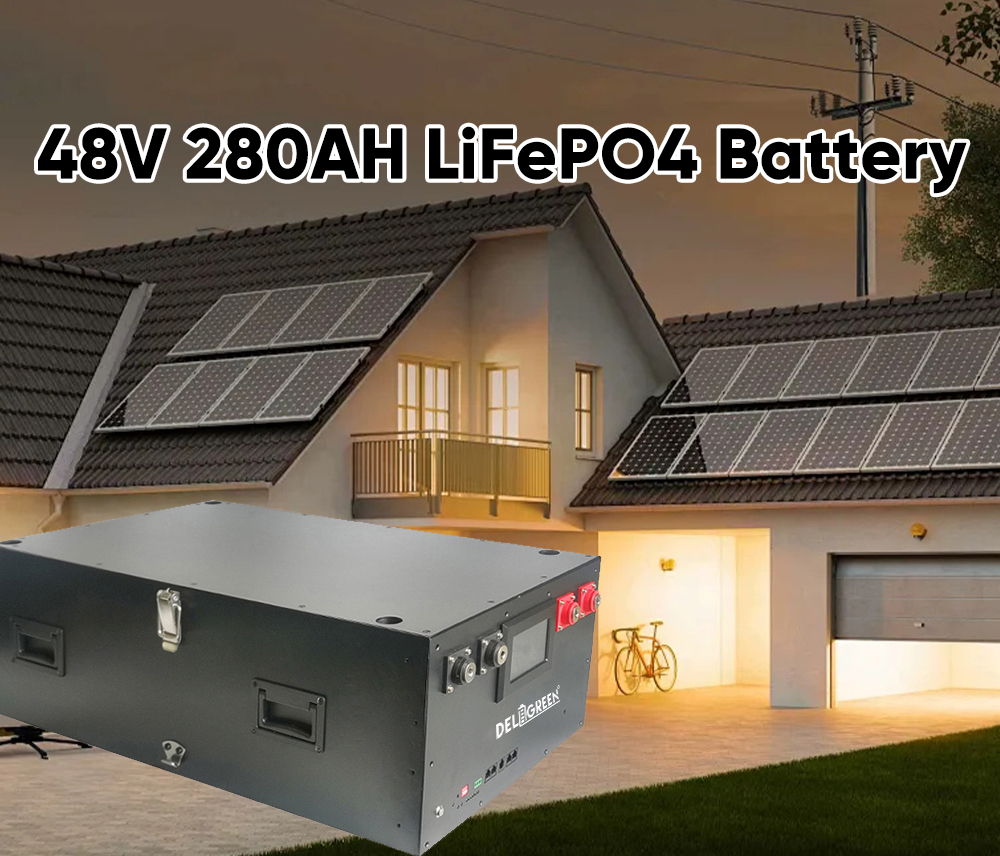
- In residential and commercial energy storage systems, they store electricity and release it during peak demand to improve energy efficiency.
- In power tools and smart devices, they provide portable energy and enhance usability.
- In medical and communication equipment, they ensure continuous operation during power outages.
The widespread use of battery packs highlights their importance in modern energy systems.
Meeting Diverse Power Requirements
Different devices require different power outputs, and battery packs can be flexibly designed to meet these needs.
- Output voltage can be adjusted to match different devices.
- Capacity can be expanded through cell configuration to extend runtime.
- High-power output is supported to meet high-current applications.
This flexibility gives battery packs strong adaptability.
Improved Safety and Reliability
Modern battery packs are continuously optimized in terms of safety design to ensure long-term stable operation.
- Multiple protection systems prevent overcharging, over-discharging, and short circuits.
- Cell consistency management reduces performance differences.
- Optimized thermal design reduces temperature risks under high load.
These improvements collectively ensure safe operation.
Support for Maintenance and Expansion
Modular design makes battery packs easier to use and maintain.
- Faulty modules can be quickly replaced, reducing downtime.
- Capacity can be increased according to demand for system expansion.
- Maintenance costs are reduced over long-term use, improving cost efficiency.
This scalability allows battery packs to adapt to evolving application needs.
In the context of continuous upgrades in the global energy structure, battery packs are playing an increasingly critical role. Through the coordinated operation of multiple cells and the battery management system, they achieve stable and efficient energy output while maintaining a strong balance between safety and performance. With ongoing breakthroughs in material technology, improvements in intelligent management, and advancements in manufacturing processes, battery packs will play an even more important role in new energy vehicles, energy storage systems, industrial equipment, and various smart electronic products, providing more durable and reliable power support for the widespread adoption of green energy.