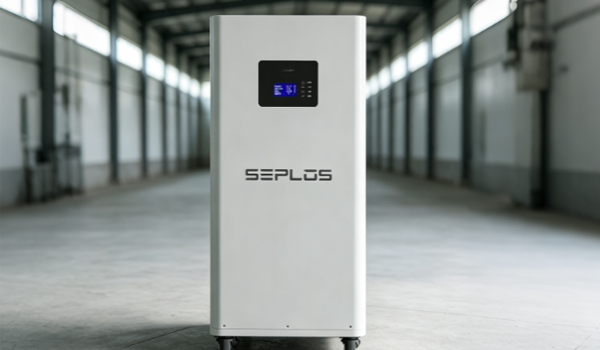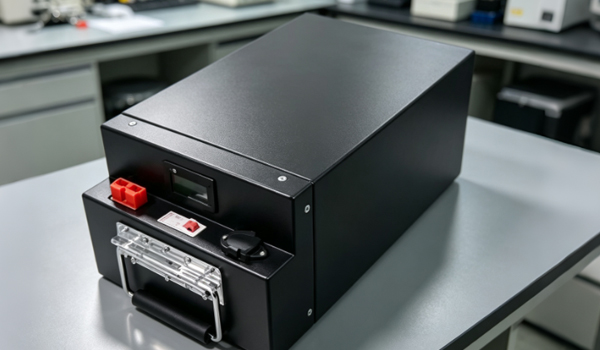
In hospitals, power stability is directly related to patient safety and the normal operation of medical services. Critical equipment such as surgical systems, intensive care monitors, and life-support devices require continuous and reliable electricity. Once a power outage or grid failure occurs, traditional backup power solutions may not always meet the demand for long-term power support. With the development of digital and smart healthcare, more hospitals are adopting energy storage systems as backup power solutions. By implementing efficient hospital battery storage systems, hospitals can quickly provide backup electricity during emergencies while optimizing energy management, reducing operating costs, and creating a more reliable power infrastructure for medical services.
Why Do Hospitals Need Backup Power Energy Storage Solutions?
Hospitals are different from ordinary buildings because many medical devices need to operate continuously around the clock. A power interruption can have serious consequences. Therefore, hospital backup power systems must provide not only basic electricity supply but also fast response, long operation time, and high reliability.
Ensuring Continuous Operation of Critical Medical Equipment
Hospitals rely on many power-dependent devices, including ventilators, patient monitors, surgical equipment, and medical imaging systems. Any unexpected power failure may interrupt medical procedures and affect patient care.
- Support life-support equipment operation: Provide stable power for intensive care units and emergency medical devices.
- Reduce the impact of power outages: Prevent medical services from being interrupted due to energy failures.
- Improve hospital power reliability: Keep critical areas operating normally during emergencies.
For modern hospitals, reliable energy has become an essential part of healthcare infrastructure. A dependable energy storage system provides an additional layer of protection.
Handling Unexpected Power Outages and Energy Fluctuations
Although hospitals usually have traditional backup power systems, limitations may exist in startup time, operating duration, and maintenance costs. Battery energy storage systems can provide a more flexible supplementary solution.
- Enable rapid backup power switching: Provide energy support immediately when grid abnormalities occur.
- Extend backup power duration: Meet longer emergency power requirements.
- Improve energy scheduling flexibility: Distribute electricity according to actual hospital needs.
By adding energy storage equipment, hospitals can build a more complete and reliable energy protection system.
What Are the Applications of Hospital Backup Power Storage Systems?
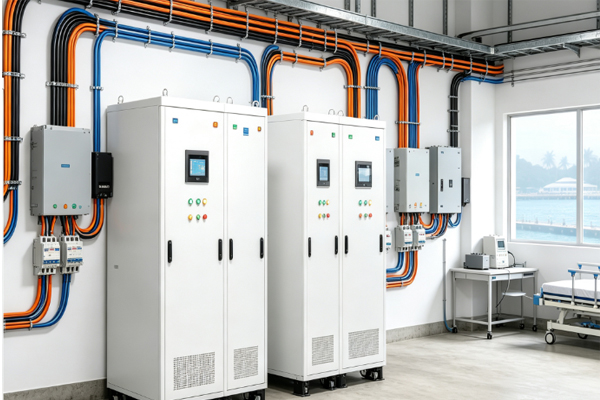
Hospital backup power systems need to be designed according to different areas and equipment requirements. Operating rooms, emergency departments, patient wards, and data centers all have different electricity needs, so storage solutions must be customized based on actual applications.
Main Applications of Hospital Battery Storage Systems
As medical equipment continues to advance, hospitals require more efficient energy management solutions. Battery storage systems are not only used as emergency backup power but can also help optimize daily electricity usage and improve overall energy efficiency.
- Operating room backup power: Ensure stable operation of surgical equipment and supporting systems.
- Medical data center power support: Maintain continuous operation of servers and healthcare information systems.
- Emergency department energy protection: Ensure critical medical procedures are not affected.
- Patient ward power support: Provide electricity for lighting, monitoring devices, and other essential equipment.
Different hospital areas have different power requirements, so suitable battery capacity and storage solutions should be selected based on actual conditions.
Comparison of Common Hospital Energy Storage Battery Solutions
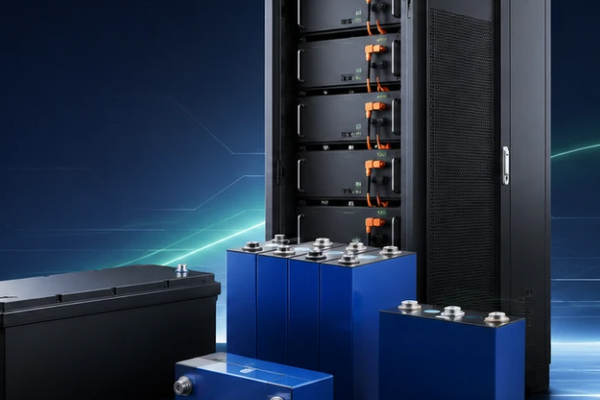
Modern hospital backup power systems commonly use advanced battery technologies such as lithium batteries. Compared with traditional backup power methods, modern energy storage batteries offer advantages in lifespan, safety, and intelligent management. The following comparison helps hospitals better understand different solutions:
| Battery Type | Key Features | Hospital Applications | Overall Advantages |
| Lithium Iron Phosphate Battery | Safe, stable, and long cycle life | Hospital backup power and long-term storage systems | Suitable for long-term operation with lower maintenance costs |
| Ternary Lithium Battery | High energy density | Space-limited energy storage applications | Compact design with high storage efficiency |
| Lead-Acid Battery | Mature technology and lower cost | Small-scale backup power systems | Lower initial investment and widely used |
For long-term hospital applications, battery safety and operational stability are usually more important than simply reducing purchase costs. Selecting the right storage solution can improve the reliability of hospital energy systems.
What Factors Should Be Considered When Choosing Hospital Battery Storage Solutions?
Hospital energy storage systems need to provide reliable service for many years. During selection, hospitals should consider multiple factors, including safety performance, capacity planning, intelligent management, and future maintenance requirements.
Plan Storage Capacity Based on Hospital Power Requirements
Different hospitals have different energy demands. Large comprehensive hospitals need to support more medical equipment, while smaller clinics may focus mainly on essential backup power needs.
- Analyze critical equipment power requirements: Identify which devices require priority protection.
- Calculate backup operating time: Ensure sufficient power during outages.
- Reserve future expansion capacity: Allow additional medical equipment to be added later.
Proper storage capacity planning can prevent insufficient backup power while avoiding unnecessary investment.
Focus on Battery Safety and Intelligent Management Capabilities
Hospitals require high safety standards, and energy storage equipment must provide reliable performance during long-term operation. Battery management systems help hospitals monitor equipment status and improve operational safety.
- Equip intelligent BMS systems: Monitor battery voltage, current, and temperature in real time.
- Prevent abnormal charging and discharging: Reduce battery damage and operational risks.
- Provide operation data analysis: Support better energy management.
- Improve system stability: Ensure reliable backup power performance.
A safe and stable battery system is one of the most important factors when hospitals select backup energy solutions.
How to Improve the Performance of Hospital Backup Power Systems?
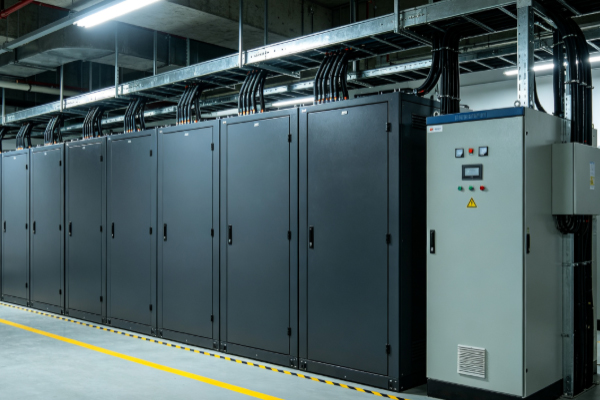
Building a hospital backup power system is not only about installing energy storage equipment. By combining intelligent control, proper maintenance, and professional system design, hospitals can further improve the value of their energy storage solutions.
Improve Efficiency Through Smart Energy Management
Modern hospitals are gradually adopting intelligent energy management systems to optimize electricity usage through real-time data analysis and better power distribution.
- Monitor energy status in real time: Understand storage system operating conditions.
- Optimize electricity distribution: Supply power according to different area requirements.
- Reduce energy waste: Improve overall electricity efficiency.
Smart energy management helps hospitals achieve more precise power control and maximize the value of backup energy systems.
Choose a Professional Hospital Energy Storage Battery Supplier
Hospital storage projects usually require years of stable operation, making supplier experience, technical capability, and service support extremely important. Professional manufacturers can provide solutions based on hospital size, equipment requirements, and installation environments.
- Provide customized energy storage solutions: Meet different hospital application needs.
- Ensure stable battery performance: Reduce the risk of operational failures.
- Offer complete after-sales support: Simplify long-term maintenance management.
Choosing a reliable partner not only ensures product quality but also helps hospitals build a safer and more efficient energy protection system.
Hospital backup power has become an essential part of modern healthcare infrastructure, and hospital battery storage solutions provide medical facilities with more stable and flexible energy support. By properly configuring energy storage batteries, integrating intelligent management systems, and optimizing energy usage, hospitals can improve power reliability, reduce operational pressure, and better respond to unexpected outages. As healthcare continues to move toward digitalization and smart development, high-safety and high-efficiency energy storage solutions will play an increasingly important role in future hospital energy management.