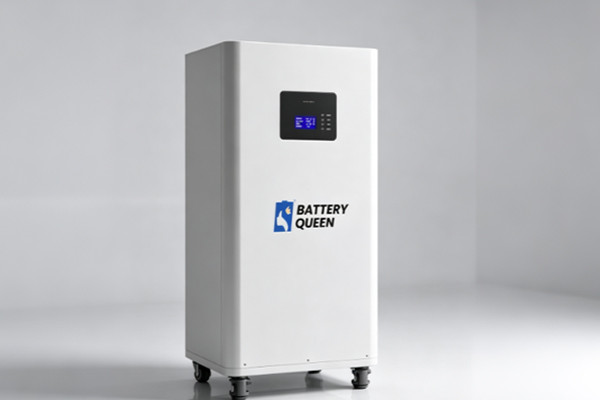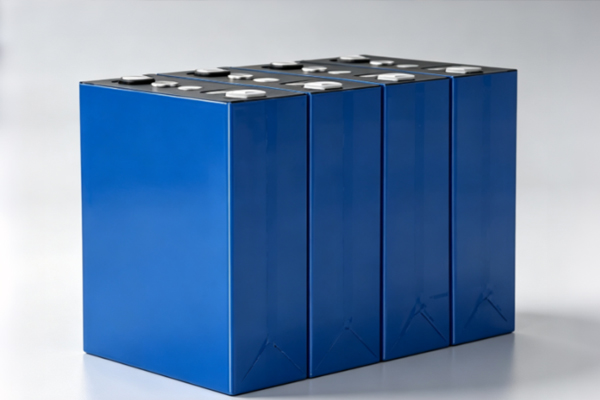
With the rapid growth of urban short-distance transportation, shared electric scooters have become an important part of green mobility in many cities. From campuses and tourist attractions to commercial areas and urban streets, shared scooters provide users with a more convenient way to travel. However, for operators, the increasing number of vehicles also brings challenges such as insufficient battery range, frequent charging, and shortened battery lifespan, which can affect daily operations. As the core power source of shared scooters, scooter batteries not only determine the riding distance after each charge but also influence maintenance costs and user experience. Choosing a reliable and efficient battery solution can help shared mobility companies improve vehicle availability and achieve more stable smart transportation management.
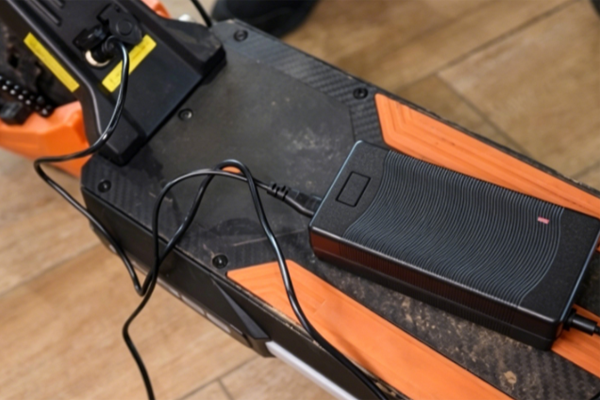
Why Do Shared Electric Scooters Need Professional Battery Solutions?
Unlike personal electric scooters, shared scooters face higher usage frequency, multiple users, and more complex operating environments. Vehicles may experience repeated starts, acceleration, braking, and charging cycles every day, which creates higher requirements for battery performance. A reliable battery system needs to provide stable power output while also offering long service life and strong safety performance.
Meeting the High-Frequency Usage Requirements of Shared Scooters
Shared scooters usually need to operate throughout the day, especially during commuting hours, holidays, and tourist seasons when demand increases significantly. If battery range is insufficient, vehicles may need frequent charging or maintenance, reducing operational efficiency.
- Provide stable power output: Ensure scooters operate properly under different road conditions and load levels.
- Extend riding distance per charge: Reduce the frequency of battery replacement or charging operations.
- Support high-cycle charging and discharging: Meet the daily usage requirements of shared mobility services.
For shared mobility companies, reliable scooter batteries directly affect vehicle availability and user satisfaction.
Reduce Maintenance and Operating Costs
Large-scale shared scooter operations usually involve hundreds or thousands of vehicles. If battery quality is unstable, maintenance costs can increase significantly. Frequent battery replacement not only raises expenses but also reduces vehicle availability.
- Reduce battery replacement frequency: Extend the overall service life of scooters.
- Lower maintenance workload: Reduce vehicle downtime caused by battery failures.
- Improve operational profitability: Keep more vehicles available for users.
During long-term operation, selecting batteries with longer lifespan and better stability can help companies control overall costs.
What Types of Batteries Are Commonly Used in Shared Electric Scooters?
Different shared scooter projects have different battery requirements. Urban shared fleets may focus more on range and safety, while high-frequency rental operations may pay greater attention to fast charging and cycle life. Therefore, battery selection should be based on vehicle quantity, usage frequency, and operating environment.
Comparison of Common Shared Scooter Battery Solutions
Currently, most shared electric scooters use lithium batteries as their power source, including lithium iron phosphate batteries, ternary lithium batteries, and other advanced lithium battery solutions. Different battery types vary in weight, safety, lifespan, and cost. To help operators better understand the differences, the following comparison highlights the characteristics of common battery options.
| Battery Type | Main Features | Suitable Applications | Key Advantages |
| Lithium Iron Phosphate Battery | High safety and long cycle life | Large-scale shared scooter fleets | Stable performance and suitable for long-term operation |
| Ternary Lithium Battery | High energy density and lightweight design | Models requiring longer range and lower weight | Provides stronger endurance capability |
| Smart Lithium Battery System | Integrated BMS and intelligent monitoring | Smart shared mobility platforms | Supports remote monitoring and battery management |
From an operational perspective, shared scooter batteries should not only be evaluated by capacity. Safety, maintenance requirements, and long-term management efficiency are equally important. Choosing the right battery type can help operators maintain better vehicle performance.
Lithium Iron Phosphate Batteries Are Suitable for Long-Term Shared Operations
In the shared electric scooter market, lithium iron phosphate batteries are receiving increasing attention from operators. Compared with some traditional battery solutions, they provide better cycle performance and safety, making them more suitable for frequent and long-term usage.
- Longer cycle life: Supports more charging cycles and reduces replacement costs.
- Stable safety performance: Provides better thermal stability and reduces potential risks.
- Adaptability to different environments: Suitable for outdoor urban transportation conditions.
- Lower maintenance requirements: Helps reduce long-term operating pressure.
For large-scale shared mobility projects, stable and reliable battery performance is essential.
What Factors Should Be Considered When Choosing Shared Scooter Batteries?
Shared electric scooter batteries are not simply about selecting the largest capacity. They need to be matched with the actual operating model. An unsuitable battery design may lead to short range, inefficient charging, or increased operational costs.
Determine Battery Capacity Based on Operating Requirements
Different locations have different range requirements. For example, scooters used in tourist areas may have shorter daily distances, while urban shared fleets may require longer operating hours.
- Analyze average daily riding distance: Understand actual energy consumption patterns.
- Consider peak usage periods: Prevent insufficient power during high-demand times.
- Balance capacity and vehicle weight: Avoid affecting riding experience due to oversized batteries.
Proper battery capacity planning can improve vehicle utilization while reducing unnecessary energy costs.
Focus on Battery Safety and Intelligent Management Features
Shared scooters are usually parked outdoors and exposed to changing temperatures, rain, and different user behaviors. Therefore, battery protection and intelligent management functions are very important.
- Include advanced BMS systems: Monitor voltage, current, and temperature in real time.
- Support abnormal condition alerts: Identify potential battery problems quickly.
- Improve battery safety performance: Reduce operational risks.
- Enable remote data management: Help operators track battery conditions.
Intelligent battery management has become an important trend in the development of shared mobility, helping operators improve efficiency and control.
How to Extend the Service Life of Shared Electric Scooter Batteries?
Besides selecting the right battery products, proper usage and maintenance methods also affect scooter battery lifespan. For shared mobility companies managing large fleets, scientific battery management can reduce long-term maintenance expenses.
Establish an Effective Battery Maintenance System
With a large number of shared vehicles, relying only on manual inspection makes it difficult to identify every problem in time. A more systematic maintenance approach is needed.
- Regularly check battery health status: Detect capacity reduction and performance issues early.
- Avoid excessive charging and discharging: Reduce battery degradation.
- Adjust maintenance plans based on usage conditions: Improve management efficiency.
Scientific maintenance helps batteries maintain stable performance and extends the service life of shared scooters.
Choose a Professional Scooter Battery Supplier
Large-scale shared scooter projects require reliable battery supply, so the supplier’s production capacity, technical experience, and after-sales support are extremely important. Professional manufacturers can provide battery solutions based on scooter models and operational requirements.
- Provide customized battery designs: Meet different scooter model requirements.
- Ensure product consistency: Simplify large-scale fleet management.
- Offer technical support services: Solve problems during long-term operation.
Choosing a reliable battery partner is not only about purchasing products but also about improving the stability of the entire shared mobility system.
The development of shared electric scooters depends on reliable energy support, and high-performance scooter batteries are the foundation for stable fleet operation. By selecting the right battery type, optimizing capacity configuration, and applying intelligent BMS management systems, shared mobility operators can improve vehicle range, reduce maintenance costs, and enhance user experience. As green transportation and smart mobility continue to grow, professional scooter battery solutions will play an increasingly important role in providing efficient, reliable, and sustainable energy support for urban transportation.