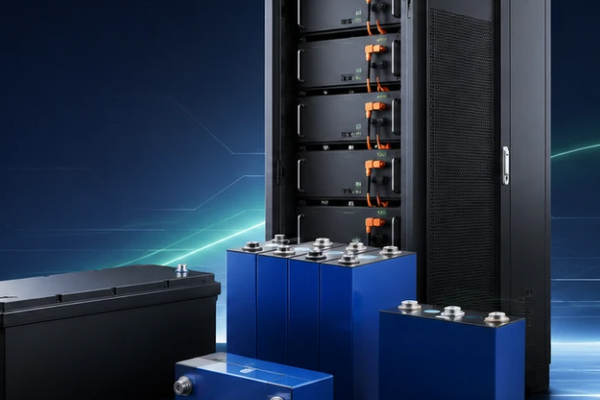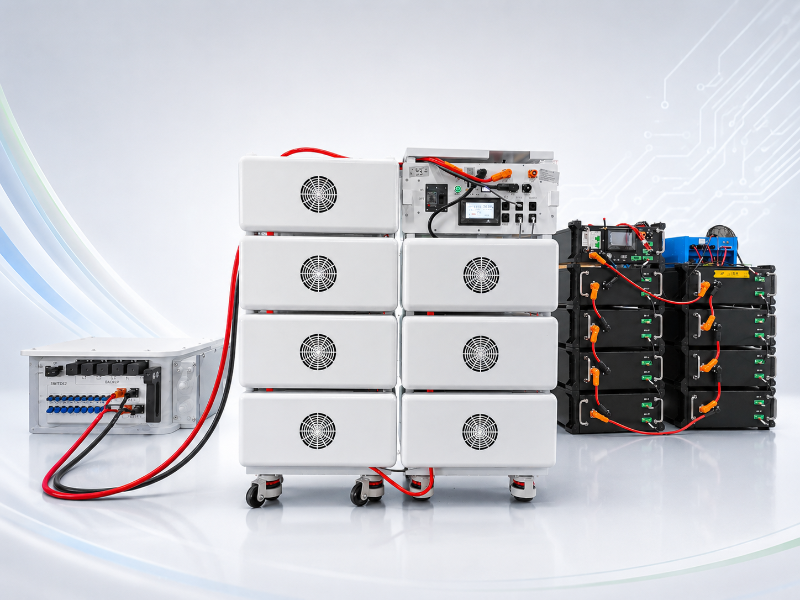
C&I (Commercial & Industrial) battery energy storage systems are widely used in factories, industrial parks, commercial buildings, warehouses, office buildings, hotels, and other medium- and large-scale electricity consumption sites. As demand for photovoltaic integration, peak and off-peak electricity management, and backup power continues to grow, LiFePO4 battery-based C&I energy storage systems are becoming increasingly popular. Compared with residential energy storage, C&I systems generally have larger battery capacities, higher charging and discharging power, and more complex electrical connections. Installation therefore requires careful consideration of equipment selection, installation space, electrical protection, heat dissipation, fire safety, communication, commissioning, and maintenance. Installation quality directly affects the operating efficiency and service life of the energy storage system. Large-capacity LiFePO4 battery systems should be designed according to site loads, grid conditions, and equipment specifications to ensure stable coordination between batteries, energy storage inverters, BMS, EMS, and power distribution equipment. A properly installed system can improve operational reliability while helping businesses achieve peak shaving, photovoltaic energy utilization, and backup power supply.
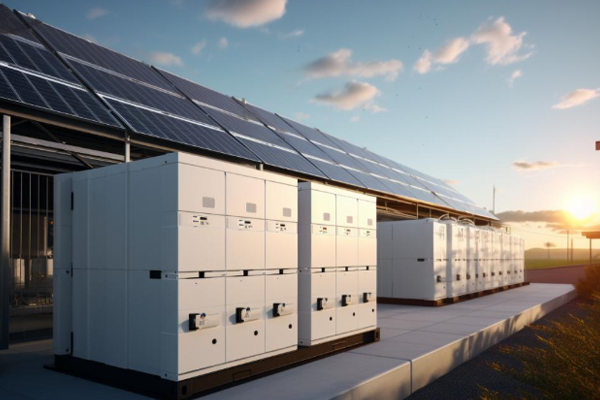
Plan the Energy Storage System Before Installation
Before installing a C&I energy storage system, a detailed site assessment should be completed according to the company’s actual electricity consumption. Factories, shopping centers, hotels, and warehouses have different load profiles, so storage capacity and power cannot follow a universal configuration. The installation team should evaluate daily electricity consumption, maximum demand, peak and off-peak electricity prices, photovoltaic generation, and the operating schedules of critical equipment before selecting battery capacity and inverter power. For peak shaving applications, the company’s load profile should be analyzed to determine appropriate battery charging and discharging periods. For backup power applications, critical loads should be identified and dedicated backup circuits should be planned. The installation location should also be evaluated in advance, including floor load capacity, equipment transportation access, cable routing, ventilation, and maintenance space. When modular LiFePO4 batteries are used, sufficient rack space and electrical interfaces should be reserved for future expansion. Proper preliminary planning can reduce problems such as unsuitable equipment placement, capacity mismatch, and unexpected electrical modification costs during installation.
Key Requirements for Installing C&I Energy Storage Batteries
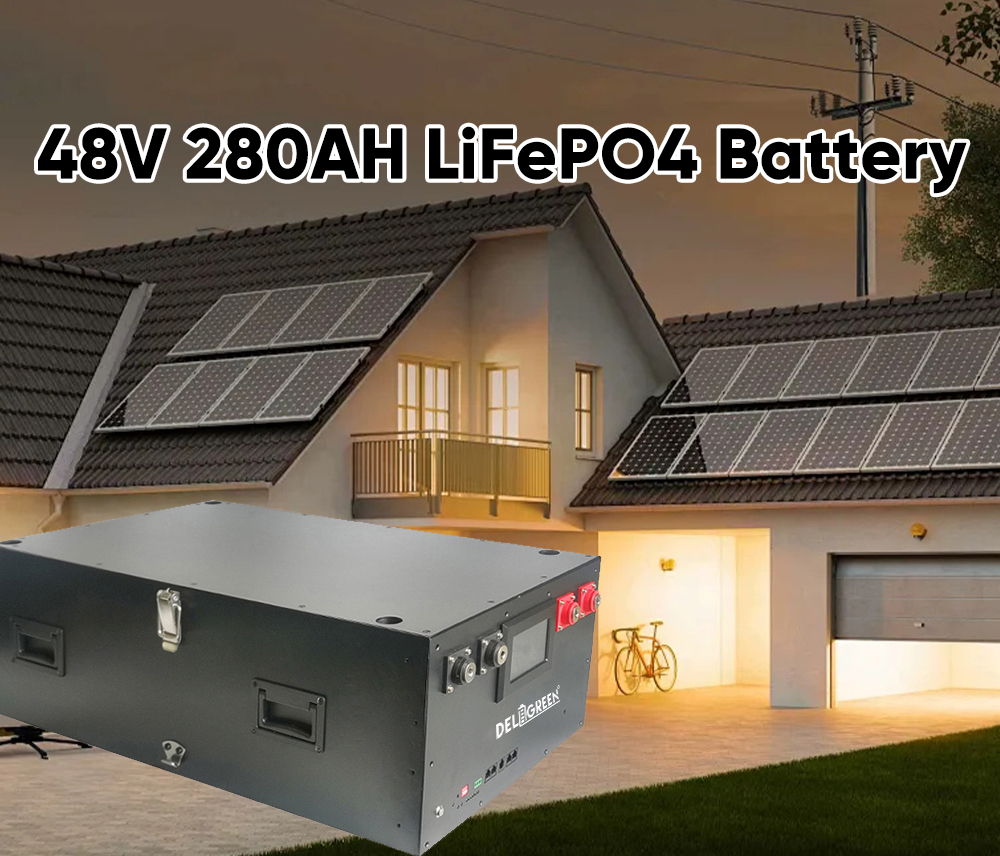
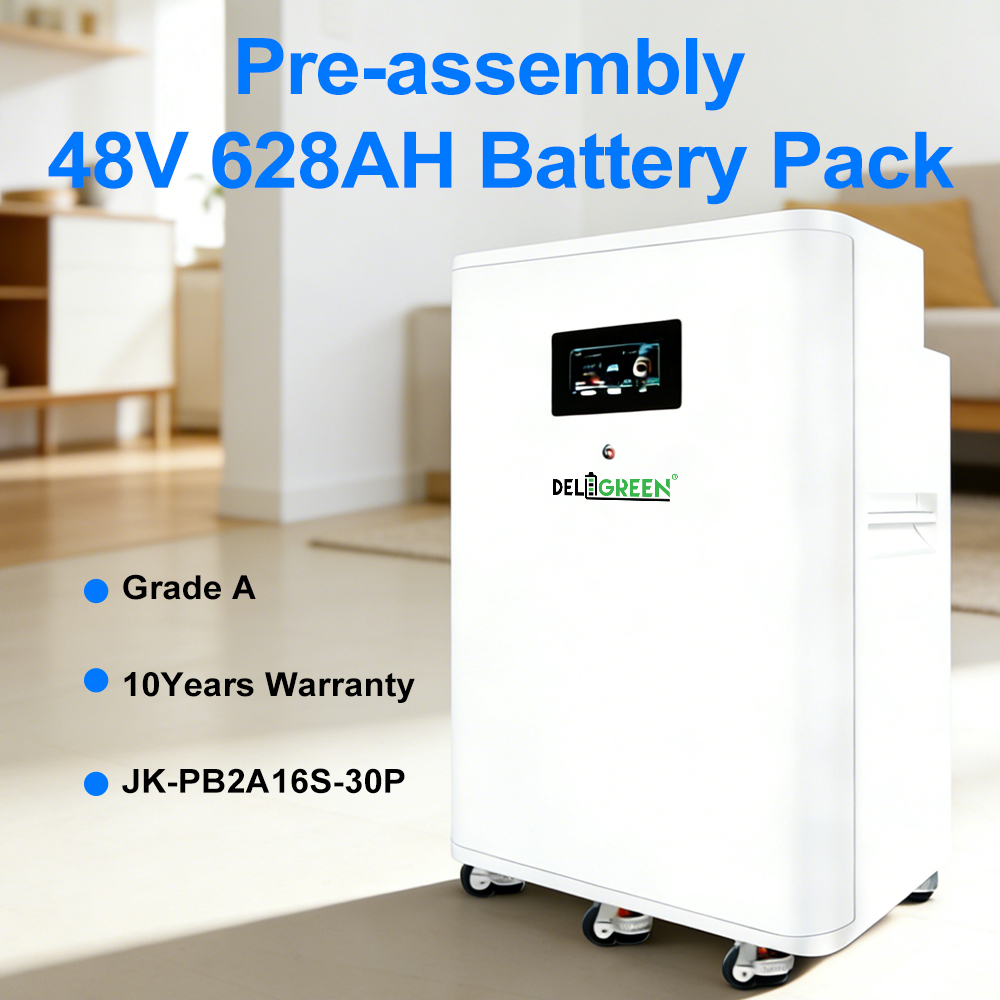
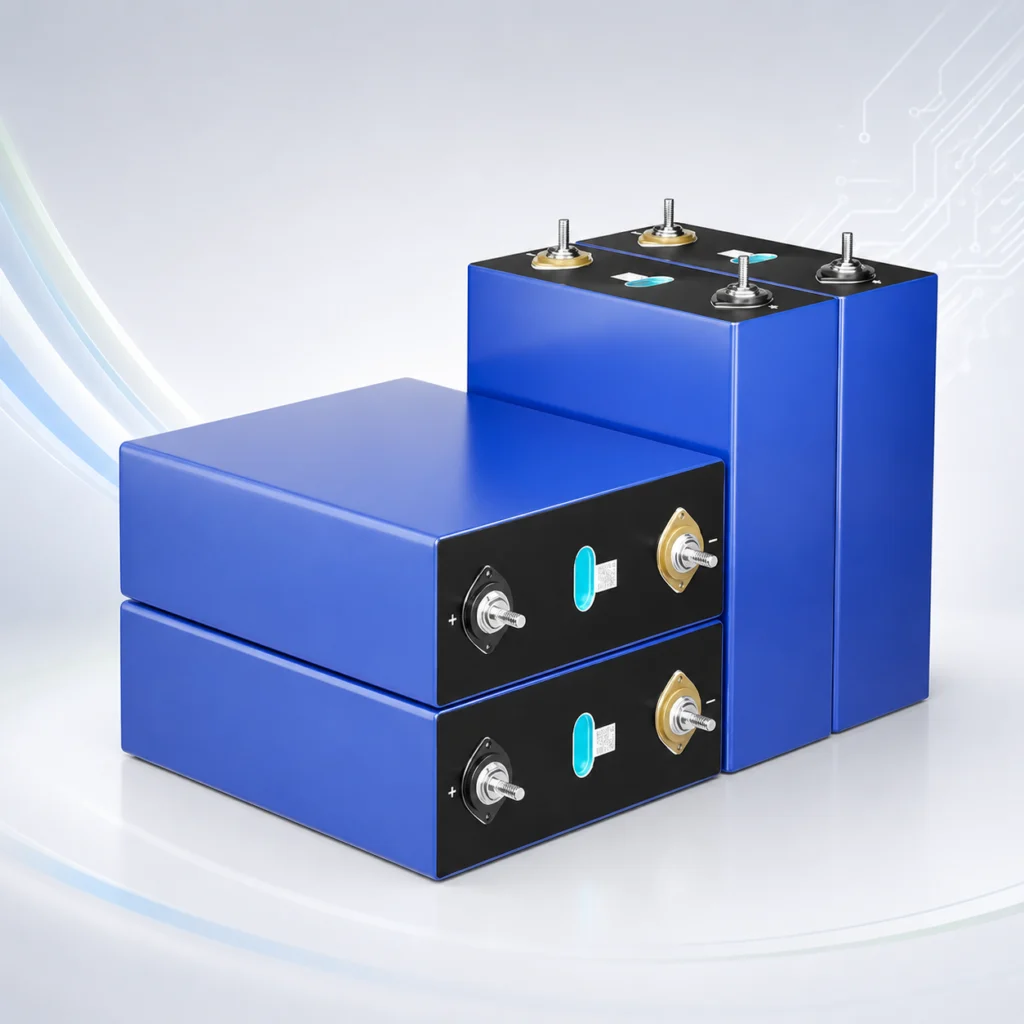
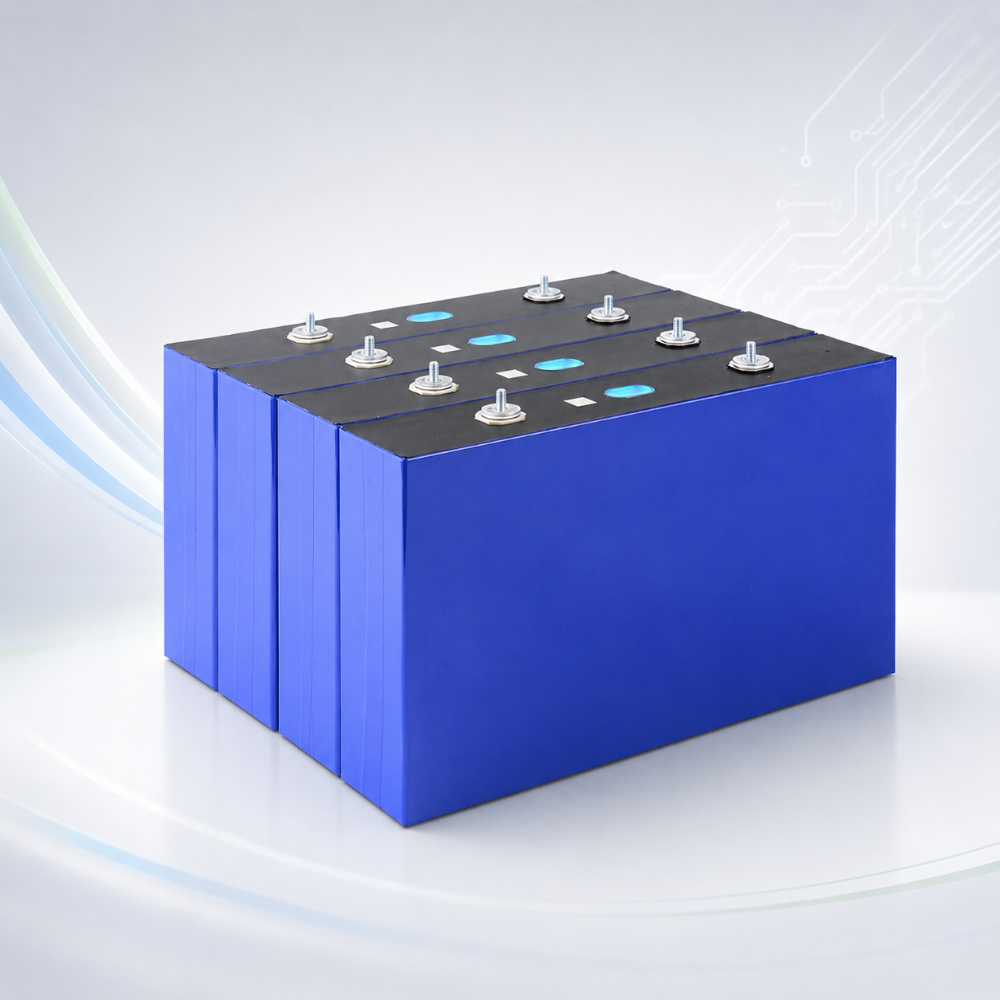
LiFePO4 batteries are an important part of C&I energy storage systems. Large-capacity battery installations require careful attention to equipment stability, environmental conditions, and electrical connections. Proper installation helps reduce mechanical and thermal management issues during operation.
- Select an Appropriate Installation Location:Battery cabinets or racks should be installed in a dry, well-ventilated, clean, and easily accessible location. Prolonged exposure to direct sunlight and high temperatures should be avoided. Sufficient space should be maintained around the equipment for heat dissipation, inspection, and maintenance.
- Ensure Adequate Floor and Rack Load Capacity:Large-capacity LiFePO4 batteries can be heavy, so the floor and battery rack must be checked to ensure they can safely support the equipment. After installation, battery cabinets and racks should remain stable and protected from tilting, movement, or mechanical impact.
- Connect Battery Wiring Correctly:Battery positive and negative terminals, power cables, and communication cables must be connected according to the equipment manufacturer’s requirements. Polarity, cable size, and terminal specifications should be checked carefully. When multiple battery modules are connected in parallel, their parameters and SOC levels should also be verified.
- Maintain Proper Heat Dissipation:Energy storage batteries generate some heat during charging and discharging. The installation area should therefore provide adequate airflow. Large energy storage systems may require appropriate ventilation or temperature control measures according to the site environment.
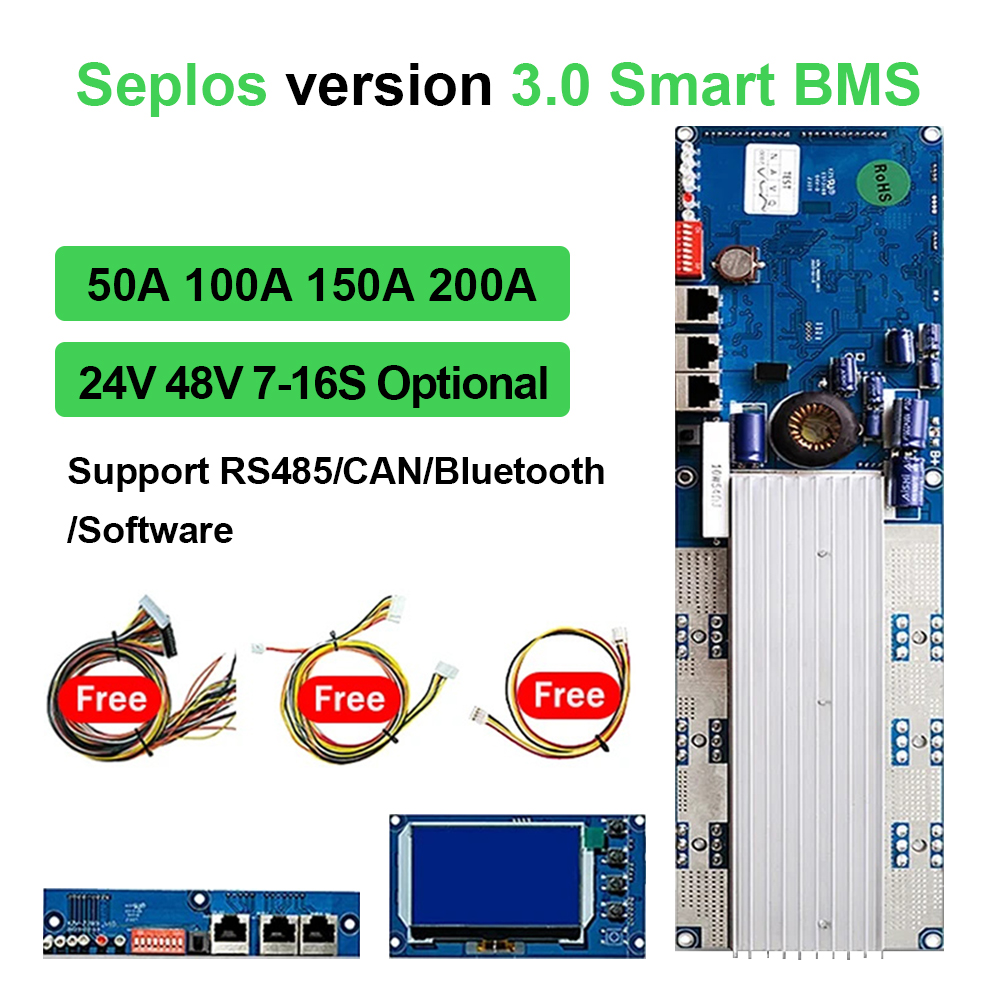
- Check BMS Communication:The BMS needs to communicate properly with the inverter or energy management equipment to transmit information such as voltage, current, temperature, and SOC. Communication addresses, protocols, and wiring should be checked before commissioning.
After the batteries are installed, the battery modules, racks, electrical connections, and communication status should be inspected thoroughly. System energization and commissioning should only begin after confirming that the installation is stable and properly connected.
How Should the Energy Storage Inverter and Power Distribution System Be Installed?
The energy storage inverter converts DC electricity from the battery into AC electricity and performs the reverse conversion during charging, making it a critical power conversion device in a C&I energy storage system. During installation, the location should be selected according to the inverter’s rated power, input voltage range, and output voltage requirements, while sufficient ventilation space should be maintained around the unit for heat dissipation. DC cables between the inverter and battery should be selected according to the maximum operating current. For longer cable runs, voltage drop and energy losses should also be considered. On the AC side, the inverter must be connected to the facility’s distribution system, with circuit breakers, isolation switches, fuses, and other protective equipment configured according to the project design. Large C&I energy storage projects require appropriate electrical protection on both the DC and AC sides to reduce the impact of overcurrent and short-circuit faults. Communication between the inverter and battery BMS must also remain stable so that operating data can be exchanged correctly and charging and discharging can be controlled effectively. After all wiring is completed, terminal tightness, insulation, grounding, and communication status should be inspected according to the manufacturer’s requirements before the system is started.
Why Are EMS Commissioning and Fire Safety Important?
Before a C&I energy storage system is put into operation, coordinated commissioning of the BMS, inverter, and EMS should be completed. The EMS can establish charging and discharging strategies according to facility loads, photovoltaic generation, battery SOC, and time-of-use electricity prices. For example, the system can charge batteries during low-price periods and discharge them during high-price periods, helping reduce electricity purchases during peak periods. If the system is integrated with a photovoltaic installation, operating strategies such as prioritizing solar power for loads and charging batteries with surplus solar electricity should also be configured. During commissioning, battery voltage, temperature, SOC, charging and discharging current, and alarm information should be checked to ensure that data is correctly transmitted to the monitoring platform.
Fire safety should also be designed according to applicable local regulations, building conditions, and energy storage equipment requirements. The storage installation area should remain clean and free from combustible materials such as cardboard boxes and oil products. Clear safety signs and necessary emergency equipment should be provided. For large-scale projects, fire protection, ventilation, temperature monitoring, and emergency shutdown systems should be designed according to specific site conditions. Personnel entering the energy storage area for maintenance should follow operating procedures and should not perform unauthorized live electrical work.
Inspection and Maintenance Requirements After Installation
After a C&I energy storage system has been installed, it should undergo comprehensive acceptance testing and trial operation before entering long-term operation. Inspection items should include battery module installation, rack stability, DC wiring, AC wiring, grounding, protective devices, inverter operation, BMS communication, and EMS parameters. During trial operation, the system should be monitored under charging, discharging, and changing load conditions to confirm that battery voltage, current, temperature, and SOC remain within appropriate operating ranges.
Businesses should also establish energy storage operating records and regularly review alarm information and historical data through the monitoring platform. If abnormal battery temperature, unusual SOC changes, communication failures, or equipment alarms occur, abnormal operation should be stopped and qualified professionals should inspect the system. The installation area should also be checked regularly for ventilation, temperature control, cables, and electrical terminals. Dust, moisture, or loose connections can negatively affect system performance and reliability. For C&I energy storage projects using LiFePO4 batteries, periodic maintenance should be established according to the manufacturer’s recommendations and adjusted according to actual charging and discharging cycles and operating conditions. Proper installation, careful commissioning, and regular maintenance can help C&I battery energy storage systems operate reliably, improve peak and off-peak electricity management, increase photovoltaic energy utilization, provide dependable backup power, and extend the practical service life of energy storage equipment.