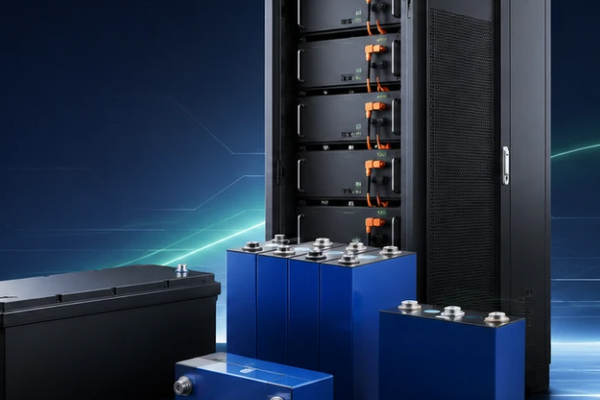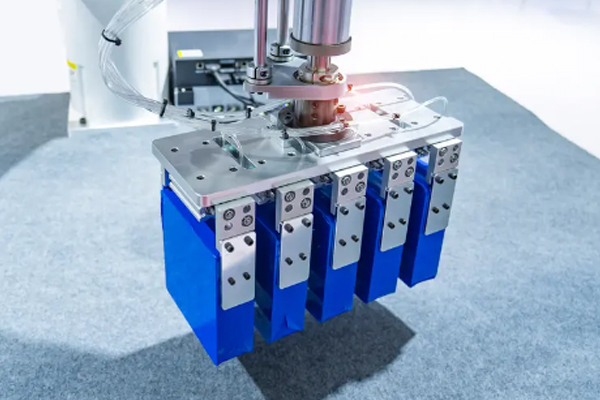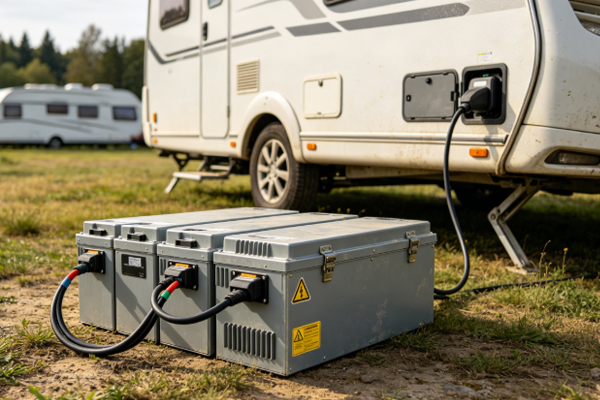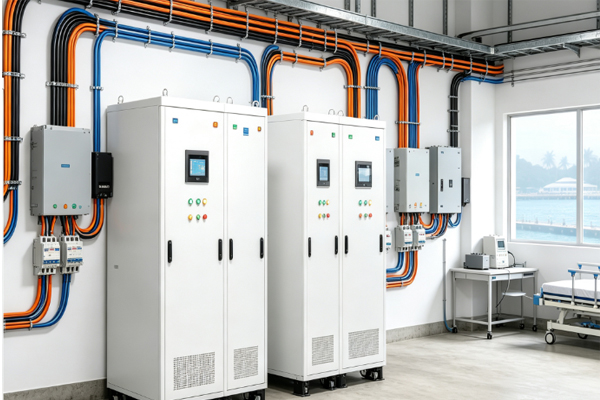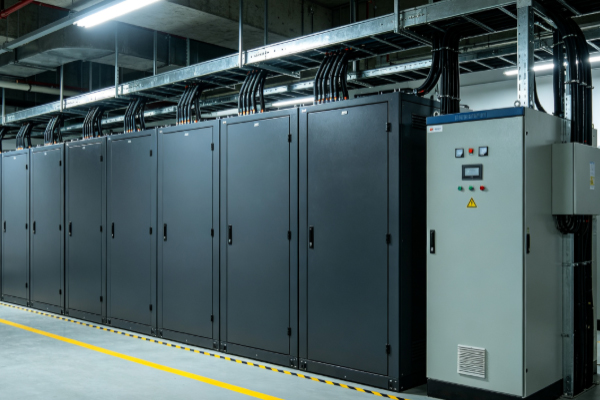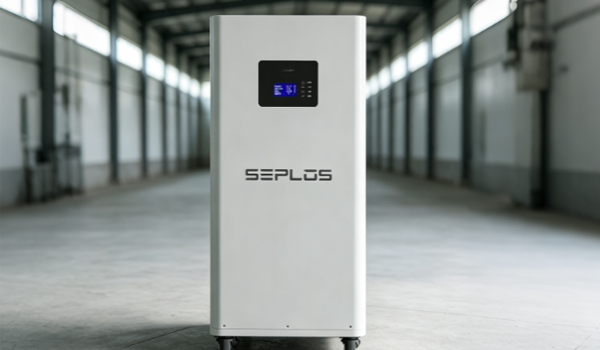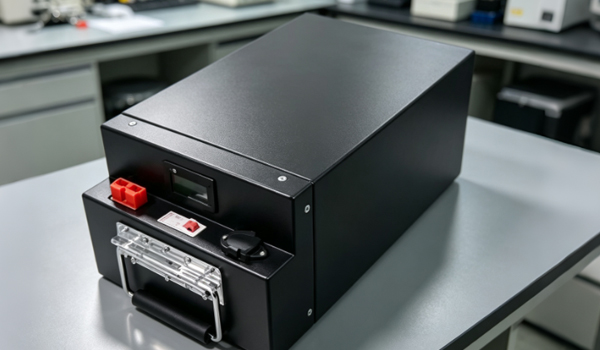
School cafeterias have concentrated electricity demand because kitchen cooking, food processing, refrigeration, freezing, ventilation, lighting, hot water, and cleaning equipment often operate during the same periods. Breakfast, lunch, and dinner create clear electricity consumption peaks, which can increase the load pressure on the campus power system. A LiFePO4 energy storage battery solution can work together with PCS, BMS, EMS, and power distribution equipment to improve the flexibility and reliability of cafeteria power supply. LiFePO4 batteries offer good cycle performance, thermal stability, and long-term operating capability, making them suitable for daily energy storage applications in schools. The system can store electricity during off-peak periods and release energy during meal-time peaks, while giving priority to refrigeration, lighting, monitoring, and other important loads.
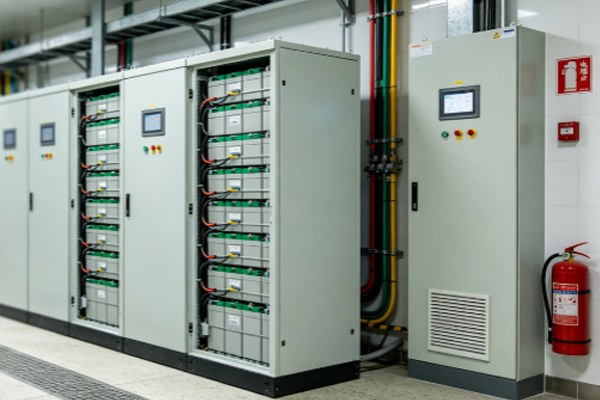
LiFePO4 Energy Storage Reduces Peak Electricity Pressure in School Cafeterias
Compared with ordinary classroom loads, cafeteria electricity consumption is more concentrated and often includes high-power kitchen equipment. Induction cookers, steamers, ovens, exhaust systems, hot water equipment, and refrigeration units can operate simultaneously during meal preparation. A properly configured energy storage battery can provide additional power during these periods, helping reduce peak demand and improve the stability of the cafeteria’s electrical system.
Optimize Cafeteria Energy Use Through Peak and Off-Peak Charging
The energy storage system can automatically adjust charging and discharging according to the school’s electricity consumption schedule and electricity tariff periods. Through coordinated energy management, stored electricity can be used during periods of concentrated cafeteria demand.
- Store electricity during low-load periods: The battery can charge when campus electricity demand is relatively low, building up available energy for later use.
- Discharge during meal-time peaks: Stored energy can provide supplementary power when cooking and food preparation equipment operates intensively.
- Adjust loads dynamically: The system can respond to changes in cafeteria electricity demand and regulate battery output according to actual load conditions.
- Improve peak-to-off-peak energy management: Scheduled charging and discharging can make better use of lower-cost electricity periods and reduce pressure during high-demand periods.
Regular charging and discharging allows the energy storage system to participate continuously in cafeteria energy management and provides a more flexible electricity supply.
Energy Storage Batteries Support Kitchen Equipment Operation
Energy storage batteries can provide supplementary or backup power for different cafeteria loads. A practical system can assign different power priorities according to equipment importance, operating time, and power consumption characteristics.
| Cafeteria Equipment | Energy Storage Application | Power Supply Characteristics |
| Induction Cookers | Auxiliary power during peak periods | Relatively high power demand |
| Steamers/Ovens | Peak load adjustment | Concentrated operating periods |
| Cold Storage/Freezers | Backup energy support | Continuous operation |
| Exhaust Equipment | Auxiliary peak power | Operates together with cooking equipment |
| Disinfection Equipment | Peak load adjustment | Scheduled operation |
| Lighting Systems | Backup power supply | Important basic load |
| Hot Water Equipment | Peak/off-peak energy storage support | Concentrated electricity consumption |
By matching battery capacity and PCS output with cafeteria load characteristics, the system can provide more targeted power support while improving the utilization of stored energy.
Long Cycle Life Meets the Daily Operating Needs of School Cafeterias
School cafeterias have a highly repetitive daily operating schedule. Kitchen equipment is used regularly during meal preparation, refrigeration equipment may operate continuously, and lighting, ventilation, hot water, and cleaning systems create recurring electricity demand. LiFePO4 batteries are well suited to this operating pattern because they provide good cycle durability when properly configured and managed. With an appropriate BMS, charging and discharging can be controlled according to battery status, while the EMS can coordinate operation according to campus electricity demand. This helps create a stable energy storage system for long-term cafeteria use.
Cafeteria Energy Storage Applications Cover Kitchen and Support Equipment
A school cafeteria energy storage system can serve more than cooking equipment. Food storage, cleaning, disinfection, ventilation, lighting, hot water, monitoring, and other support loads can also be included in the energy management strategy. By setting load priorities, the system can continue supporting important equipment when electricity demand rises or when the main power supply experiences an interruption.
Refrigeration and Food Preservation Equipment Receive Continuous Energy Support
Refrigerators, freezers, cold rooms, and other food preservation equipment are important components of cafeteria operations. Their operation needs to remain stable because temperature changes can affect food storage conditions and operational safety. An energy storage battery can provide backup electricity to selected refrigeration loads when the grid supply becomes unstable. The EMS can also assign refrigeration equipment a higher priority during backup operation, allowing critical loads to continue receiving power while less important loads are temporarily reduced. This configuration can improve power continuity for food storage and help the cafeteria maintain normal service.
EMS Enables Intelligent Cafeteria Energy Management
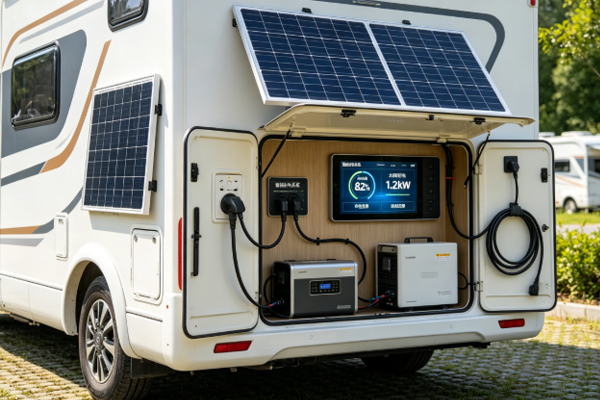
An Energy Management System can connect the LiFePO4 battery, PCS, BMS, power distribution equipment, photovoltaic system, and major cafeteria loads into an integrated management platform. The EMS can monitor electricity consumption, battery status, charging and discharging conditions, and system operating parameters in real time. Based on preset strategies, it can schedule charging during suitable periods and release stored energy during high-demand periods. When photovoltaic generation is available, the EMS can also prioritize direct use of solar power and store excess generation in the battery. This coordinated control method helps schools improve energy utilization and manage cafeteria electricity consumption more efficiently.
Solar Energy Storage Reduces Clean Energy Waste in Cafeterias
Many schools have suitable rooftop or building-area space for photovoltaic systems. When solar panels generate electricity during the daytime, part of the energy can directly supply cafeteria loads such as refrigeration, ventilation, lighting, and food preparation equipment. If photovoltaic generation exceeds immediate demand, the surplus electricity can be stored in LiFePO4 batteries for later use. The stored energy can then support cafeteria loads during periods when solar output declines or electricity demand increases. Combining photovoltaic generation with energy storage can improve renewable energy utilization and contribute to a greener campus power system.
High-Performance LiFePO4 Batteries Ensure Stable Cafeteria Operation
A cafeteria energy storage system needs to balance peak power support, daily energy management, and emergency backup requirements. Battery capacity should be selected according to the cafeteria’s average electricity consumption, peak load, equipment startup requirements, desired backup duration, and future expansion plans. PCS power should also match the operating characteristics of high-power kitchen equipment. A properly designed system can provide stable energy support without unnecessarily increasing the initial system size.
Battery Safety Performance Fits the School Cafeteria Environment
School cafeteria areas can experience higher temperatures, humidity, oil vapor, and frequent equipment operation than ordinary office spaces. The energy storage battery should not be installed directly inside the cooking area. A dedicated and properly ventilated energy storage room is recommended, together with appropriate temperature monitoring, electrical protection, fire protection, and environmental management. LiFePO4 chemistry has good thermal stability, while the BMS can monitor voltage, temperature, current, and other battery parameters. These features help maintain controlled and reliable battery operation when the system is designed, installed, and maintained according to applicable safety requirements.
Modular Energy Storage Makes Future Capacity Expansion Easier
The electricity demand of a school cafeteria may increase when student enrollment grows, kitchen equipment is upgraded, or new refrigeration and food processing equipment is added. A modular LiFePO4 energy storage system can make future capacity expansion more convenient. Before adding battery modules, the school should check the existing battery condition, PCS capacity, power distribution equipment, installation space, communication system, and protection configuration. Proper matching ensures that new modules can integrate with the existing system without negatively affecting system stability. Modular expansion also allows the energy storage capacity to develop together with changing cafeteria electricity requirements.
Intelligent Energy Storage Supports Green Campus Energy Management
An intelligent energy storage system can provide schools with more detailed electricity consumption data and operational information. The EMS can record peak demand, off-peak charging, battery discharge, photovoltaic generation, and important cafeteria loads, helping operators understand daily energy consumption patterns. Stored energy can be used for peak load support, photovoltaic energy utilization, and emergency backup according to preset strategies. Through continuous monitoring and optimized control, LiFePO4 energy storage can help cafeterias improve energy efficiency while supporting the development of a safer, smarter, and more sustainable green campus.