New energy buses operate in more complex conditions than ordinary passenger vehicles, often involving long operating hours, frequent starts, continuous climbing, and seasonal temperature changes. In addition to providing propulsion power, the battery system also handles frequent charging and discharging, energy recovery, and vehicle charging requirements. For bus operators, cell performance, system safety, charging efficiency, and battery condition maintenance can all affect vehicle performance, making these factors important to consider during the solution design stage.
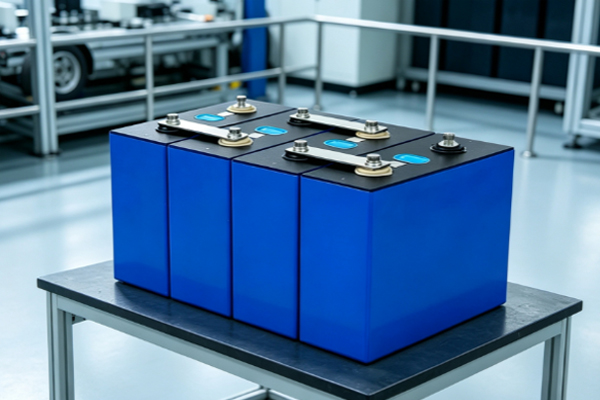
Matching New Energy Bus Batteries to Operating Conditions
Route distance, road conditions, and passenger load changes can all affect vehicle power demand, so battery parameters should be configured based on actual operating data.
Cell Performance Needs to Balance Energy and Power
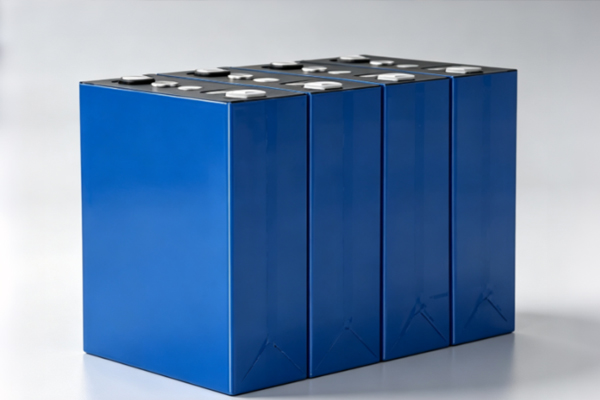
Cells are the foundation of a bus battery system, and their selection should be based on the vehicle’s actual load requirements.
- Routes with frequent starts and stops require good power response and cycle capability.
- Long-distance routes place greater emphasis on the balance between usable energy and overall battery pack weight.
- Fully loaded routes and routes with frequent climbing require stable continuous discharge capability.
- Cold- or hot-climate regions also require evaluation of capacity and power retention under actual environmental conditions.
Proper cell configuration can meet vehicle power requirements while avoiding excessive increases in battery weight.
Battery Capacity Needs to Be Calculated Based on Route Data
Simply configuring battery capacity according to theoretical driving range can lead to deviations during actual operation due to passenger load, air conditioning, road gradients, and temperature. During procurement, operators can consider daily mileage, passenger load variations, road conditions, auxiliary power consumption, and charging windows while calculating battery capacity and setting an appropriate operating reserve. Capacity planning based on actual operating scenarios is more suitable for daily service requirements.
Improving Operating Stability Through Thermal Management and BMS
Power batteries generate heat during continuous driving and charging, while differences between individual cells can gradually affect overall system performance. Temperature control and data monitoring therefore need to be designed as coordinated functions.
Thermal Management Needs to Cover Different Seasonal Conditions
Temperature changes can affect battery output capability, charging and discharging performance, and degradation rate, making year-round operating conditions an important consideration in system design.
- High-temperature conditions require effective control of heat generated during continuous discharge.
- Low-temperature environments require attention to preheating before vehicle operation and low-temperature charging conditions.
- Long-duration operation under full load requires control of temperature differences between cells.
- Fast charging requires close monitoring of temperature rise during the charging process.
Thermal management strategies designed for different climates and load conditions can help maintain stable battery operating conditions.
BMS Needs to Provide Continuous Monitoring
The BMS collects battery operating parameters and performs corresponding protection and control functions, making it an important management unit within the power battery system.
- Monitor individual cell voltage, total voltage, and charging and discharging current.
- Record individual cell temperature, temperature differences, and status information such as SOC and SOH.
- Identify abnormal voltage, temperature, insulation, and other conditions and execute corresponding protection strategies according to system logic.
- Exchange key status data with the vehicle control system to support safety management during operation.
Continuous operating data can help operators identify performance changes and provide a basis for fault diagnosis and battery health assessment.
Optimizing Battery System Configurations for Different Bus Routes
Bus operating patterns vary considerably, and short-distance, high-frequency, mountainous, and high-temperature routes require different battery performance priorities.
| Operating Scenario | Main Operating Conditions | Battery Technology Focus | Management Focus |
| Urban Short-Distance Bus | Frequent starts and stops, frequent braking | Power response, cycle capability | Regenerative braking |
| Urban Long-Distance Route | Long-duration continuous driving | Usable capacity, energy density | Driving-range reserve |
| Mountain Bus | Frequent climbing and descending | Continuous power, thermal management | Temperature and power changes |
| High-Temperature Region Bus | High ambient temperature | Heat dissipation, temperature monitoring | Air conditioning and battery energy consumption |
| High-Frequency Operation | Multiple operating cycles per day | Cycle life, charging efficiency | Charging scheduling |
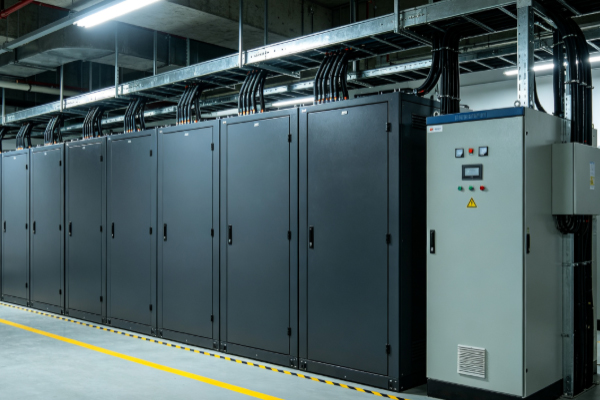
Properly planning the arrangement of battery cells and internal functional areas helps balance structural stability, heat dissipation requirements, and ease of maintenance within limited space.
Regenerative Braking Needs to Be Coordinated with Battery Status
During frequent deceleration and stopping in urban bus operation, the drive system can recover part of the braking energy into the battery when operating conditions permit.
- Regenerative power should be dynamically adjusted according to SOC, battery temperature, and allowable charging power.
- When SOC approaches full charge or the battery is in a low-temperature range that is unsuitable for high-power charging, regenerative braking power generally needs to be limited, with other braking methods working together to complete vehicle deceleration.
This coordination helps balance energy recovery efficiency with battery charging conditions while reducing unsuitable charging loads.
Auxiliary Power Consumption Also Needs to Be Included in Energy Planning
Air conditioning, heating, lighting, and onboard equipment all create additional power consumption, with the impact becoming more significant during hot and cold seasons. Operators can analyze changes in auxiliary power consumption based on routes, seasons, and vehicle data, and then optimize battery capacity and charging arrangements. Including propulsion energy consumption and auxiliary loads in the same energy planning process makes it easier to accurately assess actual vehicle power requirements.
Establishing Full Lifecycle Management from Charging to Retirement
After a power battery is installed in a vehicle, continuous monitoring remains necessary. Charging arrangements, health inspections, and replacement timing can all affect long-term fleet operations.
Charging Strategies Need to Match Vehicle Operating Plans
Bus departure times, operating schedules, and parking periods vary, so charging methods need to be flexibly combined according to depot conditions.
- Fleets with longer parking windows can arrange centralized overnight charging.
- High-frequency routes can combine daytime depot fast charging or intermediate charging to improve vehicle utilization.
- When multiple vehicles are charged simultaneously, depot power capacity and charger power requirements need to be assessed.
- After high-temperature operation or heavy-load driving, charging should be arranged according to battery temperature.
- Charging schedules should be coordinated with the next departure time to reduce vehicle waiting periods.
Arranging charging according to vehicle schedules and depot resources can improve charging infrastructure utilization and reduce operational gaps caused by insufficient charging.
Establish Battery Health Records
As batteries operate over time, capacity, internal resistance, temperature, and cell consistency can change. Operators can continuously record charging and discharging data, temperature changes, capacity status, internal resistance changes, alarm information, and maintenance records, while conducting comprehensive assessments based on SOH, capacity retention, temperature differences, and fault records. Inspections, maintenance, or replacement can then be arranged according to assessment results and actual safety requirements, making battery condition management more data-driven.
New energy bus battery system development also involves vehicle integration, charging infrastructure compatibility, data communication, maintenance intervals, and replacement convenience. For bus operators, selecting a bus battery should involve both current vehicle requirements and the entire operating lifecycle. Key factors include battery specification compatibility, system testing, warranty arrangements, battery health monitoring, and after-sales support, providing a clear technical and maintenance framework for long-term fleet operation and battery asset management.