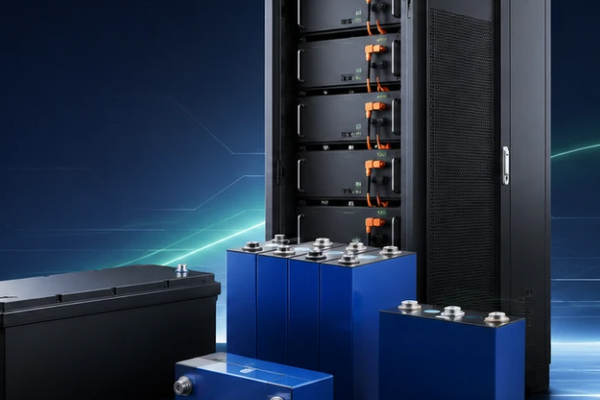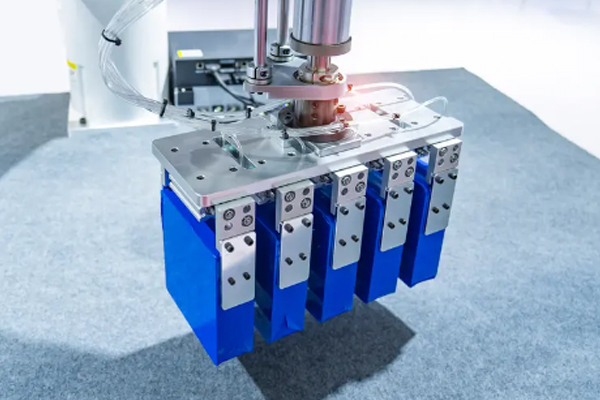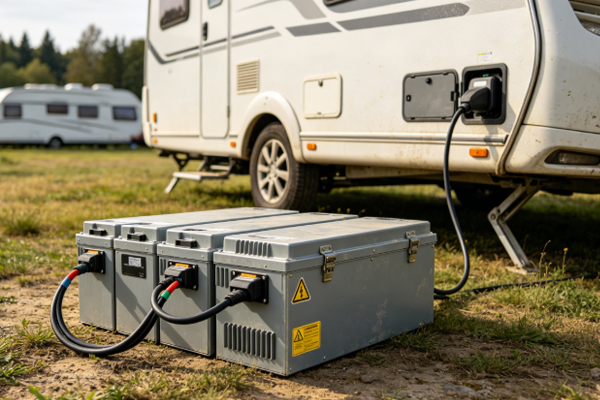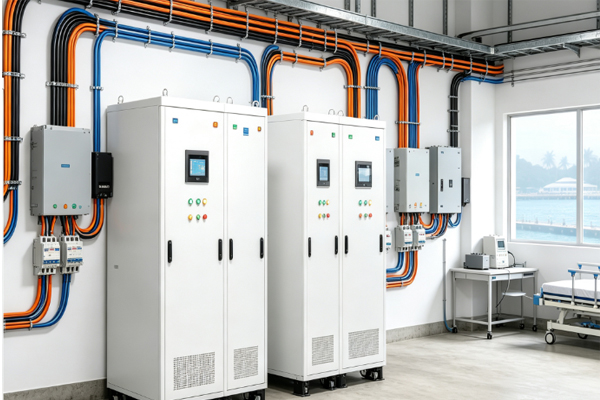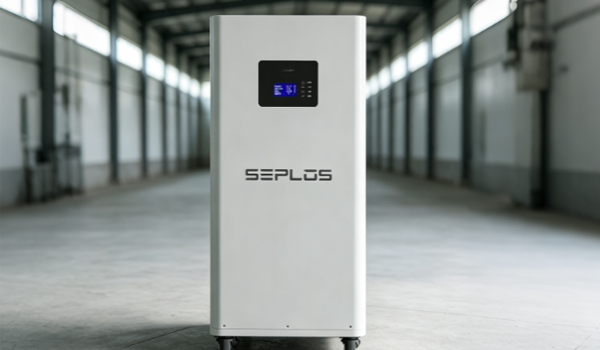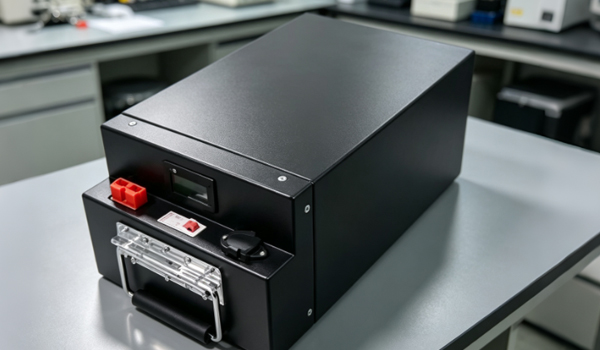
Hotels are commercial buildings with continuous electricity demand. Guest rooms, restaurants, conference areas, central air conditioning, hot water systems, elevators, lighting, and other facilities all require a stable power supply. Traditional electricity supply methods may face challenges related to peak demand, rising electricity costs, and backup power requirements. LiFePO4 batteries provide a practical energy storage option because of their stable chemical characteristics, long cycle life, and suitability for repeated charging and discharging.
A hotel energy storage system based on LiFePO4 batteries integrates battery packs, a power conversion system (PCS), a battery management system (BMS), an energy management system (EMS), and intelligent distribution equipment. The system stores electricity during suitable periods and releases it when demand increases. It can support daily energy scheduling, peak load management, photovoltaic energy utilization, and backup power for critical hotel equipment.
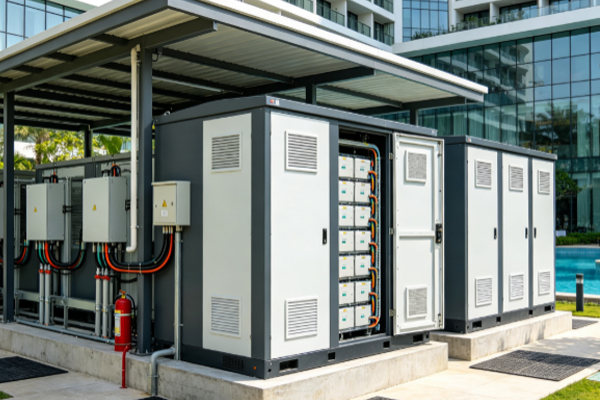
Application Advantages of LiFePO4 Batteries in Hotel Energy Storage Systems
Hotel energy storage systems often operate for extended periods and need to respond to changing electricity loads. Guest occupancy, restaurant business hours, conference activities, and seasonal air-conditioning demand can all influence electricity consumption. LiFePO4 batteries can store electricity during low-demand periods and release energy during peak consumption, helping hotels improve energy utilization and manage power supply more flexibly.
Advantages of Using LiFePO4 Batteries in Hotel Energy Storage Systems
LiFePO4 batteries can meet the repeated charging and discharging requirements of hotel energy storage applications. When combined with appropriate system equipment and control strategies, they can support daily energy management and provide backup power for selected loads.
Key advantages include:
- Daily cycling capability: LiFePO4 batteries are suitable for repeated charging and discharging during daily energy management.
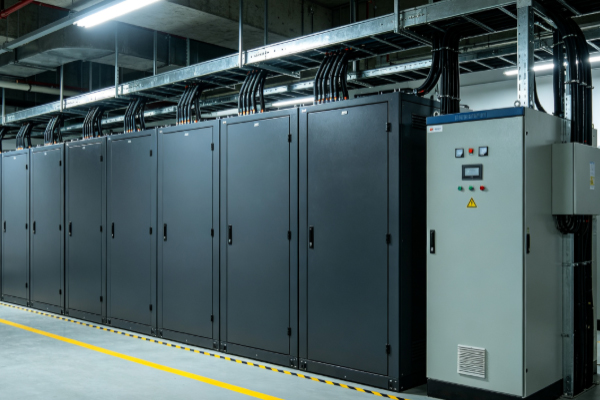
- Efficient space utilization: Modular battery cabinets can be configured according to the available installation area and energy requirements.
- Compatibility with different energy sources: The system can work with grid electricity, photovoltaic generation, and other suitable power sources.
- Support for critical loads: Stored energy can provide backup power for reception systems, network equipment, emergency lighting, and other important facilities.
- Intelligent energy management: The EMS can adjust charging and discharging schedules according to electricity demand and battery status.
- Modular deployment: Additional battery modules can be considered when the hotel’s electricity demand increases.
These characteristics allow hotels to establish a more flexible energy supply system that combines daily energy storage with backup power support.
How to Use LiFePO4 Battery Energy Storage Systems in Hotels
Before installing a LiFePO4 battery energy storage system, the hotel should evaluate its building area, number of guest rooms, average daily electricity consumption, peak load, equipment operating hours, and backup power requirements. Ordinary loads and critical loads should be classified separately so that battery capacity, PCS power, and backup duration can be selected according to actual operating conditions.
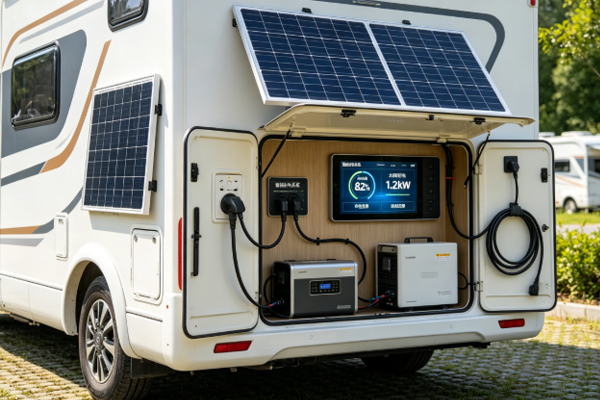
During daily operation, the EMS can be configured to charge the battery during low electricity price periods or when the hotel has lower power demand. The system can discharge during peak demand periods to provide supplementary electricity. Managers should monitor battery SOC, temperature, charging and discharging power, current, and alarm information. Operating strategies can be adjusted according to hotel occupancy, seasonal demand, equipment maintenance schedules, and photovoltaic generation conditions. When solar panels are installed, surplus daytime solar power can be stored for nighttime use or periods with limited sunlight.
Reference Configuration Table for Hotel LiFePO4 Battery Energy Storage Systems
Different hotel types have different electricity consumption patterns and backup power requirements. The following table provides a preliminary configuration reference:
| Hotel Type | Battery Application | Supporting Equipment | Main Application | Design Focus |
| Small business hotel | Small or medium-capacity LiFePO4 battery | BMS, PCS, EMS | Basic load regulation | Match capacity with actual electricity demand |
| Boutique hotel | Modular energy storage battery | Battery cabinet, PCS, monitoring system | Daily energy storage and public area support | Improve space utilization |
| Resort hotel | Medium-to-large LiFePO4 battery system | PCS, EMS, distribution equipment | Seasonal load management and backup power | Consider changes in occupancy and climate |
| Large integrated hotel | Large-capacity battery system | Multiple battery cabinets, PCS, EMS | Comprehensive energy management | Coordinate multiple buildings and high-power loads |
| Hotel with photovoltaic generation | Expandable battery system | PV system, controller, PCS, EMS | Solar energy storage and utilization | Increase local use of solar electricity |
| Hotel requiring backup power | High-reliability storage system | BMS, PCS, protection and distribution equipment | Critical equipment power support | Reserve backup capacity and define operating duration |
The final system configuration should be determined by the hotel’s load profile, required backup duration, installation environment, equipment power, and future expansion plans.
Application Scenarios and Intelligent Functions of Hotel Energy Storage Batteries
Hotel electricity consumption is distributed across guest rooms, restaurants, conference rooms, reception areas, parking facilities, server rooms, and public spaces. Each area has its own operating schedule and load characteristics. A suitable energy storage system should classify loads and allocate electricity according to equipment importance, power demand, and usage frequency. This approach helps improve energy scheduling and reduces unnecessary pressure on the grid supply.
Energy Storage Applications in Guest Rooms, Restaurants, and Public Areas
Guest rooms commonly use lighting, televisions, air conditioning, power outlets, and hot water equipment. Restaurants and kitchens may require electricity for induction cookers, ovens, refrigeration equipment, dishwashers, and ventilation systems. Conference rooms often experience concentrated electricity demand when lighting, projectors, audio systems, and air conditioning operate simultaneously.
A LiFePO4 energy storage system can provide energy support according to different operating periods. During periods of high restaurant activity or increased conference demand, stored electricity can supplement grid power when the system configuration permits. During nighttime hours, some public facilities may consume less electricity, while guest rooms, communication equipment, and essential services continue operating. The system can adjust its output according to real-time demand while retaining a designated energy reserve.
Hotel Backup Power and Energy Coordination Scenarios
Hotels require stable electricity for reception desks, access control systems, surveillance equipment, network infrastructure, emergency lighting, and other critical services. A LiFePO4 battery energy storage system can be integrated with suitable backup power equipment to support selected loads during grid interruptions or power fluctuations.
Before implementation, the hotel should determine the equipment that requires backup power, its rated power, the expected backup duration, and the switching method. Energy storage batteries may work together with UPS equipment or generators, but their functions and switching performance must be verified according to the actual system design. Backup energy should be reserved based on the importance of the equipment and the expected emergency conditions. A clear power distribution plan can help prevent excessive battery discharge and improve emergency response capability.
Intelligent Functions of Hotel LiFePO4 Energy Storage Systems
Intelligent functions allow hotel managers to monitor system conditions and adjust operating strategies more conveniently. The main functions generally include the following:
- Battery status monitoring: The BMS monitors voltage, current, temperature, SOC, and other operating parameters.
- Charging and discharging strategy control: The EMS adjusts battery operation according to electricity prices, load demand, and preset limits.
- Load coordination: Stored energy is allocated according to equipment importance and power consumption requirements.
- Data recording: The system records charging, discharging, energy consumption, alarms, and operating history.
- Remote monitoring: Managers can view system status and receive notifications through a monitoring platform.
- Abnormal protection: The system can identify abnormal voltage, temperature, current, and communication conditions.
- Energy source coordination: The storage system can coordinate with photovoltaic generation and grid electricity when the system architecture supports it.
These intelligent functions reduce the need for continuous manual monitoring while helping hotel operators improve system visibility and operational control. Regular inspection and professional maintenance are still necessary.
Performance and Maintenance Design of Hotel LiFePO4 Energy Storage Batteries
Hotel energy storage systems may operate continuously for long periods, so battery performance, power conversion, thermal management, and electrical protection must be considered together. Battery capacity alone cannot determine whether a system is suitable for hotel applications. The design should also evaluate discharge power, charging and discharging efficiency, operating temperature, cycle conditions, and equipment compatibility.
Performance Requirements for Hotel LiFePO4 Batteries
LiFePO4 batteries used in hotel energy storage systems should be properly matched with the PCS, BMS, EMS, distribution cabinet, and protection equipment. Battery voltage must be compatible with the electrical architecture, while the rated capacity should meet the required energy storage duration. Continuous discharge capability should correspond to the hotel’s normal load, and peak output capability should be considered for equipment such as central air conditioning, elevators, and kitchen machinery.
The battery installation area should provide suitable temperature, ventilation, and safety conditions according to the manufacturer’s requirements. Temperature monitoring and protective equipment should be configured where necessary. The BMS should monitor battery voltage, current, temperature, and operating status. Regular inspections should include battery connectors, communication cables, distribution equipment, cooling systems, and alarm records. The system should be operated within the specified charging, discharging, and environmental limits.
Expansion and Daily Maintenance of Modular Battery Systems
Hotel electricity demand may change when new guest rooms are added, facilities are renovated, or equipment is upgraded. A modular LiFePO4 battery system can reserve capacity for future expansion when the original architecture supports additional battery cabinets or modules. Hotels planning to integrate photovoltaic systems, electric vehicle charging equipment, or other energy facilities can also consider future compatibility during the initial design stage.
Daily maintenance should include checking battery SOC, temperature data, charging and discharging performance, communication status, and alarm information. Operating records should be maintained to help identify changes in system performance. When adding new battery modules, the voltage specifications, communication methods, compatibility, and operating conditions of the new and existing equipment must be verified. Battery modules should not be connected in parallel based only on their capacity. Standardized installation, expansion, and maintenance procedures help support stable operation and extend the service life of the energy storage system.
A hotel LiFePO4 battery energy storage solution combines energy storage, power scheduling, backup power, monitoring, and protection functions. Through suitable capacity planning and coordinated operation of the PCS, BMS, EMS, and distribution equipment, the system can support guest rooms, restaurants, conference facilities, and public areas. Hotels should consider electricity consumption patterns, peak load, backup duration, installation conditions, and future expansion requirements when selecting a LiFePO4 energy storage system. Proper system configuration and regular maintenance can help create a stable and flexible energy supply solution for hotel operations.