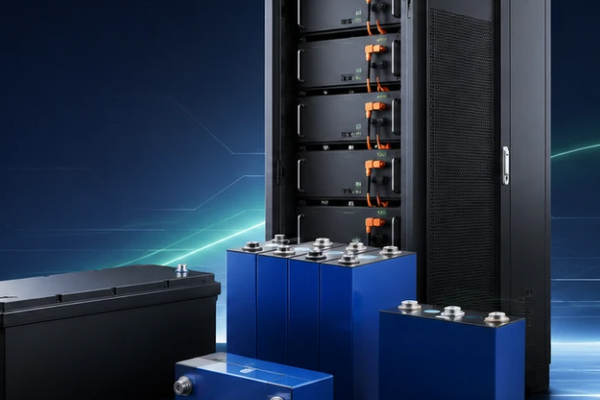
Hospitals rely on electricity around the clock, and many systems cannot simply be switched off when power becomes unstable. Lighting, monitoring equipment, refrigeration, pumps, networking systems, and other essential loads all need dependable power. A solar energy storage system can use solar power during the day and store excess energy in batteries for use at night or during periods of unstable grid supply. For hospital projects, the key is choosing a battery system that matches actual loads, solar generation, backup needs, and future expansion plans.
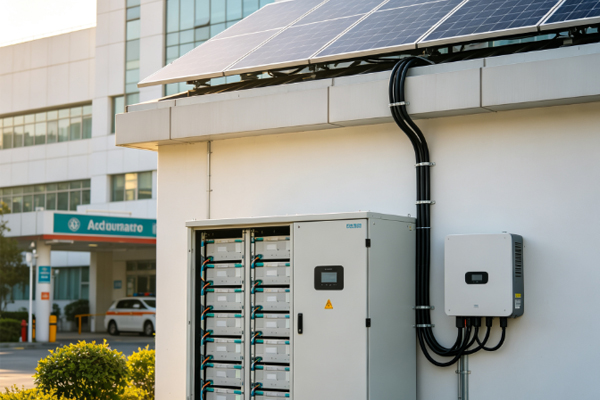
Which Hospital Equipment Should Be Connected to Solar Energy Storage?
Hospitals have a wide range of electrical equipment. Some devices run continuously, some operate only at certain times, and others need a higher priority for power supply. A practical hospital solar storage system does not necessarily need to power everything from the battery. The better approach is to identify the actual load profile and decide which equipment should receive priority.
Which Hospital Equipment Is Suitable for Solar Energy Storage?
Lighting, networking, monitoring, refrigeration, pumps, and selected air-conditioning systems can all be considered for connection to a hospital solar energy storage system. Their power ratings and operating hours can vary significantly, so having these figures ready makes battery sizing much more accurate.
| Hospital Equipment | Power Characteristics | Energy Storage Recommendation |
| Lighting systems | Long operating hours | Suitable for storage |
| Networking and monitoring | Continuous operation | Recommended as priority loads |
| Refrigeration equipment | Requires reliable power | Suitable as a key load |
| Water pumps | Intermittent operation | Startup power should be considered |
| Air-conditioning systems | Relatively high power demand | Size according to the project |
| Office equipment | Concentrated daytime use | Can make good use of solar power |
How Should Hospital Battery Storage Power Be Allocated?
Hospital battery storage should not simply supply every load whenever energy is available. A more practical setup is to assign different power priorities. Critical equipment can remain at a higher priority, while non-essential loads can be reduced when the battery state of charge becomes low.
- Keep essential lighting, monitoring, and communication systems powered first
- Reserve sufficient energy for refrigeration and circulation systems
- Schedule high-power equipment to operate when solar generation is stronger
- Reduce non-critical loads when battery capacity is low
- Keep sufficient stored energy for essential nighttime loads
This approach makes better use of the available battery capacity. The goal is not simply to install the largest battery possible, but to make sure stored energy is used where it matters most.
How Does a Hospital Solar Storage System Operate During the Day?
During daylight hours, solar power can supply the hospital’s active loads first. Any available surplus energy can then be used to charge the LiFePO4 battery system. As solar generation drops in the evening, the battery can begin supplying part of the hospital load. On cloudy or rainy days, the system can also retain a certain amount of stored energy for later use.
How Do You Calculate the Right Hospital Battery Storage Capacity?
Battery capacity is one of the first things hospital project buyers ask about, but it is also one of the easiest parameters to misjudge. Looking only at whether a battery is 100Ah or 200Ah is not enough. System voltage, actual load power, operating hours, usable battery capacity, and backup requirements all need to be considered. If the hospital already has daily electricity consumption data, battery sizing becomes much more precise.
Why Can’t Hospital Battery Capacity Be Selected by Ah Alone?
Ah indicates part of a battery’s capacity, but hospital energy storage systems ultimately need to be evaluated in terms of usable energy in kWh. The same 100Ah capacity can represent different amounts of stored energy at different system voltages. Battery usable capacity, depth of discharge, inverter efficiency, and reserve energy should also be considered during procurement.
How Can Hospital Solar Storage Capacity Be Estimated?
A practical calculation starts by listing the equipment that the battery needs to support and checking how long each load operates every day. Pumps, compressors, and air-conditioning equipment may have higher startup power than their normal operating power, so this demand should also be checked before selecting the battery and inverter.
- Calculate the total power of the loads supported by the battery
- Record actual daily operating hours and energy consumption
- Reserve part of the battery capacity for backup
- Check startup power and peak current
- Confirm that the inverter’s rated output matches the load
How Should You Choose Between 100kWh and 200kWh Hospital Energy Storage?
The right battery size depends on the hospital’s scale, electrical loads, solar capacity, and desired backup time. Smaller medical facilities may focus on essential loads, while larger hospitals can use larger battery cabinets or modular storage systems.
| Storage Capacity | Typical Application | Configuration Approach |
| 50–100kWh | Small clinics and community healthcare facilities | Prioritize essential loads |
| 100–200kWh | Small and medium-sized hospitals | Support more daily loads |
| Above 200kWh | Large hospital energy storage projects | Suitable for larger integrated systems |
A larger battery is not automatically a better choice. An undersized battery may run out of usable energy too quickly, while an oversized system can increase the initial investment without being fully utilized. Matching battery capacity with the hospital’s actual load profile and solar generation is usually a more practical solution.
Why Are LiFePO4 Batteries Suitable for Hospital Solar Energy Storage?
Hospital energy storage systems are often expected to operate repeatedly over a long period rather than being used only during occasional outages. Solar power can charge the battery during the day, while stored energy can be released when solar generation is low or electricity demand continues into the evening. This operating pattern makes battery cycle performance, temperature management, and battery management particularly important. LiFePO4 batteries are widely used in energy storage applications and are well suited to this type of repeated charging and discharging.
Are LiFePO4 Batteries Suitable for Long-Term Hospital Energy Storage?
Hospital projects place strong emphasis on stable operation and manageable maintenance. LiFePO4 batteries offer good cycle performance and can work well with solar systems that require regular charging and discharging. For hospitals with daily solar generation that needs to be stored and used later, this battery chemistry can be a practical option.
Where Should Hospital Battery Storage Be Installed?
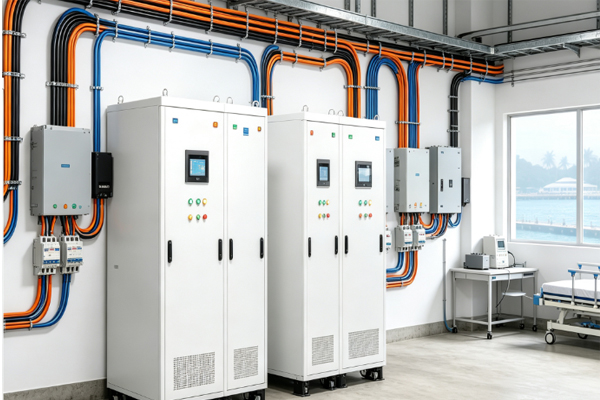
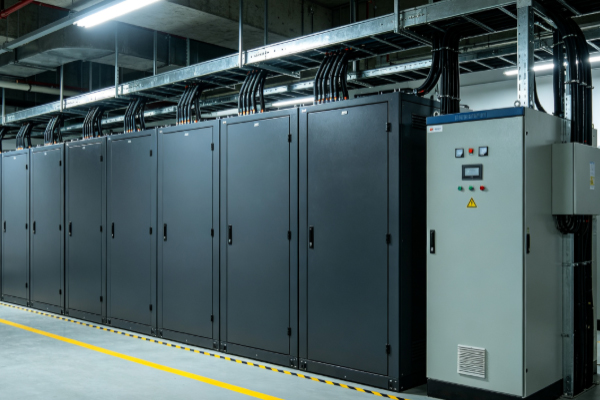
Hospital energy storage equipment is commonly placed in dedicated equipment rooms, energy storage areas, or other locations suitable for the project. Choosing the location is not simply a matter of finding an empty room. Temperature, humidity, ventilation, maintenance access, and cable distance should all be considered. Keeping batteries in damp, excessively hot, or difficult-to-access locations can create unnecessary maintenance problems later.
- Keep the storage area dry and free from standing water
- Leave enough space around the battery for inspection and maintenance
- Avoid prolonged exposure to high temperatures and direct sunlight
- Secure and protect cables and connectors properly
- Install the necessary monitoring and protection equipment
- What Role Does the BMS Play in Hospital Solar Energy Storage?
The BMS monitors battery voltage, current, temperature, and state of charge while providing appropriate protection when abnormal conditions occur. Hospital energy storage systems may operate for long periods, so maintenance teams also need access to battery status information. BMS data can help identify potential problems earlier and make routine maintenance easier to manage.
Hospital battery storage should not be purchased based only on cell pricing. The battery pack structure, BMS, connection method, installation environment, and system communication all need to be checked before ordering. If the battery will work with a solar inverter, communication protocols and system compatibility should also be confirmed in advance.
Can a Hospital Solar Energy Storage System Be Expanded Later?
Hospital electricity demand can change as new wards, medical equipment, refrigeration systems, or buildings are added. A storage system does not always need to be installed at its final capacity from day one. With a modular design, the initial system can meet current critical loads while leaving space and interfaces for future battery expansion. This can be useful for projects with limited initial budgets or hospitals planning to increase their solar capacity later. DELIGREEN provides LiFePO4 batteries, battery packs, DIY battery boxes, BMS accessories, and scalable energy storage solutions for different solar storage projects.
The real value of a hospital solar energy storage system is not limited to whether it can provide backup power. It also needs to make good use of solar energy during the day, deliver stored power when needed at night, and remain flexible when hospital loads increase in the future. When purchasing hospital energy storage batteries, it is worth confirming the load profile, battery capacity, inverter power, installation conditions, and expansion requirements in advance. With the right LiFePO4 battery configuration, hospital battery storage can become a more practical and dependable part of the facility’s energy system.