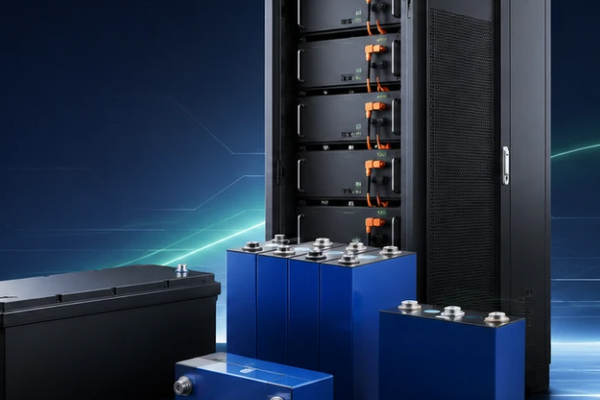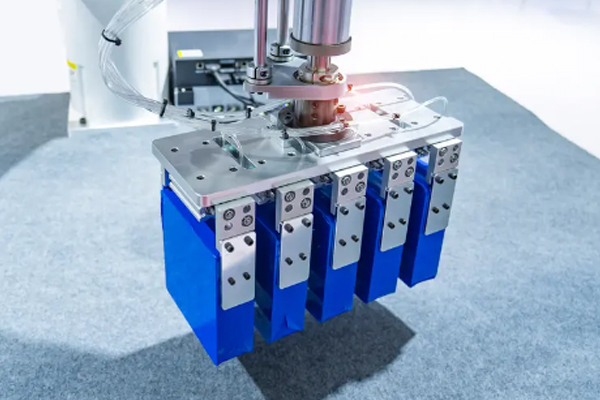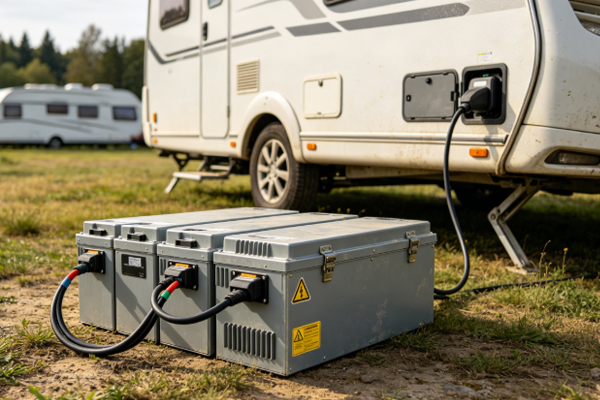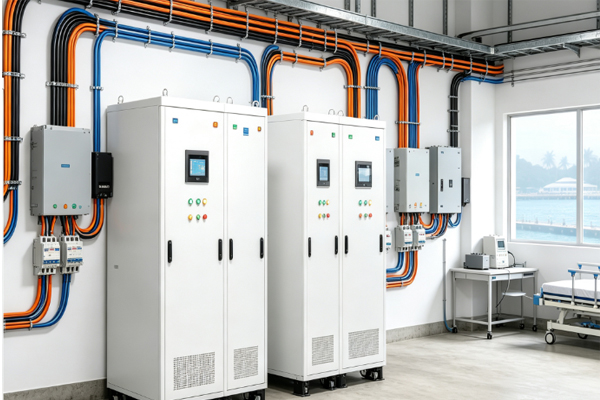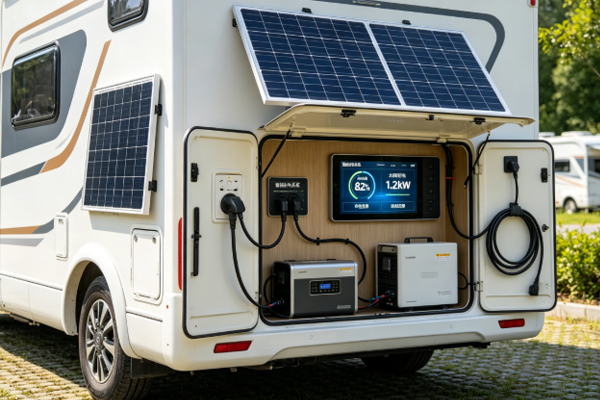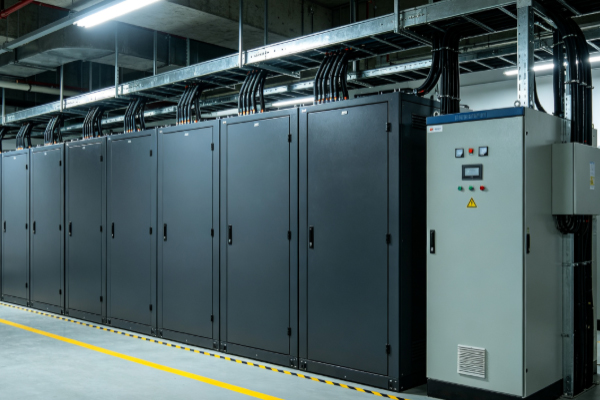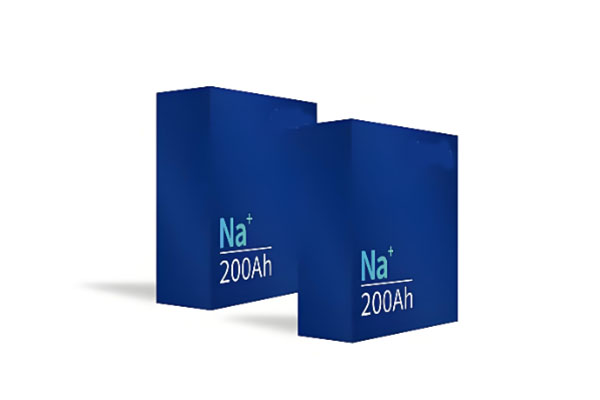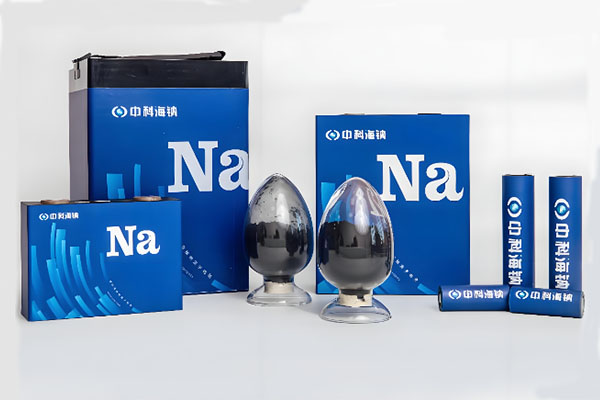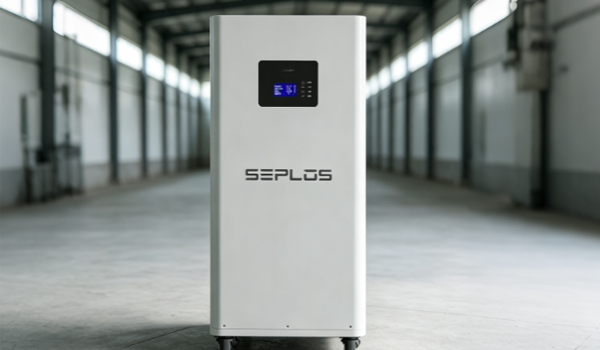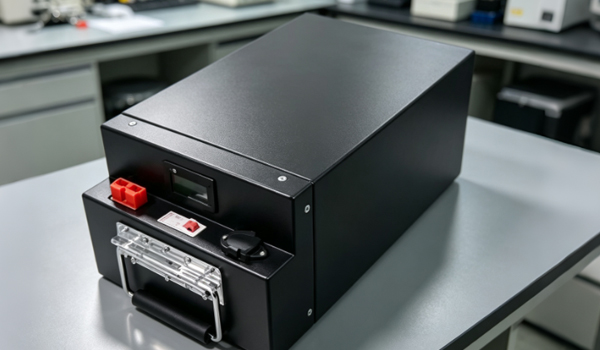
As the hotel industry continues to improve energy efficiency and develop more sustainable operating models, hotel power systems are gradually moving from traditional grid-only electricity supply toward integrated systems that combine clean energy generation with battery storage. Hotels require continuous electricity for guest room lighting, air conditioning, hot water systems, restaurant equipment, elevators, laundry facilities, conference spaces, and public areas. A reliable energy supply directly affects guest comfort and daily operations. Clean energy sources such as solar power offer long-term sustainability, but electricity generation can vary according to weather conditions and the time of day. The period when solar energy is produced may also differ from the period when the hotel requires the most electricity. A lithium battery energy storage system can store available clean electricity and release it according to hotel load demand, helping improve the utilization of renewable energy.
LiFePO4 batteries offer good cycle performance, thermal stability, and long-term energy storage capability, making them suitable for hotel green energy systems. When integrated with solar PV, the power grid, a power conversion system (PCS), a battery management system (BMS), and an energy management platform, LiFePO4 batteries can support a more flexible energy operating model. During the day, electricity generated by solar PV can be used directly by hotel loads, while surplus energy can be stored in the battery. When solar generation decreases or hotel electricity demand increases, the stored energy can continue to support the property’s power requirements. This type of system can increase the proportion of clean electricity used by the hotel while improving daily energy scheduling and providing a reliable energy storage foundation for sustainable hotel development.
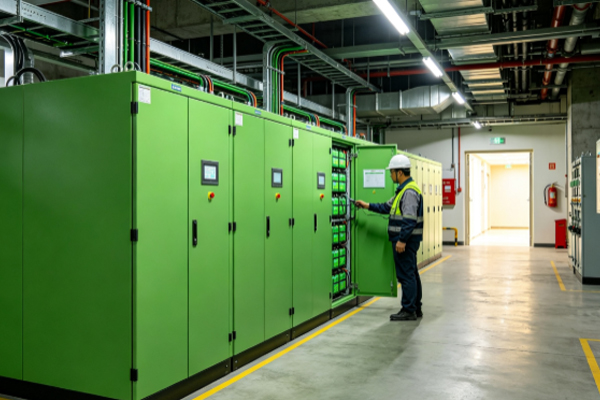
LiFePO4 Batteries Support Green Energy Upgrades for Hotels
A green energy system involves more than simply installing solar panels. It must also address the difference between when clean electricity is generated and when it is needed. Hotel electricity demand often continues into the evening and nighttime, while solar generation is primarily available during daylight hours. Without energy storage, some available clean electricity may not be used as efficiently as possible. LiFePO4 batteries can store available energy and release it later through a properly managed charging and discharging strategy. By designing battery capacity and power according to the hotel’s actual load profile, the battery system, solar PV system, and grid can work together as an integrated energy structure.
Advantages of Green Energy Lithium Batteries for Hotels
When developing a hotel green energy system, long-term battery performance, operational stability, and compatibility with other energy equipment are important considerations. LiFePO4 batteries can serve as a key energy storage unit and provide flexible power management for hotel facilities.
- Improved clean energy utilization: When solar generation exceeds the hotel’s immediate electricity demand, surplus power can be stored in the lithium battery instead of being left unused.
- Extended use of renewable electricity: Solar energy stored during the daytime can be used later in the evening or at night, extending the period during which the hotel can benefit from clean power.
- Good cycle performance: Hotel energy storage systems may perform regular charging and discharging operations, making LiFePO4 batteries suitable for continuous energy storage applications.
- Flexible load matching: Battery output can be adjusted according to the electricity requirements of guest rooms, restaurants, air-conditioning systems, and public facilities.
- Multi-energy system compatibility: Lithium batteries can operate with solar PV, the utility grid, and other energy equipment that meets project requirements.
- Greater energy scheduling flexibility: The storage system can charge when clean energy is available and discharge when renewable generation is insufficient.
- Modular expansion capability: Energy storage capacity can be expanded according to system design when hotel electricity demand or renewable energy capacity increases.
These advantages allow LiFePO4 batteries to become an important part of hotel green energy systems, supporting the storage and continued use of clean electricity.
How to Use Green Energy Lithium Batteries in Hotels
Hotel green energy battery systems commonly use a “solar PV + lithium battery + grid” configuration. Solar panels generate electricity during the daytime, and the power is processed through appropriate electrical equipment before being supplied to hotel loads. When solar generation is sufficient, clean electricity can be prioritized for lighting, public facilities, selected guest room loads, and other hotel equipment. When solar generation exceeds the current load demand, surplus electricity can be stored in the LiFePO4 battery according to the system control strategy.
As evening approaches, solar generation gradually decreases while the hotel continues to require electricity for lighting, guest rooms, elevators, air conditioning, and public facilities. At this stage, the energy storage system can release stored electricity according to battery state of charge (SOC) and real-time hotel demand. The energy management system can monitor solar output, grid conditions, battery capacity, and hotel power consumption and automatically adjust charging and discharging operations.
In practical applications, battery capacity should be determined according to local solar resources, available rooftop area, daily electricity consumption, and changes in the hotel load profile. The battery system should also operate within an appropriate SOC range to avoid unnecessary stress caused by excessive charging or deep discharge. Regular monitoring of operating data and proper maintenance can help maintain stable long-term performance.
Main Equipment Configuration for Hotel Green Energy Systems
A complete hotel green energy system requires multiple devices to work together for clean power generation, energy storage, power conversion, and intelligent control.
| Equipment | Main Function | Hotel Green Energy Application |
| LiFePO4 Battery | Stores and releases electrical energy | Stores solar energy and other available electricity |
| Solar PV Modules | Generate clean electricity | Provide solar power for hotel loads |
| Battery Management System (BMS) | Monitors battery operating conditions | Manages voltage, temperature, current, and SOC |
| Power Conversion System (PCS) | Converts electrical energy | Controls battery charging and discharging |
| Energy Management System (EMS) | Intelligent energy scheduling | Coordinates solar PV, batteries, and the grid |
| Distribution Cabinet | Power distribution and protection | Connects different hotel electrical circuits |
| Inverter Equipment | Power conversion | Converts solar power into usable electricity |
| Monitoring Platform | Data monitoring | Displays energy generation and storage operating data |
| Thermal Management Equipment | Temperature control | Maintains an appropriate battery operating environment |
When these devices are connected through communication and control systems, hotel operators can gain clearer visibility into how clean energy is generated, stored, and consumed while improving the level of automated system operation.
Application Scenarios and Functions of Green Energy Lithium Batteries in Hotels
Different types of hotels have different building structures, operating models, and energy requirements. Urban business hotels may experience higher daytime electricity demand from offices and conference activities, while resort hotels may operate larger public areas and air-conditioning systems for longer periods. Large integrated hotels may also include restaurants, swimming pools, fitness centers, and laundry facilities. Green energy lithium battery systems can be configured according to these different load characteristics, allowing energy storage equipment to better support actual hotel operations.
Coordinating Solar Energy Storage With Daily Hotel Electricity Use
Solar power generation follows a clear daily pattern, with the highest output generally occurring during daylight hours, while hotel electricity demand can continue from morning until late at night. A lithium battery energy storage system can help manage the time difference between energy generation and electricity consumption by storing solar power that is not immediately required.
For example, during periods of lower hotel occupancy or reduced daytime activity, electricity demand in certain guest rooms and public areas may be relatively low. Some of the solar energy generated during this period can be stored in the battery system. In the evening, when guests return to the hotel and electricity demand for lighting, elevators, air conditioning, and other facilities increases, the battery can discharge stored energy to support the load.
This allows clean electricity to be used according to the hotel’s actual energy requirements rather than only at the exact moment it is generated.
Green Power Applications for Hotel Public Areas
Hotel lobbies, corridors, parking areas, outdoor lighting, and other public facilities often operate for extended periods. Green energy supply strategies can be developed for these loads according to the project’s electrical design. During the day, solar power can directly support hotel equipment, while surplus energy can be stored in lithium batteries. When solar generation becomes insufficient, the energy storage system can continue supporting selected loads according to available battery capacity and operating requirements.
Large hotels can also establish separate energy monitoring and load management strategies for different functional areas. For example, lobby lighting, public corridors, and outdoor landscape lighting can have individual electricity consumption records. The EMS can adjust system operation according to available energy and battery capacity.
This can improve the level of energy management while allowing hotel operators to better understand electricity consumption in different areas of the property.
Intelligent Energy Management for Green Power Scheduling
A green energy system needs to continuously adjust its operating status according to changes in electricity generation and consumption. The EMS plays an important role in this process. By connecting the solar PV system, energy storage battery, PCS, utility grid, and hotel load monitoring equipment, the energy management system can collect real-time energy data.
When solar generation is sufficient, the system can prioritize solar electricity for hotel loads and store surplus energy according to available battery capacity. When solar output decreases and hotel electricity demand increases, the EMS can dispatch battery power according to preset operating strategies. If battery capacity reaches a lower operating level, the system can adjust its energy management plan according to current requirements.
Intelligent energy management can also record historical solar generation, stored energy, and electricity consumption. This data provides a useful reference for future system optimization. Through long-term data collection, hotel operators can understand seasonal energy changes and adjust system parameters according to actual operating conditions.
High-Performance Lithium Batteries Support Long-Term Green Hotel Operations
A hotel green energy system is designed for long-term operation, so battery performance affects not only short-term energy storage capacity but also the overall service life of the energy project. LiFePO4 batteries offer good suitability for repeated energy storage applications. When combined with proper BMS management, temperature control, and charging and discharging strategies, they can support daily hotel energy storage requirements. Battery capacity and system power should be selected according to actual operating conditions to avoid placing the battery under unnecessary long-term stress.
Cycle Performance Supports Continuous Green Energy Storage
A hotel green energy system may use solar electricity to charge the battery during the day and discharge stored energy during other periods. This requires a battery capable of supporting repeated charging and discharging operations. LiFePO4 batteries are suitable for long-term cycling applications and can provide stable energy storage performance when operated within appropriate conditions.
The BMS can continuously monitor battery status and help protect the system from abnormal voltage, current, and temperature conditions. An appropriate SOC operating range can also be established according to project requirements to manage the charging and discharging process more effectively.
Hotel operators can adjust energy storage schedules according to seasonal conditions. During periods with stronger solar resources, a larger proportion of available renewable electricity may be stored and used. During periods with lower solar generation, the operating strategy can be adjusted according to actual energy production.
Modular Design Supports Future Green Hotel Development
A hotel’s energy requirements may increase as business operations expand and additional electrical equipment is installed. For example, electricity demand may change when a hotel adds guest rooms, expands restaurant areas, develops outdoor leisure facilities, or installs EV charging services. A modular lithium battery system can be configured according to initial energy requirements while providing flexibility for future capacity expansion.
Before increasing energy storage capacity, the existing PCS power, distribution system, communication interfaces, available installation space, and battery compatibility should be evaluated. A properly designed modular system can help avoid excessive energy storage capacity during the initial construction stage while providing a practical path for future green energy upgrades.
A green energy lithium battery solution for hotels can integrate solar PV, LiFePO4 batteries, energy management systems, and hotel electrical infrastructure to support the storage and flexible use of clean electricity. By increasing solar self-consumption, extending the use of renewable electricity, supporting public area power requirements, and applying intelligent energy scheduling, hotels can establish a more flexible energy operating model.
LiFePO4 batteries provide good cycle performance, stable energy storage capability, and modular configuration options that can support long-term green hotel operations. With proper system design based on hotel size, actual electricity demand, installation conditions, and renewable energy planning, the energy storage system can provide continued support for clean energy utilization and sustainable hotel development.