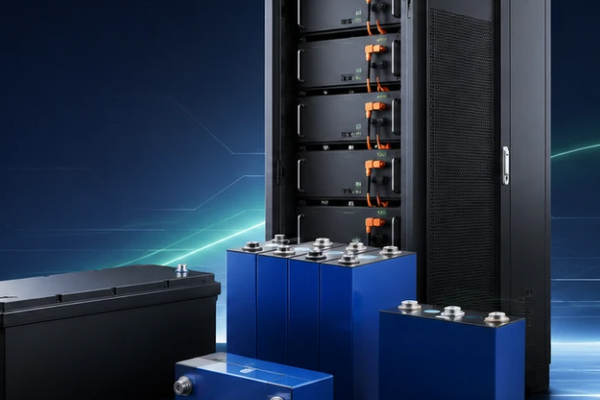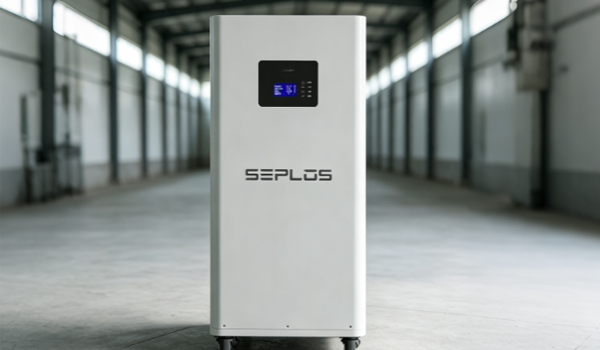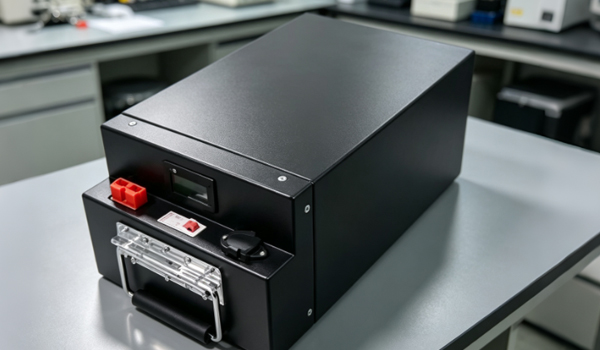
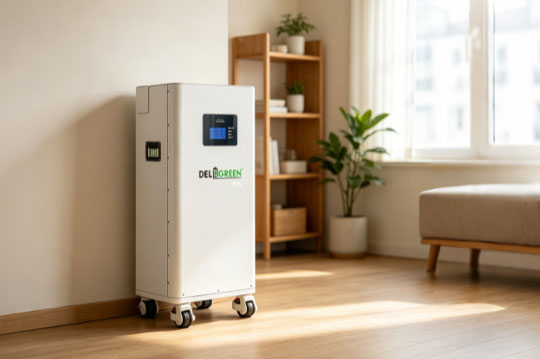
Household electricity environments are becoming increasingly complex. Power outages, severe weather, temporary power interruptions, and other events can affect lighting, communication, refrigerators, network equipment, and other essential household appliances. Home emergency energy storage lithium battery packs can store electrical energy in advance and provide backup power to household equipment when the grid power supply is interrupted. Compared with traditional lead-acid batteries, lithium iron phosphate batteries offer good cycle life, energy density, and operating stability, making them suitable for long-term use as household backup power sources. Since different households have different battery capacity requirements, small backup power sources can support lighting, routers, and communication equipment, while larger energy storage battery packs can support refrigerators, water pumps, televisions, computers, and other equipment for continuous operation. By customizing voltage, capacity, battery structure, and BMS configuration, a more suitable emergency energy storage solution can be developed for household applications.
Application Requirements for Home Emergency Energy Storage Battery Packs
Maintaining Essential Household Power
When a sudden power outage occurs, lighting, internet access, mobile phone charging, and household appliances are among the first services to be affected. Emergency energy storage lithium battery packs can store electrical energy in advance and supply power to household loads through an inverter after grid power is interrupted.
Common applications include:
- LED lighting and floor lamps
- Wi-Fi routers, optical network terminals, and communication equipment
- Mobile phones, tablets, and laptops
- Televisions and small audiovisual equipment
- Refrigerators, freezers, and other equipment requiring continuous operation
- Home monitoring, access control, and alarm equipment
If the household only needs to maintain basic lighting and communication, the battery capacity can be appropriately controlled. If refrigerators, computers, water pumps, and other equipment need to operate at the same time, a higher energy storage capacity is required, and the inverter output power must be checked to ensure that it meets the starting requirements.
Backup Time Determines Battery Capacity
Battery capacity is not necessarily better when it is larger. It should be determined according to actual electricity consumption and the required backup time. During calculation, the power of equipment that needs continuous operation can be assessed and then combined with the expected outage duration. For example, if the main loads during a power outage are lighting, routers, mobile phone charging, and refrigerators, the overall average load may be significantly lower than that of high-power equipment such as air conditioners and electric water heaters. When high-power household appliances are added, both the required battery capacity and inverter power will increase significantly.
| Common Household Use Requirements | Typical Equipment | Suggested Energy Storage Configuration |
| Basic emergency backup | Lighting, mobile phones, routers | Small-capacity energy storage battery pack |
| Daily backup | Lighting, refrigerator, television, network equipment | Medium-capacity battery pack |
| Multi-device emergency backup | Refrigerator, computer, water pump, lighting | Larger-capacity energy storage battery pack |
| Long-term backup | Continuous use of multiple household appliances | Large-capacity or expandable energy storage system |
The actual capacity should be confirmed according to equipment power, daily operating time, inverter efficiency, and the user’s expected backup duration.
Combining Home Solar Power with Emergency Energy Storage
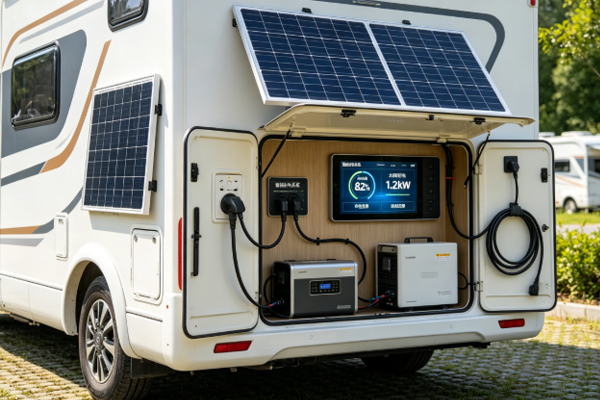
Home emergency energy storage lithium batteries can also work together with solar photovoltaic systems. Electricity generated by the photovoltaic system during the day can first supply household loads, while excess electricity can be stored in the battery. The stored energy can then be used at night or during a power outage. This configuration combines power generation, energy storage, and backup power supply. For residences that already have a home photovoltaic system, the energy storage battery pack can be customized according to the existing inverter’s voltage range, communication method, and capacity requirements to create a more complete home energy solution.
How to Customize LiFePO4 Battery Packs
Determine Voltage and Capacity in Advance
Common voltage levels for home energy storage include 12V, 24V, and 48V. Among them, 48V-class energy storage batteries are widely used in residential energy storage applications because they can balance capacity, output efficiency, and system compatibility. Solution design should not only consider the battery model. It is also necessary to confirm the inverter’s battery input voltage range, maximum charging and discharging current, and communication protocol to ensure stable operation between the battery pack and inverter. For different household loads and installation spaces, battery capacity, enclosure dimensions, heat dissipation conditions, and future expansion requirements should also be considered together.
Coordinated Operation of Cells, Battery Packs, and BMS
A home energy storage battery pack generally consists of LiFePO4 cells, connection structures, protection devices, a BMS, and an enclosure. The cells determine the basic performance of the battery pack, while the BMS manages the battery’s operating condition. The BMS can monitor battery voltage, current, and temperature and provide overcharge, over-discharge, overcurrent, and temperature protection according to preset conditions. For energy storage batteries connected to household inverters, CAN, RS485, and other communication methods can be configured according to equipment requirements. To make battery status easier for household users to monitor, displays, communication interfaces, or remote monitoring functions can also be added according to project requirements, providing more intuitive information about remaining battery capacity and operating status.
Enclosure Design and Installation Methods
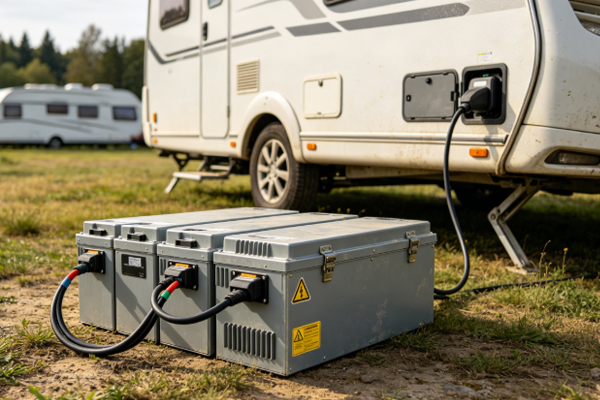
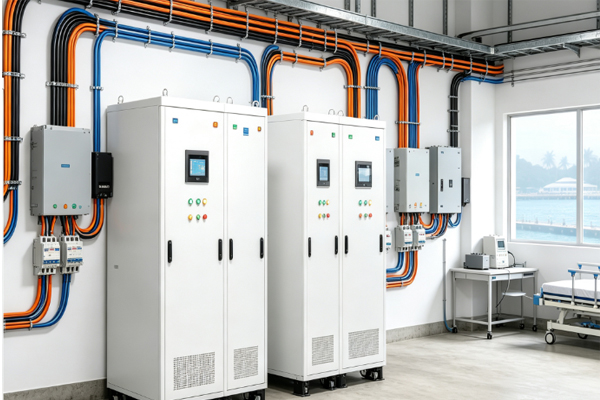
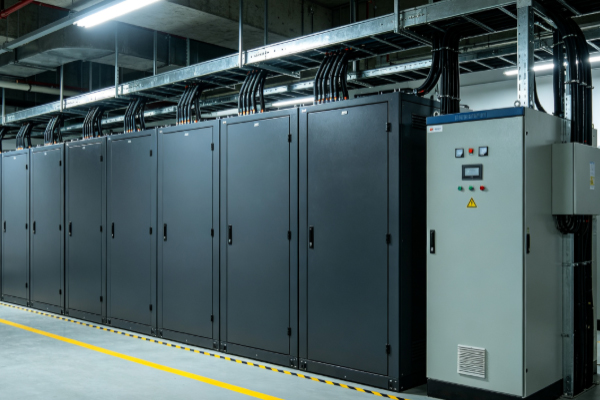
Home energy storage battery packs require enclosure design based on the installation environment in addition to the internal battery configuration. Wall-mounted, cabinet-mounted, floor-standing, and portable structures have different requirements for battery dimensions and interface layouts. If installation space is limited, the battery can be customized according to the dimensions of the battery cabinet, wall area, or equipment compartment. For indoor or garage applications, heat dissipation, maintenance space, and cable routing should also be considered to make the battery easier to use and maintain after installation.
Configuration References for Home Emergency Energy Storage Solutions
Determine Battery Specifications Based on Loads
Home energy storage solution design can begin with two questions: which devices need backup power and how long they need to operate. First, identify the emergency loads, then estimate the daily energy consumption and select an appropriate battery capacity. For example, a basic emergency application that only needs to maintain network access, lighting, and small electronic devices can use a smaller-capacity battery. If refrigerators, water pumps, and more household appliances need to operate, the battery capacity should be increased and an inverter with sufficient output capability should be selected. It is important to note that battery capacity and inverter power are two different parameters. Battery capacity mainly determines how much energy can be stored, while inverter power determines how large a load can be operated at the same time.
Configuration References for Different Household Applications
| Application Scenario | Main Loads | Configuration Focus |
| Short-term power outage | Lights, routers, mobile phones | Small-capacity, portable, or compact design |
| Nighttime backup | Lighting, network equipment, television, computer | Medium capacity and stable output |
| Home emergency backup | Refrigerator, lighting, network equipment, water pump | Consider battery capacity and inverter power together |
| Solar energy storage | Solar power, household loads, backup power | Focus on inverter communication and voltage |
| Long-term power outage | Multiple household appliances | Large capacity and expandable design |
| High-load household | Water pumps, refrigeration equipment, etc. | Focus on instantaneous starting power |
During customization, the battery installation environment, operating temperature, charging and discharging current, connection interfaces, and whether parallel expansion is required should also be confirmed. More complete project information makes accurate battery pack design easier.
OEM/ODM Solutions for Different Capacities
Home energy storage projects may involve different countries, residential types, and equipment configurations, so standardized products cannot cover every application requirement. Customized battery packs can be designed according to the customer’s capacity, voltage, dimensions, interfaces, and communication requirements. Common customization ranges include 12V to 48V battery packs, while higher-capacity energy storage battery solutions can also be provided according to energy storage system requirements. For home energy storage projects requiring long-term operation, the battery enclosure structure can also be designed according to the actual installation space, with one-stop services covering cells, battery packs, BMS, and energy storage systems.
Customized Services from Battery Design to Delivery
Start with Requirement Confirmation
Before customizing a home emergency energy storage project, several key details need to be confirmed: household load types, total equipment power, expected backup time, inverter model, battery installation location, and target market. If the inverter model has already been selected, the relevant specifications can be provided so that the battery engineering team can configure the battery according to input voltage, communication method, and current requirements. For projects without a specific battery specification, battery capacity can also be selected according to actual electricity consumption requirements.
Production and Quality Control
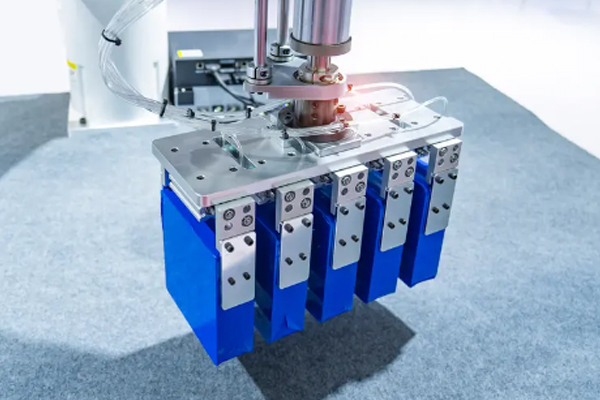
The stability of LiFePO4 battery packs is closely related to cell consistency, assembly processes, and BMS configuration. During production, cells, battery connections, protection boards, and finished products need to undergo corresponding inspections to ensure that the battery pack meets project requirements. Production capabilities can cover LiFePO4 cells, battery packs, BMS, and energy storage products, with OEM/ODM services available. According to project requirements, applicable battery models can be supported with access certificates, transport test summaries, safety data sheets, and compliance reports to facilitate product verification and market compliance preparation for global buyers.
Support for Documentation Requirements in Different Markets
When home energy storage batteries enter different countries and regions, transportation, safety, and local market compliance documents may be required. The required documentation needs to be confirmed according to the specific battery model, target market, and application scenario. Therefore, during the project confirmation stage, the product model, target sales region, and actual application should be discussed in advance before determining the required testing and documentation. This can reduce communication costs during subsequent procurement, transportation, and product market entry.
Frequently Asked Questions
What battery capacity is generally required for a home emergency energy storage lithium battery?
There is no single standard capacity. It mainly depends on the equipment requiring backup power and the required backup time. If only lighting, routers, and mobile phone charging are required, a small-capacity battery may be sufficient. If refrigerators, water pumps, computers, and other equipment need to operate continuously, a larger capacity is required.
Can the battery be customized according to household equipment?
Yes. OEM/ODM customization can be provided according to voltage, capacity, dimensions, interfaces, BMS communication methods, and installation space. After the customer provides existing inverter and load information, the appropriate battery pack specifications can be further confirmed.
Can LiFePO4 batteries be used as long-term backup power sources?
Yes. LiFePO4 batteries have a long cycle life and are suitable for home energy storage and backup power applications. Actual service life is also affected by depth of discharge, operating temperature, charging and discharging current, and daily maintenance.
Can expandable home energy storage batteries be provided?
Expandable solutions can be designed according to energy storage system requirements. When multiple battery packs are used for capacity expansion, BMS, inverter, current, and connection parameters need to be confirmed to ensure normal operation of the expanded system.
The core purpose of home emergency energy storage is to provide sufficient power when it is needed. Battery selection does not require pursuing the largest possible capacity. The appropriate specifications should be determined according to household equipment, expected outage duration, and installation location. If the capacity is too small, available backup time will be limited. If the capacity is too large, procurement costs and installation space requirements may increase. LiFePO4 batteries are suitable for household backup energy storage and can be configured for different voltage requirements such as 12V, 24V, and 48V. Capacity can also be customized according to actual electricity consumption. Internal battery configuration, battery management, interfaces, enclosure design, and installation methods can all be adjusted according to project requirements.
If a household already has a photovoltaic and inverter system, the battery pack can also be integrated into the existing energy storage system. Confirming inverter specifications, battery voltage, communication interfaces, and load power in advance can make the overall solution clearer. For customers involved in export sales or bulk procurement, the target market and documentation requirements can also be confirmed at an early stage to reduce subsequent communication time. From small home backup power supplies to larger-capacity residential energy storage systems, appropriate battery configuration can help maintain lighting, communication, refrigeration, and other essential equipment during power outages. Customizing a battery pack is not limited to changing capacity. The structure and functions can also be adjusted according to actual product requirements, allowing the battery to integrate more effectively with home energy storage equipment.
WhatsApp: +86 15074995718
Email: info@deligreen.net