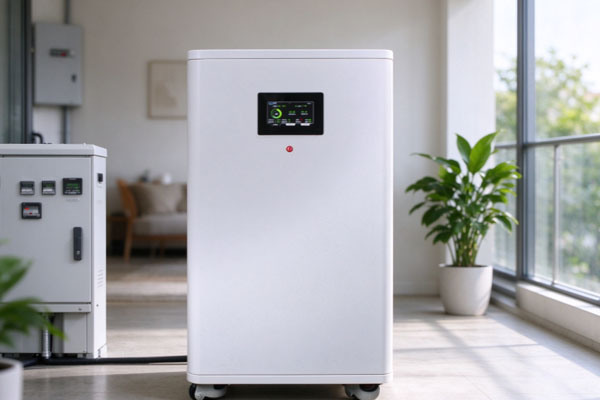
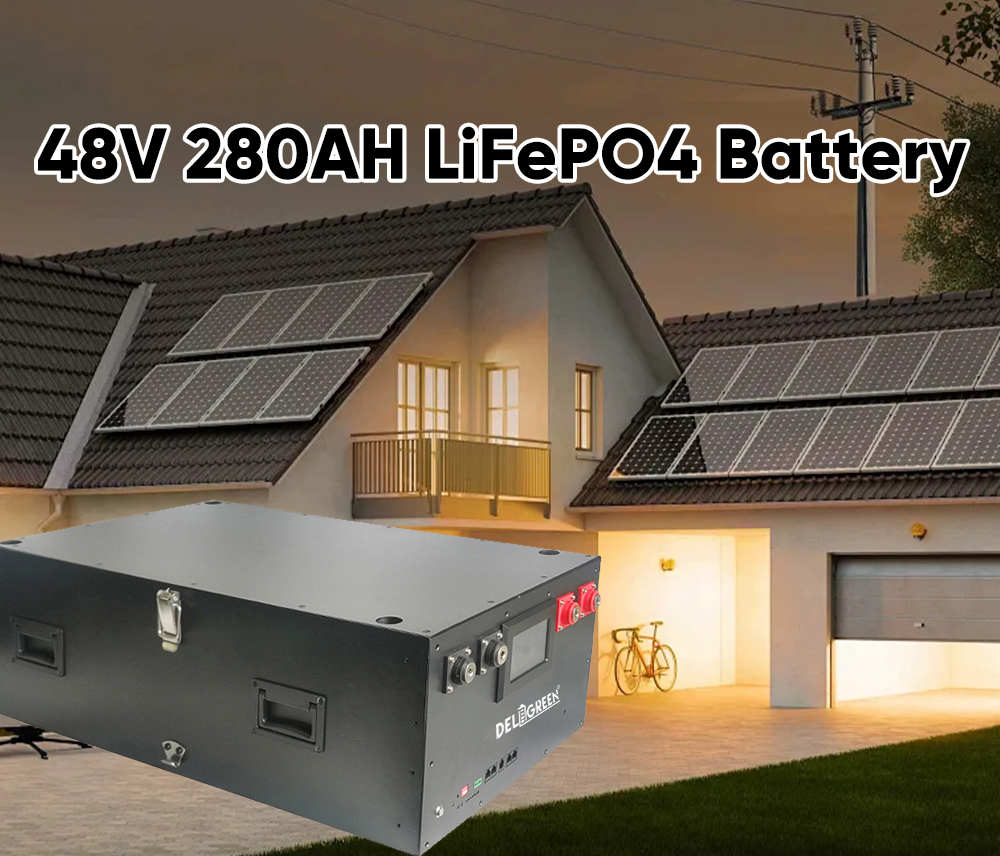
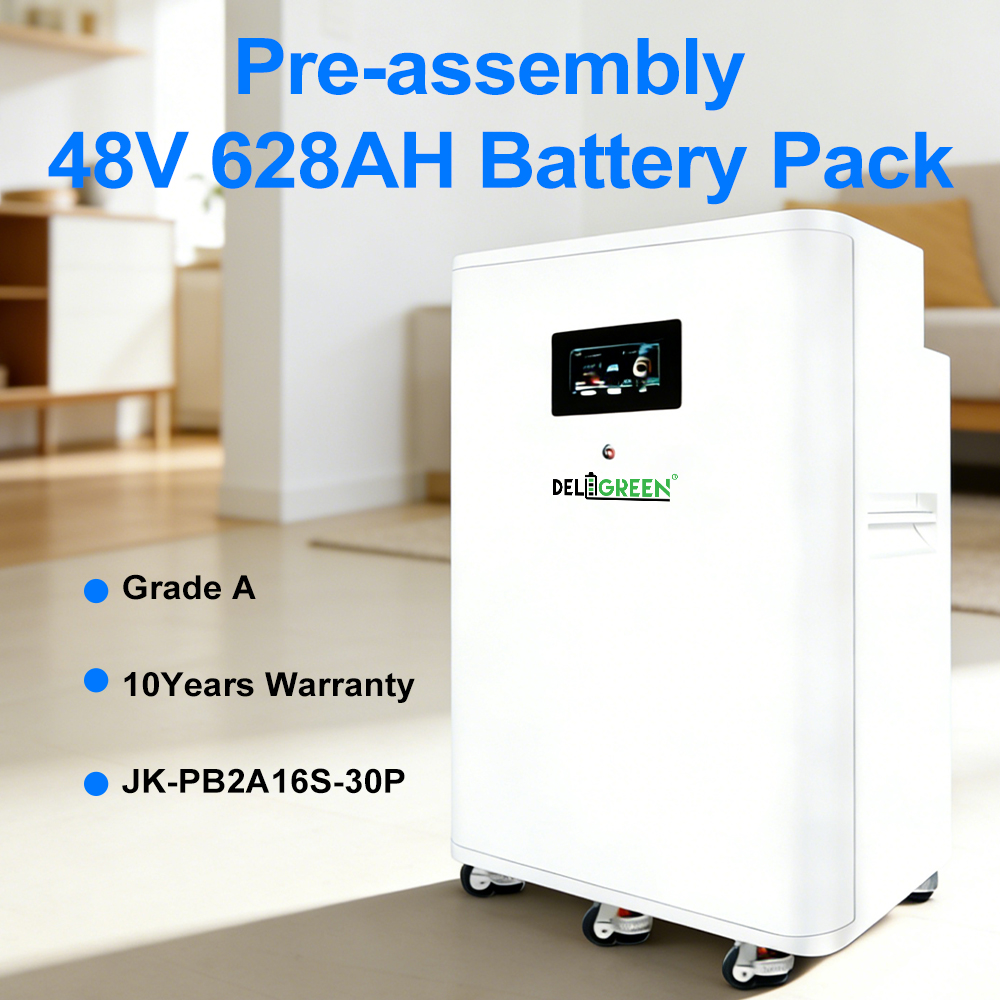
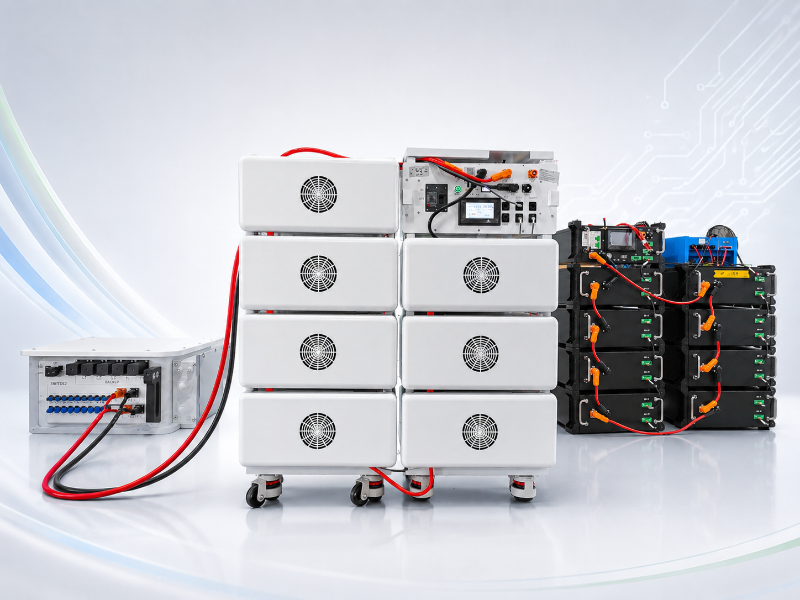
As demand for solar power generation and residential energy storage continues to grow, solar energy storage batteries have become important components in homes, commercial buildings, and off-grid power systems. LiFePO4 batteries are attracting more buyers because of their long cycle life, good safety performance, and stable charging and discharging capabilities.
There are many solar energy storage battery manufacturers on the market. They differ in production capacity, cell quality, technical configurations, product certifications, and after-sales service. Choosing the right manufacturer affects not only purchasing costs but also battery service life and long-term system reliability. Understanding a manufacturer’s capabilities and product specifications before purchasing helps buyers find a LiFePO4 battery supplier that meets their project requirements.
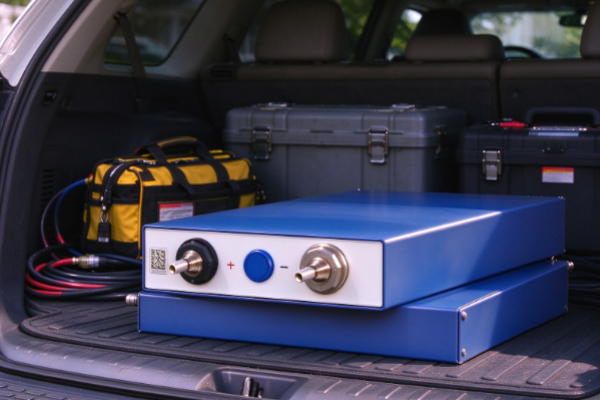
Check the Production Capabilities of the Manufacturer
Production capabilities are an important consideration when choosing a solar energy storage battery manufacturer. Manufacturers with stable production capacity usually have well-developed production equipment, quality management processes, and product testing facilities. These resources help control battery assembly quality and delivery schedules.
Buyers can learn about the manufacturer’s production facilities, equipment, industry experience, and main product categories. It is also important to confirm whether the company can provide a stable supply of products.
For residential energy storage projects, battery reliability and installation compatibility are important. Commercial and industrial projects require additional attention to bulk order capacity, customized specifications, and long-term supply capabilities.
Production scale is not the only factor to consider. Buyers should also check whether the manufacturer has independent product design, assembly, and testing capabilities. Some suppliers mainly handle trading or basic assembly, so it is important to confirm the actual manufacturing company and its quality responsibilities.
Choosing a manufacturer with transparent production processes and stable supply capabilities can reduce uncertainty during purchasing.
Check Cell Quality and Technical Specifications
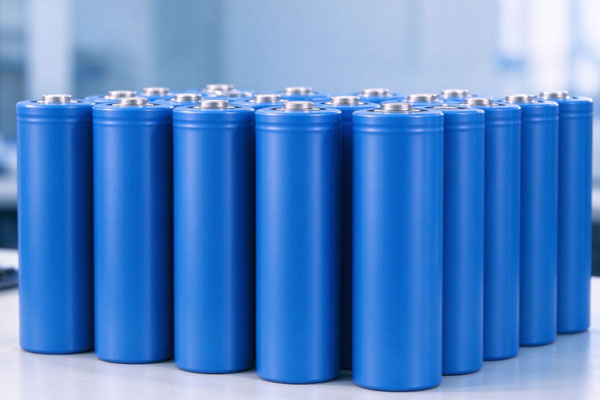
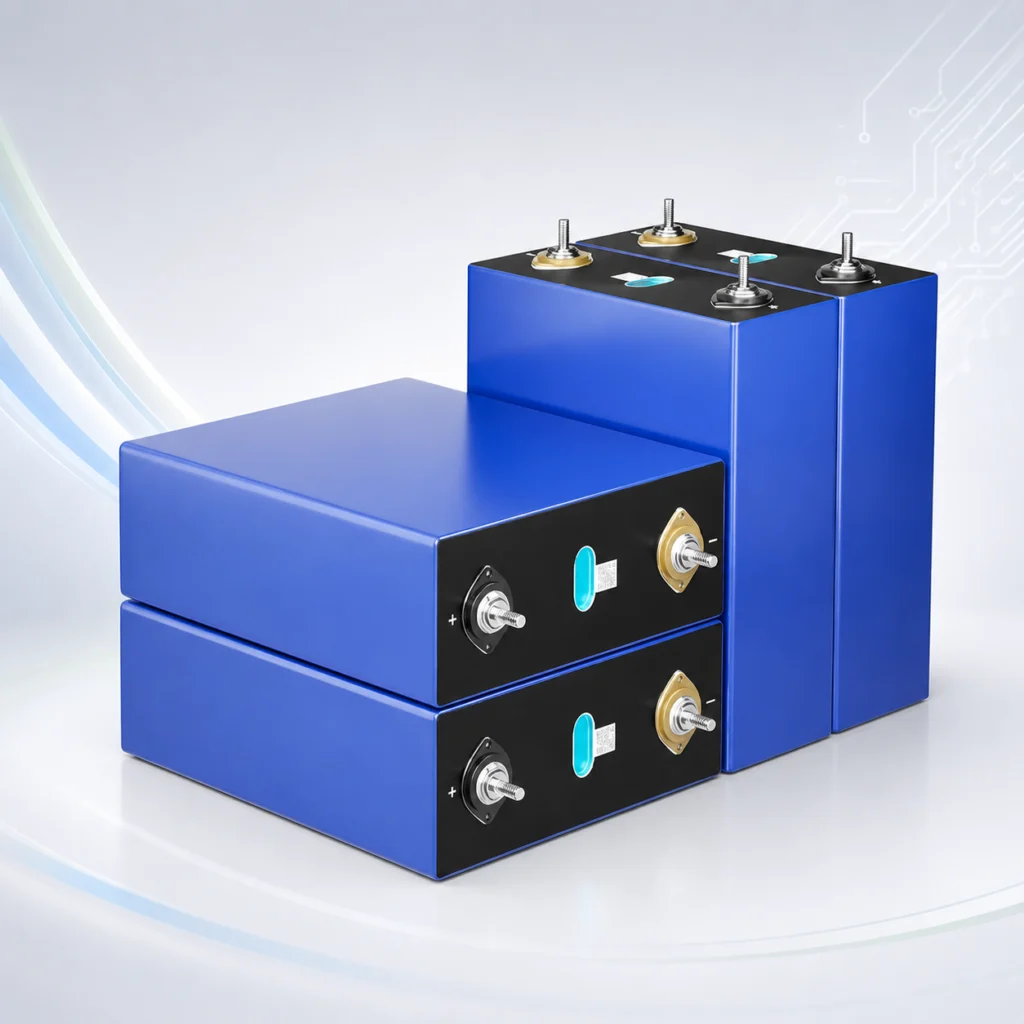
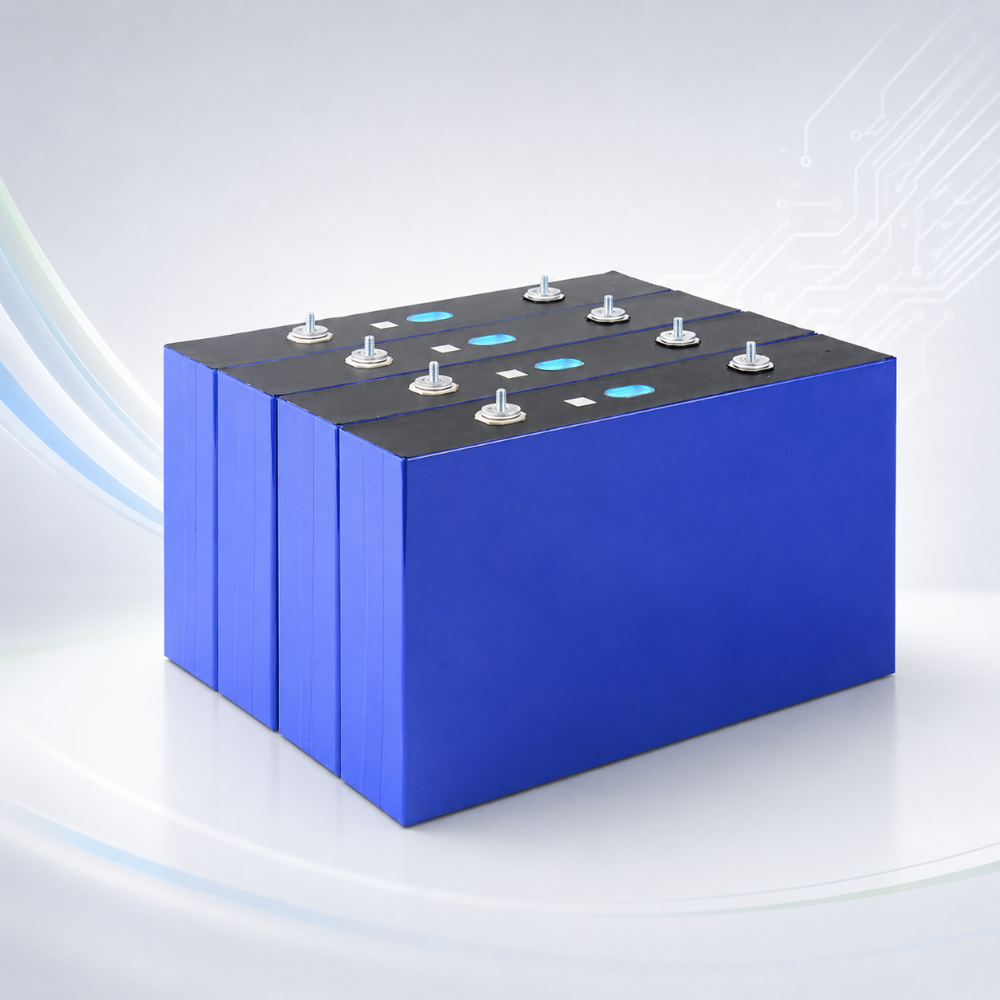
Battery cells are the core components of LiFePO4 energy storage batteries. Their quality affects battery capacity, cycle life, and operating stability. Different manufacturers may use different cell sources, specifications, and quality control standards. Even batteries with the same rated capacity may have different actual performance.
When purchasing solar energy storage batteries, buyers should check cell type, rated capacity, rated voltage, continuous charging and discharging current, and cycle life.
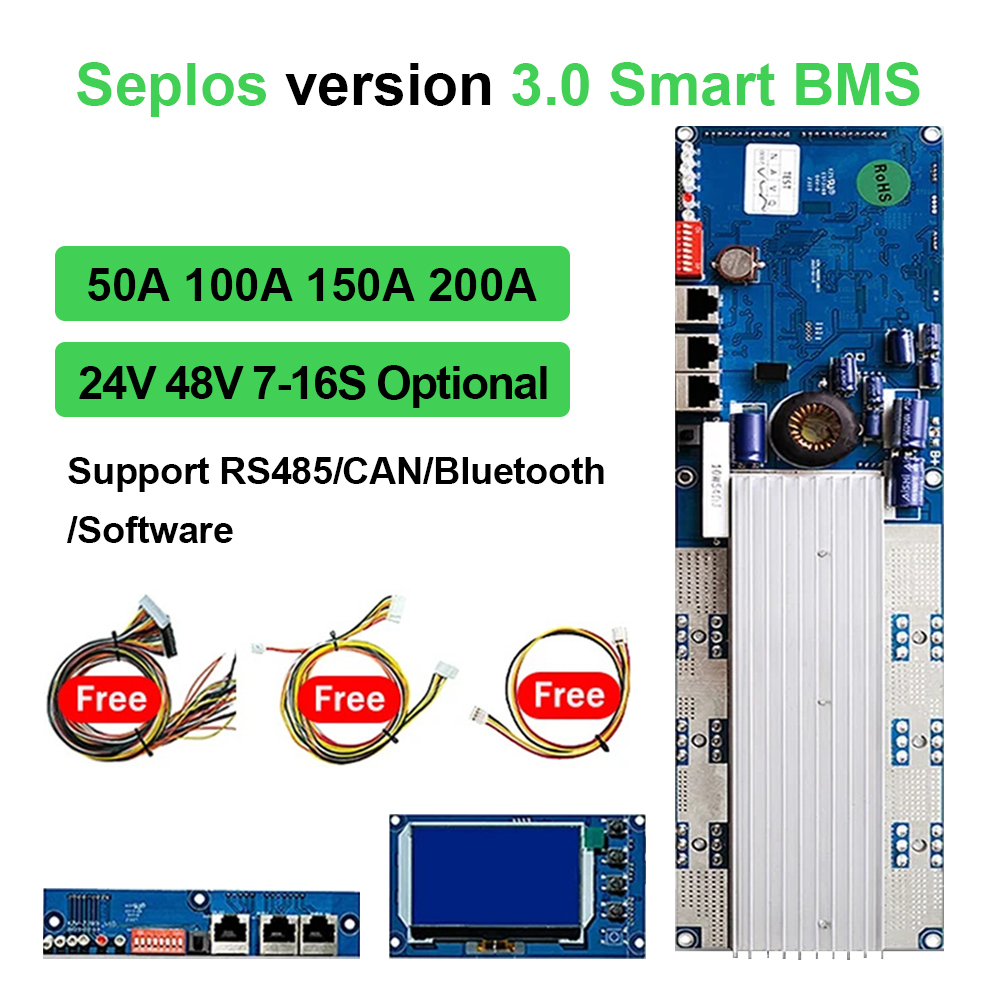
The battery management system (BMS) also requires careful attention. It monitors voltage, current, and temperature while providing protection against overcharging, over-discharging, overcurrent, and abnormal temperatures.
Buyers should review the following specifications:
- Cell quality: Check cell sources, specifications, consistency, and inspection records.
- Cycle life: Confirm the cycle count and capacity retention under specified testing conditions.
- BMS configuration: Check voltage, current, and temperature monitoring, as well as protection functions.
- Communication functions: Confirm whether the battery supports CAN, RS485, or other communication interfaces required by the inverter.
Operating temperature: Check the charging and discharging temperature ranges to ensure suitability for the installation environment.
Technical documents provided by the manufacturer should be clear and complete. Buyers should not judge product quality only by specifications displayed on promotional pages. Request product datasheets, test reports, and relevant technical documents, then compare them with the actual project requirements.
Confirm Product Certifications and Safety Testing Capabilities
Solar energy storage batteries often operate for long periods and connect to solar panels, inverters, and residential or commercial electrical equipment. For this reason, product safety is essential.
Reliable manufacturers should have standardized quality inspection processes and provide relevant certification documents according to the target market and product application.
Before purchasing, confirm whether the battery meets local market regulations and transportation requirements. Relevant standards and documents may include IEC, UL, CE, and UN38.3, depending on the product type, sales region, and transportation method. These certifications and standards have different scopes, so one certificate does not automatically mean that a product meets every market requirement.
In addition to certification documents, buyers should check whether the manufacturer tests individual cells, battery packs, and finished products. Capacity testing, charging and discharging tests, temperature monitoring, protection function testing, and final product inspections help identify quality issues during production.
Buyers can request test reports that correspond to the exact product model. Check whether the model number, specifications, and production information match the product being purchased.
For residential and commercial energy storage projects designed for long-term operation, choosing a manufacturer with standardized testing procedures and reliable technical documentation helps support safe system operation.
Evaluate Customization Capabilities and System Compatibility
Different solar energy storage projects have different battery requirements. Residential users may need 5kWh, 10kWh, or 15kWh battery configurations, while commercial and industrial projects may require larger battery systems or multiple units connected in parallel.
A reliable manufacturer should be able to recommend suitable battery specifications based on project requirements and help confirm compatibility with inverters and solar control equipment.
Before purchasing, check the battery’s rated voltage, maximum charging current, continuous discharge current, communication protocols, and installation method. This helps prevent system problems caused by incompatible specifications.
Buyers with special requirements can also check whether the manufacturer provides customization services, including:
- Capacity and voltage customization: Select suitable battery specifications according to the project’s electricity requirements.
- Appearance and structural customization: Adjust the design for wall-mounted, rack-mounted, or floor-standing installations.
- Communication configuration: Confirm CAN, RS485, or other interface requirements based on the inverter model.
- System expansion support: Check whether batteries can be connected in parallel and whether additional storage capacity can be added later.
Customization involves more than adjusting product specifications. It may also include technical communication, sample approval, and bulk production management. Providing complete project requirements before ordering helps reduce communication errors and allows the manufacturer to prepare a more accurate solution and quotation.
Compare Prices, Delivery Times, and After-Sales Service
Solar energy storage battery prices are affected by cell costs, battery capacity, BMS configuration, manufacturing processes, order quantities, and customization requirements.
Different manufacturers may provide different quotations. Buyers should not select a product based only on the lowest unit price. It is important to confirm the exact configuration and services included in each quotation.
When comparing prices, check the battery model, capacity, voltage, accessories, packaging, transportation costs, and warranty conditions. This helps prevent inaccurate comparisons caused by differences in product configurations.
For bulk purchases, buyers should also check production schedules, delivery times, and long-term supply capabilities to ensure that products arrive according to the project schedule.
After-sales service is equally important for long-term purchasing value. Solar energy storage batteries may require technical guidance, installation support, troubleshooting, and spare parts. A manufacturer’s ability to provide timely assistance can affect future system maintenance.
Before placing an order, confirm the following details:
- Warranty policy: Check the warranty period, applicable conditions, and coverage.
- Technical support: Confirm whether the manufacturer provides installation, commissioning, and operating guidance.
- Troubleshooting: Understand the after-sales response time and problem-solving process.
- Supply capacity: Confirm bulk order delivery arrangements and long-term product availability.
- Quotation details: Check product configurations, transportation, packaging, and customization costs.
Choosing a solar energy storage battery manufacturer requires careful attention to production capacity, cell quality, technical specifications, product certifications, customization services, and after-sales support.
For LiFePO4 battery buyers, manufacturers that provide consistent product quality, clear technical documentation, and ongoing service support are better candidates for long-term cooperation. Comparing suppliers based on project capacity, installation environment, inverter model, and budget can improve purchasing efficiency and support reliable long-term operation of solar energy storage systems.