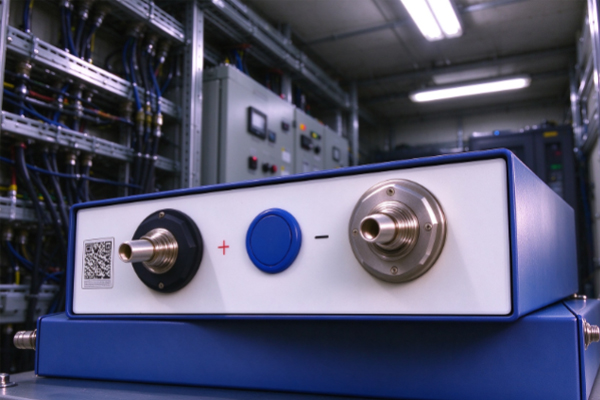
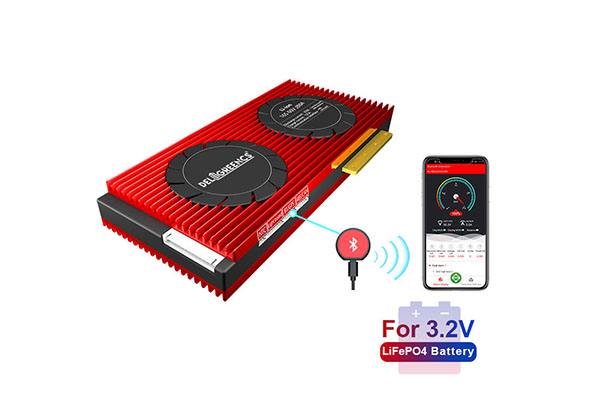
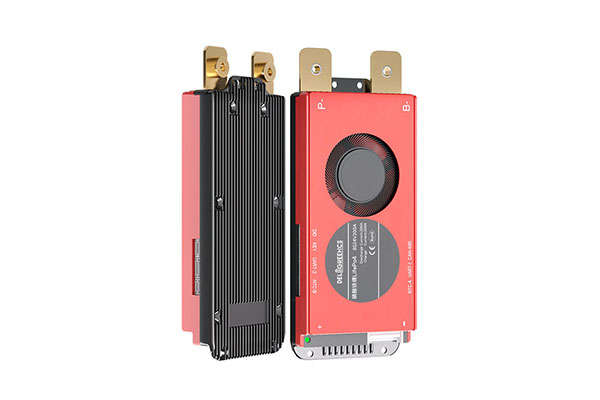
As lithium batteries become increasingly popular in residential energy storage, commercial and industrial energy storage, electric equipment, and portable power applications, battery safety has attracted growing attention. Under abnormal conditions such as overcharging, over-discharging, short circuits, or excessive temperatures, lithium batteries may experience rapid temperature increases and internal structural damage. In severe cases, these conditions can lead to thermal runaway and fire.A Battery Management System (BMS) is an essential component of lithium battery safety management. But can a BMS actually prevent lithium battery fires? What protection functions does it provide to reduce potential safety risks?
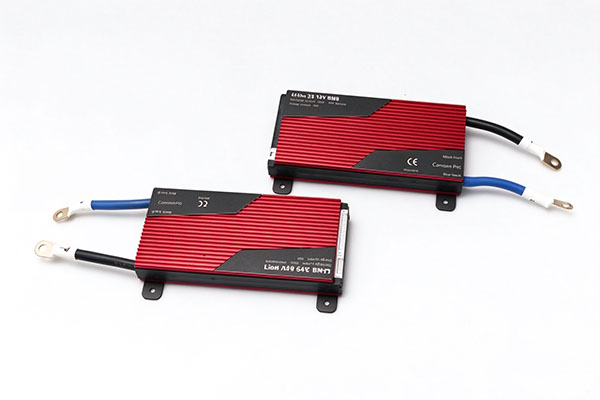
Can a BMS Prevent Lithium Battery Fires?
The Main Safety Role of a BMS
A BMS cannot guarantee that a lithium battery will never catch fire under all circumstances. However, it can reduce the risk of thermal runaway caused by many common electrical faults through real-time monitoring and protective control.
During battery operation, the BMS continuously collects critical data, including individual cell voltage, battery pack current, and temperature. When monitored parameters exceed predefined safety limits, the system can trigger alarms, limit charging or discharging current, or disconnect the circuit to reduce the impact of abnormal conditions.
Why Can Lithium Batteries Catch Fire?
Lithium battery fires can be associated with several factors, including overcharging, internal short circuits, external short circuits, mechanical damage, inadequate heat dissipation, and cell manufacturing defects.
For example, continuous overcharging may trigger unwanted internal chemical reactions and generate excessive heat. An external short circuit can cause a sudden surge in current and rapid temperature increases. If the generated heat cannot be dissipated effectively, the battery may enter thermal runaway.
A BMS mainly provides protection against electrical abnormalities that can be monitored and controlled. However, it cannot completely eliminate risks caused by internal defects, severe mechanical damage, or other factors. Battery safety also depends on cell quality, proper structural design, and effective thermal management.
Key Battery Safety Protection Functions of a BMS
Overcharge Protection: Preventing Excessive Cell Voltage
Overcharging is one of the important factors affecting lithium battery safety. When cell voltage exceeds the maximum limit specified by the manufacturer, it may accelerate internal material degradation and increase the risk of heat generation and thermal runaway.
A BMS continuously monitors individual cell voltage. When a cell reaches its overvoltage protection threshold, the system can trigger an alarm or stop charging to reduce the risk of overcharging.
Individual cell voltage monitoring is particularly important for series-connected battery packs because one cell may reach its overvoltage limit even when the total battery pack voltage remains within the normal range.
Over-Discharge Protection: Reducing Cell Damage
When a cell remains at an excessively low voltage for an extended period, irreversible performance degradation may occur, affecting its subsequent charging capability.
A BMS monitors undervoltage conditions to determine whether a cell has reached its minimum discharge limit. When the voltage falls below the predefined threshold, the system can limit the load or disconnect the discharge circuit to prevent further over-discharging.
Overcurrent and Short-Circuit Protection: Controlling Abnormal Current
During battery operation, equipment failures, damaged wiring, or external short circuits may cause current to exceed the normal operating range.
A BMS uses current sensors to monitor charging and discharging current. When the current exceeds the predefined threshold or a short-circuit condition is detected, the system can activate its protection mechanism to limit or interrupt the current, reducing excessive heat generation in the wiring and battery cells.
Temperature Protection: Reducing the Risks of High-Temperature Operation
Abnormal temperature is another important factor in lithium battery safety management. Excessively high temperatures can accelerate cell aging and increase the risk of thermal runaway. Charging lithium batteries at low temperatures may also cause internal abnormalities.
A BMS uses temperature sensors to monitor battery operating conditions. When the temperature exceeds the permitted range, the system can limit charging and discharging or stop operation. Some BMS solutions also support low-temperature charging protection to reduce risks associated with charging in cold environments.
Cell Balancing: Improving Battery Pack Consistency
After long-term use, differences in voltage and capacity may develop between individual cells. If certain cells reach their upper charging or lower discharging limits earlier than others, the overall performance of the battery pack may be affected.
A BMS can use passive or active cell balancing to improve voltage consistency between cells and reduce the possibility of individual cells experiencing excessive charging or discharging stress over time.
How to Further Improve Lithium Battery Fire Safety
Choose a BMS That Matches the Battery Cells
Different lithium battery chemistries have different voltage ranges and operating requirements. When selecting a BMS, it is important to check battery chemistry compatibility, series cell count, rated current, protection thresholds, and communication protocols.
The BMS should match the actual battery pack configuration to ensure that its protection functions operate correctly.
Combine Thermal Management with Electrical Protection
A BMS cannot replace a complete battery safety design. Battery systems should also incorporate appropriate cooling structures, suitable fuses, contactors, and other necessary electrical protection devices.
For large-scale energy storage systems, additional smoke, gas, and fire detection and protection measures should be configured according to project requirements.
Regularly Check Battery Operating Data
Users and system maintenance personnel should pay attention to cell voltage differences, temperature changes, abnormal alarms, and charging and discharging records.
If the system frequently triggers protection functions, the underlying causes should be investigated. These may include cell abnormalities, wiring problems, or inadequate heat dissipation. Simply resetting alarms and continuing operation without inspection should be avoided.
DeliGreen BMS for Lithium Battery Safety Management
DeliGreen focuses on battery and energy storage products, with product categories covering lithium iron phosphate (LiFePO4) cells, battery packs, Battery Management Systems, and energy storage solutions.
For residential energy storage, commercial and industrial energy storage, and other battery applications, an appropriately configured BMS helps monitor voltage, current, and temperature while providing corresponding battery protection functions based on the system configuration.
When selecting a battery management system, buyers and energy storage system integrators should evaluate cell specifications, operating environments, load requirements, and communication needs. The number of protection functions alone should not be the only selection criterion.
Conclusion
A BMS cannot guarantee complete prevention of lithium battery fires. However, through overcharge protection, over-discharge protection, overcurrent protection, short-circuit protection, temperature monitoring, and cell balancing, it can significantly reduce safety risks associated with abnormal operating conditions.
A reliable lithium battery safety system requires a combination of BMS protection, high-quality battery cells, effective thermal management, electrical protection, and regular maintenance.
For energy storage equipment manufacturers and project buyers, choosing a BMS solution that matches the battery system is an important step toward improving operational safety and long-term reliability.
To learn more about Battery Management Systems and energy storage products, visit the DeliGreen official website.