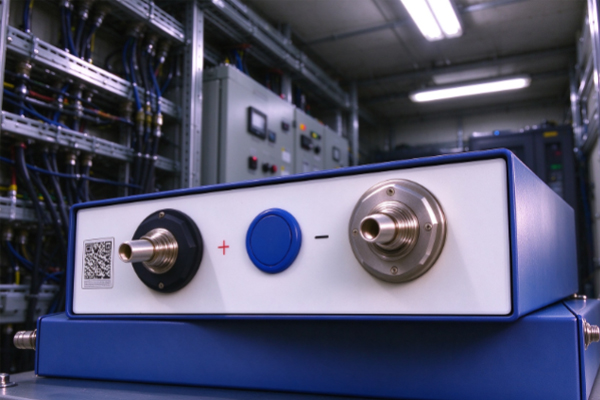
As renewable energy, electric transportation, and industrial electrification continue to develop, the demand for reliable energy storage systems is increasing. Businesses need battery solutions that can operate for years, withstand frequent charging and discharging, and minimize maintenance and replacement costs.
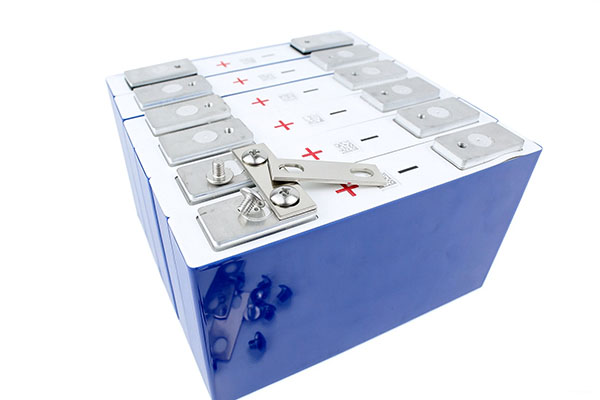
Lithium Titanate Oxide (LTO) batteries are attracting attention in these applications because of their long cycle life, fast-charging capability, and stable electrochemical performance. Unlike conventional lithium-ion batteries that typically use graphite anodes, LTO batteries use lithium titanate as the anode material. This difference gives them several characteristics that make them suitable for demanding energy storage environments.
Although LTO batteries may have a higher initial purchase cost and lower energy density than some alternative battery chemistries, their long service life can make them an attractive option for projects where reliability and frequent cycling are priorities.
Key Advantages Driving LTO Battery Adoption
Exceptional Cycle Life
One of the main reasons LTO batteries are considered for long-life energy storage is their potential for a high number of charge-discharge cycles. Lithium titanate anodes experience relatively small structural changes during cycling, helping reduce certain degradation mechanisms associated with repeated charging and discharging.
This characteristic is valuable for commercial energy storage, industrial backup systems, and renewable energy installations that cycle daily. Fewer battery replacements over the system’s operating life can reduce maintenance requirements, replacement expenses, and operational disruptions.
Actual cycle life varies according to cell design, operating temperature, charging rate, depth of discharge, and maintenance practices. Buyers should compare independently verified test results rather than relying on a single advertised cycle-life figure.
Fast Charging and High Power Performance
LTO batteries can support high charging and discharging rates when the cells and battery management system are designed for these conditions. This allows energy storage systems to respond quickly to changes in electricity demand and recharge within shorter operating windows.
For industrial facilities, rapid charging can help reduce downtime. In renewable energy applications, high-power performance can support short-duration energy balancing and sudden changes in load. These capabilities make LTO technology particularly relevant where power delivery is as important as stored energy capacity.
Reliable Operation in Different Temperatures
Temperature affects battery performance, charging efficiency, and service life. Certain LTO battery designs can perform well in low-temperature environments compared with many conventional lithium-ion alternatives.
This can benefit outdoor energy storage installations, transportation equipment, and industrial systems operating under challenging environmental conditions. Nevertheless, the permitted charging and discharging temperature ranges must be checked for the specific battery model. Appropriate thermal management and electrical protection remain essential.
Why LTO Batteries Fit Long-Life Energy Storage Applications
Renewable Energy Storage
Solar and wind power generation fluctuates with weather conditions and time of day. Energy storage helps balance electricity supply and demand, making battery durability an important consideration.
LTO batteries can be suitable for renewable energy projects requiring frequent cycling, rapid power response, and long operating life. They can also support applications that need repeated short-duration charging and discharging rather than maximum energy storage per unit of weight.
Commercial and Industrial Energy Management
Factories, warehouses, and commercial buildings may use battery systems to manage peak electricity demand, support critical loads, and improve power availability. These applications can involve intensive daily cycling and strict uptime requirements.
LTO batteries may offer value when their long cycle life and power capabilities offset their higher upfront cost. System designers should evaluate electricity tariffs, daily energy throughput, conversion efficiency, and expected battery replacement intervals before choosing a chemistry.
Backup Power and Critical Equipment
Backup power systems need dependable performance when the main electricity supply is interrupted. LTO batteries can be considered for industrial control systems, telecommunications infrastructure, and other equipment that requires reliable power delivery.
The appropriate solution depends on the required backup duration, discharge power, standby conditions, and system redundancy. Battery capacity and protection settings must be designed around the actual load rather than selected solely on the basis of battery chemistry.
Is LTO the Best Choice for Every Energy Storage Project?
Despite its advantages, LTO technology is not ideal for every application. Its relatively low energy density can require more installation space and weight for the same stored energy. Its initial cost may also be higher than that of other lithium-ion battery options.
For compact systems that prioritize maximum energy capacity at minimum weight, other battery chemistries may be more suitable. For projects requiring frequent cycling, fast charging, high power, and long operating life, LTO deserves careful consideration.
A practical comparison should include the initial investment, usable capacity, round-trip efficiency, cycle-life test conditions, warranty, installation requirements, and total cost of ownership.
Choosing a Reliable LTO Battery Supplier
As demand for long-life energy storage grows, selecting the right battery supplier is just as important as choosing the chemistry. Buyers should review technical documentation, quality control procedures, safety test reports, and battery management system capabilities.
DeliGreen provides LTO battery solutions for energy storage and industrial applications. When evaluating a customized solution, specify the required voltage, capacity, charging rate, operating temperature, installation environment, and expected duty cycle. These details help determine whether an LTO battery system can meet the project’s long-term performance requirements.
LTO batteries are becoming an important option in long-life energy storage because they combine cycle durability, fast charging, and high-power capability. As energy storage requirements become more demanding, their greatest value lies in applications where dependable operation over repeated cycles matters more than maximizing energy density alone.