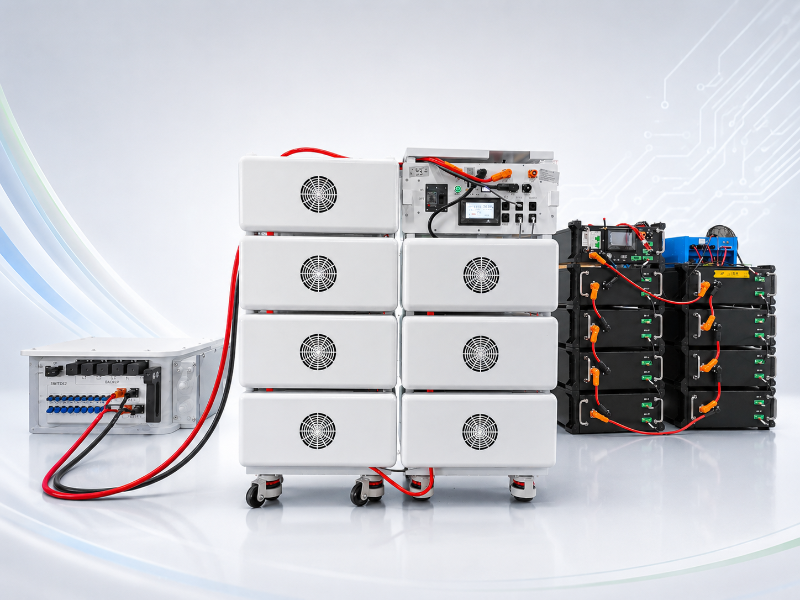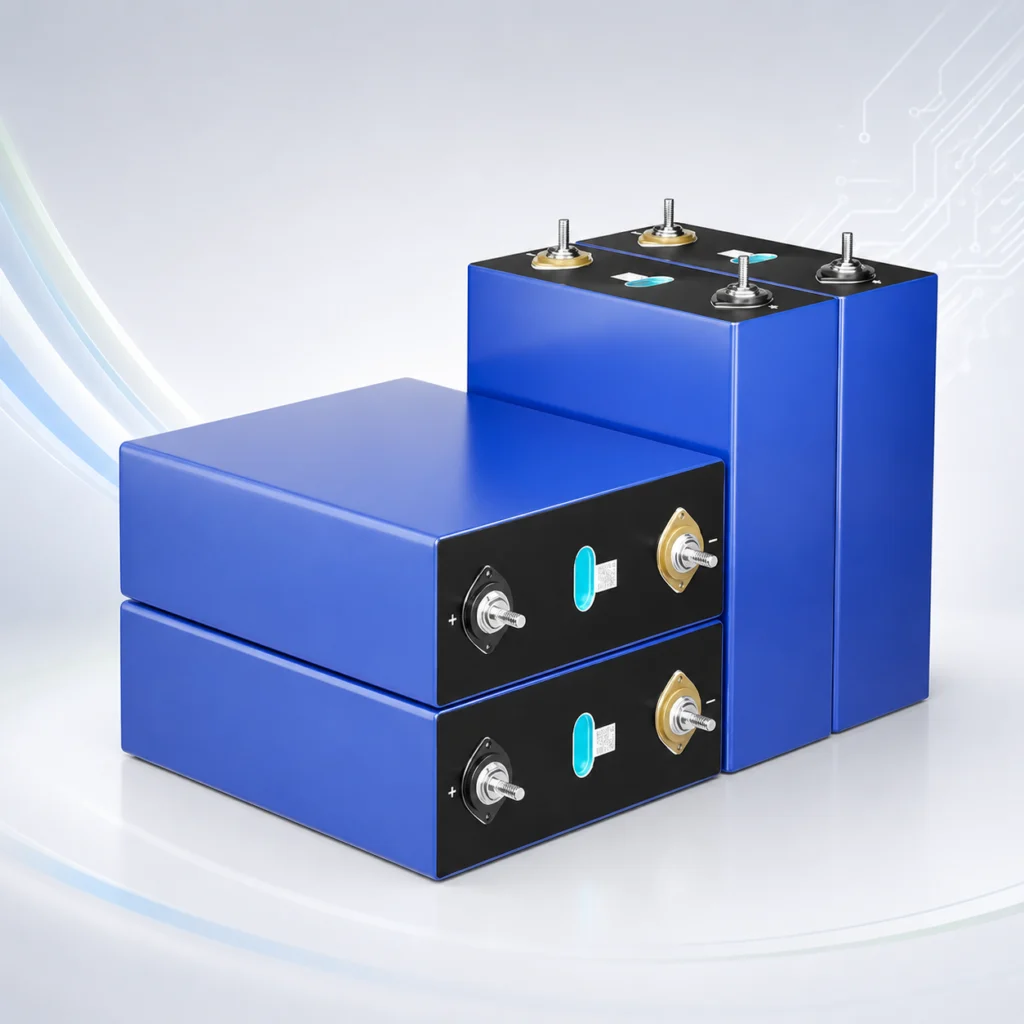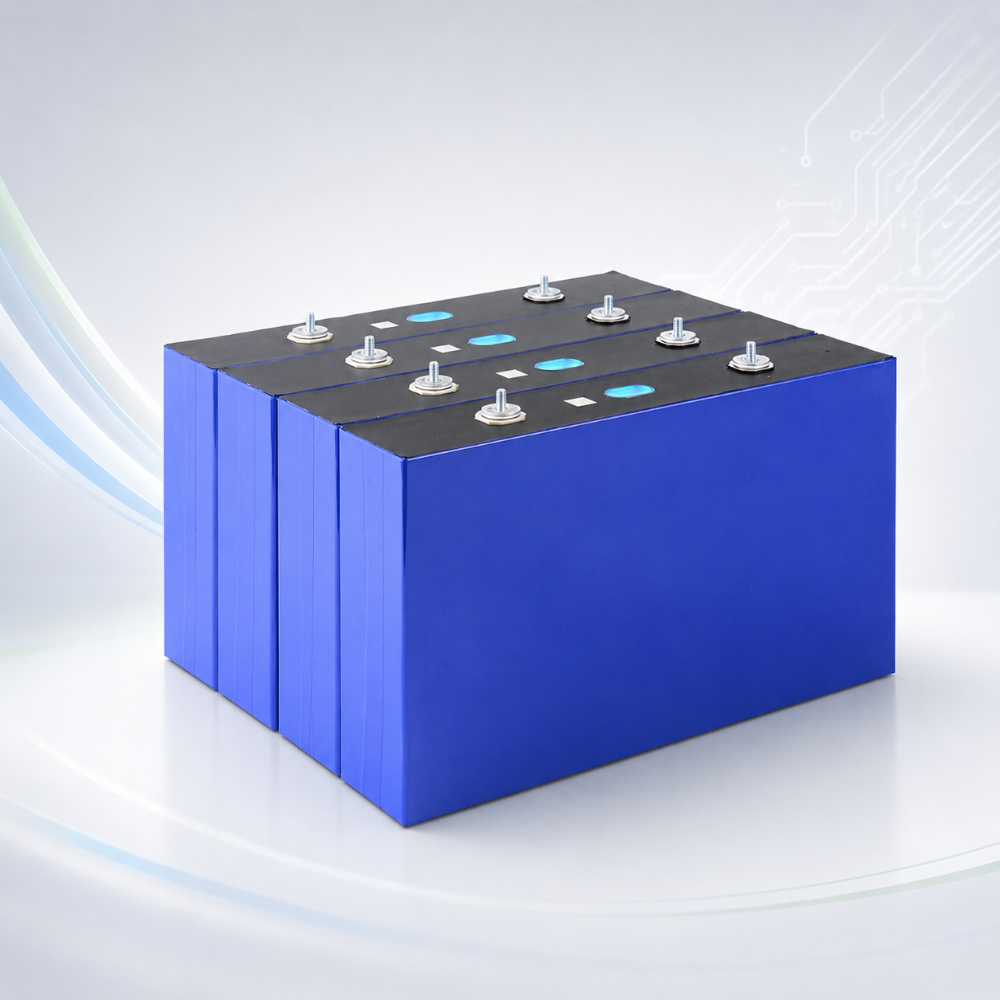
The service life of lithium deep-cycle batteries differs from that of ordinary disposable batteries. Deep-cycle lithium batteries repeatedly undergo charging and discharging, and their capacity gradually decreases with the number of cycles, operating time, working temperature, and depth of charge and discharge. Therefore, even if a battery has been used for many years, it usually does not need to be replaced simply because it has reached a certain number of years, as long as its capacity still meets the equipment’s power requirements and its charging and discharging performance remains stable. Conversely, if the battery has not been used for very long but shows a significant capacity decrease, shortened runtime, abnormal charging, or frequent protection activation, it may need to be inspected or even replaced earlier.
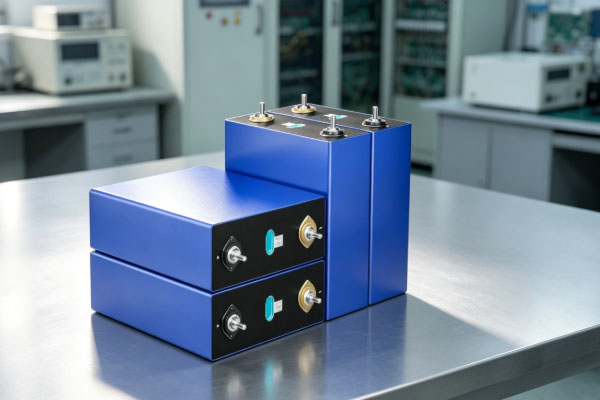
Common lithium iron phosphate deep-cycle batteries have a relatively long cycle life. Under reasonable operating conditions, some products can operate for many years, but actual service life is affected by daily depth of discharge, cycling frequency, temperature, charging parameters, and battery management settings. When determining when to replace a battery, its current capacity, number of cycles, operating performance, and the service life specifications provided by the manufacturer should be considered rather than simply using a fixed period such as three, five, or ten years.
How Many Years Can a Lithium Deep-Cycle Battery Generally Be Used?
Reference Service Life and Cycle Count
The service life of lithium deep-cycle batteries is generally determined by both calendar life and cycle life. Calendar life refers to the period from battery production and commissioning until its performance significantly declines; cycle life refers to the number of charge and discharge cycles completed by the battery. For example, if a battery completes one full equivalent cycle every day, it produces approximately 365 cycles per year. If only 50% of the battery capacity is used each day and then recharged, it takes approximately two days to complete the equivalent of one 100% cycle. Therefore, two batteries used for the same number of years may have significantly different actual cycle counts.
Common lithium iron phosphate batteries can achieve several thousand cycles, but the specific figure needs to be evaluated according to the test conditions. The cycle count specified by a manufacturer usually corresponds to specific conditions such as depth of discharge, charge and discharge rate, ambient temperature, and capacity retention. For example, the same battery may achieve different cycle counts when operated at 80% DoD and 50% DoD. Therefore, “how many years it can be used” can only serve as a reference and cannot replace an assessment of the battery’s actual condition.
Usage Frequency Can Change the Actual Replacement Time
If a battery is charged and discharged multiple times every day, its cycles accumulate significantly faster than in a low-frequency application. RVs, energy storage equipment, and electric equipment have different operating patterns, so the time required for a battery to reach the stage of significant degradation also varies. Long-term operation under high loads, frequent deep discharge, or high-temperature conditions can accelerate capacity degradation. Conversely, operating within a reasonable temperature range and controlling the daily depth of discharge can reduce the load imposed by each cycle.
What Conditions Indicate That Replacement Should Be Considered?
Capacity Decrease
After a lithium deep-cycle battery has been used for a period of time, its capacity naturally decreases gradually. Suppose a 100Ah battery has been used for a long time and its actual usable capacity has become significantly lower than its original capacity, making it unable to meet the equipment’s normal daily power requirements. Even if the battery can still charge and discharge, this has already affected normal operation. Some battery products use capacity retention as an end-of-life criterion. For example, when the actual battery capacity decreases to around 80% of its rated capacity, this can serve as an important reference for evaluating battery performance degradation. However, service life definitions vary among manufacturers, so the specific assessment should still follow the product’s technical documentation. If the capacity decrease is small and the equipment’s operating time still meets requirements, the battery can continue to be used. If the capacity decrease has already caused frequent power interruptions or significantly shortened runtime, replacement should be considered.
Abnormal Conditions
After a long period of use, if obvious abnormalities occur, the battery condition should no longer be judged only by its age and should instead be inspected further.
- Charging time becomes significantly longer, while the actual usable capacity continues to decrease;
- Discharge time becomes significantly shorter, and the equipment quickly enters low-battery protection;
- The battery frequently triggers overvoltage, undervoltage, overcurrent, or temperature protection;
- The battery shows abnormal heating, housing deformation, leakage, or other physical damage;
- Voltage performance becomes abnormal, with significant inconsistency between individual cells.
Housing deformation, abnormal heating, or other obvious damage should not be treated as ordinary capacity degradation. The battery should be taken out of service and inspected by qualified professionals. When a lithium battery shows abnormal conditions, it should not be restored to operation by disassembling the battery, bypassing the protection device, or forcing it to charge.
How Can You Determine Whether an Aging Lithium Deep-Cycle Battery Can Continue to Be Used?
Actual Capacity Can Be Tested
To determine whether a battery needs to be replaced, a controlled capacity test can be performed. Before testing, confirm that the battery is in normal condition and use charging and discharging equipment that meets the required specifications. Charge the battery to the specified state, then discharge it under a stable load and record the actual output capacity before comparing it with the rated capacity. For example, if a battery has a rated capacity of 100Ah and its actual capacity after long-term use is measured at 82Ah, its capacity retention is approximately 82%. If the equipment only requires 60Ah per day, the current capacity may still meet its operating requirements. If the equipment requires 90Ah per day, the same battery may no longer provide sufficient operating time.
Voltage Alone Cannot Fully Determine Capacity
Many users judge whether a lithium deep-cycle battery is aging by measuring its resting voltage, but simply measuring voltage cannot accurately indicate the battery’s remaining capacity. This is particularly true for lithium iron phosphate batteries, whose voltage changes relatively slowly across a broad SOC range. Therefore, it is difficult to accurately determine the degree of capacity degradation using only a multimeter to measure terminal voltage.
If an accurate assessment of an older battery is required, the following can be considered together:
Actual capacity test + cycle count records + BMS data + charging and discharging performance + cell condition
The BMS can record certain operating data, such as voltage, current, temperature, SOC, and protection records. This information can help determine whether the battery has developed abnormal conditions.
Frequently Asked Questions
Q1: Does a lithium deep-cycle battery have to be replaced after 5 years of use?
Not necessarily. Five years is only a time reference and cannot serve as a universal replacement standard. If the battery has good capacity retention, charges and discharges normally, shows no obvious abnormalities, and can meet the equipment’s power requirements, it can continue to be used. The actual replacement time should be determined based on the product specifications, usage frequency, and current capacity.
Q2: If the battery can still be fully charged, does that mean it has not aged?
No. A battery reaching its charging cutoff voltage does not mean that its capacity remains at the original level. An aged battery may still display 100% SOC, while the actual amount of energy it can store and deliver has already decreased. Therefore, the actual operating time after a full charge and the results of capacity testing should also be considered.
Q3: Does a shortened battery runtime mean it needs to be replaced immediately?
First, check for changes in load, charger parameters, low-temperature conditions, connection wiring, and BMS protection records. If the equipment’s power consumption has increased, this can also shorten runtime and does not necessarily mean that the battery itself has reached the end of its service life. If a significant decrease in actual capacity is confirmed, determine whether replacement is necessary based on the equipment’s minimum capacity requirements.
Q4: How can the service life of a lithium deep-cycle battery be extended?
During daily use, control the charging and discharging range according to the battery specifications, avoid prolonged exposure to extremely high temperatures, and use charging equipment that meets the required specifications. At the same time, reduce unnecessary deep discharges, avoid long-term overload operation, and regularly check the battery’s capacity, temperature, and protection records. For batteries stored for long periods, they should also be stored within the SOC range specified by the manufacturer.
There is no fixed answer that applies to all products when determining how many years a lithium deep-cycle battery can be used before replacement. Some lithium iron phosphate batteries can still maintain good operating performance after several thousand cycles, so under a usage pattern of one cycle per day, the actual service period may extend for many years. However, cycle count is an important indicator under laboratory test conditions, while actual service life is also affected by depth of discharge, charging current, operating temperature, load size, and storage conditions. The higher the usage frequency, the faster the cycles accumulate. Long-term high-temperature operation, frequent deep discharge, and charging parameters that do not meet requirements can also accelerate capacity degradation.
When determining whether a battery should be replaced, it is recommended to focus on its current usable capacity. If the capacity can no longer meet the equipment’s normal operating time, replacement should be considered even if the battery can still charge and discharge. If abnormal heating, housing deformation, frequent protection activation, obvious voltage abnormalities, or other issues occur, the battery should be taken out of service promptly and professionally inspected. For batteries that are functioning normally but have been in use for a long time, a controlled capacity test, BMS data, and actual runtime performance can be evaluated together. This helps avoid replacing a still-usable battery simply because it has reached a certain age, while also preventing continued use of a battery whose performance has significantly declined. The final replacement time should be determined according to the battery’s actual condition and the equipment’s operating requirements rather than service age alone.