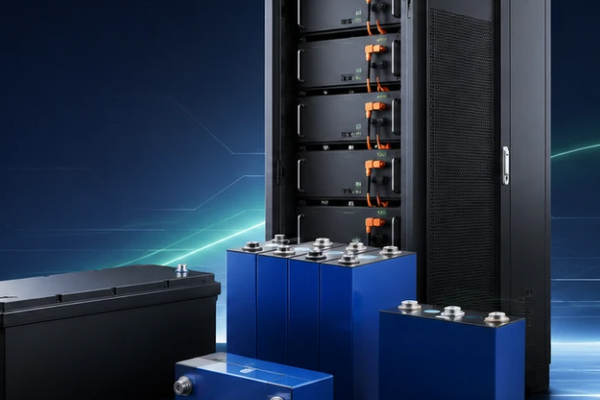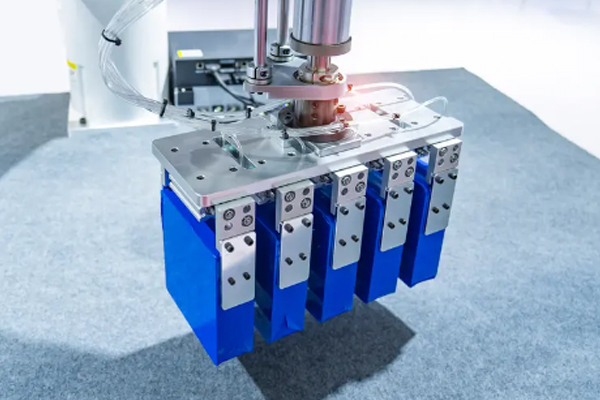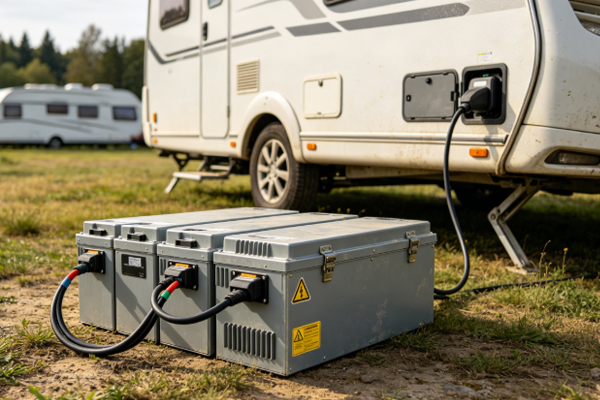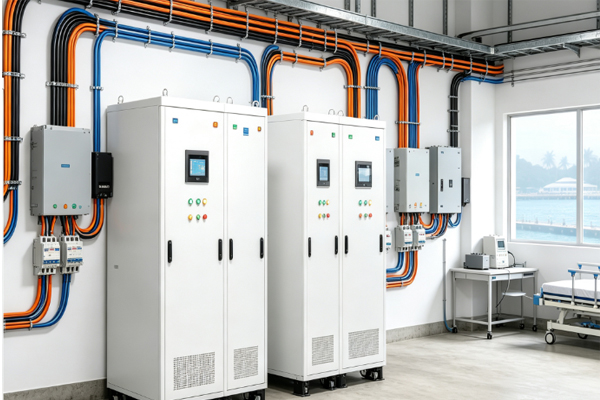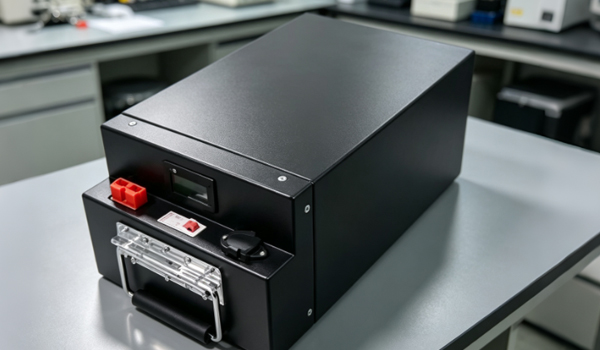
Schools are typical public electricity users, with teaching buildings, libraries, laboratories, student dormitories, cafeterias, gymnasiums, and administrative offices requiring continuous power every day. Lighting, air conditioning, multimedia equipment, computers, network devices, kitchen appliances, and laboratory instruments operate at different times, causing campus electricity demand to change according to class schedules, seasonal conditions, and the number of people on campus. During periods of high electricity demand, a lack of effective energy management can lead to concentrated loads, inefficient equipment operation, and insufficient energy utilization. A school energy saving and energy storage solution uses LiFePO4 batteries, battery management systems, power conversion equipment, energy management systems, and electrical distribution equipment to establish an energy storage system that stores and regulates electricity according to campus load conditions at different times. When project design requirements are met, the energy storage system can participate in daily campus energy management and adjust charging and discharging operations according to actual electricity plans. For schools that require long-term and stable operation, properly configured LiFePO4 battery energy storage equipment can help improve electricity utilization efficiency, make campus energy management clearer, and provide reliable technical support for energy-saving programs.
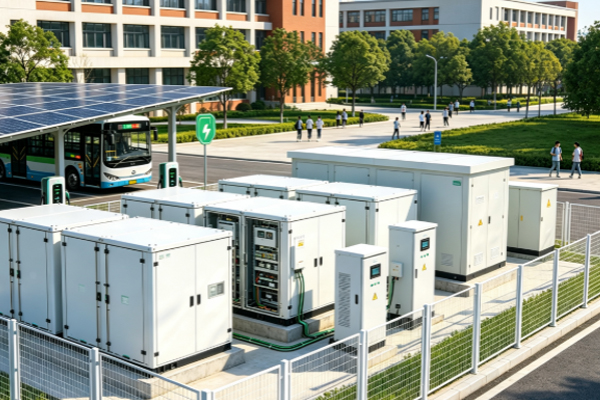
LiFePO4 Energy Storage Systems Help Schools Optimize Electricity Management
The core function of a school energy saving and energy storage system is to connect battery energy storage equipment with the campus electrical distribution system and energy management platform and arrange electricity storage and release according to actual load conditions. LiFePO4 batteries store electrical energy, while the BMS monitors battery voltage, current, temperature, and state of charge. A PCS or inverter manages power conversion, while the EMS can collect electricity consumption data and execute corresponding operating strategies. Schools can develop energy plans according to the usage patterns of different buildings and equipment. For example, teaching buildings may have relatively stable loads from lighting, multimedia equipment, and air conditioning during class hours, cafeterias may experience concentrated electricity demand during meal periods, while libraries and dormitories have different electricity usage patterns. By monitoring and managing these loads, the energy storage system can participate in campus power regulation according to predefined conditions, allowing electricity use to better match actual requirements. During system design, battery capacity should also be selected according to the campus electrical distribution structure, power loads, installation conditions, and future electricity requirements.
Main Advantages of School Energy Saving and Energy Storage Systems
Using LiFePO4 batteries in school energy storage systems can provide a stable energy storage foundation for campus energy management. Combined with intelligent control equipment, the system can help managers understand changes in electricity consumption during different periods.
- Optimized campus load management: Energy storage operating plans can be developed according to teaching activities and equipment usage patterns.
- Improved electricity utilization: Energy storage equipment can store available electrical energy according to system strategies and participate in power supply at appropriate times.
- Support for peak load reduction: When project design and operating requirements are met, the energy storage system can participate in power regulation during selected high-load periods.
- Convenient electricity data management: Smart meters and energy management platforms can record electricity consumption information from major campus areas.
- Suitable for long-term cycling: LiFePO4 batteries provide cycle performance suitable for stationary energy storage applications.
- Support for zone-based energy management: Different teaching buildings and functional areas can be monitored according to actual load requirements.
- Flexible capacity configuration: Energy storage capacity can be planned according to actual school loads and expected application requirements.
These features allow the energy storage system to work with daily campus energy management. Through continuous data monitoring and appropriate operating plans, the system can provide flexible electrical support for school energy-saving programs.
How to Use a School Energy Storage System
Before developing an energy saving and energy storage system, a school should understand its general electricity consumption and monitor load changes in major buildings and equipment. Teaching buildings, laboratories, libraries, cafeterias, and dormitories have different operating schedules. Managers can use historical electricity data to identify periods with higher loads and then determine appropriate energy storage capacity and system power. After the system is put into operation, it can charge and discharge according to the configured schedule while the EMS continuously records battery conditions and campus load information. For example, the system can charge during periods defined by the operating strategy and release stored energy according to predefined conditions when load regulation is required. During operation, battery SOC, BMS communication status, equipment temperature, and system alarms should be checked regularly to ensure normal operation. Schools should not change battery charging and discharging parameters without proper evaluation and should follow product specifications and project design requirements. Large campuses can also establish separate energy monitoring plans for different buildings, allowing managers to better understand the electricity characteristics of each area and continuously optimize the operating strategy of the energy storage system based on actual data.
Main Equipment in a School Energy Storage System
A complete school energy storage system requires several devices to work together. Different components perform tasks related to energy storage, condition monitoring, power conversion, and energy management.
| Equipment | Main Function | Role in School Energy Saving Applications |
| LiFePO4 Battery | Stores and releases electrical energy | Provides energy storage capacity for the campus |
| BMS | Battery management | Monitors voltage, current, temperature, and SOC |
| PCS | Power control | Manages charging and discharging operations |
| Inverter | Power conversion | Supports the requirements of different power circuits |
| EMS | Energy management | Monitors loads and executes operating strategies |
| Smart Meter | Data collection | Records electricity consumption in different campus areas |
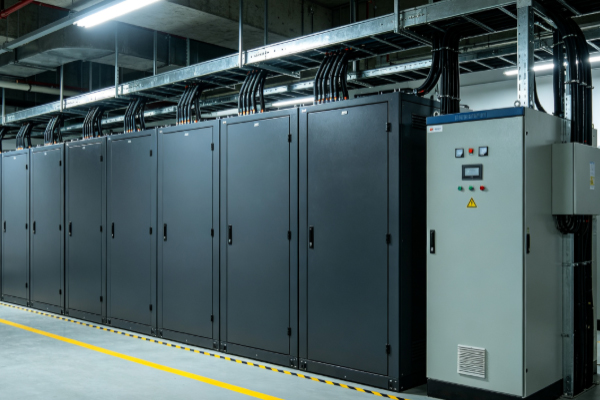
| Distribution Cabinet | Power distribution | Connects the energy storage system with campus electrical circuits |
| Monitoring Platform | Status display | Shows operating data and alarm information |
Proper configuration of these devices can create a complete operating structure for the school energy storage system and help managers understand the relationship between energy storage equipment and campus electrical loads.
Application Scenarios and Functions of School Energy Saving and Energy Storage Systems
Different buildings on a campus serve different purposes, resulting in different electricity requirements. Teaching buildings usually operate large amounts of lighting, multimedia equipment, and air conditioning during daytime classes. Laboratories may use specialized instruments with relatively high instantaneous power requirements. Cafeterias can experience concentrated electrical loads during breakfast, lunch, and dinner periods, while dormitories may have different electricity demand patterns in the morning and evening. An energy storage system can be configured according to the campus electrical distribution structure and actual load conditions, allowing battery equipment to participate in power regulation according to the selected operating strategy. By classifying different application scenarios, schools can arrange the use of available energy storage capacity more effectively rather than managing all electrical loads in the same way. Energy management platforms can also continuously collect data, providing useful information for understanding building electricity patterns and developing long-term energy-saving plans.
Energy Storage Applications in Teaching Buildings and Public Areas
Teaching buildings are important areas of daily electricity consumption. Classroom lighting, air conditioning, multimedia equipment, electronic whiteboards, and computers can create periodic changes in electrical loads according to class schedules. An energy storage system can develop an operating plan based on teaching schedules and historical load data while the energy management platform records electricity consumption during different periods. Public areas include corridors, administrative halls, meeting rooms, and sports facilities, where equipment operating times may also vary. By monitoring major electrical circuits, schools can understand equipment operating conditions at different times and adjust energy storage participation plans according to actual requirements. For buildings with significant load changes, appropriate energy storage power can be selected through professional system design so that system operation remains coordinated with actual electricity demand. After collecting long-term operating data, schools can gradually identify changes in energy usage patterns and use this information to support the management of lighting systems, air conditioning equipment, and other electrical devices. Combining energy storage with daily energy-saving management can make campus energy plans clearer and improve managers’ understanding of electricity consumption.
Energy Management for Cafeterias, Laboratories, and Critical Loads
Cafeterias and laboratories are important campus areas with different electricity characteristics. Energy storage systems can classify and manage loads according to actual equipment power and operating schedules. Proper load classification can help improve the utilization of stored energy.
- School cafeteria equipment: Electricity management plans can be developed according to the operating time and power requirements of kitchen equipment.
- Laboratory instruments: Electrical loads can be monitored and power supply plans developed according to the requirements of specialized equipment.
- Multimedia teaching equipment: Electricity consumption data can be recorded for projectors, display equipment, computers, and related devices.
- Campus network equipment: Servers, network switches, and communication equipment can be included in continuous operating condition management.
- Public lighting circuits: Lighting operation plans can be arranged according to the usage periods of different areas.
- Administrative office equipment: Daily loads from computers, printers, and other office devices can be monitored.
- Critical electrical circuits: Different load priorities can be established according to actual school requirements.
By classifying different equipment and electrical circuits, schools can gain a clearer understanding of electricity demand in important areas and arrange energy storage system operation according to actual conditions.
Intelligent Energy Management and Data Monitoring Functions
A school energy saving and energy storage system can establish continuous data monitoring through an EMS, smart meters, and a monitoring platform. The system can collect information such as battery SOC, charging and discharging power, electricity consumption in major areas, and equipment operating conditions and provide relevant data to managers. By reviewing electricity records from different dates and time periods, schools can understand load changes between teaching days, weekends, and holidays and adjust energy plans according to actual operating conditions. When appropriate automatic control strategies are configured, the system can perform battery charging and discharging operations according to predefined conditions and determine current electricity conditions through load monitoring. Some systems can also provide alarm functions that notify relevant personnel when abnormal battery temperature, voltage, or communication conditions occur. Data monitoring is useful not only for the energy storage equipment itself but also for helping schools accumulate long-term energy usage information that can support future equipment upgrades and energy planning. Intelligent management can reduce some repetitive operating tasks, but the system should still be inspected and maintained by qualified personnel to ensure that battery equipment and electrical distribution systems continue to operate normally.
High-Performance Energy Storage Equipment Supports Long-Term School Energy Saving
Energy saving and consumption reduction in schools is not a short-term equipment adjustment. It requires continuous improvement based on campus development, equipment usage, and long-term management. LiFePO4 battery energy storage systems offer modular configuration and long-term cycling characteristics and can be configured according to the load requirements of different schools. As teaching facilities expand, campus buildings are added, and the number of information technology devices increases, school electricity demand may also change. For this reason, an energy storage system needs a certain level of adaptability. During the system design stage, major school loads, expected operating periods, and future development plans should be carefully evaluated, while battery capacity and power configuration should be determined according to professional technical requirements. Appropriate installation conditions, standardized equipment connections, and continuous operating monitoring are also important for maintaining stable long-term performance. Through coordinated operation between LiFePO4 batteries, the BMS, and intelligent energy management systems, schools can establish a continuous energy data management structure that allows energy storage equipment to support long-term campus energy-saving plans.
LiFePO4 Battery Performance and Stable Operation
LiFePO4 batteries are suitable for stationary energy storage applications requiring periodic charging and discharging. Their long-term operating conditions are closely related to depth of discharge, equipment power, ambient temperature, and system management methods. School energy storage systems should operate within the technical ranges specified for the battery products and use the BMS to continuously monitor battery conditions. Managers can develop reasonable charging and discharging schedules according to campus electrical loads and avoid keeping the battery system in unsuitable operating conditions for extended periods. The installation environment should meet requirements related to ventilation, temperature, and maintenance access. The battery system should also have sufficient space for necessary inspections. During long-term operation, battery data, system alarm records, and equipment communication conditions should be reviewed regularly, and maintenance should be performed according to relevant technical requirements. Large energy storage projects may also require formal operating management procedures that define equipment inspection and maintenance schedules. Through standardized operation and continuous monitoring, LiFePO4 batteries can provide stable energy storage support for school energy-saving systems.
Modular Energy Storage Systems Adapt to Future Campus Requirements
As school facilities change, new teaching buildings, laboratories, dormitories, and public facilities may increase overall campus electricity demand. A modular LiFePO4 energy storage system can be configured according to current loads while providing conditions for future adjustments when technical requirements are satisfied.
- System configuration based on actual loads: Appropriate energy storage capacity and power can be determined according to school electricity consumption data.
- Support for phased construction: Schools can gradually develop energy storage facilities according to project plans.
- Reserved space for future expansion: Initial system design can consider the conditions required for additional equipment and maintenance.
- Adaptation to new campus facilities: Energy requirements can be reassessed when new buildings are put into operation.
- Convenient centralized monitoring: A unified platform can display the operating status of different energy storage devices.
- Improved long-term configuration flexibility: Future energy storage plans can be adjusted according to school development and changes in electrical loads.
A modular design allows schools to develop energy storage systems according to actual campus requirements. When equipment compatibility and project technical specifications are properly considered, the system can provide flexible energy storage configuration capabilities for future campus energy-saving programs.
A school energy saving and energy storage solution combines LiFePO4 batteries, BMS units, PCS equipment, inverters, smart meters, and EMS platforms to establish a complete campus energy management system. The system can monitor electricity usage patterns in different buildings and equipment and participate in energy storage and load regulation according to configured operating strategies. Teaching buildings, public areas, cafeterias, laboratories, and critical equipment can be classified according to actual requirements, allowing available energy storage capacity to be used more effectively. LiFePO4 batteries provide cycle performance suitable for stationary energy storage applications and, when combined with real-time monitoring and modular design, can support the long-term energy management requirements of schools. Proper system configuration based on campus size, actual electrical loads, equipment operating schedules, and future development plans can help establish a clearer, more stable, and more manageable energy storage system that supports continuous energy saving, consumption reduction, and improved campus energy utilization.