With the continued growth of urban delivery, express logistics, community services, agricultural transportation, and short-distance cargo distribution, electric tricycles have become an important transportation solution for commercial applications. Compared with electric vehicles used occasionally for personal transportation, commercial electric tricycles often operate for longer hours and experience more frequent charging and discharging cycles. This creates higher requirements for battery cycle life, stability, range, and safety.
When a battery is subjected to frequent charging and discharging over a long period, capacity degradation and reduced driving range may affect vehicle operation. Therefore, a professional high-frequency use battery solution for electric tricycles should consider the battery cells, capacity, BMS, battery structure, charging system, and actual operating conditions as a complete system.
Why Do Electric Tricycles Need High-Frequency Use Battery Solutions?
Higher Cycle Performance Requirements
Logistics and delivery vehicles may travel dozens of kilometers or more every day and experience frequent starting, acceleration, deceleration, and stopping. Compared with low-frequency electric vehicle applications, these vehicles require more frequent battery charging and discharging.
When batteries operate under high workloads for extended periods, their performance can gradually decline. Therefore, battery selection should focus not only on initial capacity but also on cell quality, cycle performance, thermal management, and overall battery system design.
Stable Range Improves Operating Efficiency
For express delivery, supermarket distribution, and urban cargo transportation, vehicle downtime can directly affect delivery schedules. If the battery cannot provide sufficient range, drivers may need to stop and recharge during working hours, reducing overall transportation efficiency.
A properly designed battery capacity can provide sufficient energy according to the vehicle’s daily mileage and operating schedule, helping reduce unnecessary charging interruptions.
How to Choose Batteries for High-Frequency Electric Tricycle Applications?
Determine Battery Capacity According to Actual Operating Conditions
Battery capacity should be selected according to the vehicle’s voltage, motor power, maximum payload, daily driving distance, and operating hours. A battery with insufficient capacity may not meet range requirements, while excessive capacity can increase vehicle weight, installation requirements, and purchasing costs.
For customized battery solutions, the required Ah capacity can be determined based on actual vehicle operating data. This helps achieve a practical balance between driving range, battery weight, installation space, and total cost.
LiFePO4 Batteries for Long-Term High-Frequency Applications
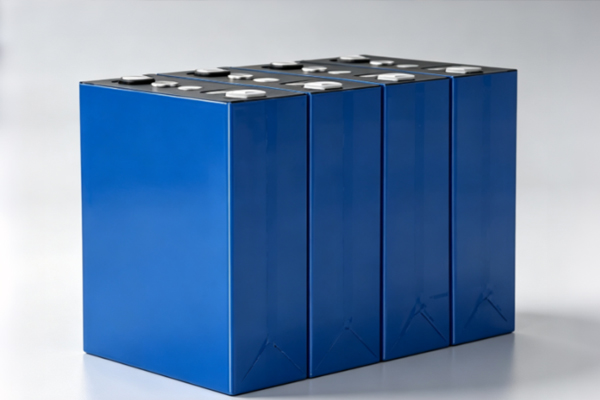
LiFePO4 batteries offer favorable safety and cycle performance characteristics, making them suitable for commercial electric vehicles, energy storage systems, and other applications requiring long-term operation.
For electric tricycles that operate frequently every day, a properly designed LiFePO4 battery system can provide reliable power for long-term use. By combining suitable battery cells with an appropriate BMS, manufacturers can build a complete and application-specific power solution.
Key Components of a High-Frequency Electric Tricycle Battery Solution
A battery system designed for high-frequency commercial operation requires coordinated design across multiple components.
| Configuration | Main Function | Benefits for High-Frequency Use |
| LiFePO4 Cells | Store and deliver electrical energy | Supports long-term cycling |
| Battery Capacity | Provides energy required for vehicle operation | Reduces frequent charging |
| BMS | Monitors and manages battery conditions | Improves operating safety |
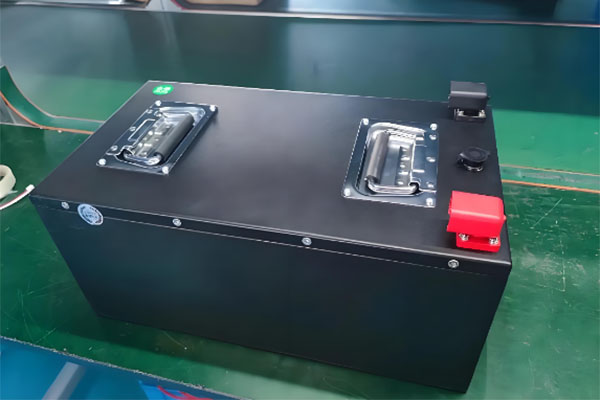
| Battery Enclosure | Protects cells and internal wiring | Improves environmental protection |
| Connectors & Wiring | Transfers power and signals | Ensures stable power delivery |
| Charger | Supplies energy to the battery | Improves charging compatibility |
| Communication Module | Transmits battery operating data | Facilitates battery monitoring |
How Does a BMS Help High-Frequency Batteries Operate Reliably?
Real-Time Battery Monitoring
The Battery Management System (BMS) is an important part of a high-frequency electric tricycle battery. Depending on the system design, the BMS can monitor parameters such as voltage and current while providing protection against overcharge, over-discharge, overcurrent, and other abnormal operating conditions.
For commercial fleets, BMS technology can also help operators understand battery operating conditions and provide useful information for routine maintenance and battery management.
Support for Smart Communication
Different electric tricycles and fleet systems may have different battery management requirements. Depending on project specifications, the battery system can be configured with communication options such as CAN, RS485, or Bluetooth.
These communication functions can enable data exchange between the battery, vehicle control system, and other monitoring equipment.
Battery Configuration for Different High-Frequency Applications
Urban Express Delivery
Express delivery vehicles typically operate for long hours and experience frequent starts and stops. Battery solutions for these vehicles should focus on cycle performance, driving range, charging efficiency, and stable power output.
Commercial Short-Distance Transportation
Supermarket distribution, food delivery, community logistics, and other commercial applications often require vehicles to make multiple trips throughout the day. A properly sized battery can reduce the need for mid-day charging and increase vehicle utilization.
Agricultural Transportation
Agricultural cargo tricycles may carry relatively heavy loads and operate on different types of roads. Battery selection should therefore consider motor power, payload, driving range, terrain, and available battery installation space.
Deligreen High-Frequency Use Battery Solutions for Electric Tricycles
For different electric tricycle models, Deligreen can provide customized solutions covering battery cells, battery packs, BMS, and OEM/ODM services. Battery specifications can be adjusted according to vehicle voltage, capacity, installation dimensions, communication requirements, and operating environment.
For customers purchasing batteries in volume, battery configurations can be developed according to specific vehicle models and operating requirements. The customization process can include requirement confirmation, solution design, sample testing, and mass production.
This flexible approach is particularly suitable for logistics fleets, commercial delivery vehicles, agricultural transportation, and electric tricycle projects that require long-term, high-frequency operation.
How to Extend the Service Life of High-Frequency Electric Tricycle Batteries?
Battery service life depends not only on the quality of the cells but also on operating conditions, charging practices, vehicle load, and routine maintenance.Avoiding long-term overloading can help reduce the workload on the motor and battery system. Users should also select a charger that matches the battery specifications and follow the manufacturer’s recommended charging and maintenance practices.
For fleet operators, keeping battery usage records and regularly checking battery performance can help identify potential issues at an early stage and reduce vehicle downtime caused by battery degradation or abnormal operation.For logistics delivery, urban cargo transportation, and commercial transportation, electric tricycles require more than simply a high-capacity battery. They need a complete battery solution designed for frequent charging, frequent discharging, and long-term operation.
By selecting suitable LiFePO4 cells, properly configuring battery capacity, integrating an appropriate BMS, and optimizing the battery structure, manufacturers can improve the driving range, operating stability, and overall efficiency of electric tricycles.
Deligreen provides high-frequency use battery solutions for electric tricycles based on different vehicle models and application requirements. With customization options for battery capacity, voltage, BMS, battery structure, and communication functions, Deligreen can provide flexible power solutions for logistics delivery, urban transportation, agricultural distribution, and commercial electric vehicle fleets.