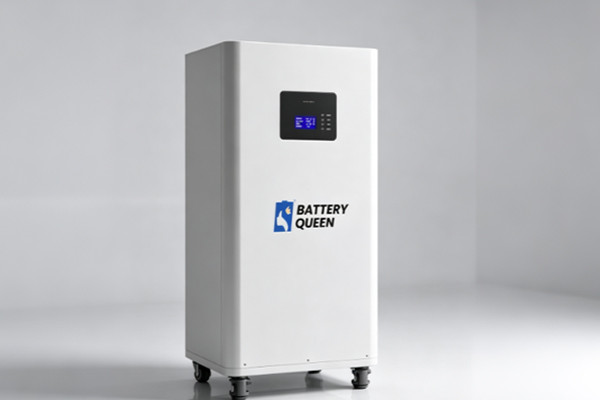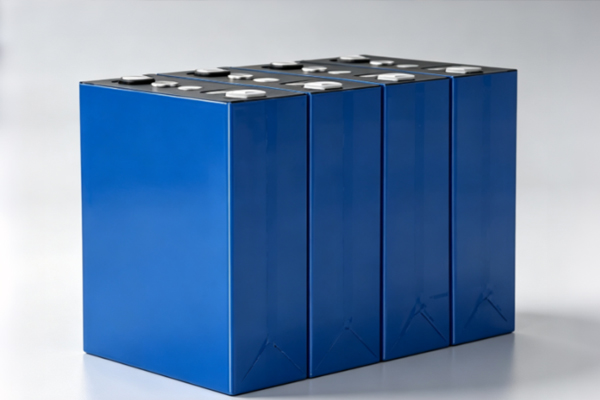
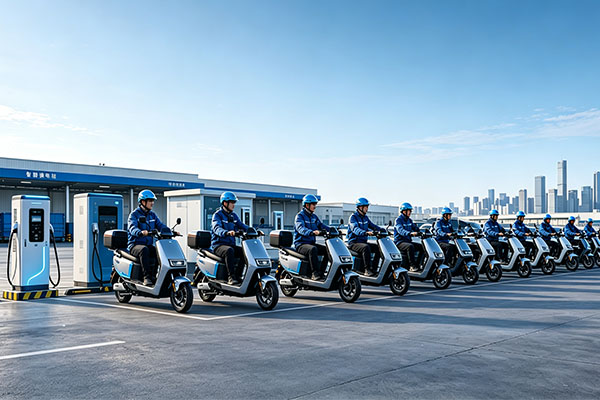
With the growing demand for shared mobility, last-mile delivery, industrial park transportation, and urban short-distance logistics, electric scooter fleets are becoming increasingly common in commercial operations. For fleet operators, the battery does more than determine the riding range of an individual scooter. It also directly affects fleet availability, maintenance costs, and overall operating efficiency.
Compared with batteries used in personal electric scooters, fleet batteries typically face higher usage frequency, longer daily operating hours, and more frequent charging and discharging cycles. Therefore, businesses need a professional electric scooter fleet battery solution that considers battery capacity, cell performance, battery management systems, maintenance, and long-term operating costs.
Why Do Electric Scooter Fleets Need Professional Battery Solutions?
Frequent Use Requires Better Battery Performance
Shared scooters, delivery vehicles, and industrial park transportation scooters may be used and charged multiple times every day. If battery cycle life is insufficient, frequent operation can gradually reduce battery capacity and shorten the vehicle’s riding range.For this reason, fleet batteries should focus on cycle life, charging and discharging performance, thermal stability, and long-term reliability.
Battery Range Affects Fleet Availability
For large-scale fleets, frequent charging increases the workload for maintenance personnel. If the battery cannot provide sufficient range per charge, vehicles need to return to charging stations more frequently, reducing overall utilization.Selecting an appropriate battery capacity can help vehicles meet their daily operating requirements while reducing unnecessary charging frequency.
Battery Safety Is Critical for Fleet Operations
Fleet operators may manage hundreds or even thousands of batteries. A battery system without reliable protection can affect vehicle operation and increase risks during centralized charging and storage.Therefore, fleet batteries should be equipped with a reliable BMS with protection functions such as overcharge, over-discharge, overcurrent, short-circuit, and temperature protection.
How to Design an Electric Scooter Fleet Battery Solution?
Match Battery Specifications to Vehicle Requirements
Different electric scooter models have different motor power ratings, controller specifications, payloads, and operating distances. Battery voltage and capacity should therefore be selected according to the specific vehicle.For example, short-distance industrial park inspection vehicles may prioritize lightweight battery designs, while delivery and logistics scooters may require higher capacity and stronger continuous power output.
Establish Standardized Battery Specifications
For operators managing hundreds or thousands of vehicles, standardizing battery specifications can simplify purchasing, maintenance, and inventory management.Using standardized voltage platforms, connectors, and mounting structures can improve compatibility between batteries and vehicles while making it easier to maintain an adequate stock of replacement batteries.
Use an Intelligent BMS
An intelligent BMS can monitor battery voltage, current, temperature, and state of charge while providing protection when abnormal conditions occur. For large fleet applications, communication and data-management functions can also be integrated according to project requirements.Battery status data can help operators identify abnormal batteries earlier and develop more efficient maintenance and replacement schedules.
Battery Requirements for Different Fleet Applications
| Fleet Application | Main Usage Characteristics | Core Battery Requirements | Recommended Solution |
| Shared Electric Scooters | Frequent use, all-day operation | High cycle life, stability | High-cycle lithium battery + BMS |
| Food Delivery Fleet | Long operating hours | Long range, reliable power output | Large-capacity battery + intelligent BMS |
| Industrial Park Inspection | Frequent short-distance trips | Safety, lightweight design | Medium-capacity battery + temperature protection |
| Urban Logistics Fleet | Relatively high payload | High power, long range | High-rate cells + BMS |
| Tourist Area Fleet | Fixed-area operation | Stability, easy maintenance | Customized battery + modular design |
How Can Fleet Operators Reduce Long-Term Battery Costs?
Extend Battery Service Life
Battery costs include more than the initial purchase price. Maintenance and replacement costs can have a significant impact on the total cost of ownership.
Selecting high-quality cells with good cycle life and implementing appropriate charging management can help reduce replacement frequency. Fleet operators can also establish regular inspection procedures to monitor battery capacity, temperature, and charging and discharging conditions.
Reduce Vehicle Downtime
Vehicle maintenance and battery charging times can directly affect fleet utilization. Removable or modular battery designs allow maintenance personnel to replace batteries more efficiently.
For high-frequency commercial operations, fleet operators can also maintain a stock of spare batteries and rotate batteries between vehicles. This approach can help increase vehicle availability while reducing downtime.
Optimize Centralized Charging Management
Large fleets can establish dedicated charging areas and create charging schedules based on vehicle usage patterns. Proper charging management can prevent large numbers of vehicles from waiting for charging at the same time.
Standardized procedures for battery storage, charging, inspection, and maintenance can further improve the efficiency and reliability of fleet operations.
Why Choose a Customized Fleet Battery Solution?
Different electric scooter brands and models can have significant differences in battery dimensions, installation space, voltage, connectors, and capacity. Standard batteries may not meet the requirements of large commercial fleets, making OEM and ODM customization an attractive option.
Customized batteries can be developed according to vehicle structure and operating requirements, including battery capacity, dimensions, connectors, power output, housing design, and BMS functions. This allows the battery to achieve better integration with the vehicle.
For large fleets, businesses can also combine spare batteries with maintenance toolboxes and protective cases to establish a complete battery management system covering procurement, transportation, storage, maintenance, and replacement.
Future Trends in Electric Scooter Fleet Battery Solutions
Electric scooter fleets will place greater emphasis on range, durability, safety, and intelligent management. Battery systems are also expected to evolve beyond simply providing power, with greater adoption of intelligent BMS technology, modular battery designs, efficient maintenance systems, and data-based battery management.
For companies operating shared mobility, delivery, logistics, and industrial park transportation fleets, selecting the right electric scooter fleet battery solution can improve vehicle utilization, reduce downtime, and control long-term operating costs.
When purchasing fleet batteries, businesses should consider the number of vehicles, daily mileage, payload, charging conditions, operating environment, and maintenance requirements rather than focusing only on the initial battery price.
With professional battery configuration and supporting management solutions, companies can build a more reliable, efficient, and cost-effective electric scooter fleet operation system.