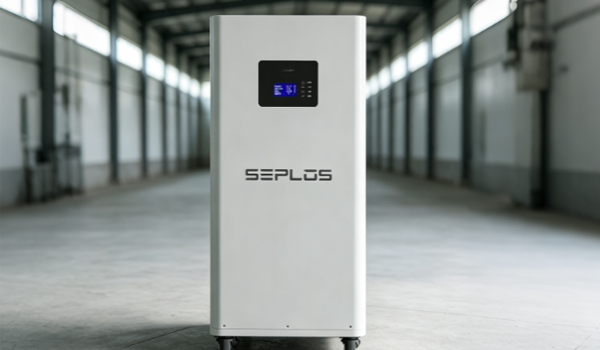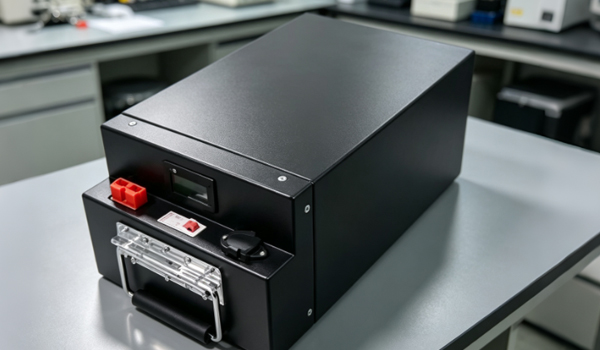
As demand for urban delivery, courier services, agricultural operations, and short-distance cargo transportation continues to grow, electric tricycles are being used more frequently. For vehicles that operate for long hours every day, the battery not only determines driving range but also directly affects operating costs and overall service life. Compared with traditional lead-acid batteries, lithium batteries offer higher energy density, lighter weight, and longer cycle life, making them an important choice for upgrading electric tricycle power systems.
A long-life battery solution for electric tricycles needs to consider battery cell chemistry, capacity, charging and discharging performance, BMS protection, and the actual operating environment. With a properly designed battery system, businesses can reduce the cost and downtime associated with frequent battery replacement while improving long-term vehicle reliability.
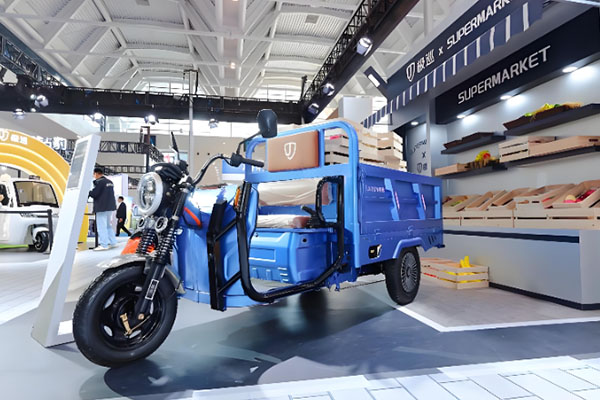
Why Do Electric Tricycles Need Long-Life Batteries?
Electric tricycles often experience frequent starts, acceleration, braking, and changes in load. When carrying heavy cargo, the vehicle also requires higher power output from the battery. If the battery has a short cycle life, its driving range and performance may gradually decline, increasing maintenance and replacement costs.
The Impact of Frequent Use on Battery Life
Logistics and delivery tricycles may be charged and discharged multiple times during a typical working day. Long-term high-frequency cycling places greater demands on battery performance. Selecting a battery technology with a long cycle life and managing charging and discharging properly are important ways to extend the service life of the battery system.
Stable Power Output for Cargo Transportation
Electric tricycles are frequently used to transport goods, and vehicle load has a direct impact on battery discharge requirements. A long-life traction battery should not only maintain good capacity retention but also provide suitable continuous discharge performance according to the motor power and vehicle load.
Why LiFePO4 Is an Important Choice for Long-Life Batteries
Lithium Iron Phosphate (LiFePO4) batteries are attracting increasing attention in electric tricycle applications. Compared with traditional lead-acid batteries, LiFePO4 batteries offer long cycle life, good thermal stability, and lower weight, which can help reduce the overall load of the vehicle.
High Cycle Life Reduces Replacement Frequency
For electric tricycles used frequently, cycle life is an important battery specification. A battery with a high cycle life can maintain relatively stable performance over long-term operation, helping reduce downtime and operating costs caused by frequent battery replacement.
Higher Energy Density Enables Flexible Battery Design
Lithium batteries generally have a higher energy density than traditional lead-acid batteries. Within the same available vehicle space, an appropriately designed lithium battery pack can provide a practical capacity configuration and more flexible range options.
How Does BMS Help Extend Battery Life?
A high-quality battery system depends not only on the battery cells. The Battery Management System also plays an important role. A BMS can continuously monitor battery voltage, current, and temperature while providing appropriate protection based on operating conditions.
Overcharge and Over-Discharge Protection
Long-term overcharging or over-discharging can negatively affect battery performance. A BMS helps manage the charging and discharging process and can provide protection when abnormal conditions occur, helping reduce the impact of improper battery operation.
Cell Balancing Management
During long-term cycling, differences in voltage and capacity may develop between individual cells. A balancing function helps manage these differences and improve cell consistency, allowing the battery pack to operate more reliably.
Temperature and Current Monitoring
When an electric tricycle operates in high or low temperatures or under heavy loads, battery operating conditions can change. Monitoring temperature and current allows the battery system to respond to operating conditions and provide appropriate protection.
Electric Tricycle Long-Life Battery Configuration
| Item | Recommended Solution | Main Function |
| Battery Type | LiFePO4 | Provides long cycle life and stable power |
| Voltage | 12V / 24V / 48V, etc. | Matches the vehicle electrical system |
| Battery Capacity | Customized according to range and load | Meets different driving range requirements |
| BMS | Smart BMS | Provides battery monitoring and protection |
| Communication | CAN / RS485 / Bluetooth | Supports data monitoring and system integration |
| Battery Housing | Customized design | Adapts to different vehicle installation spaces |
| Connector | Matched to the vehicle system | Ensures stable electrical connections |
| Battery Solution | OEM/ODM customization | Meets different vehicle and application requirements |
Battery Selection for Different Electric Tricycle Applications
Urban Logistics and Delivery
Logistics and delivery vehicles are typically used frequently and may need to complete multiple short-distance trips every day. For these applications, buyers should focus on cycle life, driving range, and charging efficiency, while selecting an appropriate LiFePO4 battery capacity based on daily mileage.
Agricultural Transportation
Agricultural electric tricycles may operate on rural roads, slopes, and uneven surfaces. In addition to stable power output, the battery solution should take vehicle vibration, temperature changes, and battery pack protection into consideration.
Courier and Commercial Delivery
Courier services, supermarket delivery, and other commercial applications require high vehicle availability. Long-life batteries can help reduce operational disruptions caused by battery degradation or frequent replacement. If fast charging is a major requirement, LTO battery technology can also be evaluated according to the specific operating conditions.
Deligreen Long-Life Battery Customization Solutions
Different electric tricycles have different motor power ratings, voltage platforms, battery compartment dimensions, range requirements, and load conditions. Therefore, a standard battery may not be suitable for every vehicle. Customizing the battery according to vehicle parameters can provide a better balance between range, weight, installation space, and cost.
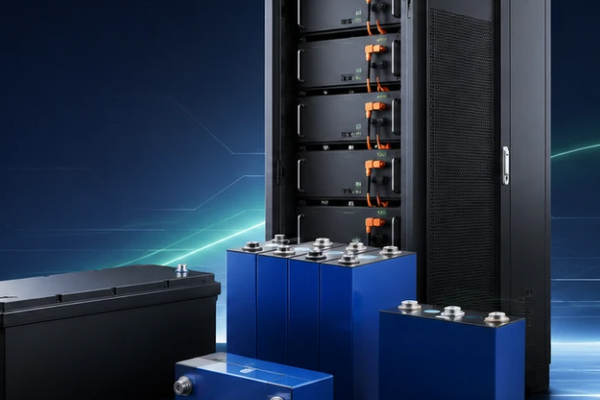
Deligreen provides LiFePO4 battery cells, battery packs, BMS systems, and related battery accessories, while also supporting OEM/ODM customization. Customers can select or customize solutions according to voltage, capacity, dimensions, communication methods, connectors, and operating environments.
For projects requiring fast charging, extremely long cycle life, or operation in challenging temperature environments, LTO battery technology can also be evaluated. This allows manufacturers and fleet operators to select a battery system that better matches their specific electric tricycle applications.
How Can You Extend the Service Life of an Electric Tricycle Battery?
In addition to selecting a long-life battery, daily usage and charging practices can also affect actual battery life. During operation, users should select a charger that matches the battery specifications, avoid prolonged overcharging or excessive discharge, and avoid operating the battery outside its specified working conditions whenever possible.
For commercial and logistics vehicles, businesses can also establish battery usage records and monitor charging cycles, driving mileage, and battery condition. This helps identify performance changes at an early stage and allows appropriate maintenance to be performed.
The key to a long-life battery solution for electric tricycles is not simply selecting a battery with a large capacity. Instead, it requires the right battery cells combined with an appropriate BMS, battery pack structure, and charging system to create a complete power solution.
For high-frequency applications such as logistics, agriculture, courier services, and commercial delivery, LiFePO4 batteries can be an important choice for electric tricycle power upgrades because of their long cycle life, stable performance, and high energy density.
By customizing the battery system according to vehicle voltage, capacity, load, driving range, and installation space, manufacturers can achieve better compatibility with actual operating requirements. With its LiFePO4 and LTO battery products and OEM/ODM customization capabilities, Deligreen can provide flexible long-life battery solutions for different types of electric tricycles.