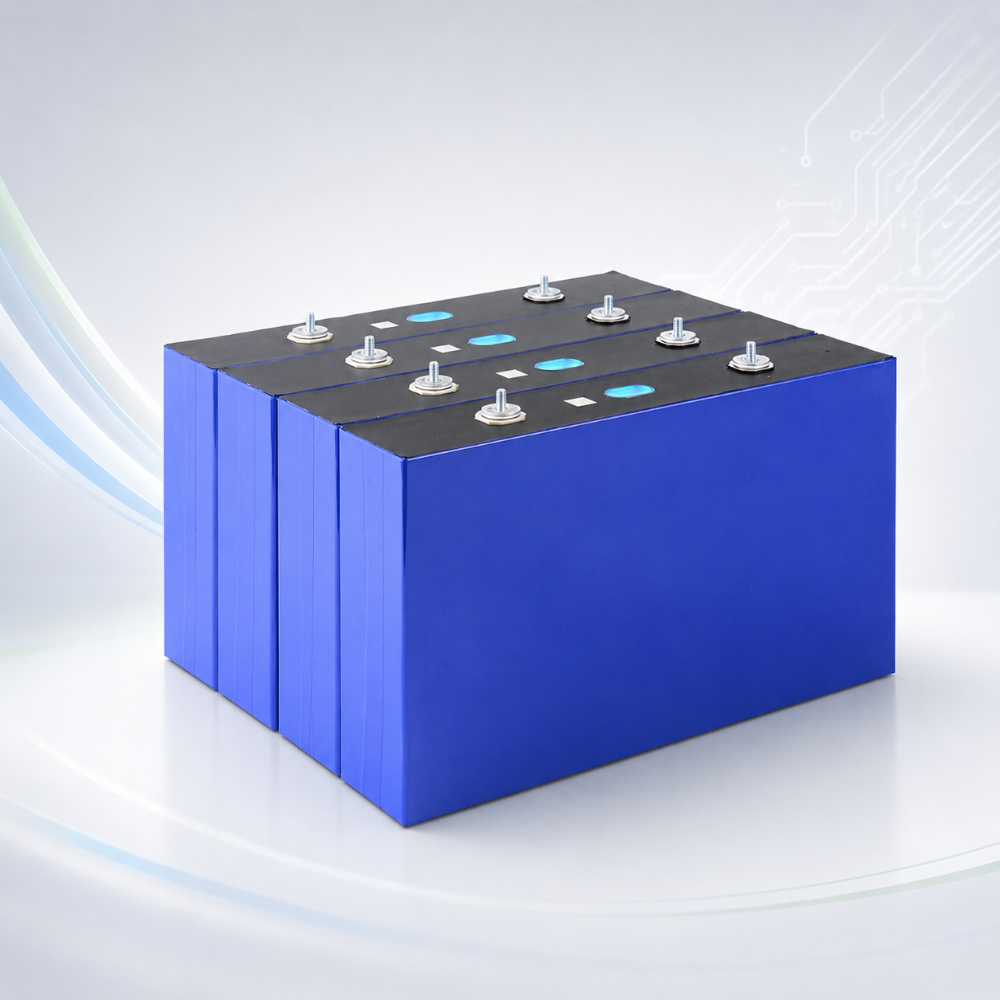
When buying a battery for an energy storage system, one question often causes confusion: the inverter says 48V, but the battery is labeled 51.2V. Can they actually work together? Many buyers also get confused when they see 12V, 24V, 48V, and 51.2V batteries listed for different systems. The good news is that matching a battery with an inverter is not as complicated as it looks. The common mistake is simply looking at the product name instead of checking the actual specifications. Battery voltage changes during charging and discharging, while an inverter also has its own acceptable input range. Once these numbers are checked properly, choosing the right battery becomes much easier. This is especially important when using LiFePO4 batteries.
How to Check the Inverter’s Battery Input Voltage?
When you have the inverter manual in hand, don’t just search for “48V.” The more important information is usually listed under Battery Voltage, Battery Input Range, or DC Input Voltage. These specifications tell you whether a particular battery can actually work with the inverter.
- Check the minimum input voltage: As the battery discharges, its voltage drops. It should not fall below the inverter’s minimum operating voltage.
- Check the maximum input voltage: Battery voltage rises during charging, so the inverter must be able to handle the highest voltage produced by the battery.
- Check the recommended battery type: Some inverters specifically support LiFePO4 batteries, while others require battery parameters to be configured manually.
- Check the rated battery voltage: 48V-class systems and 51.2V LiFePO4 batteries are often used together, so the numbers on the labels should not be used alone to determine compatibility.
In simple terms, the “48V” printed on an inverter usually tells you which voltage class the system belongs to. It does not necessarily mean that the inverter always receives exactly 48V. The actual operating range is what matters.
What Is the Difference Between Rated Voltage and Actual Battery Voltage?
A common mistake for first-time LiFePO4 battery buyers is assuming that a battery labeled 51.2V will always stay at 51.2V. That’s not how batteries work. During normal operation, the voltage of a 51.2V battery changes with its state of charge, load, and operating conditions. The voltage is higher when the battery is fully charged and drops as the battery discharges. That’s why an inverter cannot judge compatibility based on the 51.2V label alone.
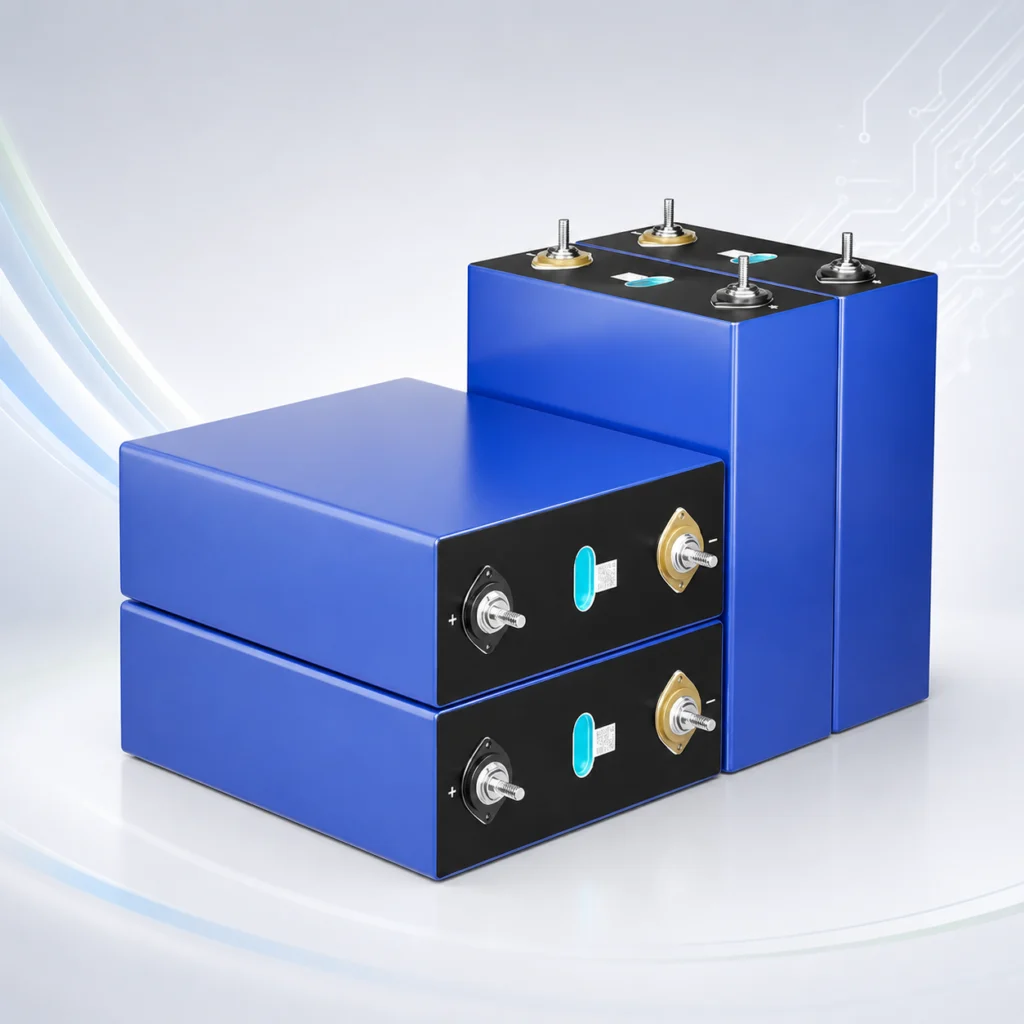
The same idea applies to 24V and 25.6V systems. Common LiFePO4 batteries rated at 25.6V are typically built with eight 3.2V cells connected in series, while 51.2V batteries commonly use a 16-cell series configuration. Although these numbers are slightly different from the traditional 24V and 48V system labels, they are widely used in the same voltage classes for energy storage applications. What matters is the complete operating voltage range rather than requiring the two labels to show exactly the same number.
What Else Should You Check After Matching the Voltage?
Voltage is only the starting point. A common situation is that the battery can start the system normally, but the inverter gives an alarm or shuts down when a large load is connected. In many cases, the problem is caused by other parameters not being matched properly.
- Charging voltage: The inverter’s charging settings should stay within the battery manufacturer’s recommended range.
- Discharge cut-off voltage: An incorrect setting can affect how much usable energy you get from the battery.
- Maximum charging current: The inverter’s charging output should not exceed the battery’s allowable charging current.
- Maximum discharge current: This becomes particularly important when powering high-load equipment.
- Continuous power output: If the system needs to run air conditioners, refrigerators, pumps, or similar equipment, the battery must be able to supply enough power.
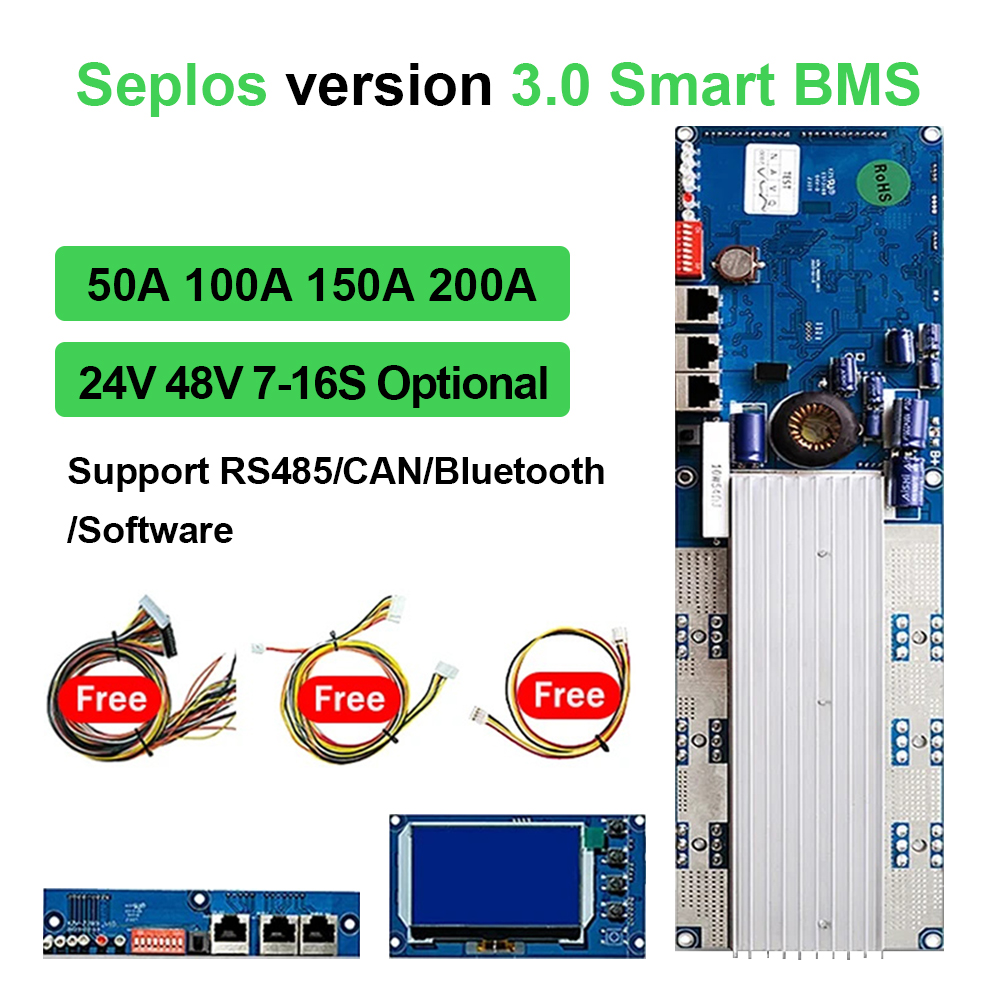
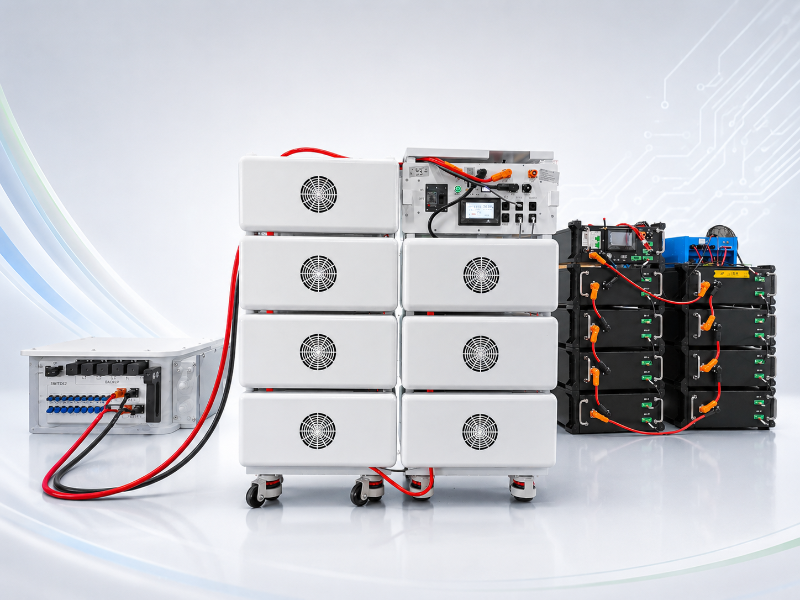
If you are using a storage inverter, also check its BMS requirements. Some systems need to read information such as battery SOC, voltage, and temperature from the BMS. Simply connecting the positive and negative terminals does not guarantee that all battery management functions will work correctly.
How to Choose a LiFePO4 Battery for a 48V-Class Inverter?
Suppose your inverter is labeled 48V and you are considering a 51.2V LiFePO4 battery. You can check compatibility in three simple steps.
- Step 1: Find the inverter’s input voltage range.
If the manual provides a DC input voltage range, compare that range with the battery’s actual operating voltage.
- Step 2: Check the battery’s maximum voltage.
Don’t look only at the 51.2V rated voltage. Find out the battery’s maximum voltage when fully charged.
- Step 3: Check the low-voltage protection point.
You also need to know whether the inverter can continue operating normally when the battery voltage falls to a lower level.
If these values are within the inverter’s supported range, a difference between the rated voltage labels does not necessarily mean the battery cannot be used. On the other hand, if the inverter’s maximum input voltage is lower than the battery’s actual charging voltage, the two should not be connected simply because the voltage numbers appear to be close.
What Battery Voltage Should You Choose for Different Energy Storage Systems?
Higher voltage does not automatically mean better, and lower voltage is not always the right choice either. The appropriate voltage depends mainly on the system size, inverter specifications, and load requirements. Small backup power systems may use 12V or 24V batteries, while 48V-class systems are common in residential energy storage. Larger storage equipment may use higher-voltage battery systems.
- Small backup power systems: 12V or 24V batteries can work well when power and capacity requirements are relatively low.
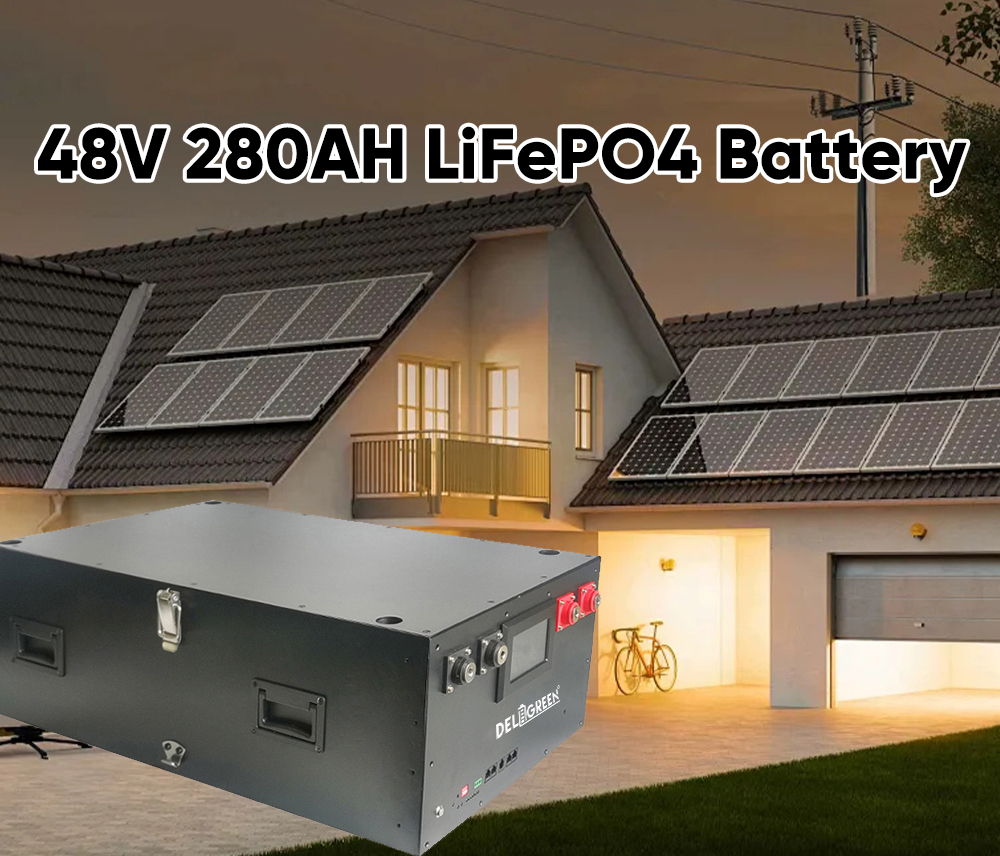
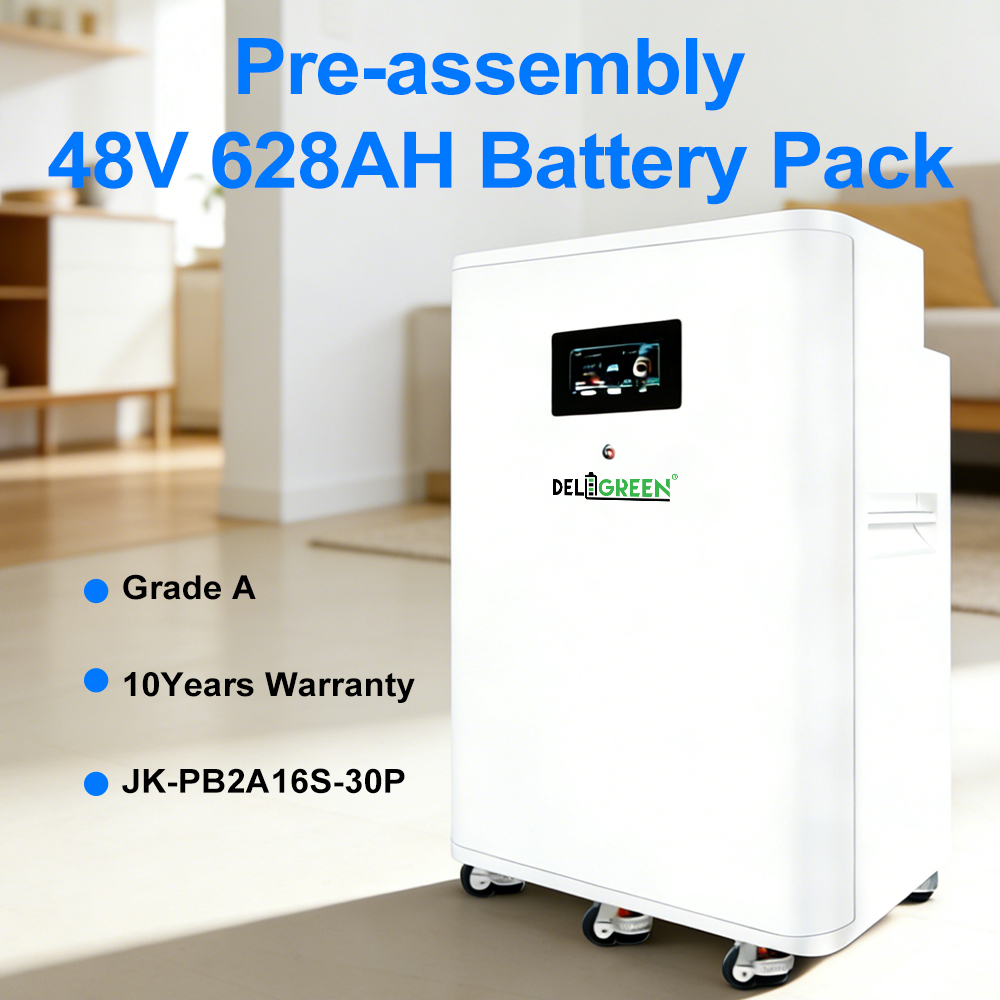
- Residential energy storage: 48V-class systems are common, with 51.2V LiFePO4 batteries frequently used in this category.
- Solar energy storage: The battery must be matched with the solar charge controller and inverter specifications.
- High-power applications: Don’t focus only on voltage. Make sure the battery can provide sufficient continuous current as well.
If you plan to build your own battery pack, don’t start by choosing a voltage alone. The number of cells connected in series, BMS rating, charging and discharging parameters, and inverter input range all need to be considered together. The specifications of the DIY battery box and BMS should also match the cell configuration.
The real standard for matching a battery with an inverter is not that the numbers printed on both products must be exactly the same. What matters is whether the battery’s actual operating voltage stays within the inverter’s supported input range. When purchasing a LiFePO4 battery, check the rated voltage, maximum charging voltage, minimum discharge voltage, and inverter input range together. This can prevent most common compatibility mistakes. When you see specifications such as 48V and 51.2V, don’t immediately assume they cannot work together. Check the actual model specifications first, and the answer is usually much clearer.