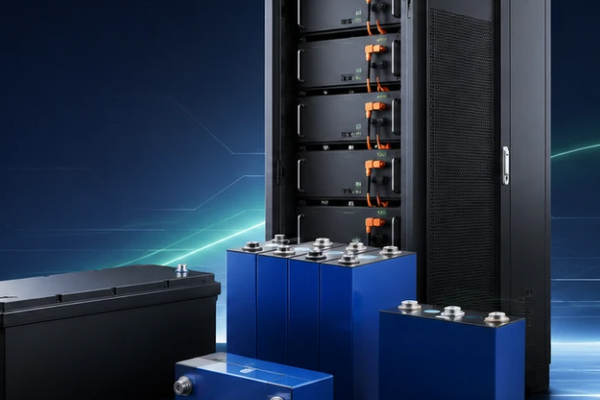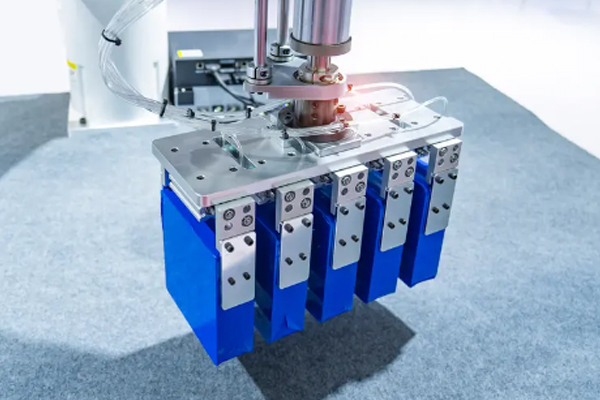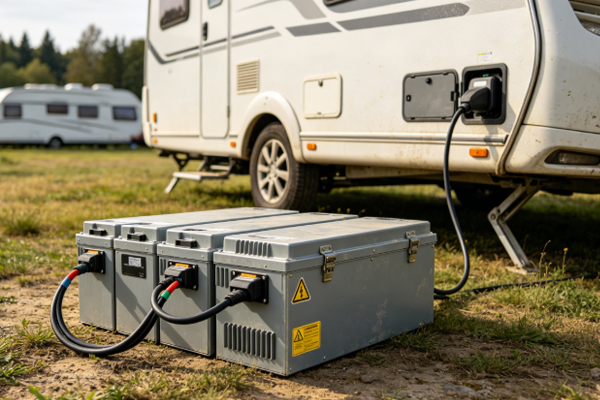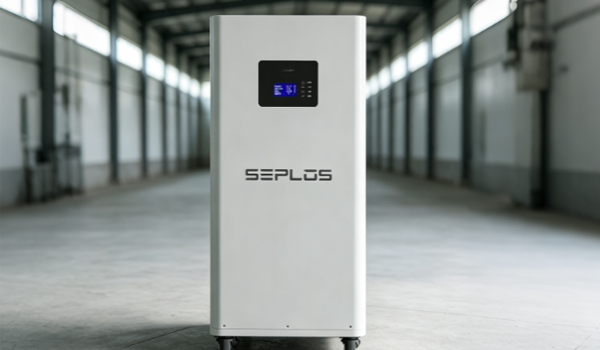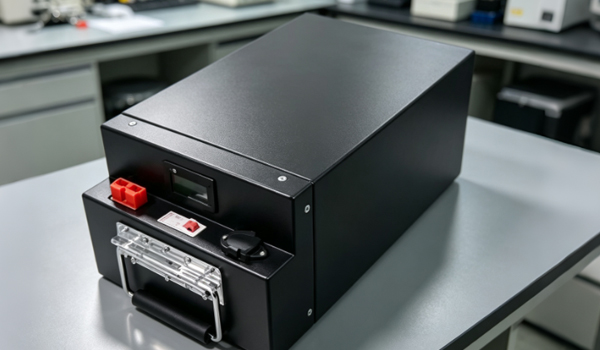
As electric three-wheelers become increasingly popular for urban delivery, rural transportation, short-distance logistics, agricultural operations, and commercial transport, traditional lead-acid batteries are gradually showing limitations in terms of range, weight, charging efficiency, and service life. As a result, an electric three-wheeler lithium battery upgrade has become an effective way to improve overall vehicle performance.
By replacing the existing battery with a suitable lithium battery system and properly matching the BMS, battery enclosure, charger, and vehicle controller, users can achieve longer driving range and more reliable daily operation. Deligreen provides battery cells, battery packs, BMS systems, and customized OEM/ODM battery solutions based on vehicle voltage, capacity, available installation space, and application requirements.
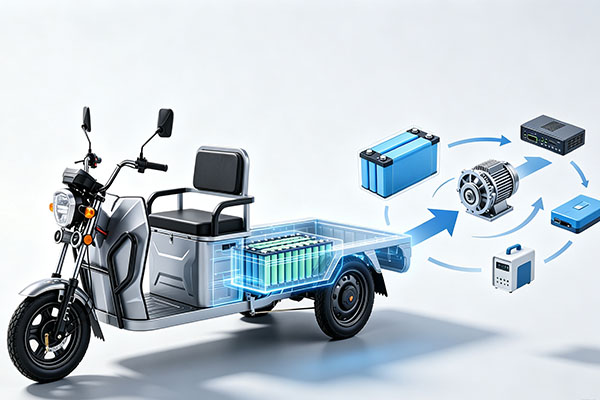
Why Upgrade an Electric Three-Wheeler to a Lithium Battery?
Improve Driving Range
Electric three-wheelers are often used to transport goods, and their actual driving range is affected by payload, road conditions, driving habits, and battery capacity. Upgrading to a lithium battery allows manufacturers and users to customize battery capacity according to available space and operating requirements.
A properly sized battery can provide more stable power for long-distance transportation, frequent deliveries, and daily commercial operations.
Reduce Battery System Weight
Traditional lead-acid batteries are relatively heavy and can significantly increase the overall weight of an electric three-wheeler. Lithium batteries generally offer higher energy density, allowing the vehicle to achieve the required energy capacity with a lighter battery system.
Reducing battery weight can help improve vehicle efficiency while creating more opportunities for optimizing cargo capacity and overall vehicle design.
Improve Charging and Discharging Performance
For electric three-wheelers that operate several times a day, battery charging and discharging performance is particularly important. By properly selecting battery cells, BMS systems, and chargers, the battery system can be better adapted to high-frequency operation.
For applications that require fast charging, specialized technologies such as LTO batteries can also be considered. Deligreen offers LiFePO4, LTO, and sodium-ion battery solutions for different application requirements.
How to Configure a Lithium Battery Upgrade for an Electric Three-Wheeler?
Select the Correct Battery Voltage
Battery upgrades should not simply focus on increasing capacity. The battery voltage must be compatible with the vehicle motor, controller, and charger.
Common configurations include 24V, 36V, and 48V systems. The appropriate voltage should be selected according to the original vehicle specifications and the requirements of the motor and controller.
Determine Battery Capacity Based on the Application
Different electric three-wheelers require different battery capacities. Urban delivery vehicles may prioritize driving range and charging efficiency, while agricultural and cargo vehicles may place greater emphasis on high load capacity and discharge performance.
When determining battery capacity in Ah, factors such as daily mileage, average payload, operating hours, terrain, and charging conditions should all be considered.
Configure an Intelligent BMS
The Battery Management System, or BMS, is a critical component of a lithium battery pack. It can monitor battery status and provide functions such as overcharge protection, over-discharge protection, over-current protection, and cell balancing.
For commercial and fleet applications, an intelligent BMS with CAN, RS485, or Bluetooth communication can also be selected to support battery monitoring and vehicle management.
Lithium Battery Upgrade Solutions for Different Applications
| Application Scenario | Recommended Upgrade Direction | Key Parameters |
| Urban Delivery | High-capacity LiFePO4 battery | Range, cycle life, weight |
| Rural Transportation | High-capacity lithium battery pack | Payload, discharge capability, reliability |
| Express Logistics | High-cycle battery system | Frequent charging/discharging, BMS |
| Agricultural Operations | High-stability battery | Protection, capacity, low-temperature performance |
| Commercial Transportation | Customized battery pack | Voltage, capacity, dimensions, communication |
| High-Frequency Vehicle Use | Fast-charging battery solution | Charging speed, cycle life, thermal management |
What Should Be Considered When Upgrading a Lithium Battery?
Battery Size and Installation Space
The original battery compartment of an electric three-wheeler has limited space. Therefore, the available installation area should be measured before upgrading the battery, including length, width, height, mounting points, and battery orientation.
The battery enclosure, terminals, wiring layout, and connectors should also be considered during the battery pack design process.
Match the Motor and Controller
A lithium battery upgrade should not be considered independently from the rest of the vehicle’s electrical system. The motor, controller, charger, wiring, and battery output specifications must work together.
If the battery output does not match the vehicle’s electrical system, it may affect vehicle performance and operational reliability.
Battery Safety and Quality
Safety and reliability are essential when upgrading an electric three-wheeler lithium battery. High-quality battery cells should be combined with an appropriate BMS and protective battery structure.
A professional battery pack should also consider enclosure protection, connectors, wiring, heat management, and overall system integration. Deligreen provides customized battery pack solutions covering battery cells, battery packs, BMS systems, and related components.
Why Choose a Customized Electric Three-Wheeler Lithium Battery Solution?
Different electric three-wheelers have different requirements for voltage, capacity, battery dimensions, installation methods, and operating environments. A standard battery may not always provide the best fit.
A customized lithium battery solution can be designed around the specific requirements of the vehicle, including battery cells, voltage, capacity, BMS, enclosure, connectors, wiring, and communication protocols.
For vehicle manufacturers, distributors, and fleet operators, OEM/ODM services can also support customized battery appearance, labels, packaging, and technical specifications.
A professional battery supplier can provide a complete process from requirement analysis and battery design to prototype testing, mass production, and delivery. This makes it easier for customers to develop lithium battery systems that meet specific vehicle requirements.
An electric three-wheeler lithium battery upgrade is more than simply replacing a lead-acid battery with a lithium battery. A complete upgrade solution should consider driving range, power requirements, battery capacity, voltage, BMS, safety, installation space, and compatibility with the vehicle’s electrical system.
A properly designed lithium battery system can help electric three-wheelers meet the requirements of urban delivery, agricultural transportation, logistics, commercial transportation, and other applications.
For customers requiring customized or bulk battery solutions, specifications such as voltage, capacity, dimensions, operating environment, and order quantity should be considered during the design stage. With LiFePO4, LTO, battery pack, BMS, and OEM/ODM capabilities, Deligreen can provide customized lithium battery solutions for electric three-wheelers and other electric mobility applications.