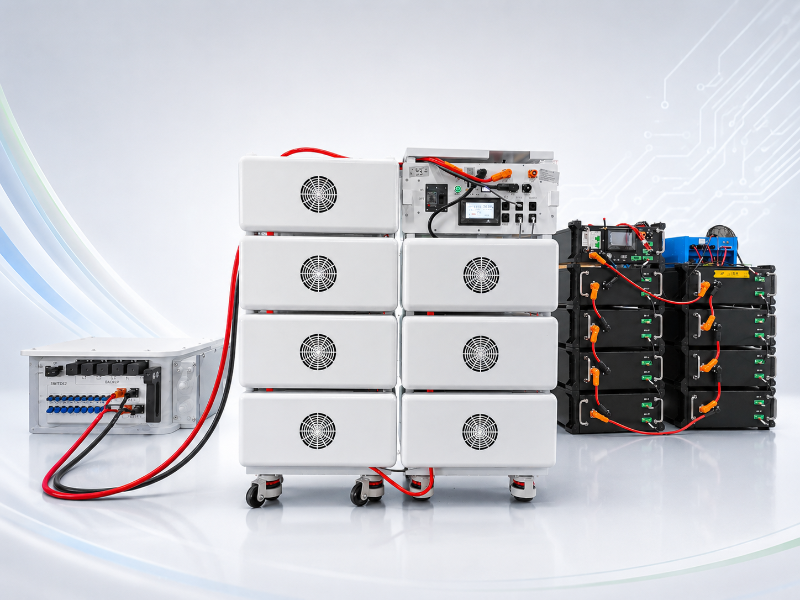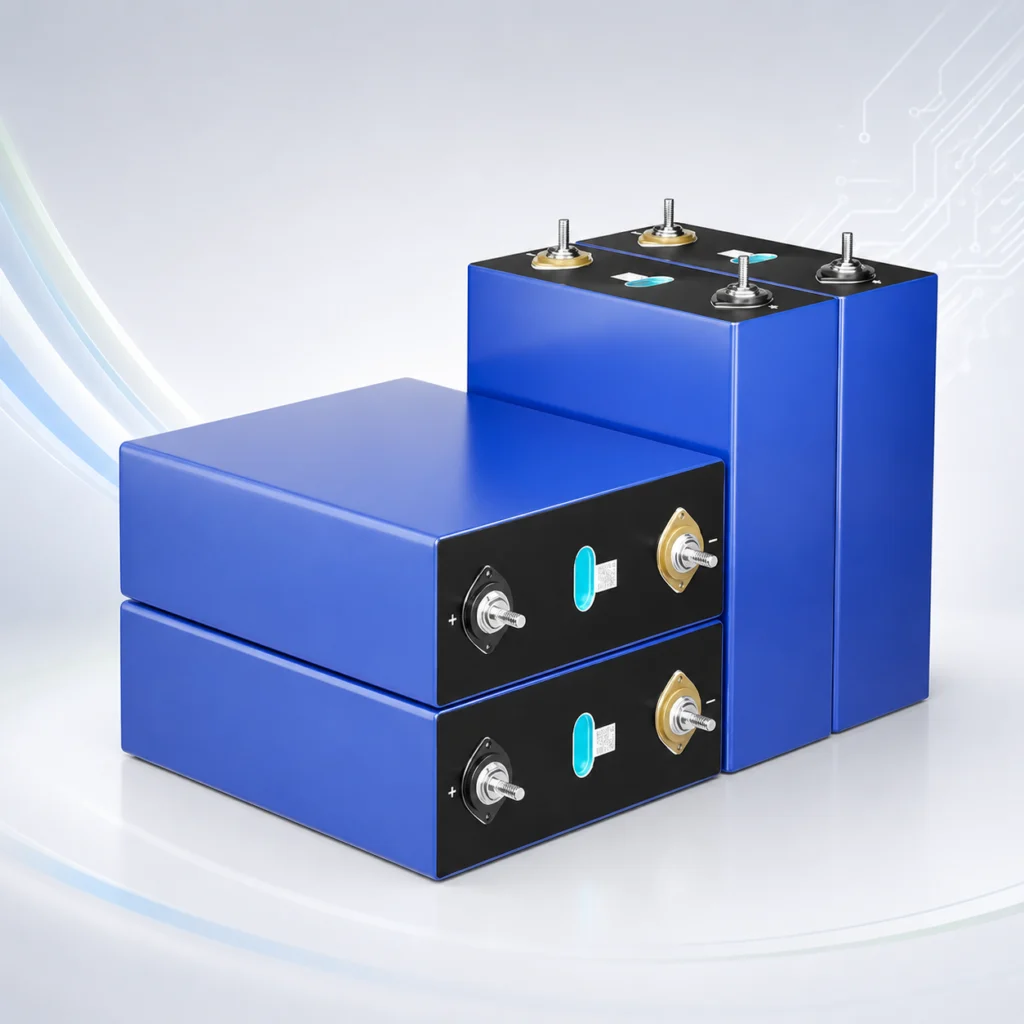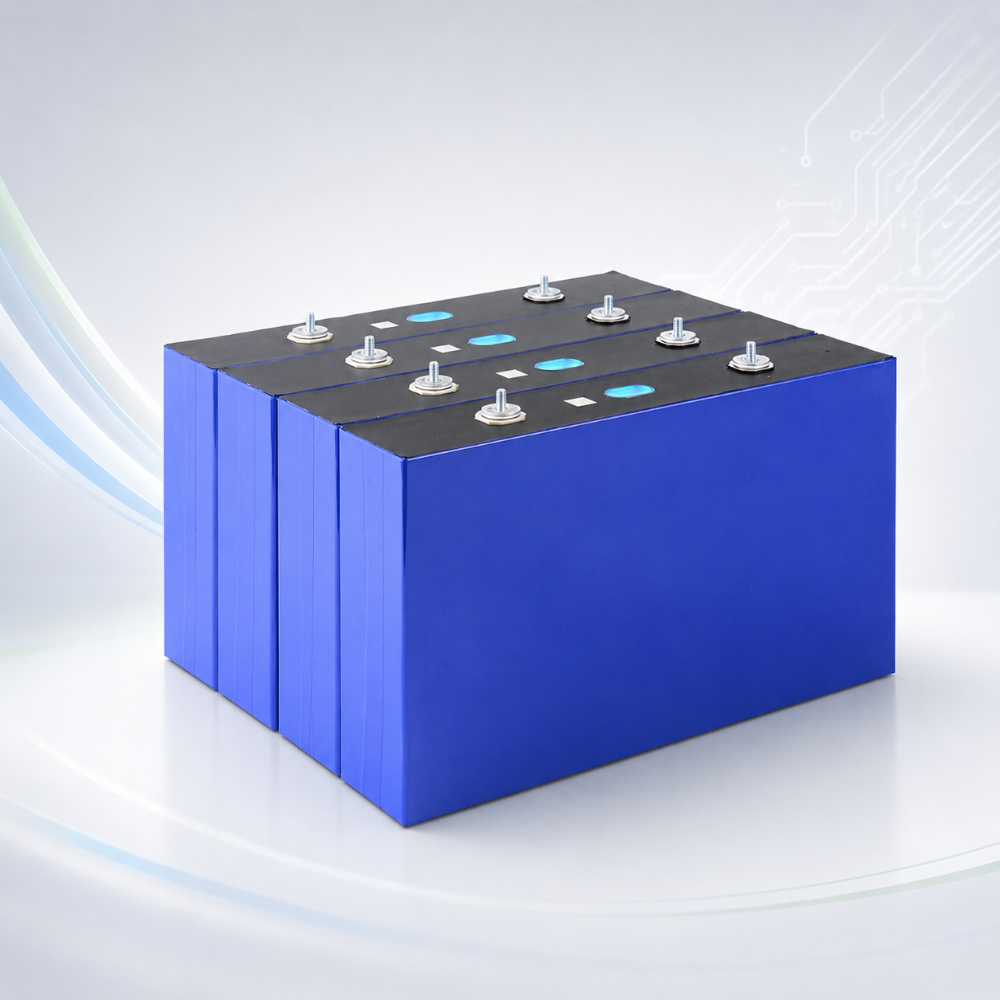
As residential solar power and distributed energy systems become increasingly popular, wall-mounted energy storage batteries are attracting attention because of their compact structure and flexible installation options. Compared with floor-standing battery cabinets that require more floor space, wall-mounted LiFePO4 batteries can usually be installed on walls in garages, storage rooms, equipment rooms, or other suitable locations, helping homeowners save valuable indoor space. Whether a wall-mounted energy storage battery is easy to install depends mainly on the battery weight, wall structure, installation location, electrical connection method, and compatibility with the solar energy storage inverter. Smaller batteries with modular designs are generally easier to install, while larger energy storage systems still require professional installation, wiring, commissioning, and safety inspections. Proper selection of the installation location and compatible equipment can make wall-mounted energy storage batteries easier to integrate into residential energy systems while supporting solar energy storage, nighttime electricity consumption, and backup power during outages.
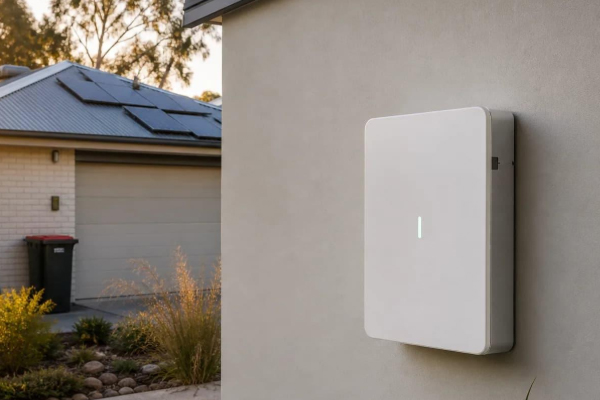
Why Are Wall-Mounted Energy Storage Batteries Flexible to Install?
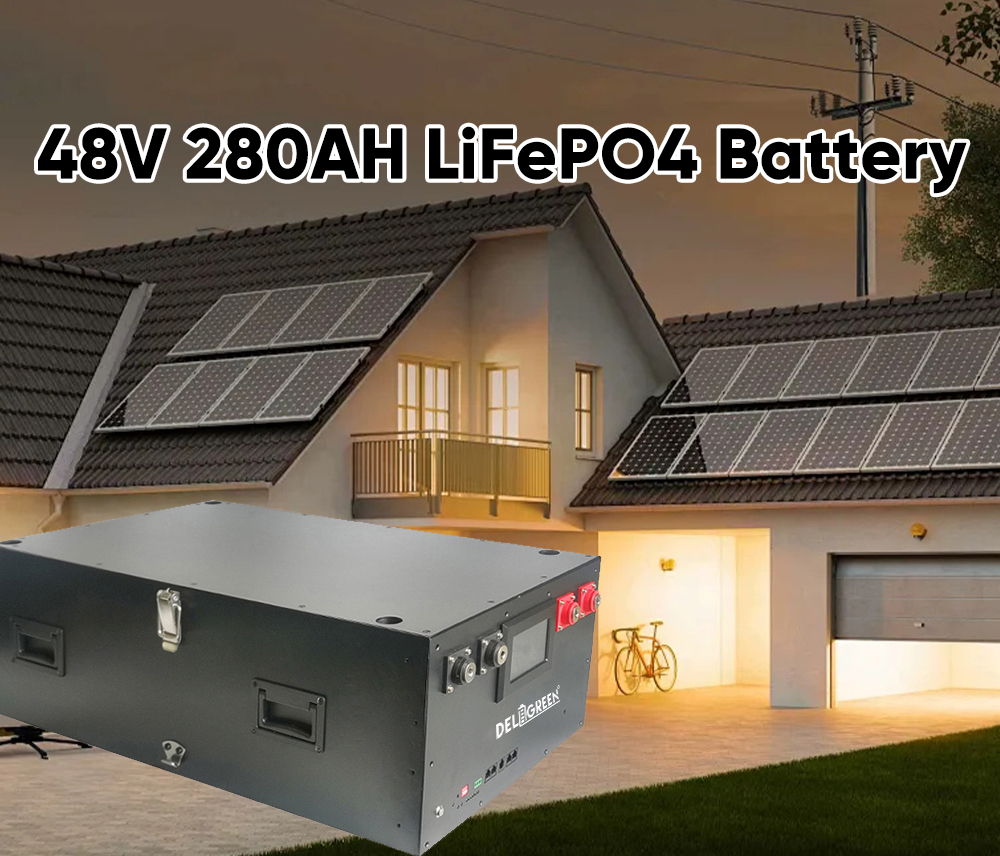
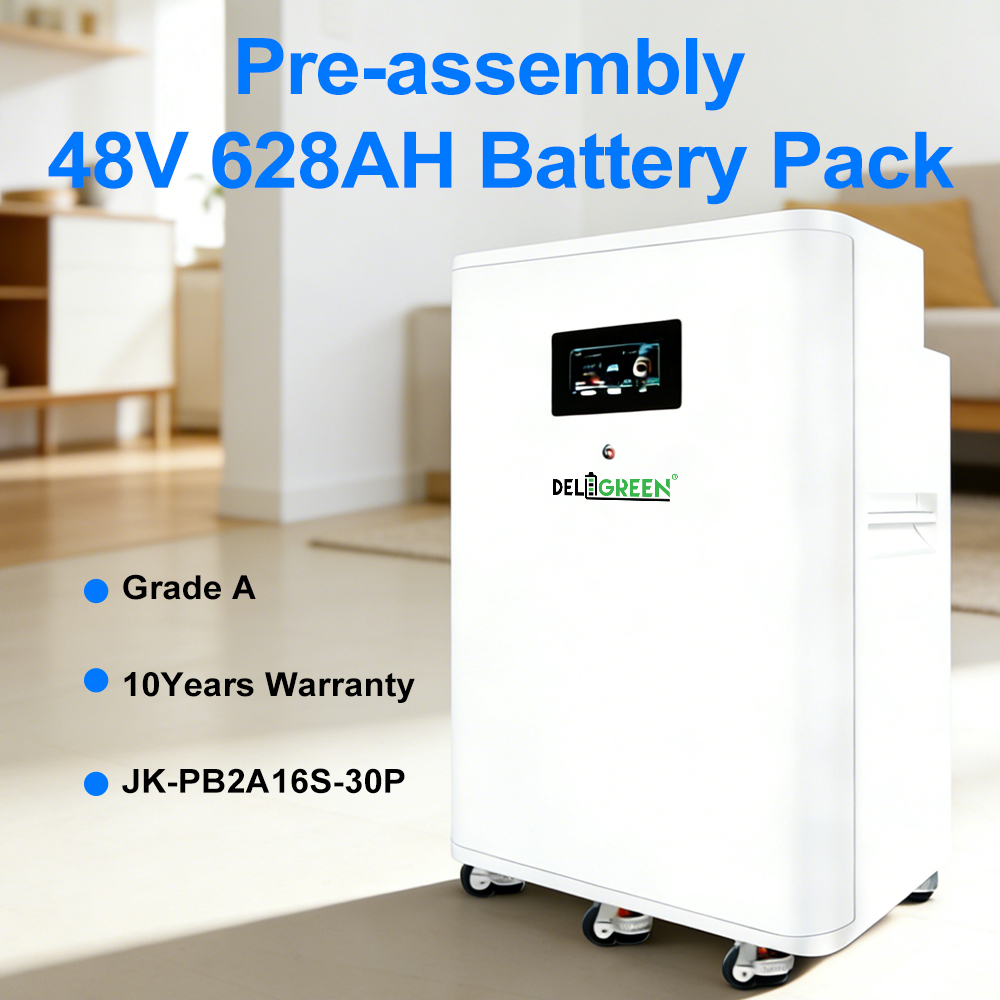
Wall-mounted energy storage batteries use a vertical installation structure, so they do not require as much floor space as traditional floor-standing battery cabinets. This provides efficient space utilization in residential environments. For garages, equipment rooms, and small storage areas, wall mounting can reduce the amount of floor space occupied by the battery and make it easier to arrange the battery near solar inverters, distribution panels, and other equipment. Many wall-mounted LiFePO4 batteries use modular designs with mounting holes or dedicated brackets integrated into the enclosure. Installers can secure the brackets to a wall with sufficient load-bearing capacity and then mount the battery body onto the structure. After the battery is physically installed, DC cables, communication cables, and grounding cables need to be connected according to the system design, followed by parameter matching with the energy storage inverter. Although wall-mounted designs reduce space requirements, this does not mean that the battery can be installed on any wall. Battery weight, wall load-bearing capacity, mounting height, ambient temperature, ventilation, and maintenance clearance should all be evaluated in advance. For larger residential energy storage systems, professional installation can improve mounting reliability and reduce potential safety issues during long-term operation.
What Needs to Be Prepared Before Installing a Wall-Mounted Energy Storage Battery?
The installation location and system configuration should be determined before installing a wall-mounted energy storage battery. Proper preparation can make the installation process more efficient. Battery capacity, rated voltage, and output power should match household loads and the inverter. Suitable mounting brackets and installation tools should also be prepared according to the battery’s weight and design.
- Check Wall Load-Bearing Capacity:Wall-mounted energy storage batteries can be relatively heavy, so the wall structure must be checked to ensure it can safely support the equipment over the long term. Concrete and solid brick walls generally provide good load-bearing capacity, while lightweight partition walls may require reinforcement or a specialized mounting solution.
- Reserve Installation and Maintenance Space:Adequate space should be maintained around the battery for heat dissipation, inspection, and maintenance. The installation location should not interfere with ventilation, and the battery should not be placed close to high-temperature equipment or exposed to direct sunlight for extended periods.
- Prepare Electrical Connection Equipment:The installation may require cables, circuit breakers, isolation devices, grounding wires, and communication cables that comply with the system design. Since connector types and cable specifications vary between products, all components should be selected according to the manufacturer’s technical requirements.
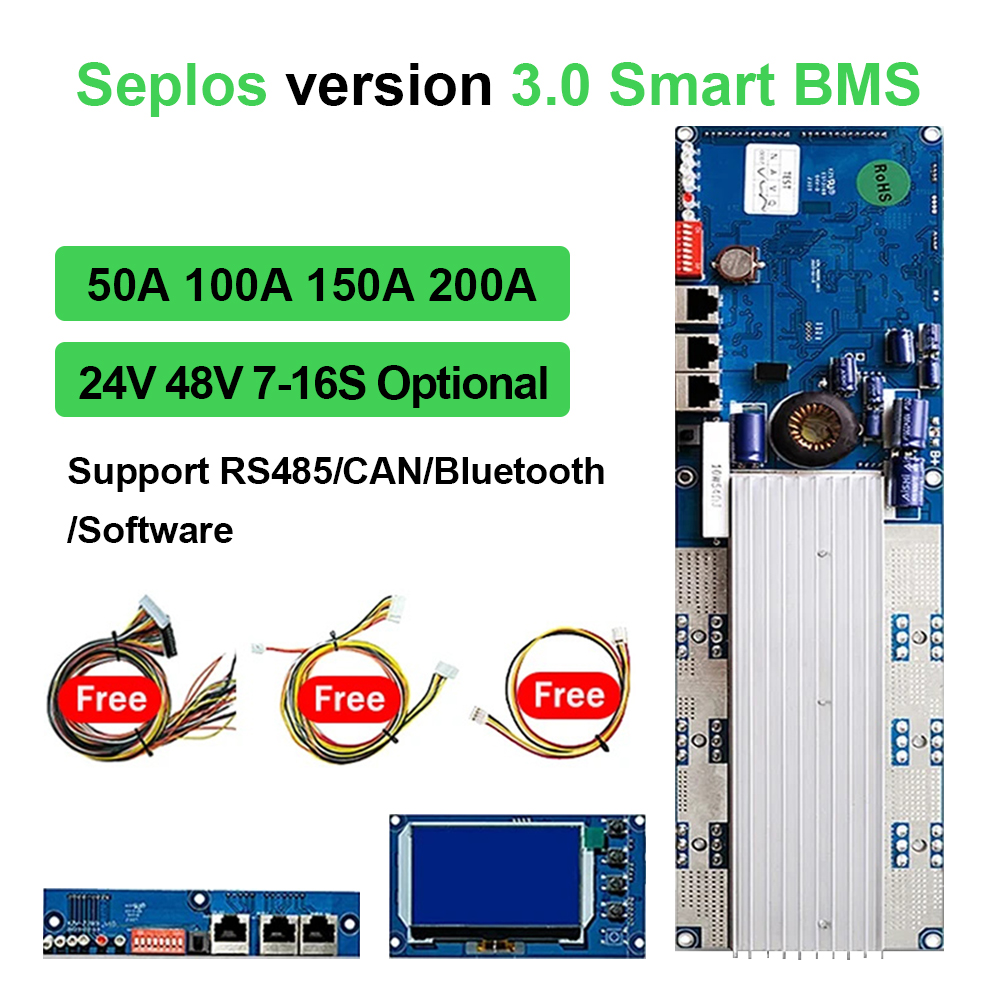
- Confirm Inverter Compatibility:If the battery will be connected to a solar inverter or hybrid inverter, voltage range, communication protocols, and BMS compatibility should be confirmed in advance. This helps prevent communication or operating problems after installation.
- Inspect the Installation Environment:The installation area should be clean, dry, and maintained within a suitable temperature range. The battery should not be installed in areas prone to water accumulation, excessive dust, or corrosive gases.
Completing these preparations before installation can reduce adjustments during construction and improve the efficiency and reliability of the wall-mounted energy storage system.
Is the Installation Process for a Wall-Mounted Energy Storage Battery Complicated?
The basic installation process for a wall-mounted energy storage battery generally includes selecting the location, securing the mounting bracket, installing the battery, connecting power cables, connecting communication cables, grounding the equipment, connecting the inverter, and commissioning the system. For highly standardized products, the mechanical mounting steps are usually relatively straightforward. However, electrical connections and system commissioning must follow the product manual and project design requirements. Installers need to confirm correct positive and negative polarity, appropriate cable specifications, secure terminal connections, and suitable protective devices. After the battery is connected to the inverter, communication between the BMS and inverter should be checked to ensure that battery voltage, SOC, temperature, charging status, and discharging status can be transmitted correctly. The system should not immediately enter long-term operation after wiring is completed. Electrical checks and trial operation should be performed to verify that charging, discharging, and protection functions operate correctly. For residential solar energy storage systems, the interaction between photovoltaic generation, household loads, and battery storage should also be tested. If the system includes backup power, the installer should confirm that the battery can switch to backup operation as designed when the grid fails. Therefore, while the physical installation of a wall-mounted energy storage battery is relatively convenient, electrical installation and system commissioning still require appropriate technical expertise.
What Factors Affect Wall-Mounted Energy Storage Installation Convenience?
The installation difficulty of a wall-mounted energy storage battery can be affected by product structure, battery capacity, installation environment, and supporting equipment. Smaller batteries generally weigh less and use simpler mounting systems, while larger energy storage batteries require stronger wall structures and may require multiple people to transport and install them. Wall material also affects the installation method. Concrete and solid brick walls have different installation requirements from lightweight partition walls. If the battery is installed far from the distribution panel or inverter, longer cables may be required, increasing installation complexity. Communication systems also need to be considered in advance. Energy storage systems using CAN, RS485, or similar interfaces require correct communication wiring and protocol settings. Environmental conditions can also affect the installation plan. High temperatures, humidity, and excessive dust may require additional protection or thermal management measures. Selecting a wall-mounted LiFePO4 battery with a practical structure, standardized mounting interfaces, and complete technical documentation can simplify installation. For homeowners, planning the equipment location, cable routing, and maintenance clearance in advance can make the installation process more organized and efficient.
How Can Wall-Mounted Energy Storage Batteries Be Installed Safely and Reliably?
After installation, the mechanical mounting, electrical connections, and system operating status should be comprehensively inspected. The wall bracket must be firmly secured, and the battery should not move or tilt. All electrical terminals should be tightened according to the manufacturer’s requirements. Cables connecting the battery and inverter should have appropriate current ratings and suitable protection devices should be installed. The grounding system should be securely connected to reduce risks associated with electrical faults. The installation area should also provide sufficient heat dissipation to prevent the battery from operating at excessive temperatures for extended periods. For residential energy storage systems using LiFePO4 cells, the BMS is an important safety control component. After installation, its voltage monitoring, temperature monitoring, SOC calculation, and protection functions should be checked to ensure proper operation. During initial startup, system parameters should be configured according to the equipment documentation, followed by trial operation to confirm stable charging and discharging before entering long-term service. During daily operation, users should keep the area around the battery clean and avoid storing cardboard boxes, oil products, or other unsuitable materials near the energy storage equipment. Regularly checking battery status, inverter data, and alarm information is also recommended for systems designed for long-term operation. Overall, the structural design of wall-mounted energy storage batteries allows residential energy storage equipment to save space, and standardized products are generally convenient to mount mechanically. However, high-voltage electrical connections, BMS communication, and system commissioning should still be performed by qualified professionals with relevant experience. Choosing LiFePO4 batteries with clear specifications, complete installation accessories, and reliable BMS protection can further improve installation efficiency and long-term operating stability.