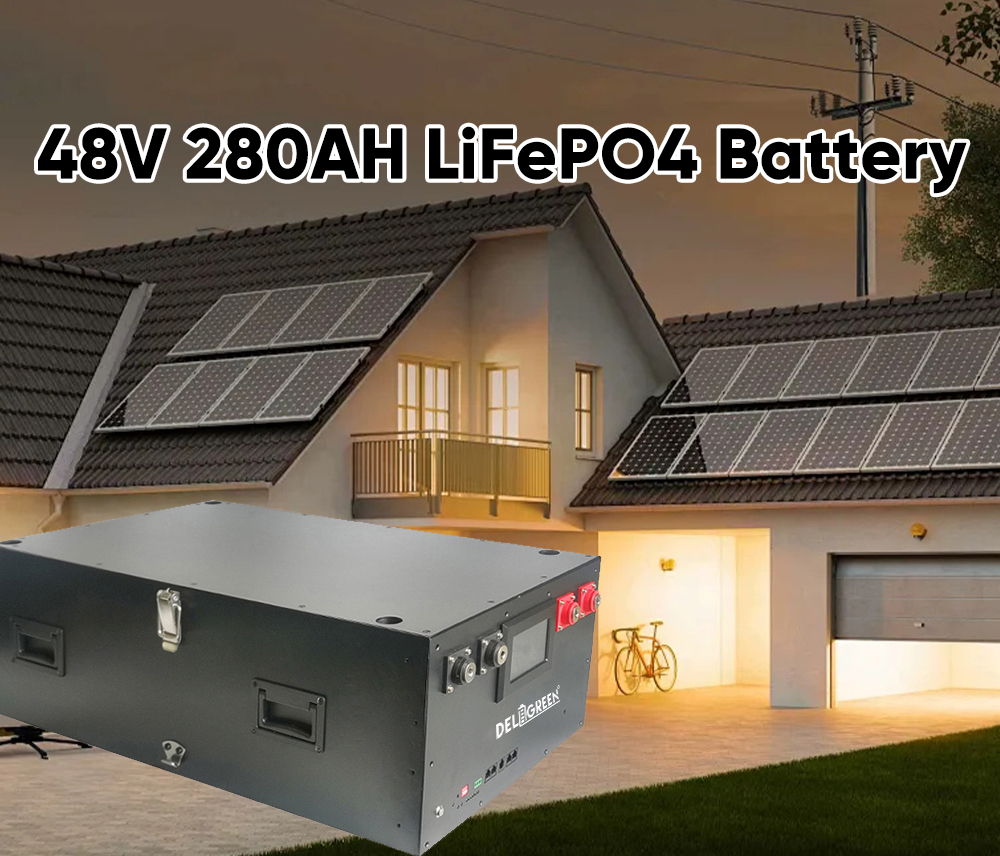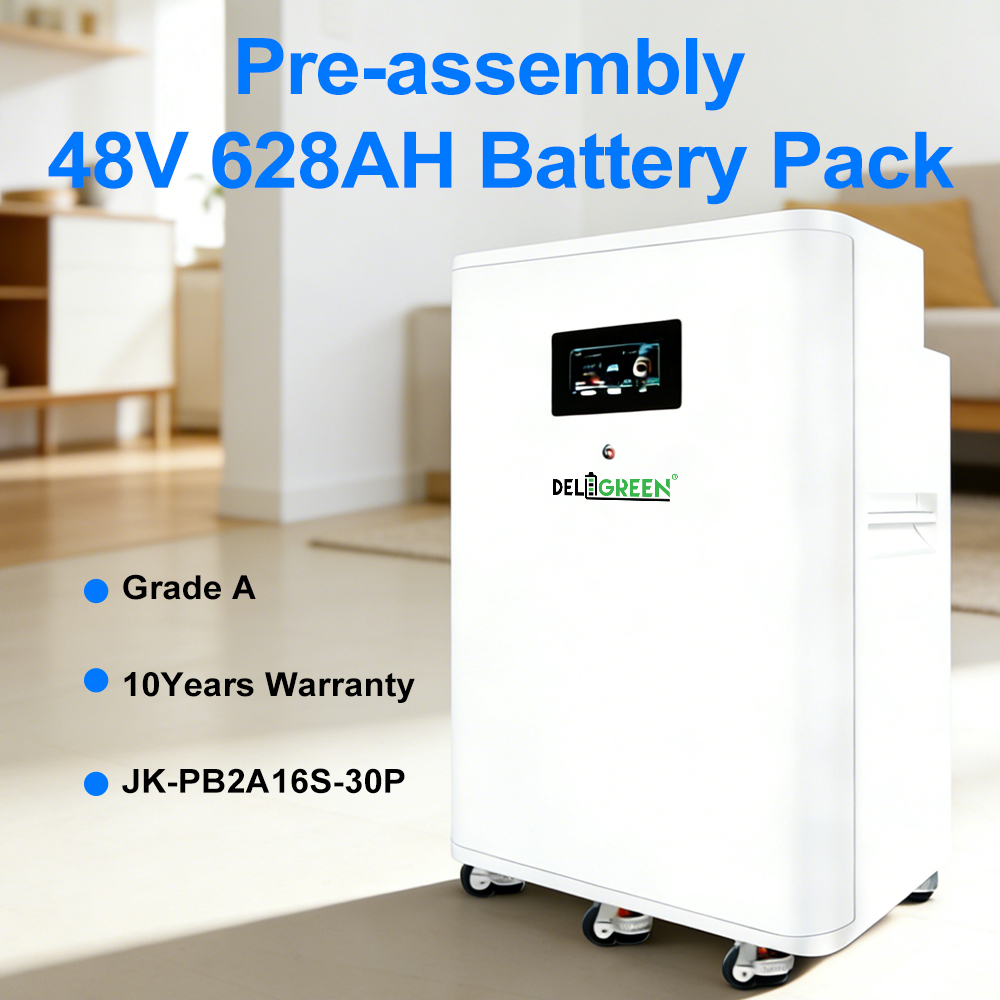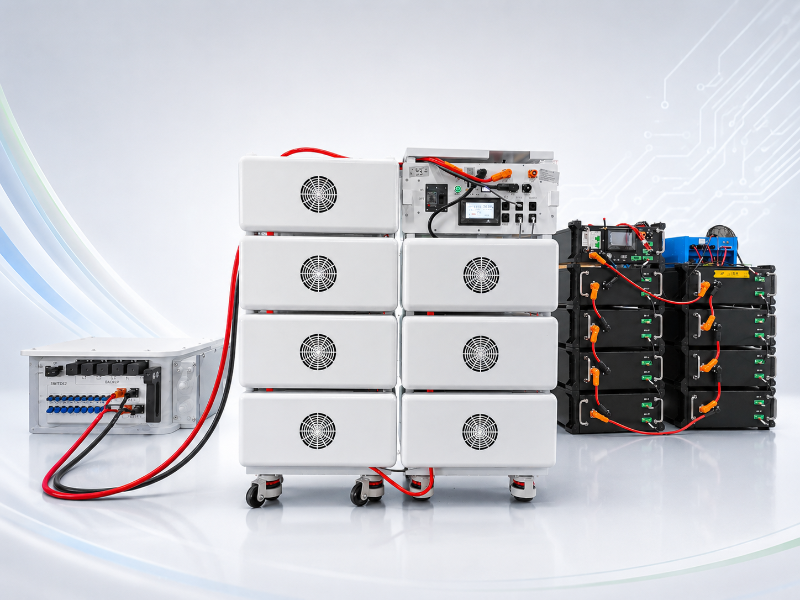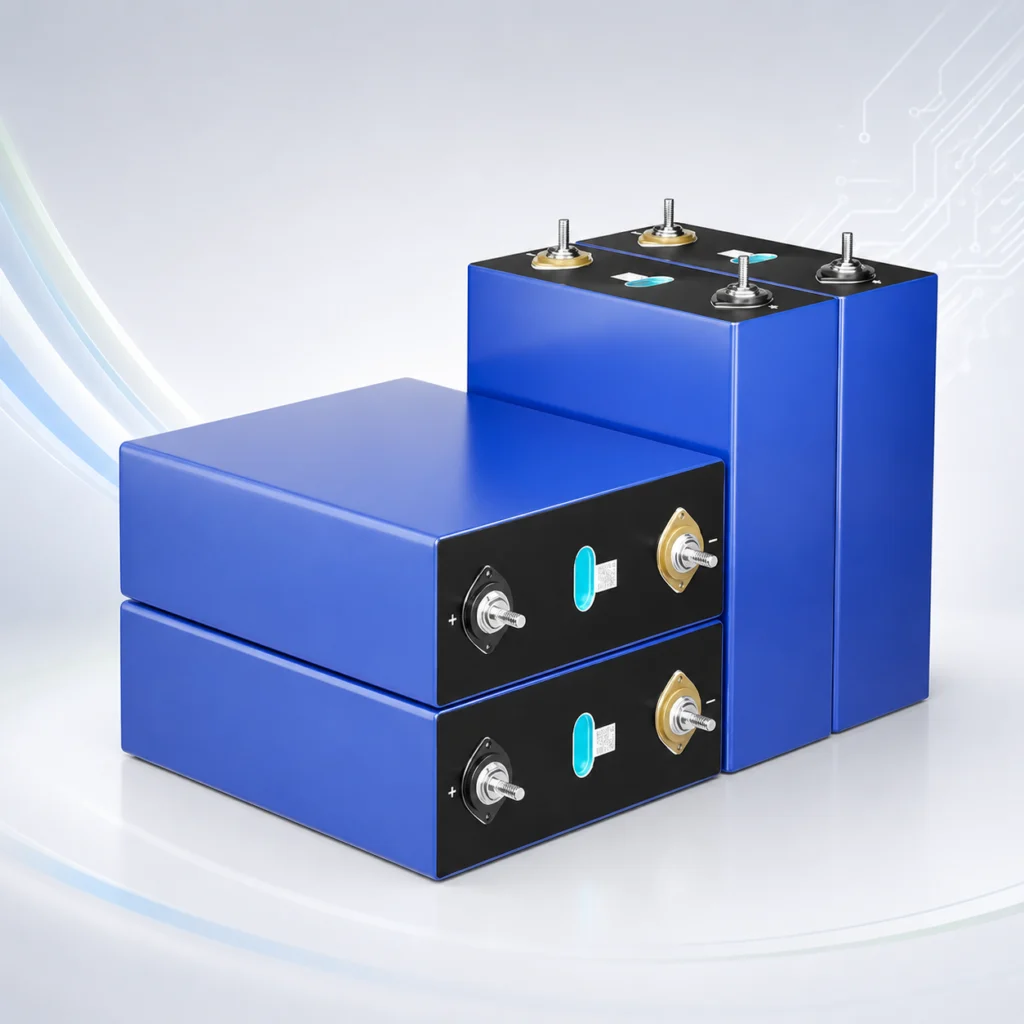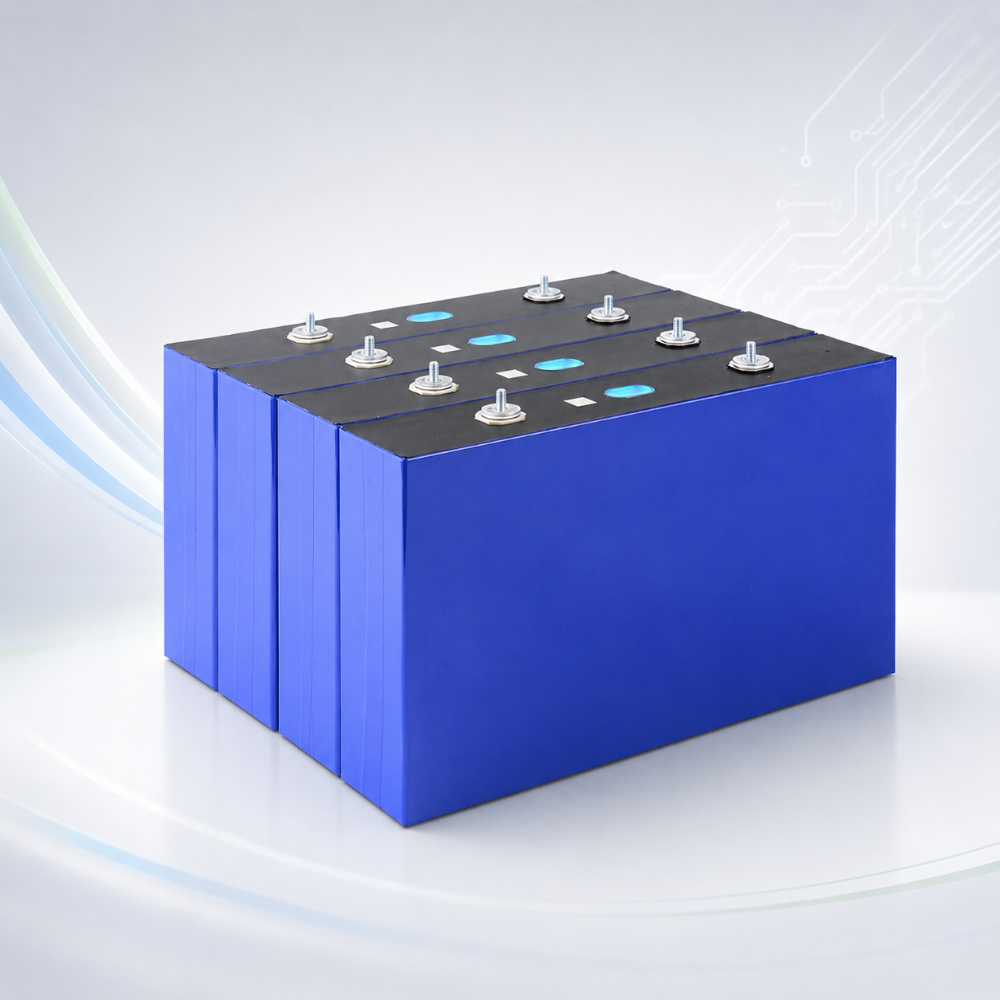
After using a lithium battery system for a period of time, many users face a common problem: the storage capacity is no longer enough. At this point, the first idea is often to add another battery. But a question quickly comes up: what if the new battery has a different voltage from the existing one? Can a 12V battery be connected with a 24V battery, or can a 24V battery be combined with a 48V battery? In reality, connecting batteries is not as simple as joining two wires together. Different battery voltages have many limitations. As LiFePO4 batteries become more popular in home energy storage and solar systems, choosing the right battery voltage combination is essential for stable operation.
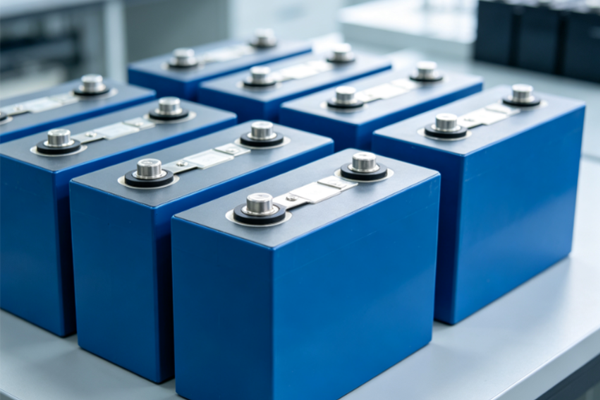
Why Can’t Batteries with Different Voltages Be Connected Directly?
Battery voltage determines how electrical energy is delivered. Different voltage batteries may have different numbers of cells, charging ranges, and battery management methods. Many people think that as long as the batteries are lithium batteries, or even the same type of LiFePO4 batteries, they can be connected together. However, actual use is more complicated.
- Different battery voltages cannot provide the same output level.
- Connecting high and low voltage batteries may cause abnormal current flow.
- Different batteries may experience uneven charging and discharging.
- Long-term mixed use can reduce overall battery lifespan.
If batteries with different voltages are connected directly, the higher-voltage battery may send current into the lower-voltage battery, creating additional stress inside the batteries. Differences in capacity, cell condition, and BMS (Battery Management System) settings can also make the entire battery pack unstable. Even high-quality LiFePO4 batteries need to be combined according to proper specifications.
What Is the Difference Between Series and Parallel Battery Connections?
In energy storage systems, adding more batteries does not mean they can be connected in any way. The two common connection methods are series and parallel connections, and they affect battery voltage and capacity differently.
- Series connections are mainly used to increase battery voltage.
- Parallel connections increase storage capacity and extend operating time.
- Battery specifications should be checked before making any connection.
Simply put, connecting batteries with the same voltage in series increases the total battery voltage, which is suitable for equipment requiring higher battery voltage. Parallel connections keep the voltage the same but increase battery capacity, allowing devices to run for a longer period. No matter which method is used, battery models, voltage levels, and capacities should remain consistent whenever possible to avoid imbalance during operation.
Can Different Voltage LiFePO4 Batteries Be Used Together?
LiFePO4 batteries are widely used in solar storage and backup power systems because of their good safety performance and long cycle life. However, stable battery chemistry does not mean batteries with different specifications can be combined freely. Battery matching is especially important in energy storage systems.
- A 12V LiFePO4 battery cannot be directly connected to a 24V battery.
- 24V and 48V energy storage batteries require different system designs.
- Mixing old and new batteries may create performance differences.
- Using batteries with different capacities can cause power imbalance.
If an existing storage system uses a 48V LiFePO4 battery, it is best to add batteries with the same voltage, capacity, and battery type when expanding storage. This allows the BMS to manage each battery more accurately and reduces problems during charging and discharging. If different voltage batteries must be used, the power system usually needs to be redesigned instead of simply connecting the batteries together.
How to Choose New Batteries When Expanding Storage Capacity?
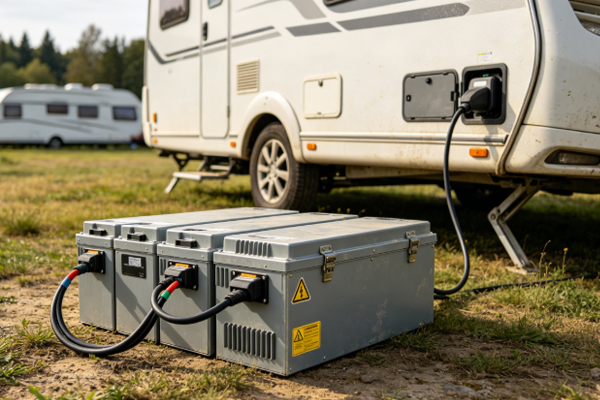
When adding more batteries, many users only focus on capacity and ignore battery compatibility. Proper expansion is not simply buying a larger battery and connecting it. The entire storage system needs to support the new configuration.
- Choose a battery with the same voltage as the existing one whenever possible.
- Check the voltage range supported by the inverter.
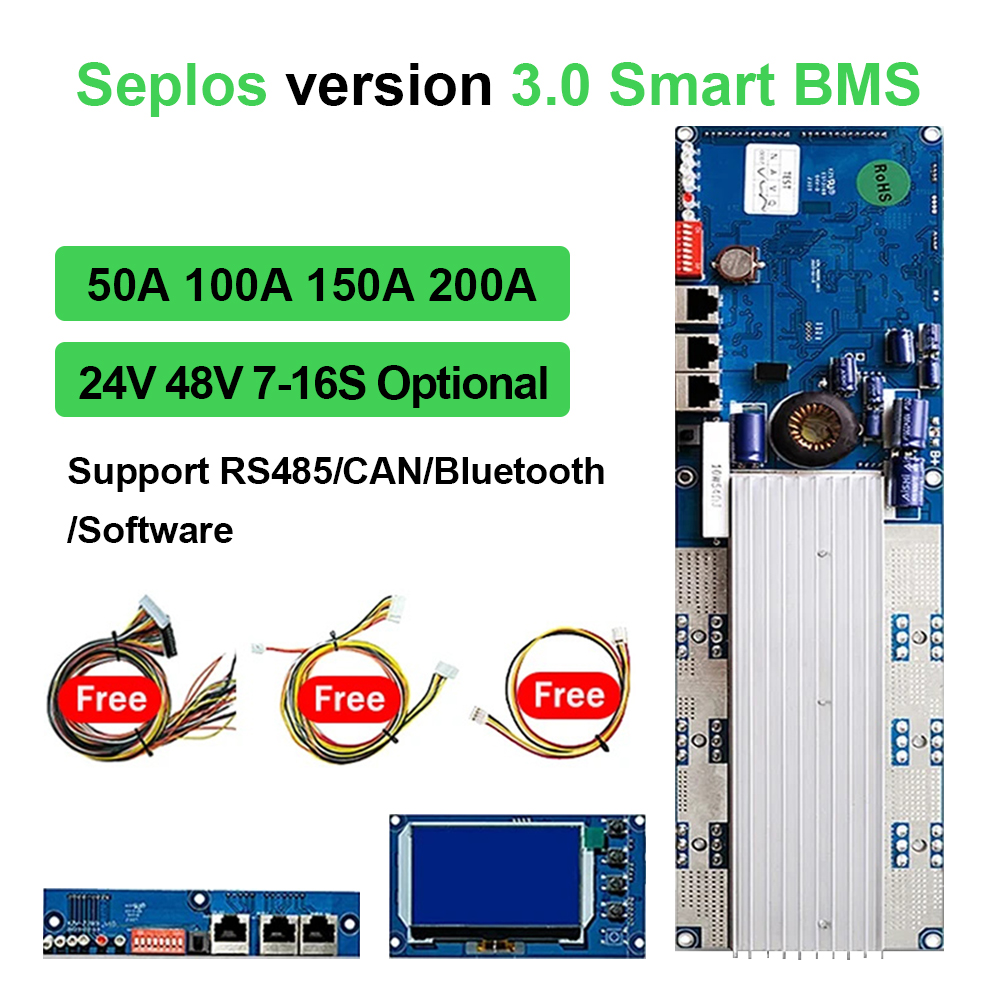
- Make sure the BMS system is compatible.
- Plan according to future electricity needs.
- Do not choose different battery specifications only because of a lower price.
When purchasing new LiFePO4 batteries, it is recommended to keep the battery voltage, cell type, and capacity consistent with the existing system. If the current storage system can no longer meet energy needs, upgrading the entire battery solution may be a better option than forcing different voltage batteries to work together. Although the initial cost may be higher, it can provide better long-term stability and reduce maintenance issues.
Batteries with different voltages are generally not recommended to be connected directly, especially in long-term applications such as solar energy storage and home backup power systems. Proper battery voltage matching is very important. 12V, 24V, and 48V LiFePO4 batteries each have their own suitable applications. The key is choosing a solution that matches the equipment requirements. When expanding storage capacity, using batteries with the same specifications provides better safety, reliability, and overall system performance.