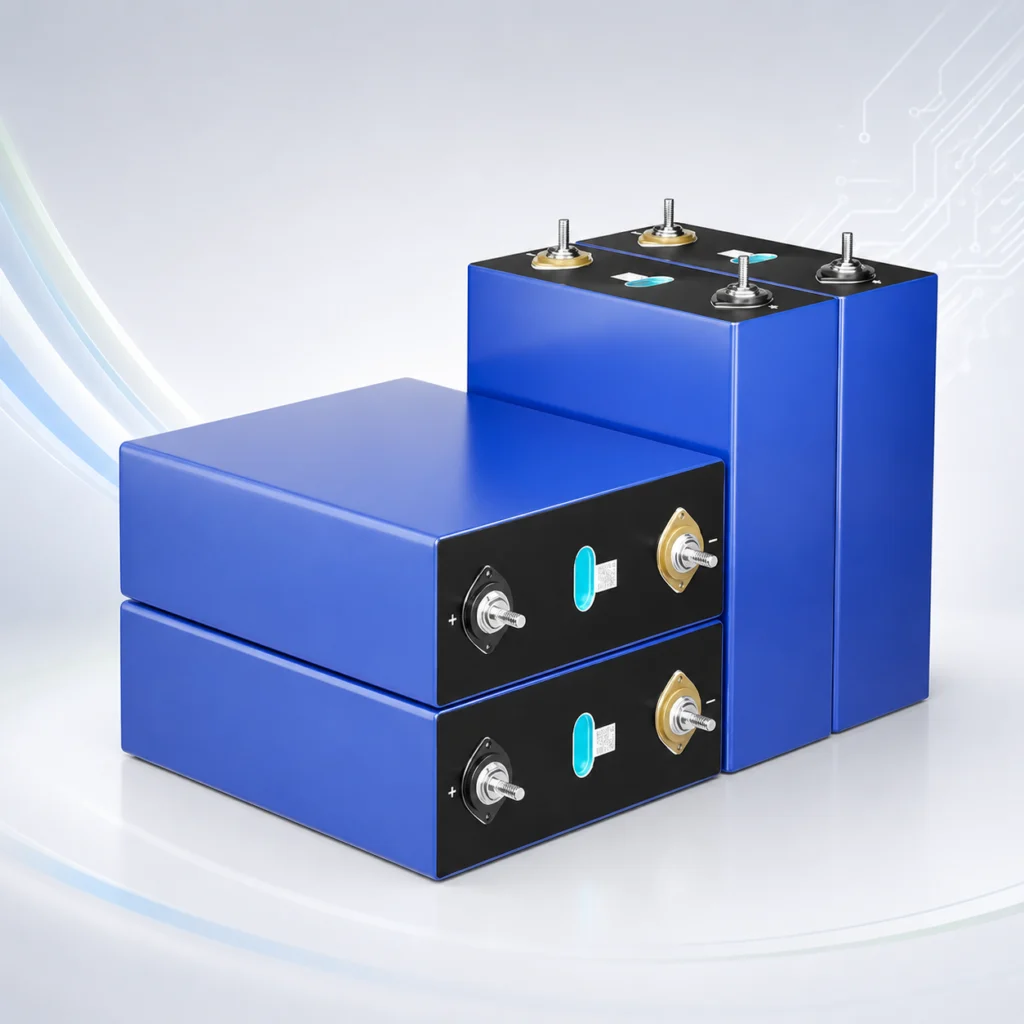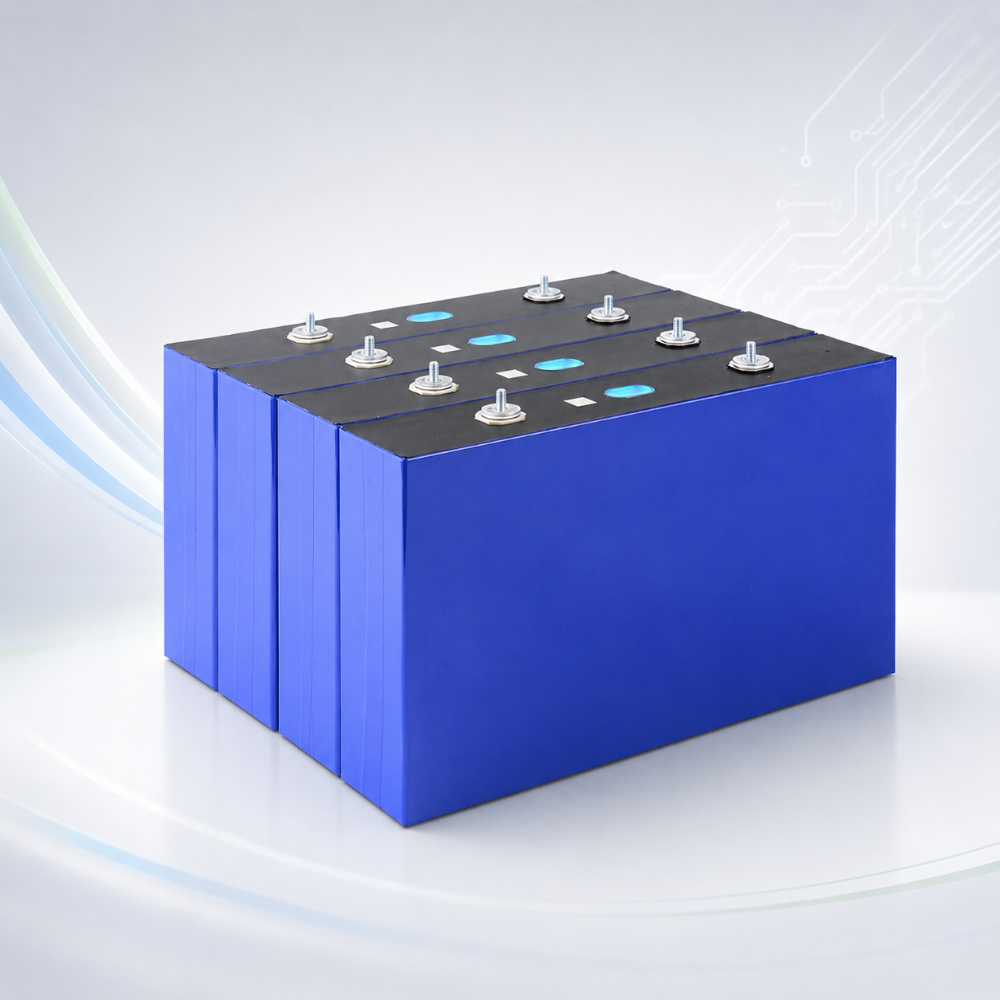
A battery pack is composed of multiple individual cells. When there are differences in capacity, internal resistance, voltage, or temperature response among cells, performance inconsistency will appear during long-term use. For applications such as energy storage, power systems, and portable power supplies that require stable output, consistency directly affects usable capacity, lifespan, and reliability. Improving consistency cannot rely solely on replacing cells; it requires overall control from cell screening, structural design, manufacturing processes, BMS management, and thermal management. According to data from the U.S. Department of Energy, multi-cell systems inherently exhibit performance variations, so BMS monitoring and cell balancing are necessary.

Cell Screening Is the Foundation of Battery Pack Consistency
Before assembly, cells must have a relatively uniform performance baseline to reduce the impact of inherent differences during operation.
Controlling Capacity Variation
Capacity inconsistency affects the usable energy of the battery pack.
- Perform capacity testing and select cells with similar parameters.
- Avoid mixing cells with significant performance differences.
- Re-test and grade cells that have been stored for a long time.
When cells with similar capacity are grouped, charging and discharging become more coordinated and stable.
Paying Attention to Internal Resistance and Voltage
Differences in internal resistance cause cells to behave differently under load.
- Measure internal resistance and classify cells into grades.
- Check open-circuit voltage and self-discharge rate.
- Group cells with similar test results.
Uniform parameter grouping helps reduce imbalance during operation.
Optimizing Battery Pack Structure and Manufacturing Process
After cell screening, the configuration method and manufacturing quality also affect overall consistency, especially in multi-series battery packs.
Proper Design of Series-Parallel Structure
The series-parallel configuration determines voltage, capacity, and current distribution.
- Cells in series must have higher consistency.
- Parallel units should ensure current sharing and low connection resistance.
- Modules should maintain similar parameters as much as possible.
A well-designed structure helps cells share load more evenly.
Controlling Connection Processes
Differences in connection quality can affect current distribution.
- Improve welding consistency and control contact pressure.
- Standardize busbars and connection tabs.
- Reduce variations in contact resistance.
Stable manufacturing processes help minimize human-induced performance deviations.
Strengthening Factory Testing
Factory testing is used to identify potential faulty cells or connection issues. Key parameters such as capacity, voltage, internal resistance, and temperature rise should be included. In addition, the battery pack should undergo charge-discharge cycling and protection function verification to ensure all cells operate within a normal range. A complete testing process provides a foundation for stable long-term operation.
Maintaining Consistency Through BMS and Thermal Management
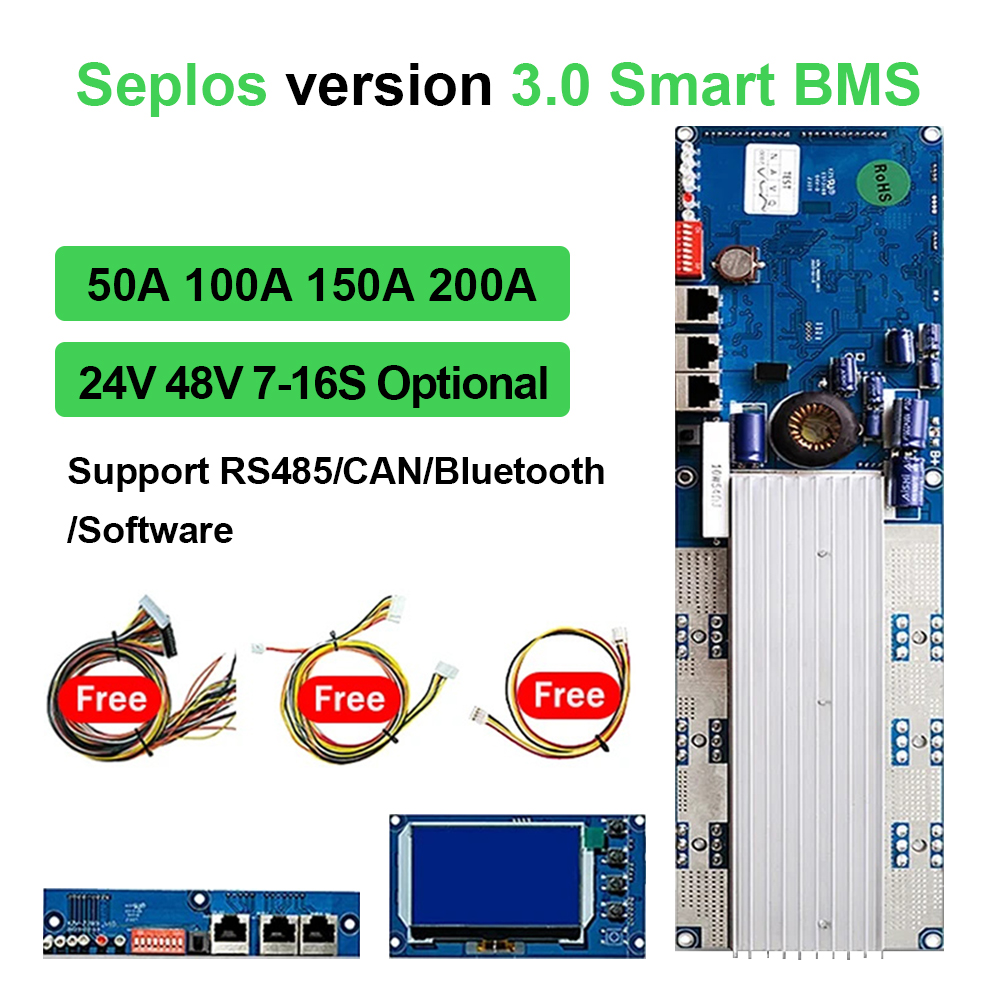
During operation, battery pack consistency is affected by charge-discharge conditions and temperature changes. The BMS is responsible for monitoring cell voltage, temperature, and other parameters, and implementing protection and balancing strategies.
Monitoring Cell Status via BMS
Cell conditions must be continuously monitored during operation.
- Real-time monitoring of cell voltage changes.
- Recording temperature and current data.
- Triggering protection mechanisms in abnormal conditions.
Continuous monitoring helps detect trends of increasing imbalance.
Reducing Cell Differences Through Balancing
In series battery packs, cell differences tend to increase over time, and balancing functions help mitigate this issue.
- Passive balancing adjusts voltage by dissipating energy.
- Active balancing improves efficiency through energy transfer.
- Balancing strategies should be designed according to the battery chemistry.
A well-designed balancing system improves usable capacity.
Controlling Temperature Differences in the Battery Pack
Temperature affects safety and also accelerates aging and amplifies inconsistencies.
- Optimize cell layout and heat dissipation paths.
- Reduce temperature differences across regions.
- Introduce thermal management systems in high-power applications.
Uniform temperature helps maintain long-term stable operation.
Slowing Consistency Degradation Through Usage Management
Battery pack consistency changes over time, but proper operational strategies can slow this process.
Proper Control of Charge-Discharge Conditions
Appropriate usage strategies are critical for battery lifespan.
- Set charge and discharge ranges according to specifications.
- Reduce long-term high-rate operation.
- Avoid extreme temperature environments.
Stable operating conditions help slow performance divergence.
Establishing Regular Inspection Mechanisms
During operation, data analysis should be performed regularly:
- Monitor capacity degradation trends.
- Compare voltage differences among cells.
- Track changes in internal resistance and temperature.
Systematic data management helps identify issues early.
Identifying Abnormal Cells
When a cell significantly deviates from the overall pack, it should be analyzed and addressed promptly. Evaluation can be based on BMS data, capacity testing, internal resistance measurement, and temperature records. Professional handling according to standards is required to avoid continued abnormal operation. A well-established maintenance system helps extend overall lifespan.
The performance stability of a battery pack depends on the coordination of cell screening, structural matching, manufacturing control, BMS management, and thermal regulation. Only by reducing initial differences and continuously balancing and optimizing heat dissipation during use can long-term consistency be maintained and degradation slowed. In addition, continuous recording of operational data helps detect potential deviations in time and enables timely adjustments. A well-developed maintenance strategy can further extend the overall system lifespan.