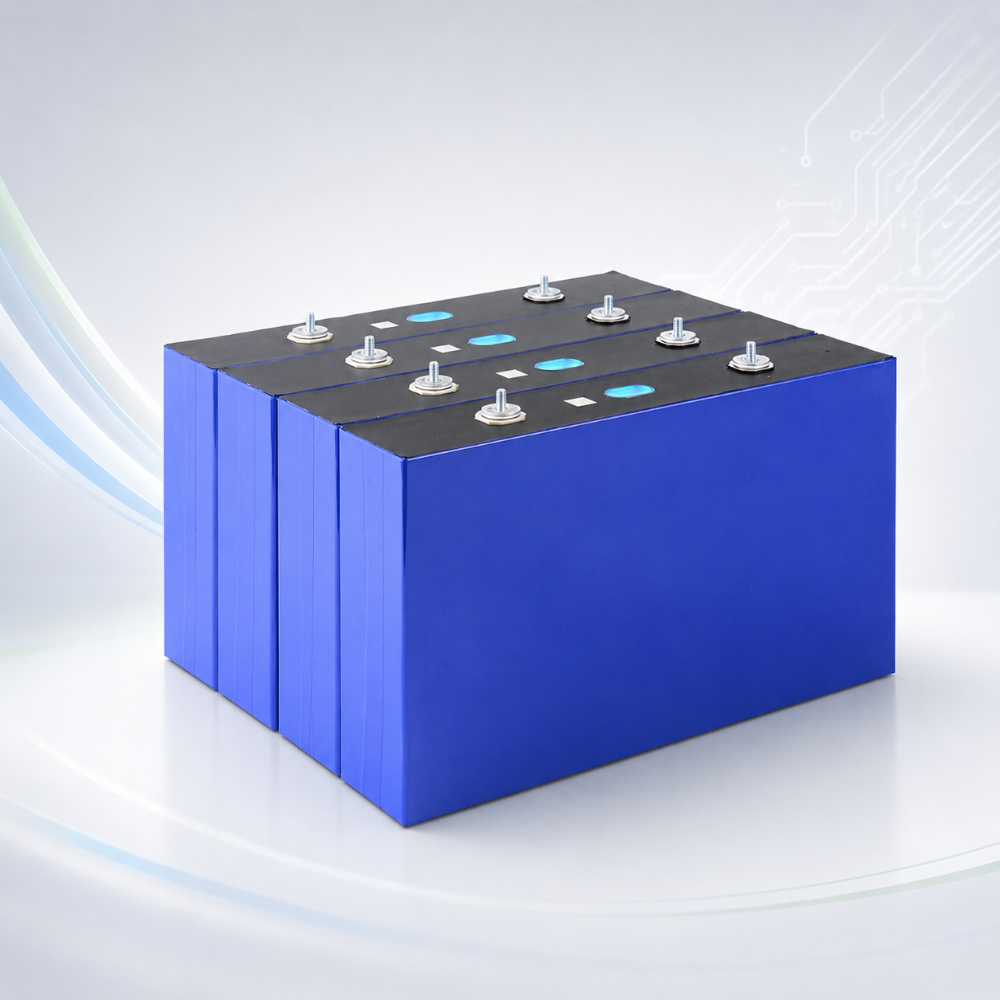
When purchasing a lithium battery, many users focus on capacity, price, and brand, but often overlook one important factor — battery voltage. Lithium batteries are available in different voltage levels, such as 12V, 24V, and 48V. Different battery voltage levels are designed for different devices and applications. If the voltage does not match the equipment requirements, even a battery with enough capacity may not work properly. Especially in applications such as home energy storage, solar systems, and electric vehicles, battery voltage affects system efficiency and overall performance. Understanding basic battery voltage knowledge can help users avoid common mistakes when choosing a lithium battery.

What Does Lithium Battery Voltage Mean?
Many people see labels such as 12V, 24V, and 48V on lithium batteries and assume that the battery always stays at that voltage. In reality, these numbers refer to the rated voltage of the battery. The actual voltage changes during charging and discharging as the battery power level changes. Battery materials and internal structures also affect the final voltage range.
- Battery voltage represents the rated voltage level.
- Actual voltage changes with remaining battery capacity.
- Voltage determines how power is supplied to devices.
- Different devices require matching voltage levels.
Battery capacity determines how much energy can be stored, while voltage determines how that energy is delivered. Both factors are important for equipment operation. For devices with the same power requirements, a higher-voltage battery usually operates with lower current, reducing pressure on wiring. This is why home energy storage systems and high-power equipment often use higher-voltage lithium batteries.
What Are the Differences Between 12V, 24V, and 48V Lithium Batteries?
Different battery voltage levels are suitable for different applications. When choosing a battery, voltage should not be judged simply by whether it is higher or lower. 12V, 24V, and 48V lithium batteries each have their own application areas and should be selected according to equipment power requirements and usage conditions.
- 12V lithium batteries are suitable for small devices.
- 24V lithium batteries are suitable for medium-power equipment.
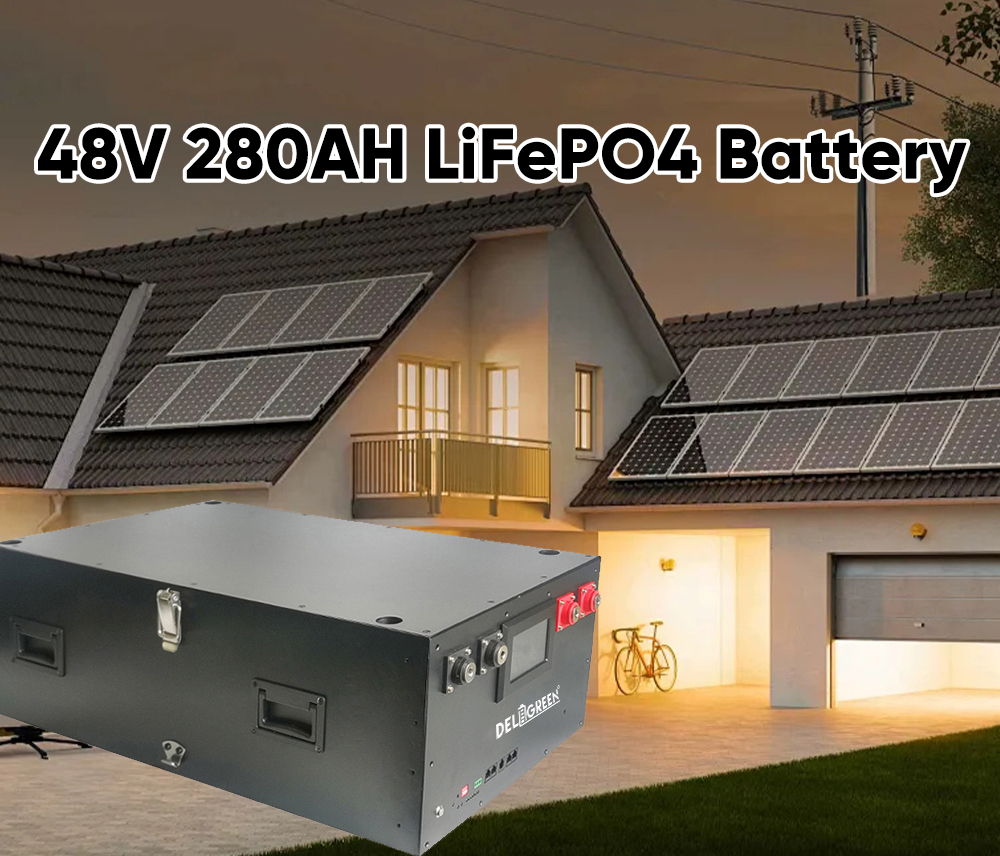
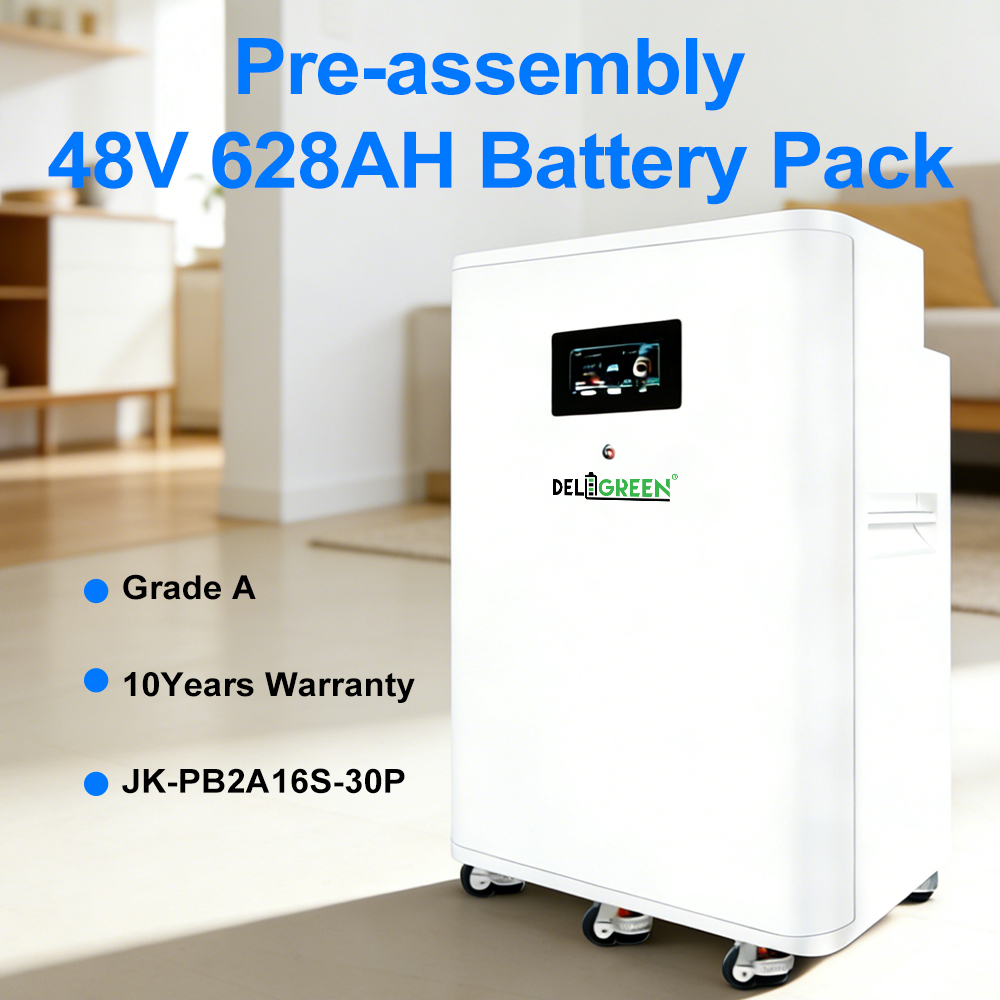
- 48V lithium batteries are suitable for home energy storage systems.
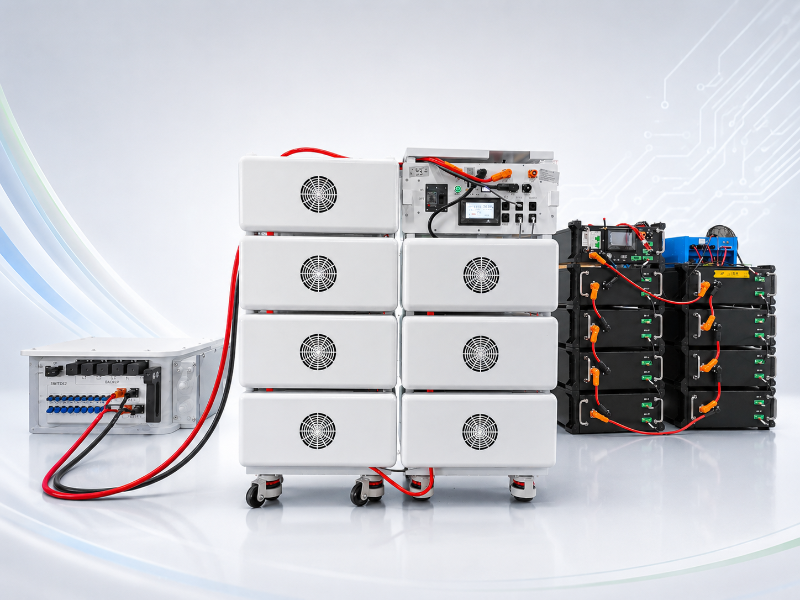
- Higher-voltage systems are better for large-capacity expansion.
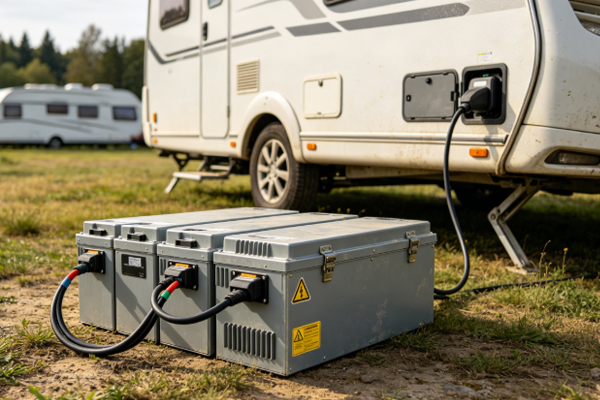
12V lithium batteries are commonly used in RVs, small energy storage devices, and lighting systems. 24V batteries are often used in industrial equipment and medium power systems, while 48V lithium batteries are becoming increasingly popular in home energy storage and solar energy storage applications. For equipment that operates for long periods, higher-voltage systems can reduce current and improve overall efficiency.
What Voltage Factors Should You Consider When Buying LiFePO4 Batteries?
LiFePO4 batteries are widely used in energy storage systems because of their high safety, long cycle life, and stable performance. Many users only focus on battery capacity when purchasing but ignore whether the voltage matches their equipment. Battery voltage, chargers, and connected devices need to work together properly to achieve stable performance.
- Confirm the voltage required by the equipment.
- Check whether the charger supports the battery voltage.
- Pay attention to the actual operating voltage range.
The rated voltage and measured voltage of a LiFePO4 battery are not always exactly the same. Taking a 48V LiFePO4 battery as an example, many products have an actual rated voltage of around 51.2V, and the voltage will rise further when fully charged. This is a normal condition. Before purchasing, users should check the specifications of inverters, controllers, and other related equipment to avoid voltage compatibility issues.
How to Choose the Right Lithium Battery Voltage?
When choosing a lithium battery, users should consider the equipment application, power requirements, and operating time. Different devices require different battery voltage levels, and small devices and large energy storage systems usually use different battery specifications.
- Small devices can use 12V systems.
- Medium-load equipment can consider 24V systems.
- Home energy storage is more suitable for 48V systems.
- Long-term applications should focus on battery lifespan.
If the battery is only used to power simple devices, a 12V lithium battery is usually enough. For applications such as powering household appliances, solar energy storage, or backup power systems, a 48V LiFePO4 battery is often a better choice. Besides voltage, users should also consider capacity, safety performance, and cycle life to achieve better compatibility between the battery and equipment.
Battery voltage is an important factor that should not be ignored when purchasing a lithium battery. Different battery voltage levels, including 12V, 24V, and 48V, are designed for different devices and applications. LiFePO4 batteries have become a common choice in energy storage due to their stable performance and long service life. By considering equipment requirements, voltage specifications, and actual usage conditions, users can achieve more reliable lithium battery performance.