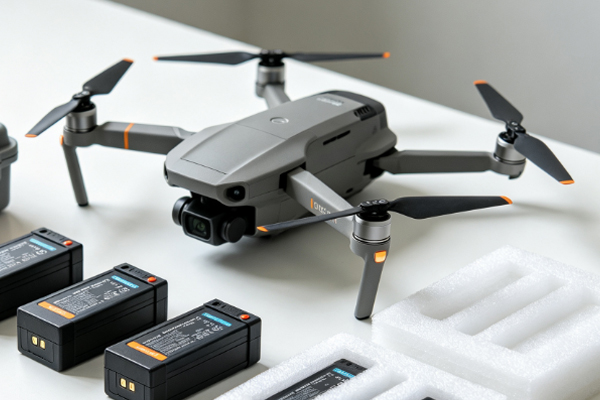
Industries such as aerial photography, agricultural plant protection, logistics transportation, and security patrols are placing higher demands on flight efficiency. The longer the flight time, the larger the coverage of a single mission and the higher the equipment utilization rate. For enterprise users, the drone battery is not only a power supply component but also closely related to operating costs, mission efficiency, and equipment stability. Properly optimizing battery endurance can reduce time loss caused by return flights and battery replacement, while also improving the overall operational value of the drone system. Selecting the right battery solution and combining it with scientific management methods has become an increasingly important focus for drone manufacturers and industry users.
Key Factors Affecting Drone Battery Endurance
When drones operate under different environments and mission conditions, battery consumption is influenced by multiple factors.
Cell Performance Determines Basic Endurance
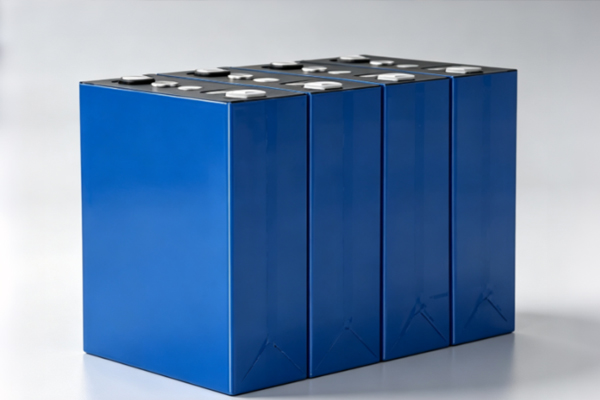
High-quality cells are the foundation of drone battery performance, and their energy storage capacity and discharge efficiency directly affect flight time.
- Cells with higher energy density can provide more power at the same weight, extending single-flight duration.
- Cells with longer cycle life maintain stable output performance and slow down capacity degradation.
Selecting cells with stable performance and high consistency provides reliable support for drone battery endurance.
Battery Weight Affects Flight Time
Battery weight is closely related to flight efficiency, requiring a balance between capacity and weight.
- Lightweight design reduces flight load, decreases motor stress, and improves endurance performance.
- Optimized internal structure layout improves space utilization while maintaining safety and performance.
- Proper battery specification matching based on drone payload capacity avoids unnecessary energy consumption.
Achieving a reasonable balance between weight and capacity is key to maximizing drone battery performance.
Battery Management System Plays an Important Role
A high-performance battery management system provides both safety assurance and optimization for drone battery operation.
- Real-time monitoring of key parameters such as voltage, current, and temperature ensures stable operation.
- Automatic cell balancing reduces the impact of inconsistencies between cells.
- Multiple protection mechanisms including overcharge, over-discharge, overcurrent, and short circuit protection.
Intelligent management improves battery utilization efficiency and extends service life.
Drone Battery Endurance Improvement Solutions
After identifying influencing factors, optimization is required at both system design and usage strategy levels.
Optimize Battery PACK Design
The PACK structure design directly affects the energy output efficiency and safety of drone batteries. Proper cell arrangement improves space utilization and energy density, while optimized connection structures reduce resistance losses and improve energy transmission efficiency. Improved thermal design also enhances continuous high-load discharge capability. A mature PACK solution achieves a better balance between safety and endurance.
Improve Thermal Management Capability
During flight, continuous battery discharge generates heat, and thermal performance directly affects overall efficiency.
- Use high thermal conductivity materials to reduce temperature rise.
- Optimize airflow paths within the airframe to accelerate heat dissipation.
- Reasonably control output power under high-temperature or high-load conditions.
Good thermal management ensures stable operation of drone batteries in complex environments.
Intelligent Charge and Discharge Control Strategy
Scientific charge and discharge management helps improve endurance efficiency and extend battery life.
- Automatically adjust output power based on mission type.
- Avoid deep discharge to reduce cell damage.
- Record cycle data to support future optimization.
Proper management increases the actual value of each charge and discharge cycle.
Battery Endurance Requirements in Different Application Scenarios
Different application scenarios place different emphasis on drone battery performance, requiring targeted solutions.
| Application Scenario | Key Focus | Recommended Solution |
| Aerial Photography Drone | Flight stability, endurance time | High energy density drone battery |
| Agricultural Drone | High power discharge | High-rate power battery |
| Inspection Drone | Long-duration operation | Intelligent BMS solution |
| Mapping Drone | Flight stability | Lightweight battery design |
| Logistics Drone | Continuous power supply | Long-life PACK solution |
Proper configuration based on actual mission requirements leads to better battery endurance performance.
How to Choose the Right Drone Battery Solution
In practical selection, performance, safety, and scalability must all be considered to avoid relying on a single metric.
Focus on Overall Compatibility
When selecting a drone battery solution, a system-level compatibility perspective should be considered.
- Match based on drone model to ensure coordinated system operation.
- Configure battery specifications according to payload requirements to avoid over- or under-performance.
- Equip with a complete battery management system to improve stability and safety.
The higher the overall compatibility, the better the flight efficiency and stability.
Emphasize Product Reliability
Battery reliability is directly related to long-term operating costs and mission safety. Long-term stability should be evaluated through cycle life testing, multiple safety protection designs should be considered to reduce operational risks, and products with mature manufacturing processes and quality control systems should be prioritized. High-reliability drone batteries reduce maintenance frequency and improve operational efficiency.
Support Custom Development
Different industries have significantly different requirements for drone batteries, making customization capability essential.
- Capacity customization to meet different endurance needs.
- Size, structure, and interface customization for different drone models.
- Communication protocol and BMS development for system-level integration.
Customized solutions better match real-world application needs and improve user experience.
The drone industry is continuously evolving toward intelligence and higher efficiency, and drone battery technology is also constantly advancing. By optimizing battery structure design, improving intelligent management capabilities, enhancing thermal control, and applying scientific usage strategies, battery endurance performance can be further improved, delivering more stable and efficient flight experiences across various application scenarios. At the same time, choosing a reliable battery supplier and customized solutions is equally important.