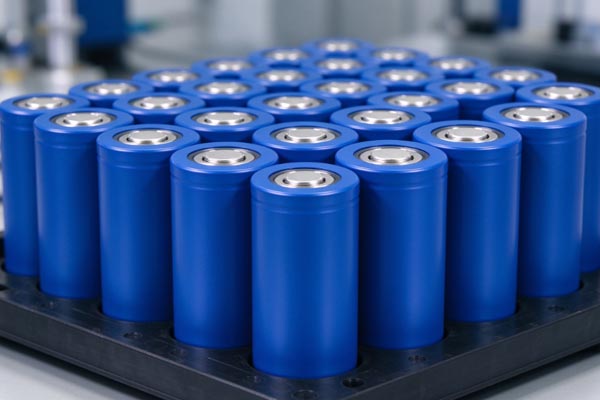
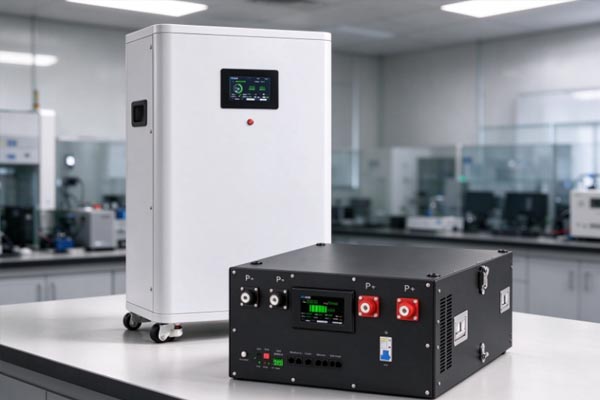
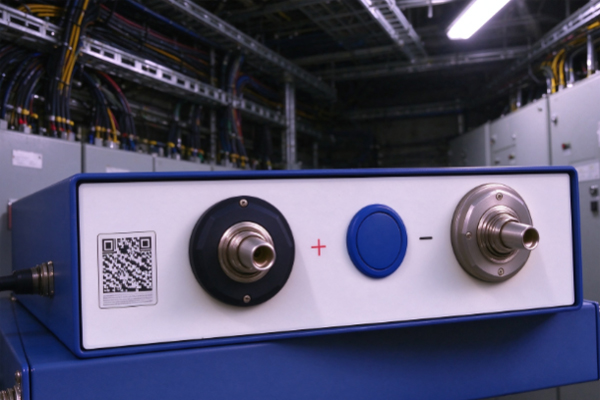
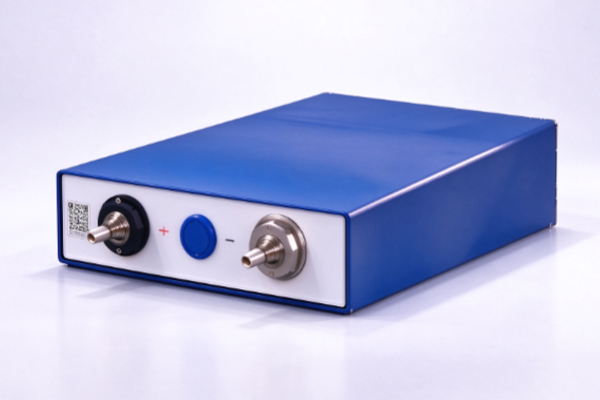
LiFePO4 cells of the same specifications from different manufacturers are generally not recommended for direct mixing. Even if the cells have identical rated voltage, capacity, dimensions, and appearance, this does not mean their internal structures, electrochemical performance, and charging and discharging characteristics are completely consistent. Cells from different manufacturers may use different cathode material formulations, anode material systems, electrolyte formulations, separator structures, and manufacturing processes. These differences can affect internal resistance, capacity retention, charging and discharging efficiency, and cycle life. LiFePO4 cells are commonly used in energy storage batteries, electric vehicles, low-speed electric vehicles, communication backup power supplies, and industrial power systems. In these applications, multiple cells need to be connected in series or parallel to form a battery pack. Performance consistency between individual cells directly affects the charging and discharging efficiency, capacity utilization, and operational safety of the battery pack.
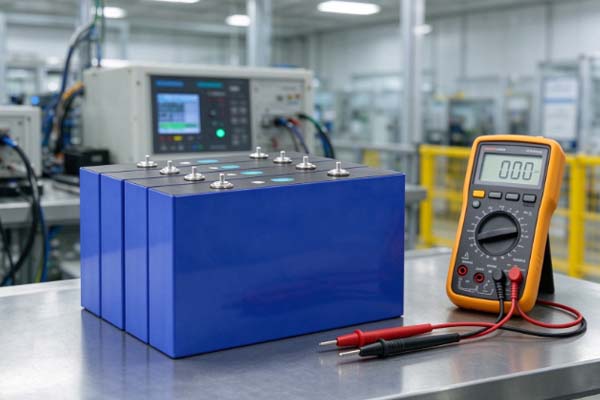
If cells from different manufacturers are directly combined, voltage differences, asynchronous charging and discharging, and inconsistent capacity degradation rates may occur during long-term use, even when their initial capacities are similar. Therefore, identical specifications are only a preliminary reference for cell selection and are not sufficient grounds for mixing cells. In practical applications, the technical specifications, factory inspection data, and actual test results of cells from different manufacturers must be compared to determine whether their electrical performance and operating characteristics are compatible. For energy storage systems and power battery packs that require long-term operation, prioritizing LiFePO4 cells from the same manufacturer, with the same model and production batch, is more beneficial for maintaining battery pack consistency.
What Should Be Checked Before Mixing LiFePO4 Cells from Different Manufacturers?
Even when LiFePO4 cells from different manufacturers have the same rated capacity and rated voltage, they must undergo necessary testing. Product labels alone cannot determine whether they are suitable for combined use. Differences in manufacturing processes, positive and negative electrode material ratios, electrolyte systems, and manufacturing standards may result in variations in internal resistance, actual capacity, charging and discharging curves, and cycle performance. Before combining cells, capacity testing, internal resistance measurement, voltage consistency checks, and charging and discharging performance verification should be performed. Only after confirming that all parameters are within reasonable ranges should their suitability for series or parallel connections be evaluated.
Verify Rated Voltage and Charging and Discharging Voltage Ranges
Rated voltage is an important parameter for determining the basic electrical specifications of a cell. The nominal voltage of a common individual LiFePO4 cell is 3.2V. However, products from different manufacturers may have different recommended charge cutoff voltages, discharge cutoff voltages, and operating voltage ranges. If two types of cells have different charging and discharging voltage ranges, some cells may reach their upper charging limits or lower discharging limits earlier than others after being combined. In this situation, even if the overall battery pack voltage has not reached the preset threshold, individual cells may already be approaching their permitted operating limits.
Compare Actual Capacity and Internal Resistance
The rated capacity of a cell is not necessarily equal to its actual usable capacity. Different manufacturers may use different testing temperatures, charging and discharging rates, and cutoff voltages when measuring capacity. Therefore, cells with the same nominal capacity do not necessarily have identical actual discharge capacities. Internal resistance is another parameter that requires particular attention. Differences in internal resistance affect voltage changes and heat generation during charging and discharging. This is especially important during high-current discharge, when cells with higher internal resistance generally experience more significant voltage drops and heat generation.
Check Cycle Life and Capacity Degradation Characteristics
Differences in material systems and manufacturing processes between manufacturers may result in different capacity retention rates after long-term cycling. For example, two LiFePO4 cells with an initial capacity of 280Ah may have different remaining capacities after undergoing the same number of charging and discharging cycles. If these cells are combined, the cell with the faster capacity degradation may reach its discharge cutoff condition earlier, preventing the entire battery pack from fully releasing its available energy.
Confirm Temperature Characteristics and Rate Performance
The operating temperature range, low-temperature charging and discharging capabilities, and continuous discharge rate of the cells must also be compatible. Cells from different manufacturers may have different heat dissipation conditions, polarization characteristics, and temperature responses. During high-rate charging and discharging, if some cells experience faster temperature increases than others, uneven temperature distribution may develop within the battery pack. Therefore, the rate performance and thermal stability of the cells should be evaluated based on actual application conditions.
What Problems Can Arise from Mixing Cells from Different Manufacturers?
If LiFePO4 cells from different manufacturers are assembled into a battery pack without proper screening, electrical performance inconsistencies may occur. Differences between cells may not be obvious initially, but as the number of charging and discharging cycles increases, they may gradually affect the operating condition of the battery pack. For example, some cells may reach their upper charging limits or lower discharging limits earlier than others, restricting the usable capacity of the entire battery pack. If individual cells have relatively high internal resistance, they may also generate more heat during charging and discharging, further increasing performance differences between cells and making battery pack management more difficult. Therefore, when mixing cells from different manufacturers, it is important to pay attention to consistency changes during long-term operation and use a Battery Management System (BMS) to monitor voltage, temperature, and charging and discharging status.
Reduced Battery Pack Capacity Utilization
When the actual capacities of different cells vary, the lower-capacity cell in a series-connected battery pack may reach its discharge cutoff voltage earlier, causing the entire battery pack to stop discharging. Even if other cells still retain some energy, they cannot continue releasing it normally.
Voltage Imbalance Between Individual Cells
The voltage change curves of cells from different manufacturers may vary. When connected in series, all cells carry the same charging and discharging current, but their voltage change rates may not be identical. If some cells reach their upper charging limits or lower discharging limits earlier, BMS protection may be triggered, affecting the normal operation of the battery pack.
Uneven Temperature Rise and Current Distribution
When cells are connected in parallel, differences in internal resistance may result in uneven current distribution. Cells with lower internal resistance may carry higher currents, while cells with higher internal resistance may experience more significant voltage drops and heat generation. Long-term operation under these conditions may accelerate the aging of certain cells and increase battery pack maintenance requirements.
Shortened Battery Pack Service Life
Cells from different manufacturers may have different cycle lives and capacity degradation rates. When some cells experience performance degradation earlier, the usable capacity and operational stability of the entire battery pack may also be restricted. Although a BMS can monitor cell voltage, temperature, and current and manage the battery pack through protection and balancing functions, it cannot completely eliminate differences in internal resistance, capacity, and aging between individual cells.
Frequently Asked Questions
Q1: Can 280Ah LiFePO4 Cells from Two Different Manufacturers Be Mixed?
It is not possible to determine whether two types of cells can be mixed simply because both have a capacity of 280Ah. Even with the same rated capacity, their actual capacity, DC internal resistance, charge cutoff voltage, discharge characteristics, and cycle life may differ. Only after professional testing confirms that the specific cell models, performance parameters, and operating characteristics meet the requirements for combined use, followed by battery system design verification, can the feasibility of mixing them be evaluated.
Q2: Can LiFePO4 Cells from Different Brands Be Connected in Parallel?
Connecting cells from different brands in parallel requires greater caution. When connected in parallel, voltage or internal resistance differences between cells may generate relatively high equalization currents or uneven operating currents. Before connection, it is necessary to confirm that the cell voltages are consistent and within safe limits, as well as test their actual capacities and internal resistance. Directly connecting cells from different brands without verification is not recommended. Adding a BMS alone cannot resolve cell compatibility issues.
Q3: Can LiFePO4 Cells from Different Manufacturers Be Connected in Series?
This is not technically prohibited in all circumstances, but cell compatibility requirements must be met. Every cell in a series-connected battery pack carries the same current. Therefore, cells with smaller capacities or weaker performance may reach their charging or discharging limits earlier. The voltage range, capacity, internal resistance, rate performance, and temperature characteristics of the cells must be verified, and a BMS capable of monitoring individual cell voltages must be configured.
Q4: Is It Safe to Mix Cells from Different Manufacturers If the Same Model of BMS Is Installed?
Not necessarily. A BMS is primarily responsible for monitoring, protecting, and balancing the battery pack. It cannot change the electrochemical performance of the cells themselves. If cells from different manufacturers have significant differences in capacity, internal resistance, and charging and discharging characteristics, even a BMS with active balancing capabilities cannot guarantee consistent cell performance under all operating conditions.
LiFePO4 cells of the same specifications from different manufacturers are not completely unsuitable for mixing, but identical rated voltage, rated capacity, and physical dimensions should not be used as the sole basis for combining them directly. Cells are the fundamental components of a battery pack, and their actual capacity, internal resistance, charging and discharging curves, rate performance, and temperature characteristics all affect battery pack operation. During battery pack design and manufacturing, it is recommended to prioritize cells from the same manufacturer, with the same model and production batch, to reduce compatibility issues caused by differences in manufacturing processes and performance. If LiFePO4 cells from different manufacturers must be used due to supply, maintenance, or production requirements, complete product datasheets and factory inspection records should be obtained in advance. Capacity testing, internal resistance testing, open-circuit voltage measurement, and necessary charging and discharging cycle verification should also be performed.
For battery packs that are already in operation, if some cells need to be replaced, new cells should not simply be combined with old ones. The replacement plan should be developed based on the original battery pack design parameters, operating records, and actual cell degradation conditions. After assembly, individual cell voltage, temperature, current, and protection functions must also be checked to confirm that the battery pack can operate within its specified operating range. Therefore, LiFePO4 cells of the same specifications from different manufacturers can be evaluated for mixed use after strict screening and system verification. However, for conventional production and long-term operating applications, maintaining consistency in cell brand, model, and production batch is still recommended.