The operating temperature of lithium batteries directly affects their charging and discharging efficiency, service life, and operational safety. High temperatures can cause heat accumulation and performance degradation, while low temperatures can limit charging capability and discharge performance. For residential energy storage, commercial energy storage, and industrial battery systems, BMS temperature protection is an essential part of battery safety management. By monitoring temperature in real time, adjusting charging and discharging conditions, and implementing protective measures when abnormalities occur, a Battery Management System (BMS) helps batteries operate within an appropriate temperature range.
What Is BMS Temperature Protection?
Basic Principles of BMS Temperature Protection
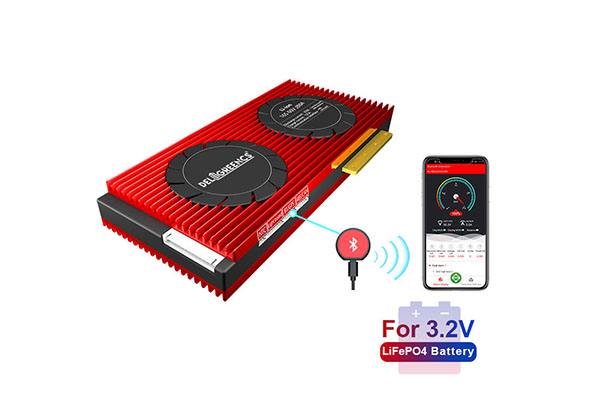
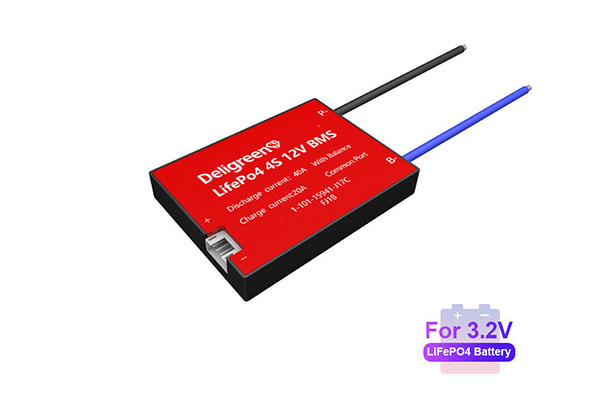
BMS stands for Battery Management System. It monitors battery operating conditions and implements protective measures according to predefined parameters. Temperature protection typically relies on temperature sensors installed near individual cells, battery packs, or power components. The system collects temperature data and determines whether the current temperature falls within the permitted operating range.
When the temperature reaches a predefined warning threshold, the BMS can issue an alarm or transmit status information to external control devices. If the temperature continues to rise or falls below the permitted lower limit, the system can restrict charging current, reduce discharge power, or disconnect the charging and discharging circuits when necessary. The specific protection methods depend on the BMS hardware configuration, parameter settings, and overall battery system design.
Why Do Batteries Need Temperature Protection?
Lithium batteries generate heat during charging, discharging, and high-load operation. If heat dissipation is insufficient, continuous temperature increases can accelerate battery aging and increase the risk of abnormal operation. Low temperatures can slow electrochemical reactions, increase internal resistance, and reduce available capacity and output power.
In particular, charging certain lithium-ion batteries at high currents in low-temperature conditions, when outside the cells’ permitted operating range, may cause lithium plating. This can negatively affect battery life and safety. Therefore, temperature monitoring should address both overheating and low-temperature charging restrictions.
How Does a BMS Provide High- and Low-Temperature Protection?
High-Temperature Protection: Reducing Heat Accumulation Risks
When the battery temperature exceeds a predefined threshold, the BMS can restrict charging and discharging current, reduce system output power, or stop the relevant operation according to its protection strategy. In energy storage systems equipped with active cooling, the BMS can also coordinate with the thermal management controller to regulate cooling fans, liquid cooling equipment, and other heat dissipation components based on actual temperature conditions.
High-temperature protection should monitor temperature changes at multiple locations rather than relying solely on measurements taken from the outside of the battery pack. Cell temperature, ambient temperature, and the temperature of key components such as power MOSFETs can all provide valuable information for evaluating system operating conditions.
Low-Temperature Protection: Controlling Charging and Discharging Conditions
Battery charging capability generally decreases in low-temperature environments. Based on cell temperature, a BMS can limit charging current or disable charging until the temperature returns to the safe operating range specified by the battery manufacturer.
For energy storage systems designed to operate in cold environments, a preheating device can be configured according to battery specifications. Temperature monitoring can then coordinate the preheating and charging processes. However, temperature limits vary among battery chemistries and models, so the technical specifications provided by the cell manufacturer should always be followed.
How to Reduce the Impact of Extreme Temperatures on Batteries
Optimize Battery Pack Cooling and Insulation Design
A well-designed battery pack structure helps distribute heat more evenly and reduces localized overheating. System designers should select appropriate ventilation, air cooling, or liquid cooling solutions based on battery capacity, charging and discharging rates, installation space, and ambient conditions.
For low-temperature applications, designers should also consider enclosure insulation, installation location, and preheating requirements. Regardless of the selected solution, the design should prevent inadequate heat dissipation or uneven temperature distribution from causing individual cells to operate under unfavorable conditions for extended periods.
Set Temperature Thresholds According to Battery Specifications
Temperature protection parameters should match the cell chemistry, charging and discharging rates, and intended application. An excessively wide protection range may increase operating risks, while overly restrictive settings can cause frequent power limitations and reduce system availability.
When configuring a BMS, designers should define high-temperature warning thresholds, overtemperature protection limits, low-temperature charging restrictions, and low-temperature discharging restrictions. The protection logic should then be validated against actual operating requirements. All parameters must comply with the cell manufacturer’s specifications rather than being copied directly from settings designed for other battery models.
Strengthen Temperature Monitoring and Fault Logging
Multi-point temperature monitoring helps identify temperature differences within a battery pack. In addition to recording real-time temperatures, a BMS can use voltage, current, and state-of-charge data to analyze whether temperature changes are associated with charging and discharging loads, environmental conditions, or equipment faults.
For residential and commercial energy storage systems, continuous event logging helps maintenance personnel identify problems such as cooling system failures, sensor abnormalities, and prolonged high-temperature operation. These records can support timely troubleshooting and preventive maintenance.
What Temperature Protection Features Should You Consider When Choosing a BMS?
Temperature Sensor Configuration and Monitoring Coverage
When selecting a BMS, confirm that the number and placement of temperature sensors, as well as the monitoring range, meet the requirements of the battery pack design. For large-capacity battery systems or packs with complex internal structures, multi-point monitoring provides a more comprehensive view of temperature conditions.
Protection Parameters and Communication Compatibility
A suitable BMS should provide high- and low-temperature protection functions that match the intended application. It should also support communication interfaces such as CAN or RS485 when required by the system.
For energy storage projects that connect to inverters or Energy Management Systems (EMS), compatibility with communication protocols and control logic should be verified before installation. This helps ensure that temperature-related alarms and protective actions can be communicated and coordinated correctly.
Adaptability to Different Applications
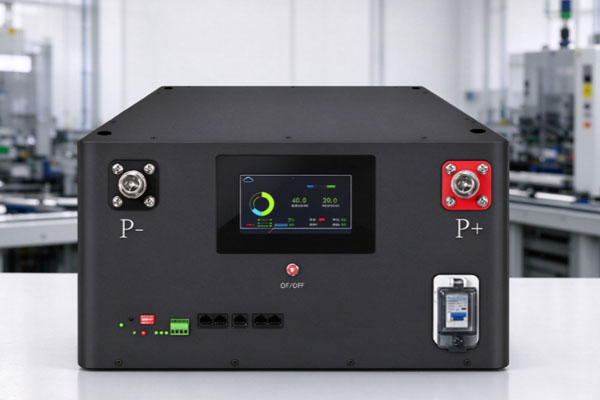
Deligreen offers lithium iron phosphate (LiFePO4) cells, battery packs, BMS accessories, and energy storage system products for residential, commercial, and industrial applications. When selecting a solution, project developers should evaluate battery capacity, operating environment, charging and discharging current, and thermal management requirements to confirm that the selected model provides the necessary protection functions and system configuration.
Conclusion
BMS temperature protection is more than a safety measure against overheating. It also helps improve low-temperature operating performance, slow battery aging, and enhance overall system stability. By configuring appropriate temperature sensors, setting suitable protection thresholds, optimizing cooling and preheating systems, and analyzing operating data such as voltage and current, battery systems can better withstand the effects of extreme temperatures.
For energy storage system integrators, battery manufacturers, and project procurement teams, selecting a BMS with appropriate temperature monitoring and protection functions is essential. Ensuring compatibility with battery cells, inverters, and thermal management systems further supports reliable battery management and long-term system performance.