Lithium titanate batteries are gaining attention in industrial equipment, electric transportation, and energy storage applications due to their fast-charging capabilities, long cycle life, and good low-temperature performance. However, prices can vary significantly between suppliers. Factors such as cell materials, capacity specifications, BMS configuration, customization requirements, and order quantity all influence the final cost. Understanding these factors helps businesses establish reasonable purchasing budgets and select battery solutions that meet their project requirements.

How Core Materials Affect LTO Battery Prices
Cost of Lithium Titanate Anode Materials
LTO batteries use lithium titanate as the anode material. The cost of raw materials, manufacturing processes, and production efficiency all influence cell prices. Material purity, particle structure, and process control can also affect battery performance and consistency.
In addition, changes in raw material availability, energy prices, and manufacturing equipment investment may affect production costs and supplier quotations as market conditions evolve.
Cell Quality and Manufacturing Processes
Battery cell manufacturing involves multiple stages, including material preparation, electrode processing, assembly, formation, and testing. Manufacturers with strict quality control procedures may need to invest more resources in testing to ensure that capacity, internal resistance, and cycle performance meet the required specifications.
Therefore, businesses should evaluate more than the unit price of battery cells. Product consistency, test reports, and expected service life are also important purchasing considerations.
Battery Capacity, Voltage, and Performance Requirements
Capacity and Battery Pack Specifications
The capacity, voltage, and series-parallel configuration of an LTO battery directly affect material consumption and manufacturing costs. Higher-capacity batteries and higher-voltage systems generally require more cells or more complex system designs. However, actual prices depend on the product structure and purchasing arrangement.
Before purchasing, businesses should define the equipment’s rated power, operating time, peak load, and backup duration. This helps prevent unnecessary costs caused by selecting inappropriate specifications.
Charge and Discharge Rates and Cycle Life
Some LTO batteries support high charge and discharge rates, although actual capabilities depend on cell design, temperature conditions, and manufacturing processes. Equipment requiring fast charging or frequent cycling may need specific cell configurations and system designs, which can affect the overall quotation.
Businesses should also evaluate cycle life based on actual operating conditions rather than paying extra for performance features they do not need.
How BMS and Battery Pack Design Affect Costs
BMS Configuration and Features
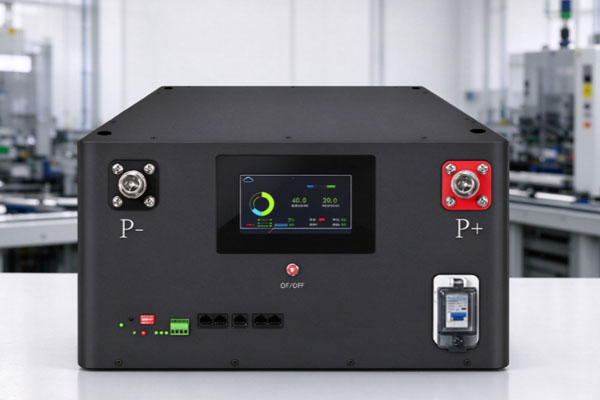
The battery management system (BMS) monitors voltage, current, and temperature while providing essential protection functions. Basic configurations may have different costs from systems that support communication, data logging, remote monitoring, and advanced control functions.
Businesses should select appropriate BMS features according to their equipment requirements, balancing operational safety and overall cost.
Custom Design and Structural Requirements
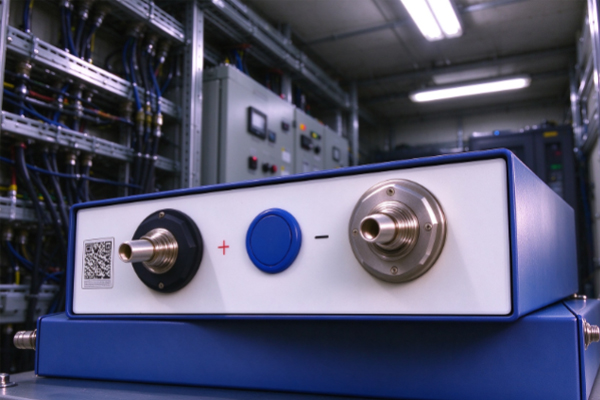
Battery enclosure materials, dimensions, protection ratings, connectors, and thermal management designs can all influence costs. OEM/ODM projects may also involve prototype development, structural engineering, testing, and tooling expenses.
For specialized industrial environments or large-scale applications, buyers should provide installation dimensions, operating temperatures, load characteristics, and interface requirements in advance. This enables suppliers to prepare more accurate quotations.
How Order Quantity and Supplier Services Affect Pricing
Order Volume and Delivery Schedule
Bulk purchasing may reduce certain per-unit manufacturing and packaging costs. However, the actual price advantage depends on order volume, production scheduling, raw material procurement, and customization complexity. Small orders may involve higher prototype development and production setup costs.
Expedited production, special packaging, and international shipping may also increase total project expenses.
Warranty and Technical Support
Warranty coverage, technical assistance, fault analysis, and after-sales services also contribute to the overall value of a battery solution. Buyers should confirm which services are included in the quotation and clarify responsibilities for transportation, repair, and replacement.
How to Control LTO Battery Procurement Costs
When purchasing LTO batteries, businesses should compare product specifications, quality documentation, BMS functions, delivery terms, and total lifecycle costs rather than selecting the lowest quotation alone.
DeliGreen offers battery products and customized solutions. Businesses can contact the company to discuss available product specifications, OEM/ODM customization options, and technical support according to their application requirements.
Overall, LTO battery prices are determined by a combination of material costs, manufacturing processes, performance requirements, system configuration, and purchasing conditions. Clearly defining application requirements and obtaining detailed quotations can help businesses control procurement budgets and select battery solutions that deliver better long-term value.