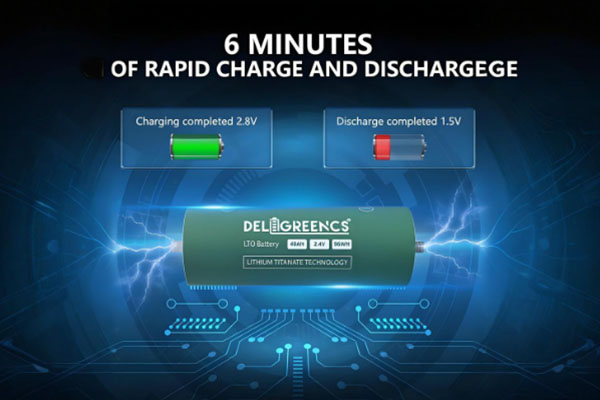
In electric transportation, industrial equipment, energy storage systems, UPS systems, and automated machinery, high power output is an important factor when selecting a battery. When equipment needs to deliver a large amount of power within a short period or undergo frequent high-rate charging and discharging, conventional batteries may experience excessive heat generation, capacity degradation, and reduced cycle life. LTO batteries offer significant advantages in high-power applications thanks to their excellent rate capability, fast charging performance, low internal resistance, and long cycle life.
What Is a High-Power Battery?
High Power Is Different from High Energy
Energy density mainly determines how much electrical energy a battery can store, while power performance determines how much energy the battery can deliver within a given period.For equipment such as electric forklifts, AGVs, electric buses, and industrial robots, high power may be required during startup, acceleration, climbing, or heavy-load operation.Therefore, high-power applications place strict requirements on a battery’s peak discharge capability, rate performance, internal resistance, and thermal management.
Frequent Charging and Discharging Also Tests Battery Performance
Some industrial machines may go through multiple charging and discharging cycles every day. When a battery operates continuously at high rates, internal heat generation and material degradation can become more significant.A battery designed for high-power applications therefore needs to provide not only sufficient output power but also excellent cycling stability and long-term durability.
Why Are LTO Batteries Suitable for High-Power Applications?
Excellent High-Rate Charging and Discharging Performance
LTO batteries use lithium titanate as the anode material and offer excellent ion transport characteristics, allowing them to support relatively high charging and discharging rates.Compared with battery chemistries that focus primarily on maximizing energy density, LTO technology is particularly suitable for applications that require rapid energy delivery.During equipment startup, acceleration, or short periods of high-load operation, LTO batteries can provide stable power output to meet demanding operational requirements.
Low Internal Resistance Helps Reduce Heat Generation
Battery internal resistance affects the amount of heat generated when current passes through the cell. In high-power applications, large currents can flow through the battery. If internal resistance is relatively high, more heat can be generated.Properly designed LTO cells offer good high-current performance, helping reduce energy losses and thermal stress during high-rate operation. When combined with an effective cooling structure and Battery Management System (BMS), the overall stability of the battery system can be further improved.
Fast Charging Improves Equipment Utilization
High-power applications often require not only fast discharge but also rapid energy replenishment. For example, AGVs, industrial vehicles, and certain public transportation systems cannot afford long charging downtime because extended charging periods can reduce operational efficiency.LTO batteries have excellent fast-charging capabilities. When matched with suitable charging equipment and an appropriate battery management system, they can significantly reduce charging time.For equipment that needs short charging intervals and frequent operation, this can translate into higher equipment utilization and productivity.
Why Does the Long Cycle Life of LTO Batteries Matter?
High-Power Operation Does Not Necessarily Mean Rapid Degradation
High-power equipment typically operates with relatively high charging and discharging currents. If the electrode materials cannot withstand repeated electrochemical changes, capacity degradation may accelerate over time.
The LTO anode has a highly stable crystal structure. During lithium-ion insertion and extraction, its volume changes are very small. This helps reduce mechanical stress on the electrode during repeated cycling and is one of the key reasons why LTO batteries can achieve exceptionally long cycle life.
Lower Long-Term Replacement and Maintenance Costs
For equipment operating at high frequency, battery replacement involves more than the cost of purchasing new batteries. It may also result in downtime, labor costs, installation expenses, and additional system maintenance.
The long cycle life of LTO batteries can reduce the frequency of battery replacement. For industrial equipment designed to operate continuously for several years or longer, this can provide significant lifecycle value.
Which High-Power Applications Are Suitable for LTO Batteries?
AGVs and Industrial Vehicles
AGVs, forklifts, and automated logistics vehicles frequently start, accelerate, decelerate, and operate under varying loads. These applications require both high instantaneous power and long cycle life.LTO batteries can provide stable high-rate output while supporting fast charging, making them suitable for high-frequency industrial operations.
Electric Buses and Special-Purpose Vehicles
Electric buses, shuttle vehicles, and certain special-purpose vehicles may require significant power during startup and acceleration.When vehicles need to recharge quickly during short operating intervals, the high-rate performance and fast-charging capability of LTO batteries can provide important advantages.
Industrial Energy Storage and UPS Systems
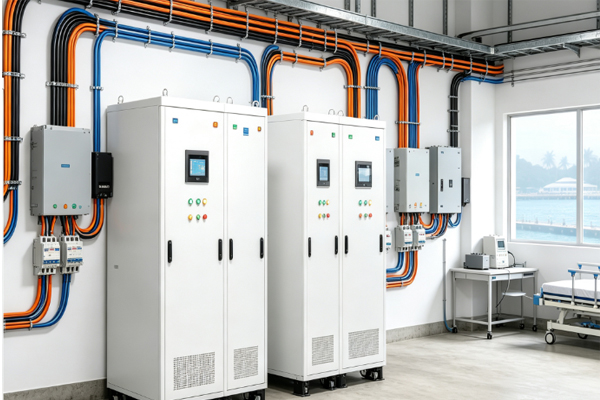
Industrial energy storage systems and UPS equipment may need to deliver substantial power within a short period to respond to sudden load changes or power interruptions.With strong short-term power output capabilities, LTO batteries can meet the requirements of certain high-power backup power and energy storage applications.
Automation Equipment and Robots
Industrial robots, automated machinery, and other dynamic-load equipment can experience frequent changes in power demand.Compared with batteries designed primarily around energy capacity, high-power LTO batteries are better suited to applications requiring rapid power response and frequent charge and discharge cycles.
What Should You Consider When Selecting High-Power LTO Batteries?
Pay Attention to Actual Rate Capability and Continuous Power
When purchasing an LTO battery, it is important not to focus only on peak power. Users should also evaluate continuous discharge rate, peak discharge duration, charging rate, and the actual operating cycle.These parameters provide a more accurate indication of whether the battery can meet the requirements of a specific application.
Consider BMS and Thermal Management
High-power operation involves relatively large currents and can generate significant heat. Therefore, the BMS should provide accurate monitoring of voltage, current, and temperature.At the same time, the battery pack structure, cooling method, electrical connections, and overall system design can all affect the final performance of the LTO battery.
Select the Battery According to the Operating Environment
Operating temperature, load characteristics, charging and discharging frequency, and available installation space can all influence actual battery performance.Only by designing the cells, modules, and battery pack according to the specific power requirements of the equipment can the advantages of LTO technology be fully utilized.
Why Are LTO Batteries an Important Choice for High-Power Applications?
The core advantage of LTO batteries is not a single performance parameter but the combination of high-rate charging and discharging, fast charging, stable high-current output, good low-temperature performance, and exceptionally long cycle life.
For AGVs, industrial vehicles, UPS systems, robots, electric transportation, and high-frequency energy storage applications that require rapid response, high power output, and long-term cycling, LTO batteries can provide stable and reliable energy support.
Although LTO batteries may not be the ideal solution for every application when energy density and initial cost are the primary considerations, they offer significant value for projects that prioritize power performance, charging speed, long cycle life, reliability, and total lifecycle cost.