As energy storage systems, electric transportation, and backup power applications continue to develop, sodium-ion batteries are being used in an increasing number of practical applications. When selecting a sodium-ion battery, however, looking only at the purchase price is not enough. Three key specifications deserve particular attention: capacity, voltage, and cycle life.Different sodium-ion battery products can have significant differences in these specifications. Some offer higher capacity, while others provide better voltage compatibility or longer cycle life. So, which specification matters most? In reality, there is no single answer for every application. The right choice depends on the requirements of the equipment and the actual operating conditions.
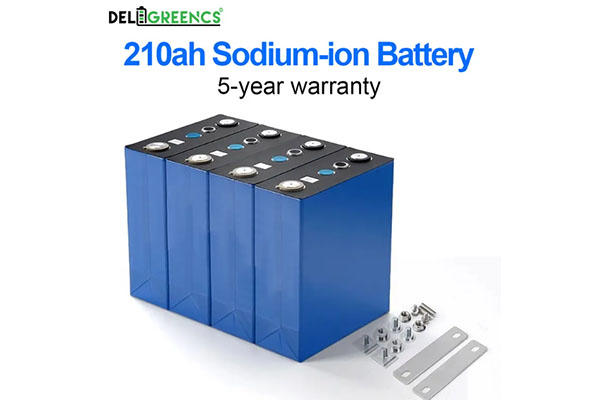
What Does Sodium-Ion Battery Capacity Determine?
Battery Capacity Is Related to Operating Time
Battery capacity is generally measured in Ah. It indicates how much electrical charge a battery can store and deliver. When the voltage is the same, a battery with higher capacity can theoretically provide more stored energy.
For applications such as electric vehicles and backup power systems, a larger battery capacity generally means longer operating time. Therefore, capacity is an important selection factor for electric tricycles, low-speed electric vehicles, energy storage systems, and other applications that require extended operation.
However, Ah alone cannot determine the actual amount of energy stored in a battery. The rated voltage must also be considered when calculating total battery energy.
Higher Capacity Is Not Always Better
A larger battery capacity usually means greater weight, larger dimensions, and higher cost. If the equipment has strict requirements for installation space or total weight, simply choosing the largest available battery may reduce overall system efficiency.
When selecting a sodium-ion battery, it is better to determine the required capacity according to equipment power, daily operating time, and target runtime rather than simply pursuing the highest Ah rating.
Why Is Battery Voltage Important?
Voltage Must Match the Equipment
Voltage determines whether a battery can properly connect to and power a particular system. Whether it is used in an energy storage system or an electric vehicle, the battery’s rated voltage must be compatible with the system design.If the battery voltage does not match the equipment’s operating range, even excellent capacity and cycle life will not make the battery suitable for the application. Therefore, voltage compatibility is often the most basic requirement when selecting a battery.
Operating Voltage Affects System Performance
Battery voltage does not remain completely constant during charging and discharging. Different battery chemistries and cell structures have different operating voltage ranges.For motors, inverters, controllers, and energy storage equipment, maintaining an appropriate voltage range helps ensure stable system operation. When selecting a sodium-ion battery, it is therefore important to check the rated voltage, charging voltage, and discharge cutoff voltage.
Cycle Life Determines How Long the Battery Can Be Used
What Is Battery Cycle Life?
Cycle life refers to the number of charge and discharge cycles a battery can complete before its capacity falls to a specified level.For example, a battery with slower capacity degradation can maintain useful performance for a longer period. Cycle life is particularly important for energy storage systems, electric vehicles, and backup power applications that require frequent charging and discharging.
Longer Cycle Life Can Reduce Long-Term Costs
Battery selection should not be based solely on the initial purchase price. A lower-cost battery may require earlier replacement if its capacity declines rapidly during operation.A sodium-ion battery with a longer cycle life may provide greater long-term value by reducing replacement frequency and lowering additional maintenance and downtime costs.
Which Is More Important: Capacity, Voltage, or Cycle Life?
Voltage: Make Sure the Battery Is Compatible First
From a practical purchasing perspective, voltage compatibility should be considered first.The battery must meet the equipment’s rated voltage and operating range to ensure normal operation. If the voltage is unsuitable, high capacity and long cycle life cannot compensate for the mismatch.
Capacity: Determine It According to Actual Requirements
Once voltage compatibility has been confirmed, the required battery capacity can be determined.For long-duration energy storage or applications requiring extended driving range, a higher-capacity battery may be appropriate. For equipment with relatively short operating periods, there is usually no need to select excessive capacity simply at the expense of additional weight and cost.
Cycle Life: A Key Indicator of Long-Term Value
After the voltage and capacity meet the application requirements, cycle life becomes an important indicator of long-term battery value.For applications involving frequent charging and discharging, cycle life has a direct impact on service life and the total cost of ownership.
How Should Sodium-Ion Batteries Be Selected for Different Applications?
Energy Storage Systems
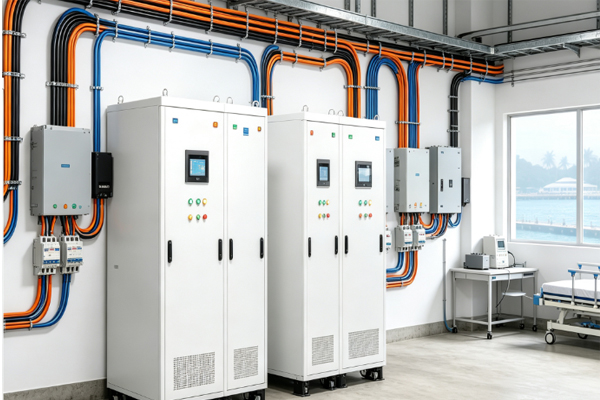
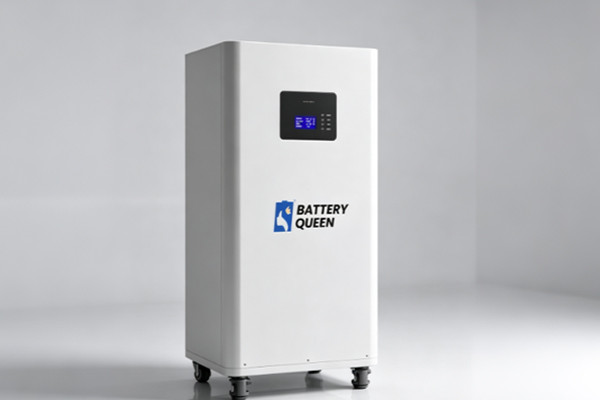
Residential energy storage, solar energy storage, and backup power systems often require batteries to operate for extended periods. Capacity and cycle life should therefore receive particular attention.At the same time, the battery voltage must be compatible with the inverter and other components in the energy storage system.
Electric Tricycles and Low-Speed Electric Vehicles
For electric transportation, battery capacity directly affects driving range, while voltage must be compatible with the motor and controller.For vehicles that are used frequently every day, cycle life is also an important consideration because repeated charging and discharging can significantly affect long-term battery performance.
Backup Power Systems
Backup power batteries may not be used every day, but reliability is extremely important. In addition to capacity and voltage, buyers should consider long-term storage performance, self-discharge characteristics, and operating temperature range.
Do Not Choose a Sodium-Ion Battery Based on a Single Specification
From a practical application perspective, capacity, voltage, and cycle life cannot be assigned an absolute ranking.Voltage determines whether the battery can be used, capacity determines how long it can operate, and cycle life determines how long the battery can continue to provide useful service.Therefore, when purchasing a sodium-ion battery, it is important to consider the equipment’s rated power, operating time, available installation space, charging and discharging frequency, and budget.Other specifications should also be evaluated, including battery safety, operating temperature range, charge and discharge rate, and the performance of the battery management system.
Capacity, voltage, and cycle life are all important when selecting a sodium-ion battery. For practical projects, the best choice is not necessarily the battery with the highest value in one particular specification. Instead, it should provide a suitable balance between different performance characteristics and actual application requirements.By selecting battery specifications according to the actual application, users can make better use of the advantages of sodium-ion battery technology while achieving greater long-term value and more reliable system performance.