As demand for fast charging, long cycle life, and reliable low-temperature performance continues to grow in new energy vehicles, industrial vehicles, energy storage systems, and outdoor equipment, LTO batteries are attracting increasing attention from businesses and battery buyers.Compared with conventional lithium batteries, LTO batteries offer advantages such as fast charging, high-rate charge and discharge performance, long cycle life, and good low-temperature adaptability. These characteristics make them suitable for applications requiring frequent operation and reliable performance in demanding environments.
However, purchasing LTO batteries is not simply a matter of comparing prices and capacity. Focusing only on the initial quotation can cause buyers to overlook important factors such as battery cell quality, BMS configuration, cycle life, operating temperature, certifications, and customization capabilities. Understanding common purchasing mistakes can help businesses reduce long-term costs and select a more suitable LTO battery supplier.
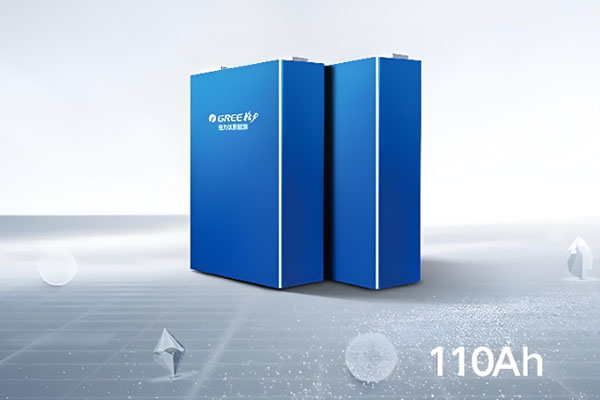
Don’t Choose LTO Batteries Based on Price Alone
A Lower Price Does Not Always Mean Better Value
The actual purchasing cost of an LTO battery includes more than the battery cells. It may also involve the battery pack structure, BMS, connectors, wiring, enclosure, testing, packaging, and transportation.
If a supplier’s quotation is significantly lower than the market average, buyers should carefully verify the battery cell model, actual capacity, discharge rate, and testing standards instead of selecting a supplier based solely on price.
Consider the Total Battery Lifecycle Cost
LTO batteries are known for their long cycle life. If buyers compare only the initial purchase price while ignoring service life and maintenance costs, they may make the wrong purchasing decision.
For vehicles and industrial equipment that require frequent charging and discharging every day, it is more important to evaluate the cost per cycle, expected service life, and long-term operating stability.
Pay Close Attention to LTO Battery Cell Specifications
Verify Rated Voltage and Capacity
Different LTO battery applications require different voltage and capacity configurations. Before purchasing, buyers should clearly define the equipment’s rated voltage, operating current, peak power requirements, and expected operating time.
A larger battery capacity is not necessarily better. The battery should be selected according to the actual load requirements, available installation space, and operating conditions of the equipment.
Check Actual Discharge Performance
When LTO batteries are used in electric vehicles, logistics vehicles, robots, or industrial equipment, instantaneous power requirements may be significantly higher than those of conventional energy storage applications.
Therefore, buyers should evaluate not only the Ah capacity but also continuous discharge current, peak discharge capability, and battery performance under different temperature conditions.
Don’t Overlook the BMS When Purchasing LTO Batteries
The BMS Affects Battery Safety and Service Life
The Battery Management System monitors important parameters such as voltage, current, temperature, and state of charge. It also provides protection against overcharging, over-discharging, overcurrent, and abnormal temperature conditions.
For customized LTO battery systems, the BMS should not be treated as an optional accessory. It needs to be properly matched with the battery cells, battery pack, charging system, and end-use equipment.
Check Communication Protocol and Compatibility
If an LTO battery needs to communicate with an electric vehicle controller, industrial control system, or energy management system, buyers should confirm the required BMS communication protocol before placing an order.
Depending on the application, communication options may include CAN, RS485, Bluetooth, or other protocols. Deligreen provides OEM and ODM battery services with customizable BMS and communication solutions for different application requirements.
Confirm Low- and High-Temperature Performance
Different Applications Have Different Temperature Requirements
If LTO batteries are intended for electric vehicles in cold climates, outdoor equipment, or low-temperature industrial applications, buyers should pay particular attention to low-temperature charging and discharging performance.Likewise, if equipment operates in hot environments for extended periods, battery cooling, thermal management, and BMS temperature protection should also be considered.
Don’t Rely Only on Laboratory Specifications
Battery specifications provided by a supplier should always be evaluated in relation to the actual application environment.Before purchasing, buyers should define the minimum and maximum operating temperatures of the equipment and ask the supplier to recommend suitable battery cells, battery pack configurations, and thermal management solutions based on actual operating conditions.
Confirm Certifications and Shipping Documents Before Bulk Purchasing
Check Certification Requirements for the Target Market
Different countries and regions may have different requirements for the import, transportation, and use of lithium batteries.Before placing an order, buyers should confirm the applicable certifications and testing documents according to the battery application and destination market.Depending on the specific product and market requirements, relevant documentation may include CE, UN38.3, MSDS, and RoHS. Buyers should confirm the exact documents required for their battery model and destination before shipment.
Never Skip Sample Testing
Before placing a large LTO battery order, it is highly recommended to test samples first.Sample testing can cover battery capacity, charging and discharging efficiency, temperature rise, BMS protection, communication functions, and compatibility with the actual equipment.Only after the sample meets the required specifications should buyers proceed with mass production. This can significantly reduce the risk of specification mismatches, production rework, and large-scale returns.
What Should You Look for in an LTO Battery Supplier?
Choose a Supplier with Customization Capabilities
Different projects may require different battery voltage, capacity, dimensions, connectors, communication protocols, and installation methods.Therefore, suppliers capable of providing OEM and ODM services can be a better choice for businesses with customized battery requirements.Deligreen provides OEM and ODM battery services covering battery cells, battery packs, BMS, and complete battery solutions. Battery systems can be customized according to application requirements such as voltage, capacity, quantity, battery pack design, and communication needs.
Evaluate Quality Control and Technical Support
A reliable supply chain, strict production quality control, outgoing inspection, and technical support can all influence the long-term performance of LTO batteries.Businesses should not only ask whether a supplier can provide batteries. They should also evaluate whether the supplier can provide technical support throughout product selection, sample testing, manufacturing, transportation, and after-sales service.
Why Choose Deligreen as Your LTO Battery Supplier?
For businesses looking for an LTO battery supplier, LTO battery manufacturer, or LTO battery OEM/ODM partner, Deligreen is a supplier worth considering.Deligreen offers LTO battery solutions designed for applications that require fast charging, long cycle life, high-rate performance, and reliable operation. The company also provides customized battery services covering battery cells, battery packs, BMS, connectors, and other system components.For businesses with specific project requirements, battery parameters can be customized according to application scenarios, voltage, capacity, communication requirements, battery pack structure, and other technical specifications.
Rather than simply comparing supplier quotations, companies planning to purchase LTO batteries should evaluate suppliers based on battery cell quality, actual performance, BMS configuration, certifications, customization capabilities, production capacity, delivery reliability, and after-sales support.
Conclusion
The most common mistakes when purchasing LTO batteries are focusing only on price, capacity, or advertised specifications. A suitable LTO battery should be selected according to the equipment’s power requirements, operating temperature, charging method, installation space, and usage frequency.
By carefully evaluating battery cell specifications, BMS configuration, low-temperature performance, certifications, sample testing, and supplier capabilities, businesses can significantly reduce purchasing risks.
If you are looking for a reliable LTO battery supplier for new energy vehicles, logistics vehicles, industrial equipment, outdoor applications, or other high-frequency charge and discharge applications, Deligreen can be considered as a professional partner for LTO batteries and customized OEM/ODM battery solutions.