As sodium-ion battery technology continues to expand into energy storage, electric vehicles, outdoor power systems, and low-temperature applications, more businesses are looking for customized battery solutions instead of standard battery products. OEM/ODM sodium-ion battery customization involves much more than simply selecting a battery capacity. Voltage, capacity, cell type, discharge performance, BMS, dimensions, connectors, certifications, and application requirements all need to be considered. A well-designed solution can help achieve a better balance between performance, cost, reliability, and application requirements.
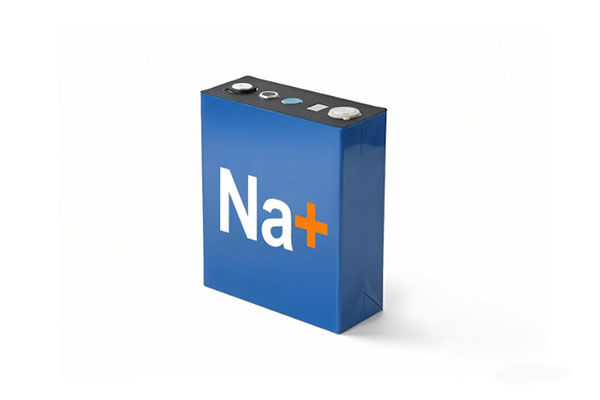
Determine Voltage and Capacity First
Battery Rated Voltage
Voltage is one of the basic parameters when designing an OEM/ODM sodium-ion battery. It must be compatible with the power system of the target device. Different applications may require different voltage platforms, so the battery configuration should be selected according to the equipment requirements.
Before customization, it is important to determine the device’s rated operating voltage, acceptable voltage range, and peak voltage requirements. These parameters will affect the number of cells connected in series and the overall battery pack design.
Battery Capacity and Energy
Battery capacity is generally measured in Ah, while the actual energy storage capacity should also take voltage into account. The basic relationship is:
Battery Energy (Wh) ≈ Voltage (V) × Capacity (Ah)
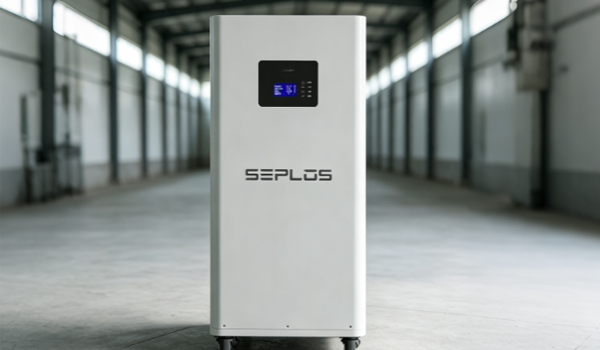
For energy storage systems, RVs, boats, and portable power stations, capacity should be selected according to the equipment’s power consumption and expected operating time rather than simply choosing the largest possible Ah value.
Cell Parameters Determine Basic Battery Performance
Cell Type and Dimensions
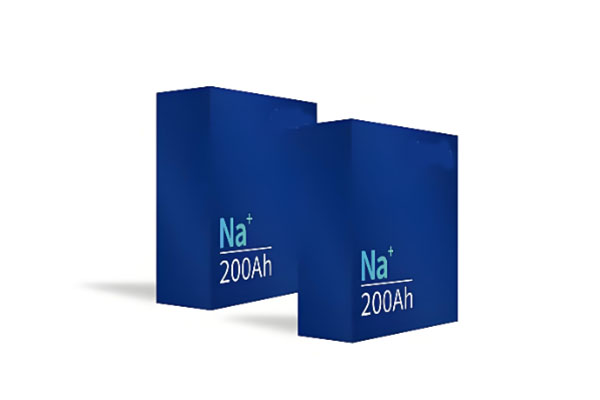
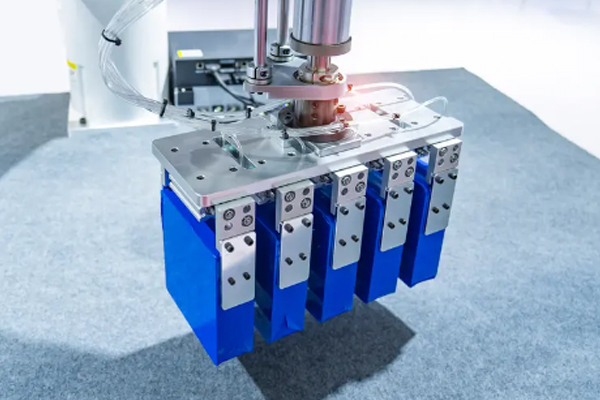
OEM/ODM sodium-ion battery customization requires selecting a suitable cell structure, such as prismatic cells or other cell formats based on the project requirements. Cell dimensions directly affect the internal arrangement, enclosure size, and installation method of the battery pack.
Charging and Discharging Performance
In addition to capacity, manufacturers need to consider maximum continuous discharge current, peak discharge current, charging current, and charge/discharge rates. For electric vehicles, robots, and other power applications, continuous output capability and short-term peak power requirements are particularly important.
Operating Temperature
The application environment can significantly influence the battery design. For outdoor equipment, energy storage systems in cold regions, and vehicles, the required minimum and maximum operating temperatures should be specified in advance. The cells, BMS, and thermal management design can then be selected according to the actual environment.
BMS Is an Important Part of OEM/ODM Customization
Basic Protection Functions
The Battery Management System (BMS) needs to match the battery’s series-parallel configuration and provide essential protection functions, including overcharge, over-discharge, overcurrent, short circuit, and temperature protection. A properly configured BMS helps improve battery safety, stability, and operational reliability.
Communication Protocols
If the sodium-ion battery needs to communicate with an inverter, charger, or equipment control system, the communication requirements should be defined during the customization stage. Depending on the application, communication options may include CAN, RS485, Bluetooth, or other protocols.
Battery Data Monitoring
For energy storage systems and smart equipment, customers may also require monitoring of operating data such as voltage, current, temperature, and State of Charge (SOC). These functions can make battery management, maintenance, and troubleshooting more convenient.
Dimensions and Connection Methods Should Not Be Overlooked
Battery Pack Dimensions
OEM/ODM battery packs are often designed according to the available installation space inside the target equipment. Length, width, and height all need to be considered. The design should also leave sufficient space for cells, the BMS, wiring, and heat dissipation.
Connectors and Cables
Connector specifications, positive and negative terminal positions, cable length, and terminal types should be confirmed during the prototype development stage. A suitable connection design can improve compatibility with the final equipment and simplify installation and maintenance.
Enclosure and Protection Rating
For outdoor equipment, boats, RVs, and industrial applications, the battery enclosure may need to meet specific requirements for dust resistance, water resistance, impact resistance, and environmental protection. The required protection level should be determined according to the actual operating environment.
Certification and Transportation Requirements Should Be Confirmed Early
Different countries and application markets may have different requirements for battery certification, transportation, testing, and documentation. Therefore, compliance requirements should be considered before mass production rather than after the product has already been manufactured.
When customizing sodium-ion batteries, businesses should clarify the target market, transportation method, and required testing documents in advance. Depending on the specific product and destination market, OEM/ODM suppliers may provide support for documents and certifications such as UN38.3, MSDS, CE, and RoHS.
Define Branding Requirements for OEM/ODM Sodium-Ion Batteries
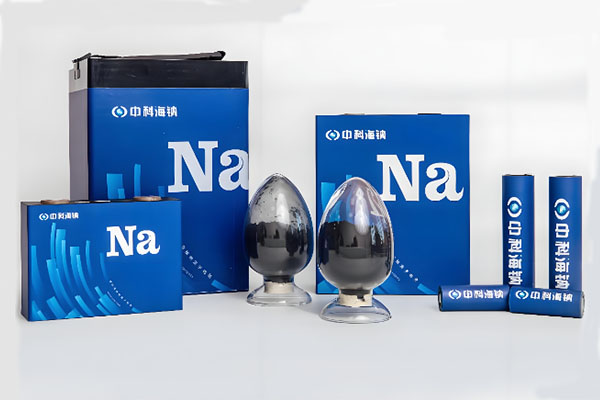
For companies planning to sell customized batteries under their own brand, branding requirements should also be confirmed in advance. These may include logos, product labels, packaging, user manuals, and battery appearance.
OEM/ODM services can cover more than the battery itself. A complete customization project may include cell selection, battery pack design, BMS configuration, enclosure design, logo printing, packaging, sample testing, and mass production.
A professional sodium-ion battery supplier can work with customers from initial requirements and solution design through prototype testing, specification confirmation, production, and delivery. This integrated approach can help streamline the development process and improve production efficiency.
What Information Should Be Prepared Before Customizing a Sodium-Ion Battery?
When requesting a quotation or customization solution from a sodium-ion battery OEM/ODM supplier, businesses should prepare the following information:
- Target application and equipment type
- Rated voltage and operating voltage range
- Required battery capacity and energy
- Maximum continuous discharge current
- Peak power requirements
- Battery pack size limitations
- Operating temperature range
- BMS and communication protocol requirements
- Connector and cable specifications
- Enclosure and protection requirements
- Estimated order quantity
- Target market and certification requirements
- Logo, packaging, and private-label requirements
The more complete the technical information, the easier it is for the supplier to select suitable cells, design the battery pack, configure the BMS, and calculate the overall project cost.
OEM/ODM sodium-ion battery customization is not simply about changing battery capacity. It requires a comprehensive approach covering cell selection, voltage, capacity, power output, BMS, dimensions, connection methods, operating conditions, certifications, and branding requirements.For businesses, clearly defining the application scenario and technical specifications is an important step toward developing an efficient customized battery solution. Working with an OEM/ODM supplier that can provide integrated support for cells, BMS, battery pack design, enclosure customization, branding, packaging, and relevant documentation can also help shorten product development cycles and improve mass production efficiency.