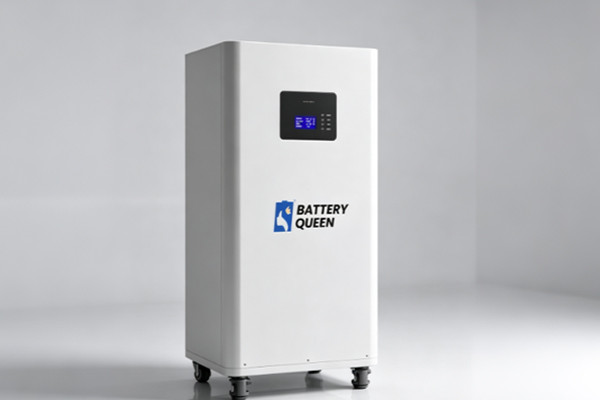
As peak and off-peak electricity pricing becomes more widely adopted, businesses are paying increasing attention to electricity costs, power reliability, and renewable energy utilization. Commercial and industrial energy storage is evolving beyond backup power and is now widely used for peak shaving, load management, solar energy storage, and power supply optimization. As the core component of an energy storage system, the battery directly affects project economics, safety, cycle performance, and environmental adaptability.
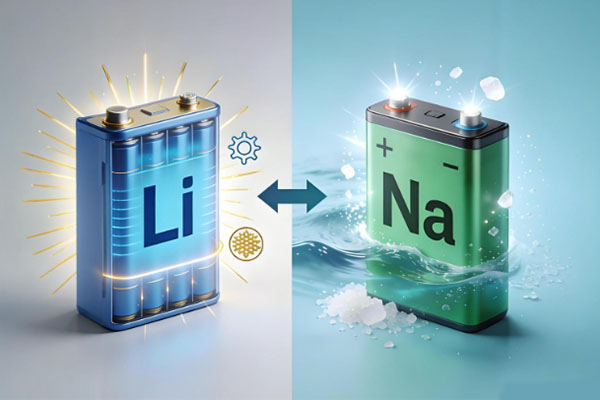
Sodium-ion batteries use sodium ions to move between the positive and negative electrodes during charging and discharging. Compared with conventional lithium-ion batteries, sodium-ion technology offers several potential advantages in terms of resource availability, low-temperature performance, and application flexibility. As the technology continues to develop, sodium-ion batteries are becoming an increasingly attractive option for stationary energy storage applications.
Why Are Sodium-Ion Batteries Suitable for Commercial and Industrial Energy Storage?
Abundant Sodium Resources and Supply Chain Potential
Sodium is one of the most abundant elements found in nature, with relatively broad sources of raw materials. Compared with lithium-based battery systems, sodium-ion batteries can reduce dependence on lithium resources and potentially improve supply chain diversification.
For commercial and industrial energy storage projects, batteries are expected to operate for many years. Therefore, the stability and diversity of the battery material supply chain are important considerations when selecting an energy storage technology.
Excellent Low-Temperature Performance
Commercial and industrial energy storage systems may be installed in factories, warehouses, outdoor cabinets, charging stations, and other environments. In cold climates, insufficient low-temperature performance can affect battery capacity, charging efficiency, and overall system operation.
Sodium-ion batteries have attracted attention for their relatively strong low-temperature performance. Some advanced sodium-ion battery technologies are designed to maintain stable operation under extremely cold conditions.
This makes sodium-ion batteries particularly promising for industrial facilities, outdoor energy storage systems, logistics centers, and other projects where reliable operation across different temperature conditions is important.
Potential to Reduce Long-Term Energy Storage Costs
The economics of commercial and industrial energy storage should not be evaluated solely based on the initial battery purchase price. Cycle life, round-trip efficiency, maintenance requirements, operating conditions, and total lifecycle cost should also be considered.
Sodium-ion battery technology has the potential to reduce material costs as manufacturing processes improve and production scales up. For energy storage systems that require frequent charging and discharging, comparing the total cost per kWh over the battery’s service life can provide a more accurate basis for technology selection.
Suitable for Peak Shaving and Load Management
Electricity consumption in commercial and industrial facilities often varies significantly throughout the day. An energy storage system can charge during periods of lower electricity prices and discharge when electricity demand and prices are higher.
Sodium-ion batteries can be integrated into commercial and industrial energy storage systems for applications such as:
- Peak Shaving and Valley Filling:Energy can be stored during low-price periods and released during high-price periods, helping businesses reduce electricity costs and optimize energy consumption.
- Demand Management:When a facility experiences short-term peaks in electricity demand, the energy storage system can discharge power to reduce the amount of electricity drawn from the grid.
- Solar-Plus-Storage Applications:When combined with distributed solar PV, sodium-ion batteries can store excess solar power generated during the daytime and release it when electricity demand increases. This can improve the self-consumption rate of solar energy and reduce reliance on grid electricity.
Safety and Environmental Adaptability of Sodium-Ion Batteries
Suitable for a Wide Range of Energy Storage Applications
Commercial and industrial energy storage systems are often installed near factories, warehouses, commercial buildings, and other facilities. Safety is therefore a critical factor in system design and battery selection.
However, it is important not to assume that all sodium-ion batteries are automatically safer than all lithium-ion batteries. Actual battery safety depends on the specific cell chemistry, electrode materials, electrolyte, battery structure, BMS, thermal management, and system-level safety design.
When purchasing a sodium-ion energy storage system, businesses should pay attention to cell quality, BMS protection, thermal management, fire protection systems, safety certifications, and system-level testing.
Good Adaptability to Challenging Environmental Conditions
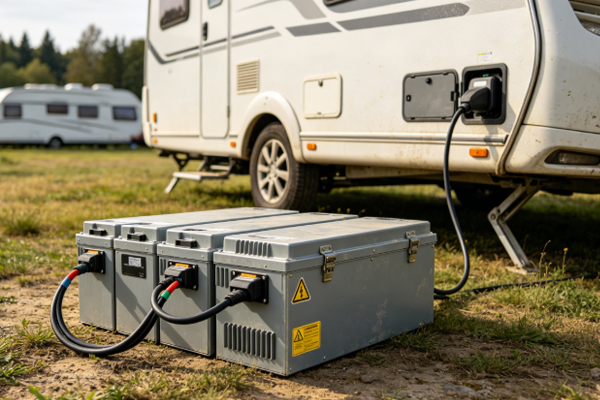
Outdoor energy storage cabinets, industrial facilities, communication sites, and remote energy stations may experience significant temperature fluctuations. The relatively good low-temperature performance of sodium-ion batteries can provide an advantage in cold environments.
This environmental adaptability is one of the characteristics that makes sodium-ion battery technology worth considering for specific commercial and industrial energy storage applications.
Which Commercial and Industrial Energy Storage Applications Are Suitable for Sodium-Ion Batteries?
Sodium-ion batteries are not intended to completely replace lithium iron phosphate (LFP) batteries. Instead, they can provide an alternative solution for applications where their specific characteristics offer advantages.
Industrial Park Energy Storage
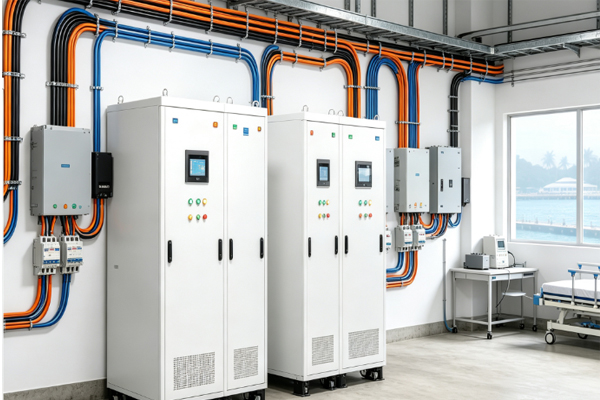
Sodium-ion battery systems can be used for peak shaving, load management, and solar-plus-storage applications in industrial parks, helping businesses optimize their electricity consumption.
Commercial Building Energy Storage
Shopping centers, office buildings, hotels, and other commercial facilities can use energy storage systems to manage electricity consumption from air conditioning, lighting, charging stations, and other high-load equipment.
Outdoor Energy Storage Systems
For regions with cold winters or significant temperature fluctuations, sodium-ion batteries may offer advantages because of their low-temperature performance.
Solar Energy Storage
Sodium-ion batteries can store excess solar power generated during the day and release it during evening hours or periods of high electricity demand, improving solar energy utilization.
How to Choose Sodium-Ion Batteries for Commercial and Industrial Energy Storage?
When purchasing sodium-ion batteries, businesses should look beyond battery capacity and price. Key factors include cell quality, cycle life, charging and discharging rate, operating temperature range, system efficiency, BMS functions, safety design, and after-sales support.
For commercial and industrial energy storage projects, battery capacity and power should be determined according to the facility’s actual load profile. Local electricity tariffs, peak and off-peak periods, energy consumption patterns, and expected return on investment should also be considered.
Sodium-ion battery technology is still developing rapidly, and factors such as energy density, manufacturing scale, supply chain maturity, and cost competitiveness continue to improve. Therefore, the most appropriate battery technology should be selected according to the specific application requirements rather than relying on a single performance indicator.
Sodium-Ion Batteries Are Becoming an Important Option for Commercial and Industrial Energy Storage
Overall, abundant raw materials, supply chain diversification potential, good low-temperature performance, and the potential for continued cost reduction are key advantages driving the development of sodium-ion batteries for commercial and industrial energy storage.
As battery materials, manufacturing processes, and production capacity continue to improve, sodium-ion batteries are expected to become increasingly competitive in selected stationary energy storage applications.
For businesses planning commercial and industrial energy storage projects, the right solution should be selected based on local electricity prices, load characteristics, installation environment, required storage duration, safety requirements, and overall project economics. A properly designed sodium-ion battery energy storage system can provide an effective option for reducing electricity costs, improving energy utilization, and supporting more flexible energy management.As peak and off-peak electricity pricing becomes more widely adopted, businesses are paying increasing attention to electricity costs, power reliability, and renewable energy utilization. Commercial and industrial energy storage is evolving beyond backup power and is now widely used for peak shaving, load management, solar energy storage, and power supply optimization. As the core component of an energy storage system, the battery directly affects project economics, safety, cycle performance, and environmental adaptability.
Sodium-ion batteries use sodium ions to move between the positive and negative electrodes during charging and discharging. Compared with conventional lithium-ion batteries, sodium-ion technology offers several potential advantages in terms of resource availability, low-temperature performance, and application flexibility. As the technology continues to develop, sodium-ion batteries are becoming an increasingly attractive option for stationary energy storage applications.
Why Are Sodium-Ion Batteries Suitable for Commercial and Industrial Energy Storage?
Abundant Sodium Resources and Supply Chain Potential
Sodium is one of the most abundant elements found in nature, with relatively broad sources of raw materials. Compared with lithium-based battery systems, sodium-ion batteries can reduce dependence on lithium resources and potentially improve supply chain diversification.
For commercial and industrial energy storage projects, batteries are expected to operate for many years. Therefore, the stability and diversity of the battery material supply chain are important considerations when selecting an energy storage technology.
Excellent Low-Temperature Performance
Commercial and industrial energy storage systems may be installed in factories, warehouses, outdoor cabinets, charging stations, and other environments. In cold climates, insufficient low-temperature performance can affect battery capacity, charging efficiency, and overall system operation.
Sodium-ion batteries have attracted attention for their relatively strong low-temperature performance. Some advanced sodium-ion battery technologies are designed to maintain stable operation under extremely cold conditions.
This makes sodium-ion batteries particularly promising for industrial facilities, outdoor energy storage systems, logistics centers, and other projects where reliable operation across different temperature conditions is important.
What Are the Advantages of Sodium-Ion Batteries for Commercial and Industrial Energy Storage?
Potential to Reduce Long-Term Energy Storage Costs
The economics of commercial and industrial energy storage should not be evaluated solely based on the initial battery purchase price. Cycle life, round-trip efficiency, maintenance requirements, operating conditions, and total lifecycle cost should also be considered.
Sodium-ion battery technology has the potential to reduce material costs as manufacturing processes improve and production scales up. For energy storage systems that require frequent charging and discharging, comparing the total cost per kWh over the battery’s service life can provide a more accurate basis for technology selection.
Suitable for Peak Shaving and Load Management
Electricity consumption in commercial and industrial facilities often varies significantly throughout the day. An energy storage system can charge during periods of lower electricity prices and discharge when electricity demand and prices are higher.
Sodium-ion batteries can be integrated into commercial and industrial energy storage systems for applications such as:
- Peak Shaving and Valley Filling:Energy can be stored during low-price periods and released during high-price periods, helping businesses reduce electricity costs and optimize energy consumption.
- Demand Management:When a facility experiences short-term peaks in electricity demand, the energy storage system can discharge power to reduce the amount of electricity drawn from the grid.
- Solar-Plus-Storage Applications:When combined with distributed solar PV, sodium-ion batteries can store excess solar power generated during the daytime and release it when electricity demand increases. This can improve the self-consumption rate of solar energy and reduce reliance on grid electricity.
Safety and Environmental Adaptability of Sodium-Ion Batteries
Suitable for a Wide Range of Energy Storage Applications
Commercial and industrial energy storage systems are often installed near factories, warehouses, commercial buildings, and other facilities. Safety is therefore a critical factor in system design and battery selection.
However, it is important not to assume that all sodium-ion batteries are automatically safer than all lithium-ion batteries. Actual battery safety depends on the specific cell chemistry, electrode materials, electrolyte, battery structure, BMS, thermal management, and system-level safety design.
When purchasing a sodium-ion energy storage system, businesses should pay attention to cell quality, BMS protection, thermal management, fire protection systems, safety certifications, and system-level testing.
Good Adaptability to Challenging Environmental Conditions
Outdoor energy storage cabinets, industrial facilities, communication sites, and remote energy stations may experience significant temperature fluctuations. The relatively good low-temperature performance of sodium-ion batteries can provide an advantage in cold environments.
This environmental adaptability is one of the characteristics that makes sodium-ion battery technology worth considering for specific commercial and industrial energy storage applications.
Which Commercial and Industrial Energy Storage Applications Are Suitable for Sodium-Ion Batteries?
Sodium-ion batteries are not intended to completely replace lithium iron phosphate (LFP) batteries. Instead, they can provide an alternative solution for applications where their specific characteristics offer advantages.
Industrial Park Energy Storage
Sodium-ion battery systems can be used for peak shaving, load management, and solar-plus-storage applications in industrial parks, helping businesses optimize their electricity consumption.
Commercial Building Energy Storage
Shopping centers, office buildings, hotels, and other commercial facilities can use energy storage systems to manage electricity consumption from air conditioning, lighting, charging stations, and other high-load equipment.
Outdoor Energy Storage Systems
For regions with cold winters or significant temperature fluctuations, sodium-ion batteries may offer advantages because of their low-temperature performance.
Solar Energy Storage
Sodium-ion batteries can store excess solar power generated during the day and release it during evening hours or periods of high electricity demand, improving solar energy utilization.
How to Choose Sodium-Ion Batteries for Commercial and Industrial Energy Storage?
When purchasing sodium-ion batteries, businesses should look beyond battery capacity and price. Key factors include cell quality, cycle life, charging and discharging rate, operating temperature range, system efficiency, BMS functions, safety design, and after-sales support.
For commercial and industrial energy storage projects, battery capacity and power should be determined according to the facility’s actual load profile. Local electricity tariffs, peak and off-peak periods, energy consumption patterns, and expected return on investment should also be considered.
Sodium-ion battery technology is still developing rapidly, and factors such as energy density, manufacturing scale, supply chain maturity, and cost competitiveness continue to improve. Therefore, the most appropriate battery technology should be selected according to the specific application requirements rather than relying on a single performance indicator.
Sodium-Ion Batteries Are Becoming an Important Option for Commercial and Industrial Energy Storage
Overall, abundant raw materials, supply chain diversification potential, good low-temperature performance, and the potential for continued cost reduction are key advantages driving the development of sodium-ion batteries for commercial and industrial energy storage.
As battery materials, manufacturing processes, and production capacity continue to improve, sodium-ion batteries are expected to become increasingly competitive in selected stationary energy storage applications.
For businesses planning commercial and industrial energy storage projects, the right solution should be selected based on local electricity prices, load characteristics, installation environment, required storage duration, safety requirements, and overall project economics. A properly designed sodium-ion battery energy storage system can provide an effective option for reducing electricity costs, improving energy utilization, and supporting more flexible energy management.