| Category | Battery Comparison |
| SEO Title | LiFePO4 vs Lead-Acid Batteries for Backup and Energy Storage |
| Meta Description | Compare LiFePO4 and lead-acid batteries for backup, solar, mobility, and energy storage. Learn what to compare before choosing a battery system. |
| Suggested URL Slug | /lifepo4-vs-lead-acid-batteries/ |
| Primary Keywords | LiFePO4 vs lead acid, LiFePO4 battery, lithium battery, home energy storage, backup battery, battery replacement |
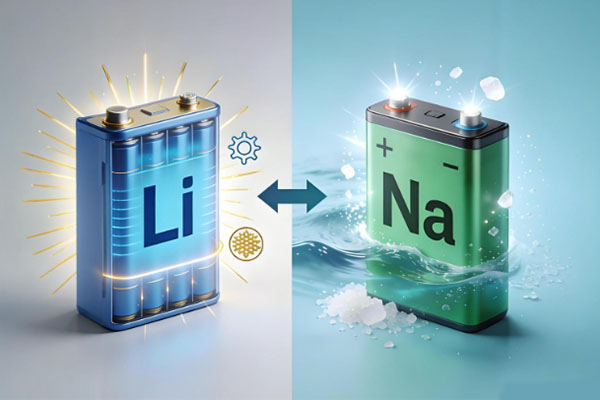
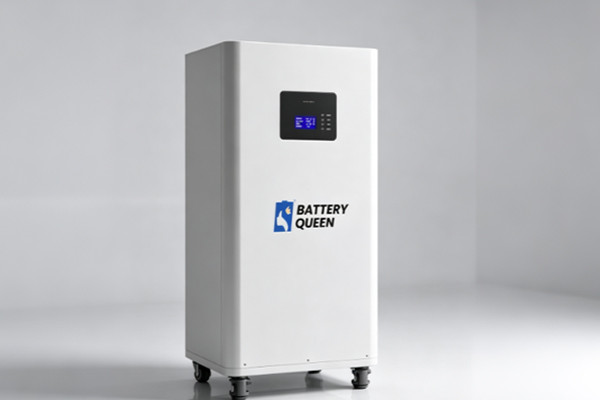
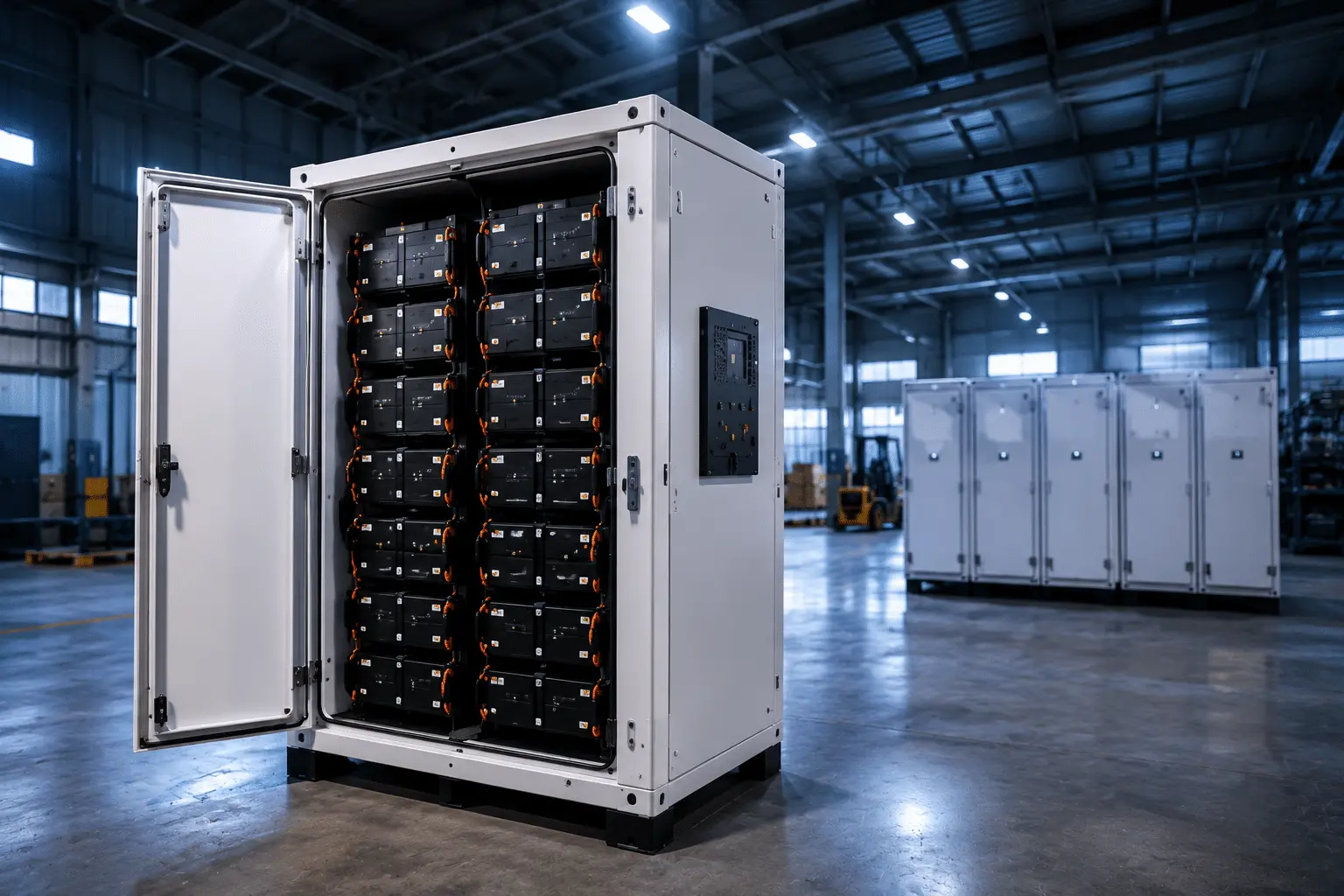
| Suggested Featured Image | Side-by-side comparison visual of LiFePO4 and lead-acid battery formats with categories for weight, maintenance, charging, cycle use, and installation. |
LiFePO4 and lead-acid batteries are both used in backup power, solar, mobility, marine, telecom, and other applications. Buyers often compare them when replacing an existing battery system or planning a new installation.
The best choice is not determined by chemistry alone. You should compare system voltage, energy requirement, current demand, charging equipment, space, maintenance expectations, operating conditions, budget, and compatibility with the rest of the installation.
Why This Comparison Matters
Lead-acid batteries are familiar in many established applications, while LiFePO4 battery packs are increasingly considered for systems that need rechargeable lithium storage. When planning a replacement or upgrade, it is important to compare the complete system rather than only the battery case size or nameplate voltage.
A battery change can affect charger settings, wiring, protection, monitoring, mounting, operating procedure, and the expected behavior of connected equipment. Review the actual installation before selecting a replacement product.
Compare Usable Energy and Application Fit
Compare the energy target, not only the headline Ah number. Ah needs to be considered with voltage, and usable energy depends on product design and operating conditions. For backup or solar projects, think about the loads you want to support and the duration required.
Application fit matters as well. A battery for a small standby load may not need the same current capability, communication, enclosure, or expansion options as a 48V home energy storage battery or a commercial system.
Compare Charging and System Compatibility
Before replacing a battery, check the charger, inverter, solar controller, monitoring equipment, and protection components. Lithium battery packs may have model-specific charging and communication requirements. A charger that worked with a previous battery type may not automatically be appropriate for a different battery configuration.
Ask for the product manual and confirm voltage range, charge current, temperature guidance, communication needs, and approved system compatibility. This is especially important for home energy storage, telecom backup, and any system with multiple batteries.
Compare Installation, Space, and Maintenance Expectations
Physical size, mounting approach, cable layout, terminals, weight handling, ventilation, and service access can all affect the final choice. Do not assume that a same-voltage replacement will fit or operate identically without checking dimensions and connection details.
Maintenance expectations also differ by product type and application. Read the instructions for storage, inspection, charging, and operation. Plan for safe access and follow the applicable installation requirements for the site.
How to Make a Better Replacement Decision
Start with your current system details: existing battery voltage, battery count, inverter or charger model, load profile, operating environment, and available space. Then identify the target outcome: longer backup, reduced maintenance, solar storage, higher power capability, or a modular expansion path.
Share this information with the supplier. A useful request should include photos or a system diagram where possible, target capacity, quantity, shipping destination, and whether you are replacing an existing system or designing a new one.
| Suggested internal links: LiFePO4 Cells | Battery Packs | 48V LiFePO4 Batteries | DIY Battery Boxes | BMS & Accessories | Home Energy Storage Solutions |
Frequently Asked Questions
Can I replace a lead-acid battery with a LiFePO4 battery?
Possibly, but confirm the full system: voltage, charger, inverter, current demand, wiring, protection, physical dimensions, and product-specific instructions.
Are LiFePO4 batteries suitable for solar storage?
Many solar and energy-storage systems use LiFePO4 batteries. The correct choice depends on compatible equipment, target energy, installation design, and actual product documentation.
Should I compare batteries by Ah only?
No. Compare voltage, energy in Wh or kWh, current capability, system compatibility, physical fit, and the actual use case.
| Call to Action: Planning a lead-acid to LiFePO4 upgrade or a new backup system? Send your existing voltage, equipment model, load, required runtime, quantity, and destination country for guidance. |