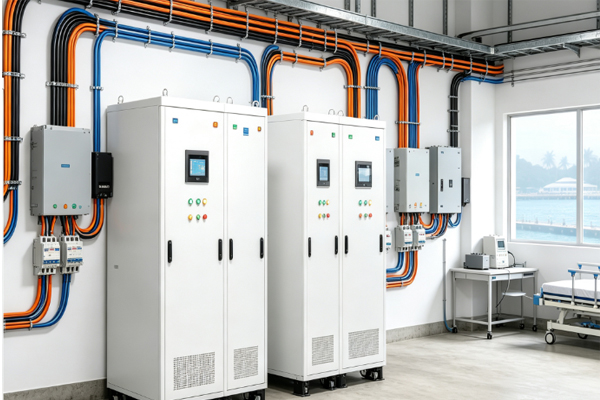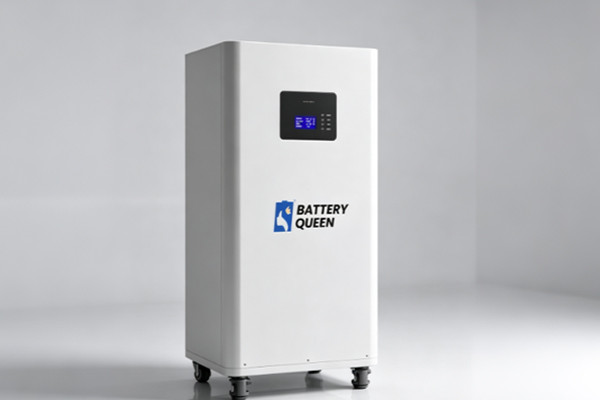
C&I (Commercial and Industrial) battery energy storage systems are widely used in factories, commercial buildings, logistics parks, data centers, office complexes, charging stations, and other applications. By storing and releasing electricity, these systems can help businesses optimize energy consumption and reduce electricity costs. As time-of-use electricity pricing, solar power generation, and energy management continue to develop, more businesses are installing lithium iron phosphate battery energy storage systems. For companies planning an energy storage project, maintenance cost is an important consideration in addition to battery capacity, system price, and expected energy savings.
Many businesses are concerned that C&I energy storage systems contain batteries, PCS, BMS, EMS, thermal management equipment, fire protection equipment, and other components, which may result in high maintenance costs over the long term. In practice, when a reliable lithium iron phosphate battery system is combined with a suitable battery management system and intelligent monitoring platform, daily maintenance is generally manageable. Proper system design, appropriate operating strategies, and scheduled inspections can help control maintenance expenses while extending equipment service life.
Why Lithium Iron Phosphate Batteries Help Control Maintenance Costs
The maintenance cost of a C&I energy storage system depends on battery chemistry, operating frequency, working environment, and overall system design. Lithium iron phosphate batteries use mature LFP technology and offer good thermal stability and cycle performance, making them suitable for commercial and industrial applications that require frequent daily charging and discharging. For long-term energy storage projects, battery durability has a direct impact on replacement and maintenance expenses.
Compared with traditional lead-acid batteries, lithium iron phosphate batteries generally provide higher energy density and longer cycle life. When operated within appropriate charging, discharging, depth-of-discharge, and temperature conditions, they can maintain relatively stable performance over an extended period.
A C&I energy storage system is not simply a battery bank that operates independently. The BMS continuously monitors battery voltage, temperature, current, SOC, and other parameters. When abnormal conditions occur, the system can issue alarms and activate appropriate protection measures. This allows maintenance personnel to identify potential problems at an early stage.
LFP energy storage systems can also adopt modular designs. If an individual battery module develops an abnormal condition, maintenance personnel can use system monitoring data to identify the affected area instead of dismantling the entire battery system. Modular architecture can shorten maintenance time and help reduce labor costs.
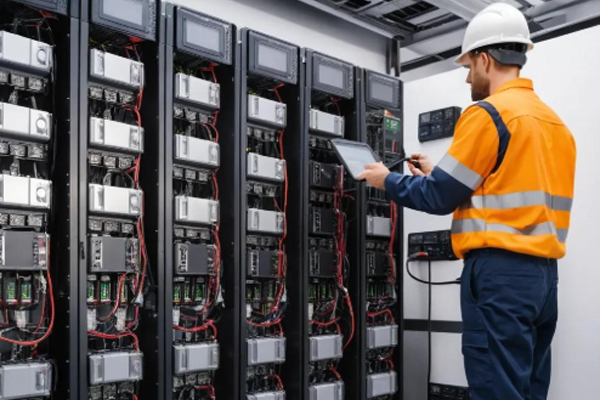
Under normal operating conditions, routine maintenance for a C&I energy storage system mainly involves operational monitoring, electrical connection inspections, thermal management checks, and safety equipment inspections rather than frequent battery replacement. With proper battery selection and system configuration, maintenance can be standardized and managed efficiently.
What Maintenance Does a C&I Energy Storage System Require?
Although modern C&I energy storage systems provide a high level of automation, regular maintenance is still necessary during long-term operation. Businesses can establish maintenance schedules according to the manufacturer’s recommendations and adjust inspection frequency based on actual operating conditions. Energy storage systems installed in high-temperature, high-humidity, or dusty environments generally require additional attention to ventilation, temperature control, and equipment cleanliness.
Routine maintenance is mainly based on data monitoring and equipment condition checks. Through an EMS or energy storage monitoring platform, maintenance personnel can view battery SOC, charging and discharging power, system operating status, and historical alarms. If abnormal temperature, battery voltage differences, or communication faults are detected, technicians can investigate the issue before it develops into a more serious problem.
Common Maintenance Tasks
- Battery condition checks: Monitor battery SOC, SOH, voltage, temperature, and cell consistency.
- BMS inspection: Confirm that the battery management system communicates correctly and review alarms and protection events.
- PCS inspection: Check the operating status, power output, and alarm information of the power conversion system.
- Thermal management inspection: Confirm that air-conditioning, air-cooling, or liquid-cooling equipment is operating correctly.
- Electrical connection inspection: Check cables, terminals, busbars, and electrical components for looseness or abnormal heating.
- Fire protection inspection: Verify that fire detection, alarms, and related safety equipment are functioning properly.
- Environmental inspection: Keep the area around the battery cabinet clean and well ventilated, while preventing dust, water accumulation, and other contaminants from affecting the equipment.
Most of these tasks are preventive maintenance activities designed to identify potential problems before they cause system downtime. A consistent inspection schedule can help maintain stable energy storage performance while reducing unnecessary repair expenses.
What Factors Affect C&I Energy Storage Maintenance Costs?
The maintenance cost of a C&I energy storage system is not a fixed figure. It depends on project size, equipment quality, installation environment, operating strategy, and service life. Larger systems normally contain more battery modules, PCS units, and auxiliary equipment, which can increase the workload for inspections. However, large systems are often equipped with advanced monitoring platforms that allow remote data management and reduce the need for manual inspections.
The installation environment also has a significant impact on maintenance requirements. When an energy storage system is installed in a clean and well-ventilated indoor environment, it is less exposed to dust and humidity, which can reduce maintenance pressure. Systems installed in environments with high temperatures, humidity, salt spray, or heavy dust may require more frequent inspections of thermal management, cabinet sealing, and equipment cleanliness.
Charging and discharging strategies can also affect battery degradation. Excessive depth of discharge, prolonged operation at extreme SOC levels, or high-power charging and discharging under unsuitable temperature conditions may accelerate battery degradation. Using an EMS to establish appropriate operating strategies can help improve battery operating conditions and reduce unnecessary degradation.
Equipment quality and manufacturer reliability are also important. Battery cells with good consistency, a well-designed BMS, and stable PCS equipment can make long-term monitoring and troubleshooting easier. When purchasing a C&I energy storage system, businesses should not compare only the initial price. Cycle life, warranty period, after-sales response, spare parts availability, and remote monitoring capabilities should also be considered.
From a lifecycle cost perspective, reasonable preventive maintenance can provide greater value by keeping the system stable. Although regular inspections create certain labor and testing expenses, these costs can be much lower than the potential expenses associated with major equipment failures, emergency repairs, and unexpected downtime.
How to Reduce Long-Term C&I Energy Storage Maintenance Costs
Reducing maintenance costs does not mean eliminating necessary inspections. Instead, businesses can reduce unnecessary maintenance through reliable equipment, appropriate system configuration, and intelligent operation and maintenance strategies. When purchasing a C&I energy storage system, companies can select lithium iron phosphate batteries with long cycle life, a reliable BMS, and remote monitoring capabilities. Stable equipment generally requires fewer emergency repairs during long-term operation.
After installation, businesses should establish a structured operation and maintenance plan covering daily monitoring, routine inspections, periodic inspections, and annual comprehensive checks. For large energy storage projects, cloud-based monitoring platforms can also be used for remote operation and maintenance. Technicians can monitor battery conditions and historical operating data and respond quickly when abnormal alarms occur.
Practical Ways to Reduce Maintenance Expenses
- Choose high-quality LFP batteries: Reliable cells and consistent manufacturing quality can help reduce early-stage failures.
- Optimize charging and discharging strategies: Schedule operation according to electricity demand and time-of-use rates while avoiding unnecessary deep cycling.
- Maintain appropriate battery temperature: Effective thermal management can help maintain battery performance and reduce thermal stress.
- Use an intelligent BMS: Real-time monitoring can identify battery abnormalities early and reduce the risk of larger failures.
- Establish regular inspection procedures: Early detection of loose cables, abnormal temperatures, communication faults, and other issues can reduce repair costs.
- Maintain a suitable installation environment: Controlling dust, humidity, and excessive heat can reduce stress on energy storage equipment.
- Choose reliable after-sales service: Remote diagnostics, technical support, and spare parts availability can shorten repair times and reduce downtime.
These measures can shift energy storage maintenance from reactive repair to preventive operation and maintenance. This approach can help control maintenance expenses, reduce unexpected downtime, and support more stable system performance over the long term.
Is the Maintenance Cost of a C&I LFP Energy Storage System Worth Controlling?
A C&I battery energy storage system does not necessarily require high daily maintenance expenses. With lithium iron phosphate batteries, good cycle performance, thermal stability, and mature BMS technology can support long-term commercial and industrial energy storage applications. Routine maintenance generally focuses on operating data monitoring, equipment inspections, thermal management, electrical connections, and fire safety rather than frequent complex repairs.
For businesses, long-term maintenance costs are strongly influenced by system design and equipment quality. Selecting an appropriately sized lithium iron phosphate battery system and combining it with reliable PCS, BMS, and EMS equipment can help reduce future maintenance pressure. Effective thermal management and safety protection can further support stable operation. Intelligent monitoring platforms can identify battery and equipment abnormalities early, helping technicians shorten troubleshooting and repair times.
C&I energy storage systems are often used for peak shaving, time-of-use energy management, solar energy storage, backup power, and other applications that require reliable long-term operation. A well-designed maintenance plan can extend equipment service life, reduce the risk of unexpected failures, and improve the overall investment value of the energy storage project.
For businesses planning to install a commercial and industrial energy storage system, lithium iron phosphate batteries are a practical choice for managing long-term maintenance requirements. Their mature technology, reliable cycle performance, and compatibility with intelligent energy management systems make LFP batteries suitable for businesses seeking stable energy storage and controlled operating costs.