LTO batteries are attracting attention in energy storage systems, electric transportation, and industrial equipment due to their long cycle life, fast-charging capabilities, and good low-temperature performance. For businesses and users planning to invest in battery systems, the initial purchase price is only one consideration. Routine maintenance expenses, service life, replacement frequency, and energy efficiency are equally important. So, is LTO battery maintenance expensive? From a long-term perspective, does this technology offer economic advantages?
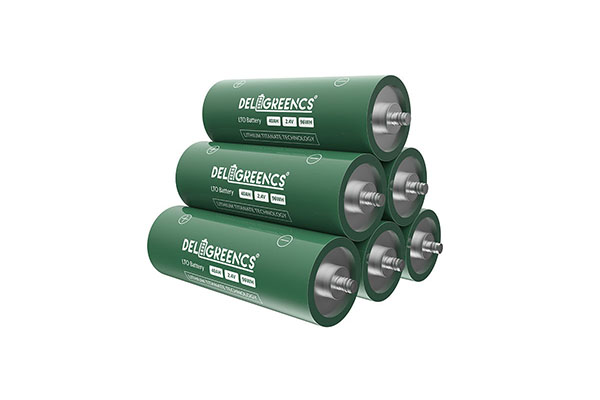
Is Routine LTO Battery Maintenance Expensive?
In general, LTO batteries do not require complicated routine maintenance under normal operating conditions. Their maintenance requirements mainly involve battery management systems, electrical connection inspections, temperature monitoring, and periodic performance testing.
Routine Inspection and Maintenance
LTO batteries generally do not require regular water replenishment like traditional lead-acid batteries, nor do they require routine electrolyte maintenance. Users mainly need to inspect battery terminals, wiring, enclosures, and cooling systems to ensure there are no loose connections, abnormal heating, or physical damage.
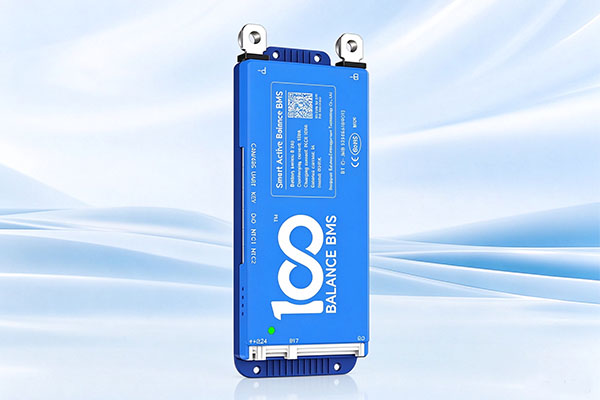
For battery packs, the battery management system (BMS) should also be checked periodically. Monitoring individual cell voltages, temperatures, and charging and discharging currents helps identify potential problems early and reduces the risk of more expensive repairs.
Maintenance Requirements of the Battery Management System
Although LTO batteries offer good safety characteristics and cycle performance, they still require a suitable BMS for protection. The system monitors battery operating conditions and provides protective responses when voltage, temperature, or current exceeds preset limits.
Therefore, LTO battery maintenance costs are not zero. Large-scale energy storage systems and frequently used equipment may still require professional inspections. However, proper system design and a stable operating environment can help reduce unnecessary maintenance expenses.
Key Factors Affecting the Long-Term Cost of LTO Batteries
Evaluating the economic value of LTO batteries requires more than looking at routine maintenance expenses. Battery lifespan, charging efficiency, equipment downtime, and replacement costs should also be considered.
Cycle Life and Replacement Costs
One of the main advantages of LTO batteries is their long cycle life. Depending on cell design, charging and discharging rates, operating temperature, and depth of discharge, some LTO cells can achieve tens of thousands of cycles. Actual performance, however, should be verified against the manufacturer’s test conditions and cycle-life data.
A longer cycle life may reduce the frequency of battery pack replacements, particularly in applications involving frequent charging and discharging. This advantage is especially valuable for industrial equipment, energy storage systems, and commercial vehicles that operate through multiple charge-discharge cycles each day.
Fast Charging and Equipment Operating Efficiency
LTO batteries typically support high-rate charging and discharging. When supported by the cell specifications and system design, they can shorten charging times. For equipment that needs to operate continuously, faster charging can reduce waiting periods and improve equipment utilization.
For example, industrial material-handling equipment and commercial vehicles may be able to recharge during short breaks between operations. This can reduce operating losses caused by extended charging periods. However, actual charging speed depends on cell specifications, charging equipment, temperature, and BMS limitations.
Temperature Management and System Design
LTO batteries generally perform well at low temperatures, but this does not mean that temperature monitoring or thermal management can always be eliminated. Extreme environmental conditions, sustained high-rate operation, and inappropriate charging or discharging strategies can still affect battery performance and service life.
Selecting suitable cells, a compatible BMS, and an appropriate cooling solution during the project planning stage can help control future maintenance expenses and prevent additional costs caused by mismatched system components.
Comparing the Long-Term Economics of LTO Batteries with Other Battery Technologies
LTO Batteries vs. Lead-Acid Batteries
Lead-acid batteries generally have a lower initial purchase price. However, in applications involving frequent use, their shorter cycle life and higher replacement frequency may increase long-term expenses.
Although LTO batteries usually require a higher initial investment, they may reduce total ownership costs in applications involving frequent charging and discharging by lowering replacement frequency and equipment downtime.
LTO Batteries vs. Lithium Iron Phosphate Batteries
Lithium iron phosphate (LiFePO4) batteries generally offer a good balance between cost and performance, making them suitable for a wide range of energy storage and electric equipment applications.
LTO batteries are particularly suitable for applications that prioritize an exceptionally long cycle life, fast charging, or specific low-temperature performance requirements.
Therefore, LTO batteries are not necessarily the lowest-cost option for every project. For applications with low usage frequency or strict budget constraints, other battery technologies may be more suitable. However, when a system must operate frequently over an extended period, the lifecycle economics of LTO batteries deserve closer evaluation.
How to Reduce the Long-Term Maintenance Costs of LTO Batteries
Choose Battery Specifications That Match Application Requirements
Before purchasing a battery system, determine the required operating voltage, capacity, continuous current, peak power, charging time, and ambient temperature range. Avoiding prolonged operation outside the battery’s specified limits can reduce failure risks and help extend service life.
Establish Regular Inspection and Preventive Maintenance Procedures
Develop a maintenance schedule based on equipment operating intensity. Periodically check cell voltage consistency, temperature records, electrical connections, and BMS alarms.
For critical industrial equipment and energy storage projects, maintaining operational records is also important. Historical data can help identify performance changes and potential issues before they develop into more serious problems.
Evaluate Total Lifecycle Costs
When purchasing LTO batteries, businesses should consider the initial purchase price, charging equipment, maintenance expenses, battery replacement costs, energy consumption, and downtime losses.
Only by considering the expected service life and actual operating frequency can users make a more accurate assessment of whether the investment is economically justified.
Are LTO Batteries Worth the Long-Term Investment?
LTO batteries generally require relatively straightforward maintenance. Their long-term economic advantages mainly come from their extended cycle life, fast-charging capabilities, and good low-temperature performance under suitable operating conditions.
For applications involving frequent use, high downtime costs, or long-term continuous operation, LTO batteries may deliver greater lifecycle value.
However, their actual economic benefits depend on purchase price, achievable cycle life, system efficiency, maintenance practices, and operating conditions. Through proper battery selection, standardized operation, and regular inspections, users can manage maintenance expenses more effectively.
For businesses looking for reliable battery solutions, DeliGreen can be considered as a potential battery supplier. It is advisable to evaluate battery technologies and system configurations based on project-specific requirements, including voltage, capacity, discharge rate, operating temperature, and expected service life. This approach helps balance initial investment against long-term operating costs.