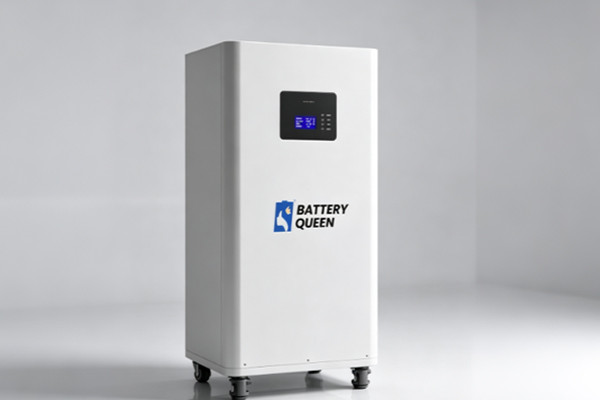
As solar power applications continue to expand, combining photovoltaic systems with energy storage batteries has become increasingly common. Solar energy is clean and renewable, but its output is affected by time, weather, and seasonal conditions. Solar power generation is typically higher during the daytime, while electricity cannot be generated at night. This creates a gap between solar power generation and actual electricity demand.By adding an energy storage system, excess electricity generated during the day can be stored and released at night or during periods of high electricity demand. In recent years, sodium-ion batteries have attracted growing attention in the new energy storage market. So, how effective is it to combine sodium-ion batteries with a solar energy storage system?
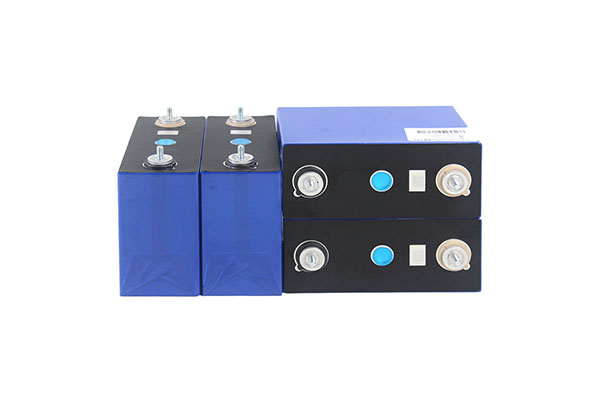
Why Do Solar Energy Systems Need Energy Storage Batteries?
Improving Solar Energy Utilization
The operating hours of photovoltaic panels do not always match the user’s electricity consumption. When solar power generation is high during the day but the load demand is relatively low, some of the generated electricity may not be fully utilized.
With an energy storage battery, excess solar electricity can be stored and used at night or when photovoltaic output is insufficient. This can increase the self-consumption rate of solar power and improve overall energy utilization.
Reducing the Impact of Solar Power Fluctuations
Solar power generation is highly dependent on weather conditions. Cloud cover, rain, and changes in sunlight can cause fluctuations in photovoltaic output.
An energy storage system can help smooth these power fluctuations and provide a more stable energy supply. As a result, battery performance has a direct impact on the overall operation of a solar energy storage system.
What Are the Advantages of Using Sodium-Ion Batteries for Solar Energy Storage?
Abundant Raw Material Resources
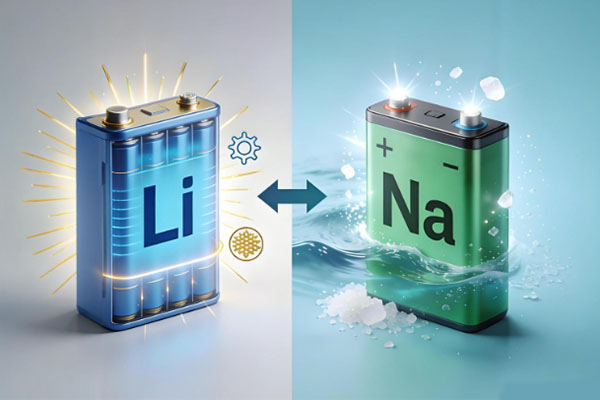
Sodium is widely available, giving sodium-ion batteries certain advantages in terms of raw material resources. For solar energy projects requiring large energy storage capacities, the availability and stability of battery materials are important considerations for long-term system planning.
Sodium-ion batteries can serve as an alternative energy storage technology alongside lithium-ion batteries, providing solar energy projects with more technology options.
Good Low-Temperature Adaptability
Some solar energy storage systems are installed outdoors and may be exposed to significant temperature variations. Low temperatures can affect the charging and discharging performance of batteries.
Sodium-ion batteries offer certain advantages in low-temperature environments, giving them potential applications in cold regions and areas with significant temperature fluctuations. However, actual performance should still be evaluated according to the specific cell model, operating temperature, and thermal management system.
Suitable for Multiple Energy Storage Applications
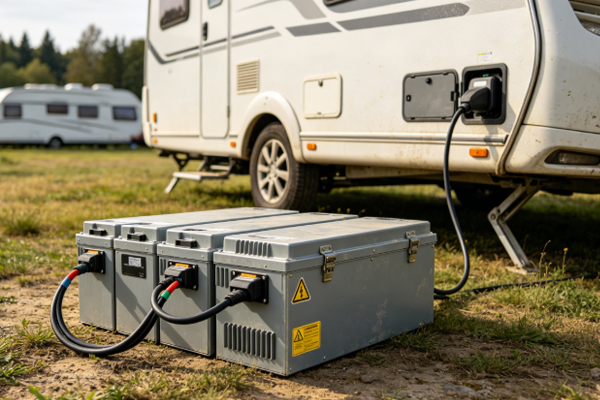
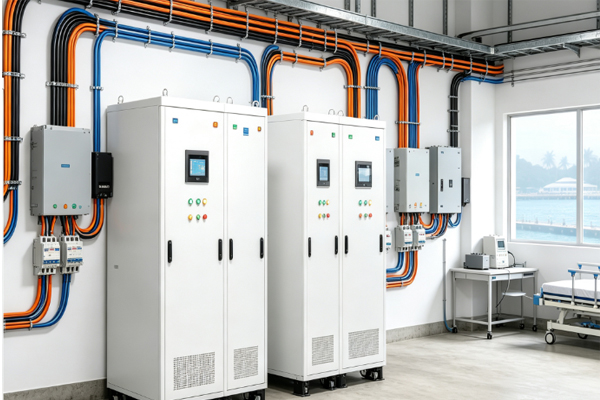
Sodium-ion batteries can be designed with different voltage levels, capacities, and battery pack structures according to system requirements. They can be considered for residential solar energy storage, commercial and industrial energy storage, off-grid solar systems, and backup power applications.
How Effective Is a Solar Energy Storage System with Sodium-Ion Batteries?
Storing Excess Electricity During the Day
When photovoltaic power generation exceeds the immediate load demand, the Energy Management System (EMS) can direct excess electricity to the sodium-ion battery for storage.
For example, a commercial building may have relatively low electricity demand during certain daytime periods while its rooftop solar panels continue generating electricity. The energy storage system can store part of this excess solar power for later use.
Releasing Stored Energy at Night
After sunset, photovoltaic panels can no longer generate solar electricity. The energy storage battery can then supply power to the loads according to the system’s operating strategy.
This “charge during the day and discharge at night” operating mode can increase solar power utilization and potentially reduce dependence on grid electricity during certain periods.
Working Together with an Energy Management System
The actual performance of a solar energy storage system depends not only on the battery but also on the compatibility of the inverter, BMS, EMS, and photovoltaic modules.
A properly configured EMS can adjust charging and discharging strategies based on solar generation, load demand, battery state of charge (SOC), electricity prices, and other operating conditions. This allows the sodium-ion battery to provide better energy management throughout the day.
How to Choose Sodium-Ion Batteries for Solar Energy Storage?
Select the Right Energy Storage Capacity
Battery capacity should be determined based on daily electricity consumption and photovoltaic power generation.
If the capacity is too small, the battery may not be able to store sufficient excess solar electricity. If the capacity is too large, the initial investment may increase unnecessarily.
Therefore, actual load profiles and photovoltaic generation data should be analyzed before determining the appropriate battery capacity.
Select the Appropriate System Voltage
The sodium-ion battery voltage must be compatible with the inverter and other electrical equipment.
When designing the battery system, users should first confirm the inverter’s allowable battery voltage range and then determine the appropriate number of cells connected in series and the battery pack configuration.
Consider Cycle Life and Charge/Discharge Capability
Solar energy storage systems generally require frequent charging and discharging over long periods, making cycle life an important battery specification.
At the same time, the battery’s continuous charge and discharge rate should match the system load power. This helps prevent the battery from operating under unsuitable conditions for extended periods.
Consider BMS and System Compatibility
The Battery Management System (BMS) monitors battery voltage, current, temperature, and state of charge while providing necessary protection functions.
For solar energy storage systems, the battery BMS should also communicate effectively with the inverter and EMS to support stable system operation.
Are Deligreen Sodium-Ion Batteries Suitable for Solar Energy Storage?
Solar energy storage projects have different requirements for battery capacity, voltage, cycle life, operating temperature, and system compatibility. Therefore, battery configurations should be designed according to the specific application rather than using exactly the same configuration for every project.
Deligreen provides sodium-ion batteries and energy storage solutions and can customize parameters such as voltage, capacity, and BMS communication according to different application requirements. These solutions can be configured for residential solar energy storage, commercial and industrial energy storage, and off-grid energy storage projects.
Conclusion
Overall, combining sodium-ion batteries with solar energy storage systems has strong application potential.Photovoltaic systems generate clean electricity, while sodium-ion batteries store and regulate that electricity. Together, they can help address the mismatch between solar power generation and electricity demand.For a specific project, the final system performance depends on factors such as photovoltaic capacity, battery capacity, system voltage, load characteristics, inverter efficiency, BMS configuration, and EMS control strategies.By properly matching the battery and system configuration to the actual application, sodium-ion batteries can provide greater value in solar energy storage and help improve the utilization of renewable energy.