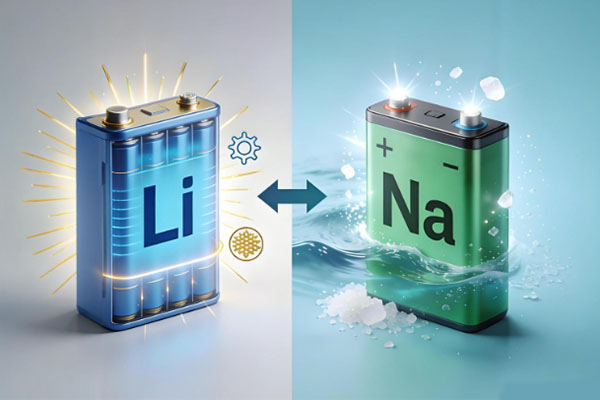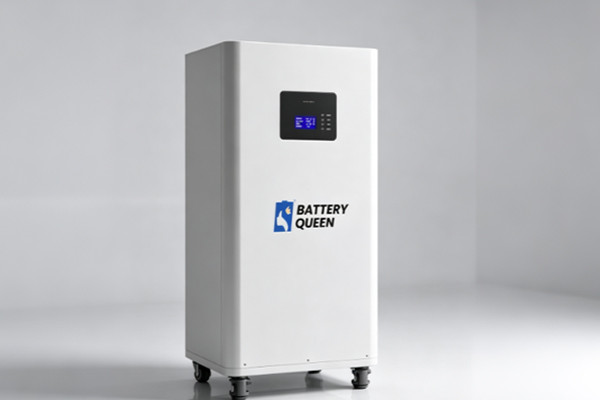
Low temperature is an important factor that can affect battery performance. As sodium-ion battery technology continues to develop, its performance in cold environments is attracting increasing attention in energy storage, electric vehicles, industrial equipment, and other industries.Compared with some conventional lithium-ion battery technologies, sodium-ion batteries show promising low-temperature performance and may be suitable for cold regions, outdoor equipment, and applications that require reliable operation in low temperatures. So, how do sodium-ion batteries actually perform in cold weather, and what factors should be considered during use?

Why Do Low Temperatures Affect Battery Performance?
Electrochemical Reactions Slow Down
When the ambient temperature drops, the electrochemical reactions inside a battery can become slower, reducing ion mobility and affecting charging and discharging performance.
For electric vehicles, this may result in reduced driving range, lower power output, and slower charging. For energy storage systems, low temperatures can also affect available capacity and overall operating efficiency.
Internal Resistance May Increase
Low temperatures can increase the internal resistance of a battery. Under the same load, the battery may need to consume more energy to maintain its output, which can cause the voltage to drop more quickly.
If a battery operates in extremely cold conditions for extended periods, its performance should be evaluated together with the cell chemistry, battery management system (BMS), and thermal management system.
What Are the Low-Temperature Characteristics of Sodium-Ion Batteries?
Promising Capacity Retention at Low Temperatures
Sodium-ion batteries use sodium ions as the charge carriers, and their material systems differ from those used in lithium-ion batteries. Some sodium-ion battery cells can maintain relatively good capacity and discharge performance in low-temperature environments.
However, actual low-temperature performance varies significantly depending on cell chemistry and product design. Therefore, when choosing a sodium-ion battery, users should not evaluate performance based only on the battery type. Important specifications include operating temperature range, low-temperature capacity retention, and discharge rate.
Suitable for Cold-Weather Applications
For regions with cold winters, battery performance at low temperatures directly affects the normal operation of equipment.
Sodium-ion batteries have promising potential for electric vehicles, outdoor energy storage systems, communication backup power supplies, and industrial equipment used in cold environments.
In stationary energy storage applications, appropriate system design can further improve the stability of sodium-ion batteries under low-temperature conditions.
What Applications Can Use Sodium-Ion Batteries in Cold Environments?
Electric Two-Wheelers and Three-Wheelers
Electric bicycles, electric motorcycles, and electric three-wheelers are frequently used outdoors. During winter, low temperatures can directly affect battery range and power output.
The low-temperature characteristics of sodium-ion batteries make them a potential solution for short-distance electric transportation in cold regions. For electric three-wheelers used in logistics and urban delivery, stable discharge performance in low temperatures can be particularly important.
Renewable Energy Storage Systems
Solar energy storage, wind power storage, and outdoor energy storage equipment may operate in environments with significant temperature fluctuations.
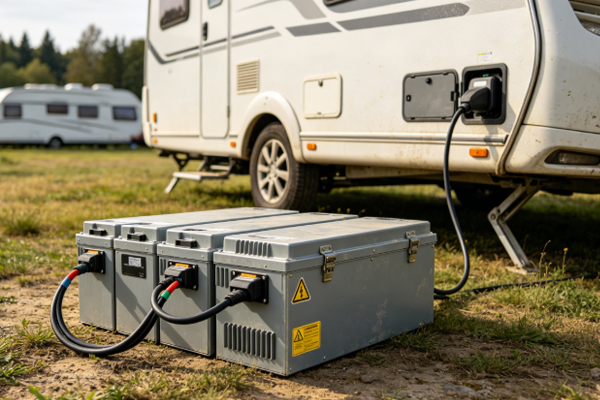
In cold regions, sodium-ion batteries can be considered as one of the battery technologies for stationary energy storage. BMS control, battery heating, and thermal insulation can be combined to further optimize charging and discharging performance in low temperatures.
Industrial Equipment and Backup Power
Forklifts, AGVs, communication base station backup systems, and outdoor monitoring equipment all require reliable battery power.
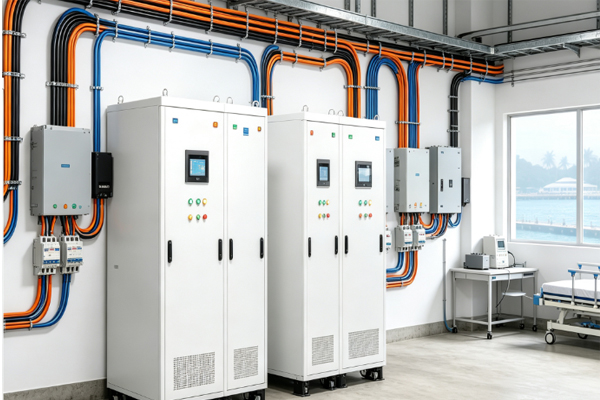
For these applications, stable discharge performance, cycle life, and safety at low temperatures are important factors. Sodium-ion battery systems can be customized according to the power and capacity requirements of different types of equipment.
How Can Low-Temperature Sodium-Ion Battery Performance Be Improved?
Choose the Right Battery Cells
Different sodium-ion battery cells can have different low-temperature characteristics. During procurement, users should pay attention to the minimum operating temperature, low-temperature discharge capacity, charging temperature range, and cycle life.
Choosing cells designed for the intended operating environment can significantly improve overall system reliability.
Use an Intelligent BMS
A battery management system can monitor battery voltage, temperature, current, and state of charge (SOC) in real time.
In low-temperature environments, appropriate BMS control can optimize charging and discharging strategies and reduce the risks associated with improper charging or excessive discharge.
Optimize Thermal Management
For battery systems used in cold regions, thermal insulation, heating components, and temperature monitoring devices can be incorporated into the system design.
These technologies help keep the battery within a suitable operating temperature range. It is important to note that charging current should not simply be increased to shorten charging time in cold conditions. Charging should always follow the specifications and requirements of the battery cells and battery system.
Are Sodium-Ion Batteries Suitable for Winter Use?
Overall, sodium-ion batteries have promising potential for low-temperature applications, but their actual performance depends on several factors, including cell chemistry, operating temperature, charging and discharging conditions, battery structure, BMS, and thermal management.
For applications in cold regions, buyers should compare low-temperature capacity retention, discharge rate, minimum operating temperature, allowable charging temperature, and thermal management capabilities rather than judging performance solely by battery chemistry.
How sodium-ion batteries perform in low temperatures depends on a combination of cell chemistry, operating temperature, charging and discharging performance, and overall system design.
Compared with some battery technologies that are more sensitive to low temperatures, sodium-ion batteries offer promising potential for cold-weather applications. They can be considered for electric two-wheelers, electric three-wheelers, renewable energy storage, industrial equipment, and outdoor backup power systems.
As sodium-ion battery technology continues to mature, its low-temperature performance, energy density, cycle life, and fast-charging capabilities are expected to continue improving. For battery projects in cold regions, selecting the right sodium-ion battery solution and combining it with an appropriate BMS and thermal management system can help achieve more stable and reliable long-term operation.