As new energy vehicles, industrial vehicles, outdoor equipment, and energy storage systems continue to expand into colder regions, battery performance in low-temperature environments has become increasingly important. Conventional lithium-ion batteries may experience reduced capacity, increased internal resistance, and lower charging efficiency at low temperatures. In extreme conditions, these issues can even affect the normal operation of vehicles and equipment.
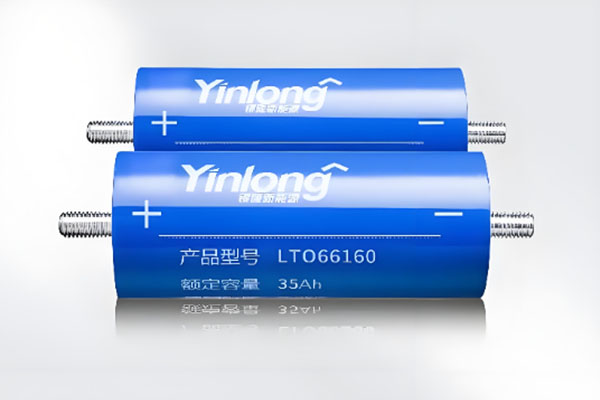
LTO batteries use lithium titanate as the anode material and offer good low-temperature charge and discharge performance as well as excellent structural stability. In addition, LTO batteries provide fast charging, long cycle life, and high-rate performance. These characteristics give LTO battery technology strong potential for new energy vehicles, logistics vehicles, and industrial equipment operating in cold environments.
Why Does Low Temperature Affect Lithium Battery Performance?
Low Temperatures Increase Battery Internal Resistance
When the ambient temperature drops, the movement of lithium ions within the electrolyte slows down, while ion transport inside the electrode materials can also become less efficient. As a result, battery internal resistance may increase.
For new energy vehicles, these changes can lead to reduced available capacity, weaker power output, and shorter driving range. The lower the temperature, the greater the requirements for battery materials and thermal management systems.
Low-Temperature Charging Requires Greater Attention
Charging lithium batteries at low temperatures requires careful control. With conventional graphite anodes, rapid charging under low-temperature conditions may increase the risk of lithium plating. Therefore, battery systems typically require appropriate control through the BMS, battery heating systems, and intelligent charging strategies.
For this reason, when selecting a power battery for cold climates, it is important to consider not only nominal capacity but also low-temperature charging and discharging performance.
What Are the Low-Temperature Advantages of LTO Batteries?
Good Low-Temperature Charge and Discharge Performance
LTO batteries use lithium titanate as the anode material, which has a highly stable crystal structure during repeated charging and discharging. Compared with conventional graphite-based battery systems, LTO batteries can maintain relatively stable electrochemical performance under low-temperature conditions.This characteristic makes LTO batteries suitable for new energy vehicles, outdoor equipment, industrial vehicles, and other applications that need to operate in cold environments.
Suitable for Frequent Fast Charging
Fast charging is one of the key advantages of LTO battery technology. Urban buses, short-distance delivery vehicles, and industrial vehicles often need to recharge within limited parking periods.The excellent rate capability of LTO batteries allows them to support frequent charging and discharging. Combined with an appropriate charging system and thermal management solution, LTO batteries can improve energy replenishment efficiency in cold environments and reduce vehicle downtime.
Long Cycle Life Reduces Long-Term Operating Pressure
For new energy vehicles and industrial equipment that operate for long hours every day, battery cycle life has a direct impact on overall operating costs.LTO batteries offer excellent cycle stability and can withstand frequent charge and discharge cycles. Therefore, even when equipment requires multiple charging cycles every day, LTO batteries can provide strong long-term application value.
How Can LTO Batteries Adapt to Extremely Low Temperatures?
Intelligent BMS for Temperature Management
The battery management system (BMS) is an important part of an LTO battery system. By monitoring battery temperature, voltage, current, and state of charge (SOC) in real time, the BMS can adjust charging and discharging strategies according to actual battery conditions.
In low-temperature environments, an intelligent BMS can regulate charging current and prevent inappropriate charging conditions, helping improve the safety and stability of the entire battery system.
Heating Systems Improve Cold-Weather Performance
For extremely cold regions, the low-temperature characteristics of the battery cell alone may not be sufficient for every application. An LTO battery system can therefore be combined with heating films, heating elements, or other thermal management technologies.
By preheating the battery before vehicle operation or charging, the battery temperature can be brought into a more suitable operating range. This can help improve charging and discharging performance under cold conditions.
Battery Pack Design Is Also Important
The low-temperature performance of an LTO battery depends not only on the battery cell chemistry but also on the overall battery pack design. Appropriate insulation, temperature sensor placement, electrical connections, and thermal management systems can help maintain a more balanced temperature throughout the battery pack.
For equipment operating in extremely cold regions, LTO battery customization should therefore consider more than capacity and voltage. The complete battery system should be designed according to the actual operating environment.
What Low-Temperature Applications Are Suitable for LTO Batteries?
New Energy Vehicles in Cold Regions
In northern regions and high-latitude countries, low winter temperatures can affect the power output and charging efficiency of new energy vehicles. With their good low-temperature adaptability, LTO batteries can be used in applications such as urban buses, short-distance transportation vehicles, and fixed-route electric vehicles.
Cold-Chain Logistics and Industrial Vehicles
Cold-chain logistics vehicles, warehouse vehicles, and industrial transportation equipment may operate in low-temperature environments for extended periods.
These applications often prioritize stable operation, fast charging, and long cycle life rather than simply pursuing the highest possible energy density. As a result, LTO batteries can provide a good match for cold-chain transportation, low-temperature warehouses, and industrial park vehicles.
Outdoor and Special-Purpose Equipment
Some outdoor equipment and special-purpose vehicles need to operate continuously in cold environments. For these applications, the battery must have strong environmental adaptability and reliable performance.
LTO batteries can be combined with customized BMS and thermal management systems to provide tailored solutions for different power, capacity, size, and operating-temperature requirements.
Future Trends of LTO Batteries in Low-Temperature Applications
Development Toward Intelligent Thermal Management
In the future, LTO battery systems are expected to become more closely integrated with intelligent BMS, temperature sensors, and advanced thermal management technologies.Real-time monitoring and intelligent control can help optimize charging and discharging processes, improving battery stability and reliability in extreme environments.
Growing Demand for Customized LTO Battery Solutions
Different new energy vehicles and industrial equipment have different requirements for battery capacity, voltage, dimensions, power output, and operating temperature.As a result, LTO battery suppliers are expected to provide increasingly flexible OEM and ODM services. Customized solutions can integrate battery cells, battery packs, BMS, connectors, and other components according to specific application requirements.
All-Weather New Energy Applications
As electric vehicles and equipment expand into colder markets, all-weather operating capability is becoming an increasingly important battery performance factor.With their low-temperature adaptability, fast charging capability, long cycle life, and high-rate performance, LTO batteries have strong potential for applications in cold-climate transportation, logistics, industrial equipment, and outdoor energy systems.
Conclusion
Low-temperature environments are an important test of overall battery performance. Although LTO batteries are not primarily designed to achieve the highest energy density, their low-temperature performance, fast charging capability, long cycle life, and operational stability give them unique advantages in high-frequency and extreme-environment applications.
For new energy vehicles, logistics vehicles, industrial equipment, and outdoor applications operating in cold regions, selecting an LTO battery should involve more than simply evaluating battery cell capacity. The BMS, battery pack structure, thermal management system, and charging solution should also be considered as part of the overall design.
With an integrated battery system designed for specific environmental conditions, the advantages of LTO technology can be further utilized to provide more reliable and durable power solutions for new energy vehicles and equipment operating in low-temperature environments.